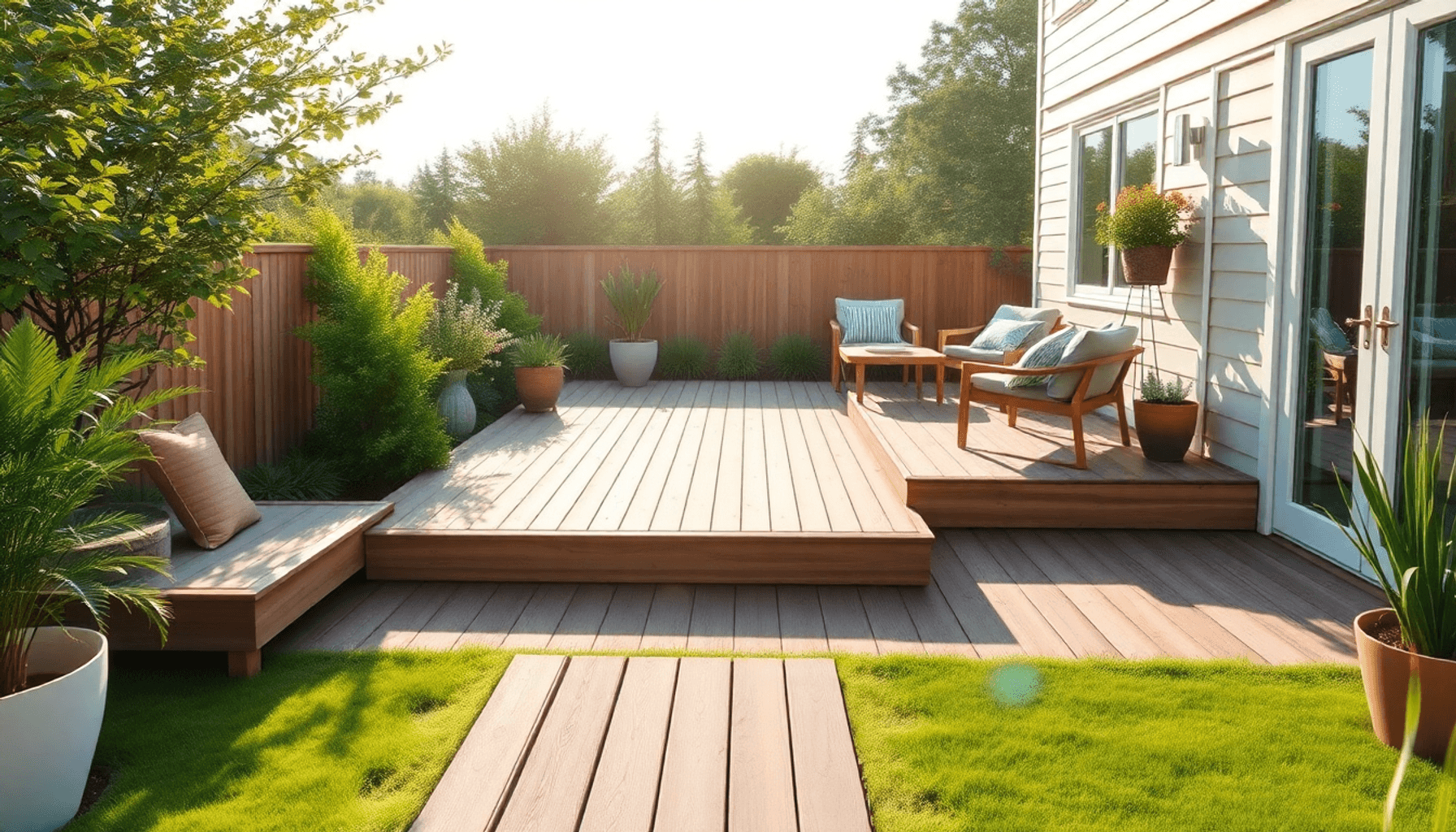

If you’re wondering How Much Does Decking Cost in the UK?, this article will give you a clear picture of what to expect when planning garden decking. Understanding the decking cost UK involves more than just looking at material prices. It’s about knowing how different factors combine to affect the total investment.
Knowing the garden decking price UK is important for homeowners who want to enhance their outdoor space without surprises on the final bill. Decking adds value and usability to your garden, but costs can vary widely based on several elements.
Factors influencing decking installation cost include:
- Material choice (timber, composite, PVC, exotic hardwoods)
- Size of the deck (small, medium, or large)
- Design complexity and features
- Geographic location within the UK
- Whether you opt for DIY installation or hire professionals
This article breaks down these components in detail, helping you make informed decisions tailored to your budget and preferences.
Factors Influencing Decking Costs in the UK
Several variables directly impact decking material cost and the total expense of your decking project. Understanding these factors helps you plan your budget more effectively and make informed choices.
Material Choice
Material type plays a major role in price differences. Options range from affordable softwoods to premium exotic hardwoods and modern composites. Each material varies in:
- Initial cost per square metre
- Durability and lifespan
- Maintenance requirements
- Aesthetic appeal
Choosing between timber, composite, PVC, or hardwood transforms both upfront costs and long-term expenses.
Deck Size Impact on Price
The size of your deck influences total costs but not always linearly. Typical size categories are:
- Small decks: Around 15m², suitable for compact gardens or balconies.
- Medium decks: Approximately 30m², common for average UK garden spaces.
- Large decks: About 60m² or more, requiring significant materials and labour.
Larger decks usually benefit from economies of scale on materials but increase installation time and complexity. Smaller decks may have higher per-square-metre installation costs due to fixed setup overheads.
Design Complexity
Simple rectangular designs cost less than intricate shapes with multiple levels, built-in seating, or integrated lighting. Complexity affects:
- Time required for installation
- Need for custom cutting or specialised fixings
- Structural support demands such as additional joists or balustrades
Complex projects often incur higher labour charges and can require expert skills.
Geographic Location
Location influences labour rates and material availability. Urban centres like London tend to have higher labour costs (£40–£55/m²) compared to rural areas (£22–£35/m²). Delivery fees can also vary depending on remoteness.
Climate factors affect material choice too—damp regions might favour rot-resistant species or composites despite higher initial prices.
Installation Type Cost Difference: DIY vs Professional
Deciding between DIY and professional installation significantly changes the overall budget.
| Installation Type | Cost Range | Considerations |
| DIY | Material costs only | Saves labour fees; requires skills, tools, time; risk of mistakes |
| Professional | £22–£55 per m² labour + materials | Faster completion; guaranteed workmanship; higher upfront cost |
DIY suits those confident in carpentry but be mindful of potential expenses from errors or lack of warranty. Professional installers bring efficiency and compliance with safety standards but add sizeable labour charges.
Understanding how these factors intertwine allows you to estimate your decking budget realistically before selecting materials or contractors.
Material Options and Their Costs
Choosing the right material is crucial when estimating how much does decking cost in the UK? Each material offers a distinct combination of price, durability, maintenance, and aesthetic appeal. Below are detailed options with typical costs and key characteristics.
Composite Decking
Composite decking has gained popularity as a low maintenance decking UK option. It combines wood fibers with plastic to create boards that resist rot, splintering, and insect damage.
Cost range: £90–£135 per m² installed
Warranties: Often 10–20 years, reflecting confidence in longevity
Benefits:
- Minimal upkeep—no need for sanding, staining, or sealing annually
- Resistant to fading, staining, and mould growth
- Uniform appearance with a variety of colour options
- Environmentally friendly choices available using recycled materials
Composite decking prices may seem higher upfront compared to timber decking price UK figures, but savings on maintenance and replacement balance long-term expenses. Its installation cost includes not just materials but also specialized fasteners and sometimes sub-frame modifications to support heavier boards.
Understanding composite decking cost UK helps you weigh investment versus convenience. The long service life suits homeowners seeking durable yet stylish outdoor spaces without the hassle of frequent care.
Timber Decking Options
Timber decking remains a popular choice among UK homeowners seeking a natural aesthetic combined with versatility. Understanding the timber decking price UK helps you plan your budget effectively while weighing maintenance commitments.
Board-only timber costs
Around £22 per m² for raw timber boards without installation. This figure reflects just the material expense, allowing you to compare with other decking types like composite or PVC.
Softwood decking
Installed costs typically range between £40 and £73 per m². Softwoods such as pine or spruce are affordable options but require regular upkeep. Annual treatments like sanding, staining, or applying protective sealants are essential to prevent rot and weather damage.
Hardwood decking
Premium softwood alternatives cost between £62 and £108 per m² installed. Hardwoods such as oak, cedar, or tropical varieties offer superior durability and resistance to decay. They withstand harsh weather conditions better than softwoods, reducing the frequency of maintenance cycles.
Maintenance demands set timber apart from materials like composite decking, which offer low maintenance decking UK options with warranties covering 10 to 20 years. Timber’s natural properties mean you must budget not only for initial installation but also ongoing care to preserve appearance and structural integrity.
Comparing hardwood vs softwood decking prices shows hardwood’s higher upfront investment pays off through enhanced longevity and reduced replacement frequency. Softwoods attract homeowners looking for cost-effective solutions but willing to invest time in annual upkeep.
Timber's warm texture and authentic look justify considering it despite the additional work compared to the relatively hands-off nature of composite or PVC decks where PVC decking price ranges from £33 to £59 per m² installed coupled with stain and fade resistance.
Knowing these cost distinctions alongside maintenance requirements enables you to make an informed decision about your project when asking How Much Does Decking Cost in the UK? The right choice balances aesthetics, budget constraints, and your willingness to engage in routine maintenance over time.
PVC Decking
PVC decking is a great option for UK homeowners looking for low maintenance decking. The cost of PVC decking usually ranges from £33 to £59 per m² installed, making it a more affordable choice compared to higher-end materials like hardwood or exotic woods.
You can enjoy several key benefits with PVC decking:
- Stain and fade resistance: The material does not absorb moisture or stains, maintaining its appearance over time without the need for frequent cleaning or sealing.
- Minimal upkeep: Unlike timber decking price UK ranges that include ongoing annual treatments, PVC requires only occasional washing with soapy water to keep it looking fresh.
- Durability against weather conditions: PVC handles rain, frost, and UV exposure well, reducing risks of warping, splintering, or rotting that affect wood decks.
- Lightweight and easy to install: The installation process is generally quicker than heavier hardwoods or composite options, which can influence labor costs positively.
The balance between initial cost and long-term maintenance expenses makes PVC decking an attractive choice for those prioritizing ease of care while also being mindful of their budget.
This material fits well within the range of low maintenance decking options that UK buyers compare when looking at composite decking costs and timber decking prices. It offers good value where the upfront investment is moderate but lifetime upkeep remains minimal.
Exotic Hardwoods (e.g., IPE)
Exotic hardwood decking represents the premium end of the market in terms of price, durability, and aesthetic appeal. The exotic hardwood decking cost UK typically ranges from £118 to £173 per m² installed. This pricing includes both materials and professional installation, reflecting the high quality and longevity associated with species like IPE (Brazilian Walnut), Cumaru, and Tigerwood.
Key characteristics of exotic hardwood decking:
- Exceptional durability: These woods are renowned for their natural resistance to rot, decay, and insect damage. They can withstand harsh weather conditions without significant wear.
- Lifespan exceeding 25 years: Properly maintained exotic hardwood decks can last over two decades, making them a long-term investment.
- Heavier weight: The density of exotic hardwoods means they require sturdier joists and more robust support structures compared to composite decking or softwood options.
- Higher upfront investment: The initial price is considerably above typical timber decking price UK or PVC decking price ranges, reflecting the scarcity and performance advantages.
- Maintenance requirements: While exotic hardwoods are naturally resistant to many issues affecting cheaper woods, they still benefit from annual cleaning and occasional oiling to maintain colour richness. This contrasts with low maintenance decking UK options like composite or PVC that need minimal upkeep.
Why consider exotic hardwood despite higher costs?
- Their rich colours and fine grain patterns offer a striking visual impact that enhances garden aesthetics.
- Longevity reduces the frequency and cost of replacement over time.
- Natural strength reduces the risk of warping or cracking compared with softer timbers.
When comparing IPE decking price against other common materials such as composite decking cost UK or timber decking price UK, you find a trade-off between upfront expenditure and lifetime value. Exotic hardwood demands a substantial initial outlay but rewards you with unparalleled durability and timeless beauty.
Decking projects aiming for maximum quality often lean towards these exotic options despite the heavier weight and increased installation complexity. Understanding how this fits within your budget is essential when deciding How Much Does Decking Cost in the UK? as it accounts for a significant portion of total project expenses.
Labor and Installation Costs
Labor costs for decking installation in the UK vary significantly depending on factors such as project size, complexity, and location. Typical professional labor rates range from £22 to £55 per square metre. This wide range reflects differences in regional pricing and the specific demands of the job.
Time Estimates for Installation
A medium-sized deck (around 30m²) generally takes 1 to 3 days to complete by experienced installers. Smaller decks may be finished more quickly, while larger or more complex designs require additional time.
Factors Affecting Labor Charges
- Design Complexity: Intricate layouts with curves, multiple levels, or integrated features like built-in seating or lighting increase labor time and costs. Simpler rectangular decks are faster and less expensive to install.
- Site Accessibility: Difficult access to the garden or deck area can add to labor charges. If installers must transport materials through narrow pathways or over uneven ground, expect higher fees.
- Ground Conditions: Uneven terrain requiring extra groundwork or leveling also impacts labor costs.
Professional vs DIY Decking Installation
Choosing between professional installation and a DIY approach affects overall expenses and project outcomes.
Professional Installation
- Ensures compliance with safety standards and building regulations.
- Provides expert handling of materials and design complexities.
- Saves time, especially for larger or complicated decks.
- Guarantees a finished product with warranties on workmanship.
DIY Installation
- Significantly reduces labor costs but increases time investment.
- Requires skill and proper tools; mistakes can lead to costly repairs.
- Best suited to smaller, simpler decks if you have confidence in your abilities.
Deciding whether to hire professionals or tackle the job yourself depends on your budget, experience level, and how much time you can dedicate. Keep in mind that poor installation can compromise deck longevity and safety.
A clear understanding of labor costs alongside material expenses helps you budget effectively for your decking project.
Additional Costs to Consider
When budgeting for decking, it’s important to factor in several decking extras cost UK that go beyond the basic materials and labor. These additional elements can significantly impact your total expenditure.
Joists and Balustrades Pricing
- Joists form the structural support beneath your decking boards. Their quality and spacing affect both durability and cost. Prices vary depending on the material (usually timber or metal), with timber joists typically starting around £10–£20 per linear metre.
- Balustrades are essential for safety, especially on raised decks above 30cm. Regulations require them to meet specific height and strength standards, which influences pricing. Expect balustrade costs from £40 to over £100 per metre, depending on style and material (glass panels, wood, metal).
- Installing balustrades increases installation complexity, reflecting in higher labor charges.
Trims and Fixings
- Decorative trims enhance the deck’s visual appeal by covering exposed edges and joints. These usually add £5 to £15 per linear metre.
- Fixings such as screws, nails, brackets, and hidden fastening systems are vital for stability and aesthetics. Basic fixings may add around £1–£3 per m² but premium systems designed for composite decking can be pricier.
Weed Membrane Installation
- Installing a weed membrane beneath the deck prevents unwanted plant growth that can damage the structure or create uneven surfaces over time. This protective layer commonly costs between £2 to £4 per m² including material and labor.
Delivery Fees
- Delivery charges depend on distance from suppliers to your property and volume of materials ordered. Typical fees range from £50 up to £150, but remote locations or large orders might incur higher costs.
Waste Disposal
- Removal of old decking materials or construction debris is not always included in quotes. Waste disposal services often charge between £100–£300 depending on project scale and local landfill fees.
Ground Leveling or Preparation Expenses
- Uneven or sloped terrain requires ground preparation before decking installation. This may involve excavation, soil compaction, or adding a sub-base layer of gravel or sand for drainage purposes. Ground preparation fees typically start at around £200 but can rise substantially if extensive landscaping work is needed.
These extras contribute to a complete picture of what your decking project will cost in practice. Ignoring them risks underestimating your budget or encountering unexpected expenses during installation.
Maintenance Costs by Material Type
When evaluating decking maintenance cost UK, understanding the differences between materials is crucial. Maintenance not only affects your budget but also the time and effort spent keeping your deck in good condition.
Composite Decking
Composite decking is known for its low-maintenance requirements, making it an attractive option for homeowners. Here's a breakdown of its maintenance costs:
- Requires minimal upkeep due to its synthetic makeup.
- Cleaning typically involves simple washing with soap and water once or twice a year.
- Resistant to rot, insect damage, and fading, which reduces the need for treatments.
- Warranties often cover 10 to 20 years, reflecting long-lasting durability.
- No sanding, painting, or staining necessary.
PVC Decking
Similar to composite decking, PVC decking offers a low-maintenance profile. Here's what you need to know about its maintenance costs:
- Similar low-maintenance profile as composite decking.
- Does not absorb moisture, reducing risks of warping or mold.
- Stain and fade resistant properties mean fewer cleaning sessions.
- Occasional washing is sufficient to keep it looking new.
Timber Decking
Unlike composite and PVC options, timber decking requires regular maintenance to maintain its appearance and structural integrity. Here's a breakdown of the maintenance costs associated with timber decks:
- Softwood decks require annual sanding and treatment with preservatives or stains to protect against weathering and insect damage.
- Hardwood decks, while more durable, still benefit from periodic sealing or oiling every 1–2 years to maintain their rich tones and prevent drying out.
- Neglect can lead to costly repairs or premature replacement.
Maintenance costs accumulate over time. For timber, expect recurring expenses for:
- Sandpaper and brushes
- Wood preservatives or oils
- Labour if hiring professionals for upkeep
In contrast, composite and PVC decking's minimal maintenance translates into savings on materials, labour, and time spent annually. Factoring these differences into your calculation of How Much Does Decking Cost in the UK? helps paint a clearer picture of the total cost of ownership, beyond just installation.
Total Estimated Costs by Deck Size and Material (Example Scenarios)
When planning a decking project, knowing the medium size deck cost UK helps set realistic expectations. A typical medium-sized deck measures around 30m². Costs vary significantly depending on the material choice, installation complexity, and additional features.
Cost Breakdown by Material Type for a 30m² Deck
1. Softwood Decking
Price Range: £1,080 - £2,190 installed
Softwood offers an affordable entry point with costs starting at about £40/m² installed. The lower end reflects simpler designs with minimal groundwork, while the higher range accounts for premium softwoods and more intricate layouts. Expect to invest in annual treatments to protect against weathering.
2. Hardwood Decking
Price Range: £1,860 - £3,240 installed
Hardwood commands a premium due to its durability and natural resistance to rot. Prices start around £62/m² installed but can reach over £100/m² for exotic varieties. This option reduces long-term maintenance frequency compared to softwood but demands a larger upfront investment.
3. Composite Decking
Price Range: £2,700 - £4,050 installed
Composite decks come with higher initial costs (£90–£135/m²) but include benefits such as low maintenance and extended warranties (10–20 years). The price accounts for both materials and professional installation. This option suits homeowners prioritizing longevity without ongoing upkeep hassles.
4. PVC Decking
Price Range: £990 - £1,770 installed
PVC decking stands out as an economical choice with excellent stain and fade resistance. Installed costs typically range from £33–£59/m². It requires minimal maintenance and is lightweight, making it easier and cheaper to install compared to composites or hardwoods.
Comparing Softwood vs Hardwood vs Composite Deck Prices
- Softwood remains the most budget-friendly option but requires consistent upkeep to maintain appearance and safety.
- Hardwood offers durability gains at a higher price point, ideal if you want long-lasting quality without frequent maintenance.
- Composite decking prices are the highest among common materials but provide peace of mind through durability and minimal care.
- PVC provides a cost-efficient alternative with good performance characteristics but may lack the natural look some homeowners prefer.
Size Impact on Total Costs
The 30m² medium deck example provides a clear picture of what you might expect financially when choosing between these popular materials. Smaller decks naturally reduce total spend proportionally but may not benefit from economies of scale in labor costs. Larger decks increase material quantities and potentially labor time, pushing overall budgets higher.
Considering your budget alongside these figures helps identify which material aligns best with your financial plan for decking installation in the UK market.
Benefits of Investing in Garden Decking
Investing in garden decking in the UK offers multiple advantages that extend beyond simple outdoor decoration. Understanding these benefits helps you make an informed choice aligned with your lifestyle and home improvement goals.
Enhanced Outdoor Living Space Usability
A well-designed deck transforms your garden into a versatile living area. You gain an inviting space for:
- Relaxation and social gatherings
- Alfresco dining and entertainment
- Safe, level footing ideal for children and elderly family members
Decking creates a seamless flow from indoor to outdoor areas, effectively expanding your usable home footprint without costly extensions.
Reduction of Mud and Debris in Garden Areas
Gardens often suffer from muddy patches, especially during wet UK weather. Decking acts as a protective barrier:
- Keeps foot traffic off soil and grass
- Minimizes dirt tracked into your home
- Provides a clean, dry surface regardless of weather conditions
This practical benefit reduces maintenance time spent cleaning both the garden and interior floors.
Potential Boost in Property Market Value
Adding a deck can increase the attractiveness of your property to potential buyers. Studies and real estate experts highlight several points:
- Decks are seen as desirable lifestyle features enhancing curb appeal
- Properties with well-maintained decking often command higher offers
- Return on investment can be favourable compared to other garden improvements
If considering resale value, decking represents a smart investment that adds functional luxury without major structural work.
Aesthetic Improvements to Home Exterior
Decking complements various architectural styles and landscaping designs. Its visual impact includes:
- Creating focal points like seating areas or planters integrated into the deck design
- Offering colour and texture contrast with greenery and paving stones
- Elevating overall garden presentation through neat, uniform surfaces
Choosing suitable materials and finishes allows you to customise your deck’s look, boosting your home’s exterior charm effectively.
Garden decking delivers tangible benefits that enhance daily living while supporting property value growth. These advantages make it a popular choice for UK homeowners seeking practical yet stylish outdoor solutions.
Conclusion
When budgeting for decking UK, striking the right balance between cost, durability, and maintenance is essential. The decision on choosing the right decking material UK depends largely on your lifestyle, garden environment, and long-term plans for your outdoor space.
Key points to remember:
- Assess your budget realistically. Cheaper upfront options like softwood may save money initially but can require more upkeep and replacement costs over time.
- Consider maintenance commitment. Materials such as composite and PVC offer minimal upkeep, ideal if you prefer low-maintenance solutions.
- Factor in longevity and warranty. Investing in durable materials like hardwood or exotic woods might be more expensive but provide longer-lasting performance and peace of mind.
- Plan installation carefully. Account for labor costs, design complexity, site accessibility, and additional elements like balustrades or ground preparation.
- Check local regulations. Make sure your decking project complies with planning permissions and safety standards to avoid unexpected expenses or delays.
A well-planned decking project not only enhances your outdoor living experience but also adds value to your home.
Understanding How Much Does Decking Cost in the UK? involves more than just looking at price per square metre. It requires a comprehensive view of materials, installation, ongoing care, and personal preferences.
Prepare by gathering multiple quotes from reputable installers, researching material options thoroughly, and defining your priorities clearly. This approach ensures you get a decking solution that fits both your budget and lifestyle needs—making your garden transformation a rewarding investment.
FAQs (Frequently Asked Questions)
How much does decking cost in the UK including installation?
Decking costs in the UK vary based on material and size, with typical installed prices ranging from £33/m² for PVC decking up to £173/m² for exotic hardwoods like IPE. For example, a medium-sized 30m² deck can cost between £990 and £4,050 including installation, depending on the material chosen.
What are the main factors influencing decking costs in the UK?
Key factors affecting decking costs include the choice of decking material (composite, timber, PVC, exotic hardwood), deck size (small, medium, large), design complexity, geographic location, and whether you opt for DIY or professional installation. Additional expenses such as joists, balustrades, ground preparation, and delivery fees also impact the total cost.
What are the advantages and price ranges of different decking materials in the UK?
Composite decking costs £90–£135/m² installed and offers long warranties (10–20 years) with low maintenance. Timber decking varies: softwood installed costs range from £40–£73/m² requiring annual treatment; hardwood is pricier at £62–£108/m² but more durable. PVC decking is budget-friendly (£33–£59/m²) with stain and fade resistance needing minimal upkeep. Exotic hardwoods like IPE cost £118–£173/m² with exceptional durability lasting over 25 years.
How do labor and installation costs affect overall decking expenses in the UK?
Labor rates typically range from £22 to £55 per square metre depending on design complexity and site accessibility. Installation time for a medium-sized deck usually spans 1–3 days. Choosing professional installation increases upfront costs compared to DIY but ensures quality workmanship and adherence to safety standards.
What additional costs should UK homeowners consider when planning a decking project?
Beyond materials and labor, homeowners should budget for extras such as joists, balustrades especially for raised decks to meet safety standards, trims, fixings, weed membrane installation, delivery fees, waste disposal, and ground leveling or preparation charges which can significantly add to total expenses.
What are the maintenance cost differences between composite/PVC decking and timber decking in the UK?
Composite and PVC decking require minimal maintenance—mainly occasional cleaning—resulting in lower ongoing upkeep costs. In contrast, timber decking demands regular sanding, painting or varnishing annually or biannually to maintain durability and appearance, leading to higher maintenance expenses over time.