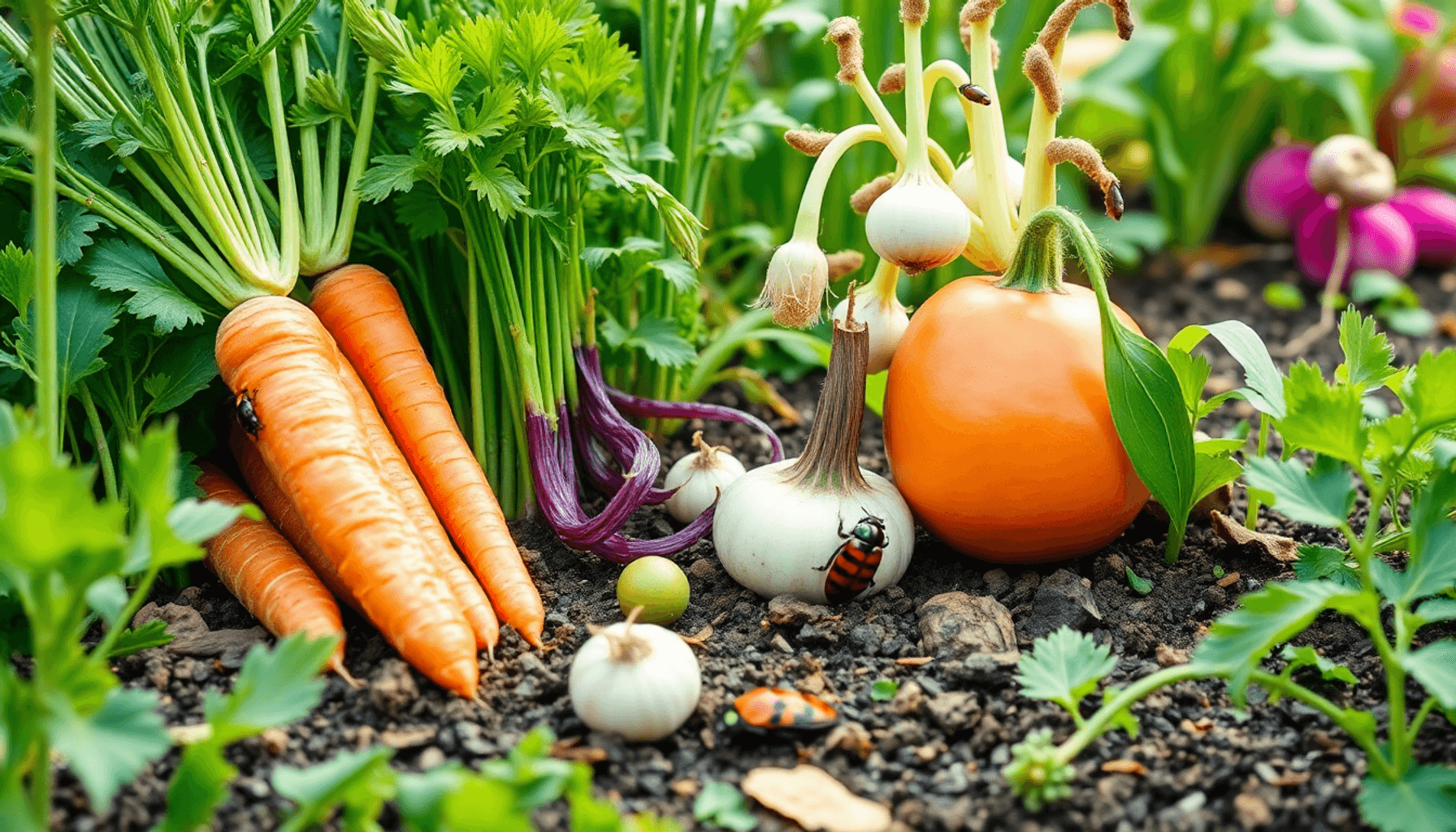

Companion planting is a tried-and-true gardening method that involves growing specific plants together to enhance each other's growth and health. In the context of vegetable gardening in the UK, this technique plays a vital role in creating a balanced ecosystem within your garden or allotment. By pairing compatible plants, you promote natural pest control and improve pollination, resulting in healthier crops and better yields.
The benefits of organic gardening come from reducing the use of chemical pesticides and fertilizers. Companion planting supports this by:
- Minimising pest problems naturally, lowering the need for synthetic treatments
- Enhancing soil fertility and plant vigor through beneficial interactions
- Boosting vegetable yields by improving overall plant health
A Companion Planting Chart for UK Vegetables (Printable) serves as a practical tool for gardeners. It visually maps out which vegetables grow well side by side and which combinations to avoid. Having such a chart at hand simplifies planning your vegetable patch, helping you make informed decisions that align with local growing conditions and organic principles.
Using a companion planting chart empowers you to optimise space and resources while nurturing a thriving, sustainable garden.
Understanding Companion Planting
Companion planting is the practice of growing certain plants together to benefit each other. The idea behind this technique is that some plants can help each other grow, stay healthy, and produce more when they are planted close to one another. It's like a natural partnership where specific plant combinations lead to better outcomes such as pest control, improved pollination, and stronger overall growth.
How Companion Planting Works
Here are some ways in which companion planting can be beneficial:
1. Mutual Benefits
Some plants have the ability to release substances into the soil or air that can help their neighboring plants resist diseases or pests. Additionally, certain plants have the ability to attract beneficial insects that prey on harmful pests. For example, aromatic herbs can confuse pests by masking the scent of nearby vegetables, making it harder for them to find their targets.
2. Pollination Support
By planting flowers alongside vegetables, you can attract pollinators like bees and butterflies. This increase in pollinator activity can lead to higher fruit set and vegetable yields, which is especially important in UK gardens where cooler climates may limit insect activity.
3. Organic Pest Control
Mixing different crops together can reduce the chances of pest infestations without the need for chemical pesticides. Certain companion plants have been found to attract predatory insects such as ladybirds and lacewings, which naturally decrease populations of common garden pests like aphids.
Traditional vs Scientific Perspectives
Companion planting is influenced by both traditional knowledge and modern scientific research. Many practices associated with companion planting come from observations made by gardeners over generations. For example:
- Gardeners have long known that planting nasturtiums with beans can deter aphids.
- Historically, foxgloves were planted near potatoes to improve disease resistance, although scientific evidence supporting this claim is still limited.
On the other hand, scientific studies are increasingly trying to understand why certain plant pairings are effective. These studies often focus on:
- Chemical interactions between plant roots or leaves.
- Patterns of attraction exhibited by beneficial insects.
- Effects on soil nutrients and microbial activity.
One such study published in a scientific journal delves deeper into these aspects and provides valuable insights into the effectiveness of companion planting.
While some companion combinations have strong scientific backing, others rely more on anecdotal evidence passed down through generations. Both perspectives contribute to our understanding and practice of organic gardening methods in the UK.
This combination of tradition and science makes companion planting a flexible approach that you can adjust based on your own observations, garden conditions, and available resources. It provides a foundation for creating healthier vegetable patches through natural interactions rather than relying on chemical interventions.
Benefits of Companion Planting for UK Vegetables
Companion planting offers several practical advantages that make it a valuable technique for vegetable gardeners across the UK. Understanding these benefits helps you maximize your garden's productivity while minimizing reliance on chemical inputs.
Natural Pest Reduction Without Chemicals
One of the most significant benefits of companion planting lies in its ability to reduce pest pressure naturally. By carefully selecting plants that repel or confuse common pests, you can create a garden environment that discourages harmful insects from settling. For example:
- Nasturtiums planted near beans act as a trap crop, attracting aphids away from the beans.
- Alliums such as garlic and onions emit strong scents that deter carrot root flies and other pests.
- Certain herbs like basil and mint produce volatile oils that mask the scent of more vulnerable vegetables, confusing pests searching for hosts.
This method reduces or eliminates the need for chemical pesticides, supporting organic growing principles and promoting a healthier ecosystem within your garden.
Improvement in Vegetable Yields and Plant Vigor
Companion planting often leads to stronger, more vigorous plants and improved yields. When compatible vegetables share space, they can benefit from:
- Enhanced nutrient uptake due to complementary root structures.
- Better use of soil resources by avoiding direct competition.
- Improved microclimates created by taller plants shading shorter ones or acting as windbreaks.
For instance, corn provides structural support for climbing beans, allowing both to thrive simultaneously while maximizing vertical space. Intercropping lettuce with taller brassicas can protect delicate leaves from harsh sun exposure. These positive interactions boost plant health and result in larger, more abundant harvests.
Attraction of Beneficial Insects
Attracting natural predators is another crucial benefit tied to companion planting. Ladybirds, lacewings, parasitic wasps, and hoverflies play important roles in controlling pest populations by feeding on aphids, caterpillars, and other damaging insects.
Certain flowers and aromatic plants serve as magnets for these beneficial insects:
- Marigolds draw hoverflies.
- Fennel and dill provide nectar for parasitic wasps.
- Yarrow attracts ladybirds.
Incorporating these into your vegetable patch encourages a balanced ecosystem where pest outbreaks are less likely to occur. Beneficial insects reduce pest numbers without harming your crops or the environment.
Understanding these natural advantages highlights why companion planting remains an effective strategy for gardeners seeking sustainable solutions tailored to UK conditions.
Key Companion Planting Combinations for UK Vegetables
Identifying the right vegetable companion plants UK gardeners can use is essential to maximize the benefits of companion planting. Specific pairings have proven particularly effective in promoting plant health and reducing pest problems.
1. Nasturtiums and Beans
Nasturtiums are well-known for their ability to deter aphids, especially when planted alongside beans. The bright flowers of nasturtiums attract aphids away from your beans, acting as a natural pest trap. This reduces the risk of aphid infestations that can weaken bean plants and reduce yields.
2. Alliums and Carrots
Planting alliums—such as onions, garlic, or chives—near carrots offers protection against carrot root fly. The strong scent emitted by alliums confuses the carrot root fly, making it harder for them to locate their preferred host. This companion planting combination helps maintain healthier carrot crops with less need for chemical intervention.
3. Strongly Scented Plants to Confuse Pests
Other aromatic plants like rosemary, sage, and mint can be interplanted with vegetables to confuse pests searching by smell. Their intense fragrances mask the scent of vulnerable crops, reducing pest attacks. These strongly scented companions work well around a range of vegetables to create a protective olfactory barrier.
4. Sacrificial Plants Attracting Pests Away from Main Crops
Certain plants act as sacrificial traps, drawing pests away from valuable vegetables. For example:
- Marigolds attract nematodes and whiteflies that might otherwise attack tomatoes or cucumbers.
- Calendula lures aphids away from cabbage and lettuce.
This strategy minimizes damage on main crops by providing pests with an alternative target.
Using these combinations effectively requires consulting a reliable Companion Planting Chart for UK Vegetables (Printable). Such charts guide you in pairing compatible plants while avoiding those that may compete or attract harmful insects. Planning your garden layout with these combinations in mind boosts crop resilience naturally and enhances overall productivity.
Common Vegetable Pairings to Avoid in UK Gardens
Identifying incompatible vegetable combinations is crucial for maintaining a healthy and productive garden. Some plants, when grown together, can hinder each other's growth or increase the risk of diseases, making them what gardeners call bad companion plants UK. Understanding these negative interactions helps you avoid common pitfalls in your vegetable patch.
Examples of Incompatible Vegetable Combinations
Here are some examples of vegetable pairings that should be avoided:
- Onions and Beans: Onions release substances that can stunt the growth of beans. Beans, as nitrogen fixers, thrive best without interference from alliums.
- Carrots and Dill: Dill can attract pests harmful to carrots. Also, dill’s strong aroma may confuse pollinators needed by other plants nearby.
- Potatoes and Tomatoes: Both are from the nightshade family and share susceptibility to blight and similar nutrient needs. Growing them close increases disease spread risk.
- Cabbage Family (Brassicas) with Strawberries: Brassicas can inhibit strawberry growth due to chemical interactions in the soil.
- Fennel and Most Vegetables: Fennel produces allelopathic compounds that suppress growth of many neighboring plants.
Reasons to Avoid Certain Plant Pairings
There are several reasons why certain plant pairings should be avoided:
- Competition for Nutrients: Some vegetables have high nutrient demands or root systems that overlap extensively. When planted too close, they compete for vital resources like nitrogen, phosphorus, and water, resulting in stunted growth.
- Pest Attraction: Pairing certain plants can inadvertently attract pests that damage both crops. For example, planting cucumbers near aromatic herbs that don’t repel cucumber beetles leaves your cucumbers vulnerable.
- Disease Transmission: Closely related plants often share pathogens. Planting susceptible species nearby increases the chance of rapid disease spread through soil or air.
- Allelopathy: Some plants release natural chemicals into the soil that inhibit growth of others. Recognizing allelopathic relationships is essential for avoiding poor plant health.
Importance of Planning Around Bad Companion Plants
When designing your vegetable patch layout using a companion planting chart, deliberately excluding these incompatible pairings will:
- Reduce stress on plants caused by competition
- Lower pest infestation risks
- Minimize chances of disease outbreaks
- Improve overall vegetable yields and quality
By carefully selecting which vegetables grow side-by-side versus which should be spaced apart, you create a balanced ecosystem that supports healthy plant development suited specifically for UK’s climate and soil conditions.
Using a Companion Planting Chart for Your Vegetable Patch
A companion planting chart is a practical tool designed specifically for gardeners in the UK to optimize their allotment planning and vegetable garden layouts. Understanding how to read and interpret this chart can make a significant difference in the success of your crop.
How to Read a Companion Planting Chart
- Colour Coding or Symbols: Most charts use colours or symbols to indicate beneficial, neutral, or harmful plant pairings. For example, green might represent compatible plants, red signals combinations to avoid, and yellow could mean neutral or conditional pairs.
- Plant Listings: Charts are generally organized with vegetables listed along both axes. Where rows and columns intersect, you find compatibility information for those two crops.
- Additional Notes: Some charts include extra advice on pest deterrence or soil requirements next to each pairing, offering deeper insight into why certain combinations work well.
Planning Your Garden Layout with the Chart
Using the chart effectively involves strategic placement of crops based on their interactions:
- Group Compatible Plants Together: Locate plants that support each other’s growth and place them side by side. This encourages natural pest control and improves pollination.
- Separate Incompatible Crops: Avoid planting vegetables that compete heavily for nutrients or attract common pests right next to each other. The chart helps you identify these problematic pairs.
- Incorporate Beneficial Borders: Use plants known to repel pests or attract beneficial insects as borders or interplanted rows within your main crops.
- Rotate Crop Positions Annually: Even when using companion planting, rotate crops yearly to prevent soil depletion and reduce disease risk.
Considering Local Climate and Soil Conditions
While the companion planting chart provides a solid foundation, local environmental factors play an essential role:
- UK regions vary significantly in temperature, rainfall, and sunlight hours; some companion benefits may be enhanced or limited by these conditions.
- Understanding soil type — clay, loam, sandy — affects nutrient availability and drainage. Some companion plants thrive better in specific soils.
- Adjustments may be required depending on microclimates within your garden (e.g., shaded corners versus sunny beds).
Applying knowledge from the chart together with awareness of your allotment’s unique climate and soil will maximize plant health and yields.
Garden Layout Tips Using Companion Planting Charts
- Sketch your garden beds before planting, marking where each vegetable will go according to compatibility.
- Use vertical space efficiently by pairing tall plants with low-growing companions that don't overshadow them.
- Include flowering companions strategically to boost pollinator visits throughout the growing season.
- Keep pathways clear but close enough for easy maintenance without disturbing beneficial plant groupings.
Using a companion planting chart in this way transforms garden planning from guesswork into an informed strategy tailored for UK vegetable growers seeking organic success.
Printable Companion Planting Chart for UK Vegetables
A printable companion planting chart designed specifically for UK vegetable gardens serves as a practical tool to simplify your gardening experience. This chart consolidates essential information about which vegetables and companion plants thrive together, helping you make informed decisions without needing to consult multiple sources.
Benefits of a Physical Chart in Your Gardening Routine
- Quick reference: Having the chart printed and accessible while working in your garden or planning your vegetable patch saves time. You don't need to rely on digital devices or internet access outdoors.
- Visual clarity: A well-organized chart lays out compatible and incompatible plant pairings at a glance, using clear symbols, colours, or grids that highlight relationships between crops.
- Ease of use: You can mark notes directly on the chart based on your garden’s specific conditions, such as soil type or observed pest activity.
- Planning aid: When arranging your beds or allotment plots, the chart helps you visualize crop rotations and companion groupings efficiently.
What to Expect from a UK Vegetable Garden Planner Chart
- Focus on popular UK vegetables like carrots, beans, brassicas, and alliums with detailed companion compatibility.
- Identification of plants that attract beneficial insects common in the UK, such as ladybirds and hoverflies.
- Highlighting of plants that deter typical pests found in British gardens.
- Guidance on avoiding problematic pairings that could stunt growth or increase disease risks.
How to Use Your Printable Companion Planting Chart Effectively
- Review each vegetable’s companions: Look for plants labeled as 'good partners’ to enhance growth or pest resistance.
- Note ‘avoid’ combinations: Plan bed layouts that prevent planting incompatible crops side-by-side.
- Incorporate beneficial flowering plants: Use the chart to integrate flowers like marigolds or nasturtiums known for pest deterrence.
- Adjust based on garden size and layout: Adapt suggestions to fit raised beds, allotments, or container gardening setups common in UK homes.
The availability of this downloadable resource empowers you to bring organic gardening principles into practical application with confidence and ease throughout the growing season.
Additional Tips for Successful Companion Planting in the UK
Implementing companion planting effectively means combining it with other organic gardening practices that support plant health and soil fertility. Here are some companion planting tips UK gardeners find essential:
Integrate Crop Rotation and Mulching
- Crop Rotation: Changing the location of vegetable families each season prevents soil nutrient depletion and disrupts pest life cycles. For example, avoid planting brassicas after potatoes to reduce clubroot risk. This strategy plays a crucial role in weed management, helping maintain a healthy garden ecosystem.
- Mulching: Using organic mulches like straw or leaf mold conserves soil moisture, suppresses weeds, and enriches soil as it breaks down. Deep mulching around companion plants can create a protective environment that helps beneficial insects thrive.
Select Native Beneficial Plants to Attract Helpful Insects
Choosing native wildflowers and herbs encourages populations of predator insects that naturally control pests. Consider plants such as:
- Yarrow – attracts ladybirds and predatory wasps.
- Wild marjoram – draws hoverflies, whose larvae eat aphids.
- Borage – supports bees and improves soil quality.
Incorporate these into borders or within vegetable beds to create a balanced ecosystem where natural pest control flourishes.
Monitor Plant Health Regularly
Regular observation is critical to successful organic gardening. Look out for early signs of disease or pest damage so you can intervene promptly using natural methods like hand-picking pests or applying insecticidal soaps.
Keep records of which companion combinations work best in your specific site conditions—soil type, microclimate, and local pest pressures all influence outcomes. Adjust your plans accordingly each year to optimize plant vigor and yield.
By combining companion planting with these organic gardening techniques, you build a resilient vegetable patch that thrives in UK conditions without relying on chemical inputs.
Conclusion
Adopting companion planting practices offers a practical path to healthier, more productive vegetable patches across the UK. This method taps into natural relationships between plants, reducing the need for chemical interventions while boosting your garden’s resilience and yield.
Key takeaways from this companion planting summary include:
- Natural pest reduction through strategic plant pairings
- Enhanced pollination and stronger plant health
- Attraction of beneficial insects that support your crops
- Avoidance of harmful plant combinations that can stunt growth or invite disease
Use the Companion Planting Chart for UK Vegetables (Printable) as a reliable guide when planning your garden layout. Having this chart at hand helps you make informed decisions tailored to your local conditions, maximizing the organic vegetable gardening benefits UK growers seek.
Download the printable chart today and start transforming your vegetable patch with smart, sustainable companion planting techniques. Your garden will thank you with healthier plants and richer harvests year after year.
FAQs (Frequently Asked Questions)
What is companion planting and why is it important for UK vegetable gardening?
Companion planting involves growing certain plants together to provide mutual benefits such as improved pollination, natural pest control, and enhanced plant health. In UK vegetable gardening, it helps reduce pests organically and boosts crop yields, making it a valuable practice for organic gardeners.
How does companion planting contribute to organic pest control in UK gardens?
Companion planting naturally reduces pests by attracting beneficial insects like ladybirds and lacewings that prey on harmful pests. Additionally, strongly scented plants can confuse or repel pests, minimizing the need for chemical interventions in UK vegetable gardens.
Can you provide examples of effective companion plant combinations for UK vegetables?
Yes, effective pairings include nasturtiums planted with beans to deter aphids and alliums grown near carrots to repel carrot root fly. Using sacrificial plants that attract pests away from main crops is also a common strategy highlighted in companion planting charts tailored for UK vegetables.
Which vegetable pairings should be avoided in UK gardens due to incompatibility?
Certain combinations can hinder growth or increase disease risks because of competition for nutrients or attracting pests. For example, some plants may compete heavily for resources or create conditions favorable to diseases. Avoiding these incompatible pairings is essential when planning your UK vegetable garden layout.
How can a printable companion planting chart assist UK gardeners in planning their vegetable patches?
A downloadable and printable companion planting chart tailored for UK vegetables serves as a practical tool during garden planning and maintenance. It helps gardeners understand which plants grow well together, optimize garden layouts, and consider local climate and soil conditions for better yields.
What additional tips support successful companion planting in the UK?
Integrate companion planting with other organic methods like crop rotation and mulching to enhance soil health and pest management. Selecting native beneficial plants attracts helpful insects, while regular monitoring of plant health ensures early detection of issues. These practices collectively promote a thriving organic vegetable garden in the UK.