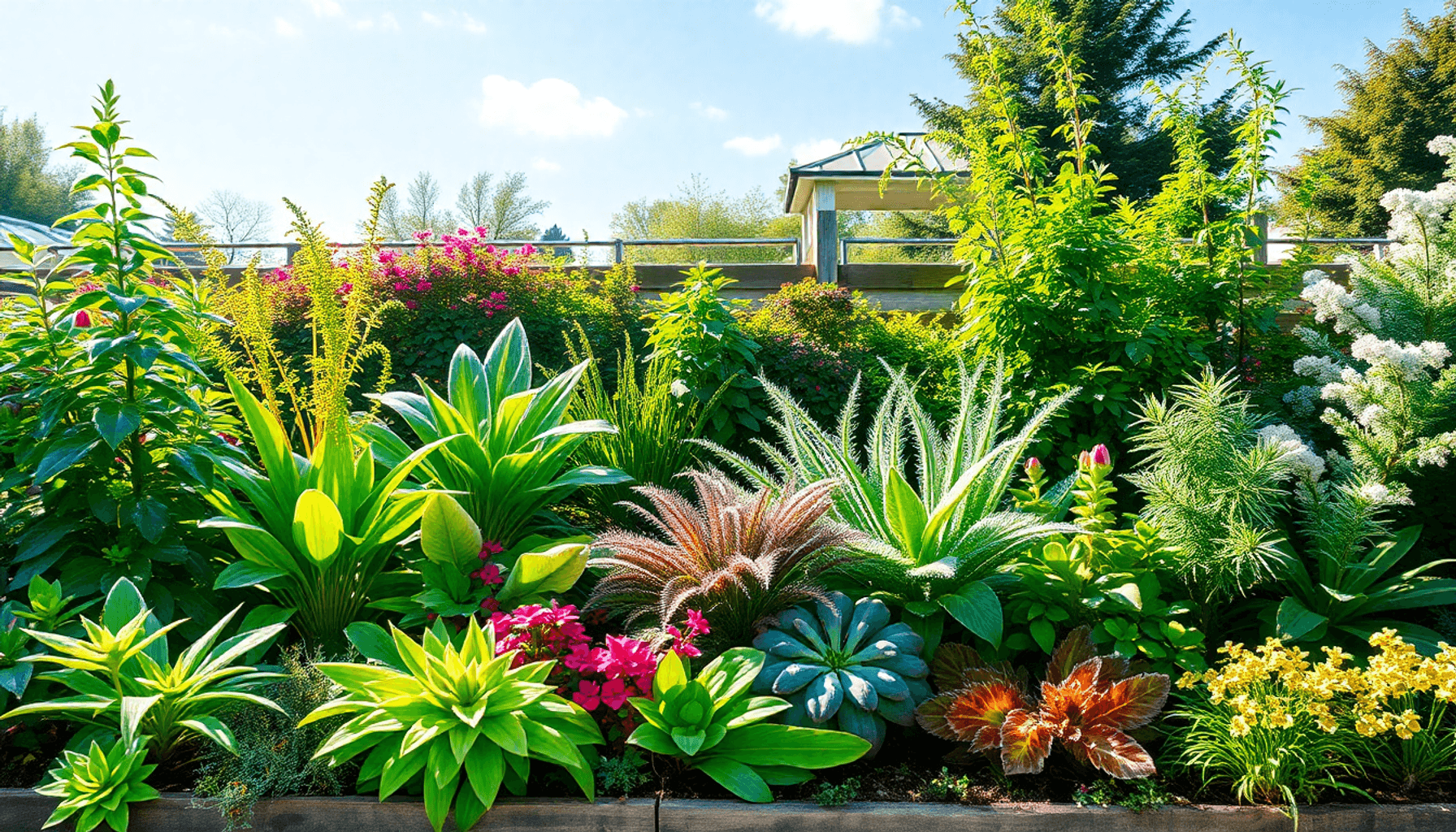

Understanding UK plant hardiness zones is essential for every gardener aiming to create a thriving garden year-round. The climate variations across the United Kingdom mean that some plants flourish in one region but struggle or fail in another. Knowing which plants are suited to your local conditions saves time, effort, and disappointment.
This guide, UK Plant Hardiness Zones: A Complete Gardener's Guide, draws on the expertise of the Royal Horticultural Society (RHS), providing clear insights into how plant hardiness zones work and why they matter. You will learn:
- The meaning behind plant hardiness zones and their role in plant survival
- How the RHS categorizes plants based on their temperature tolerance
- Practical advice on choosing plants that match your garden’s microclimate
- How regional differences across the UK influence gardening choices
With this knowledge, you can confidently select plants that will thrive in your garden’s specific conditions, making your gardening efforts more successful and rewarding.
Understanding Plant Hardiness Zones
Plant hardiness refers to a plant’s ability to survive adverse conditions, particularly cold temperatures. These zones categorize regions based on the lowest temperature tolerance plants can endure without damage. For gardeners, understanding these zones means selecting species that stand a realistic chance of thriving through winter.
The concept relies on measuring the minimum temperatures in an area during the coldest part of the year. This measurement forms the basis for classification systems like the RHS hardiness ratings, which are tailored specifically for UK climates. These ratings provide guidance beyond broad regional averages, focusing on absolute minimum temperatures plants can tolerate.
Key points about plant hardiness zones:
- Temperature tolerance plants must have is crucial for survival during winter frost and freezes.
- Zones indicate the hardiness threshold—the coldest temperature range that plants can endure without fatal injury.
- By matching plants to appropriate zones, gardeners reduce risks of winter losses and support healthier growth cycles.
Plant hardiness zones serve as practical tools rather than rigid rules. They reflect climatic realities but do not guarantee success since microclimates and other environmental factors also influence outcomes. Still, knowing your zone helps narrow down suitable plant choices effectively.
In the UK context, RHS ratings refine this approach by dividing plant hardiness into more precise categories (H1a to H7), each linked with specific temperature bands. This system offers a clearer picture of what plants require in terms of shelter or protection during colder months.
Understanding these classifications equips you with a foundation to assess your garden’s potential and make informed decisions about plant selection and care strategies tailored to winter survival challenges.
Understanding the RHS Hardiness Ratings
The RHS hardiness ratings are a system used to classify plants based on their ability to withstand minimum temperatures. This classification is particularly useful for gardeners in the UK, where the climate can vary greatly. By understanding these ratings, you can choose plants that are better suited to your specific growing conditions, leading to improved survival and growth rates.
Why Are Hardiness Ratings Important?
Knowing a plant's hardiness rating helps you determine whether it can survive in your garden without additional protection. This information is especially valuable for selecting plants that may not be native to your region but can thrive if given the right conditions.
How Do the Ratings Work?
The RHS hardiness ratings range from H1a to H7, with each category corresponding to a specific temperature range. These ranges are measured in both Celsius and Fahrenheit for convenience.
Here’s a breakdown of the different categories:
- H1a: Tropical Plants - warmer than 15°C (59°F)
- H1b: Subtropical Plants - 10 to 15°C (50 to 59°F)
- H1c: Warm Temperate Plants - 5 to 10°C (41 to 50°F)
- H2: Temperate Plants - 0 to 5°C (32 to 41°F)
- H3: Hardy Subtropical Plants - -5 to 0°C (23 to 32°F)
- H4: Hardy Mediterranean Plants - -10 to -5°C (14 to 23°F)
- H5: Hardy Plants - -15 to -10°C (5 to 14°F)
- H6: Very Hardy Plants - -20 to -15°C (-4 to 5°F)
- H7: Extremely Hardy Plants - below -20°C (below -4°F)
These ratings provide a clear guideline for understanding the temperature requirements of different plant species.
How Can You Use Hardiness Ratings in Your Garden?
When planning your garden or selecting plants for specific areas, consider the following:
- Assess your local climate: Understand the average minimum temperatures in your region and any microclimates that may exist.
- Choose plants accordingly: Select varieties with hardiness ratings that align with your climate conditions.
- Provide protection when necessary: If you have plants outside their preferred temperature range, consider using techniques like mulching or covering them during colder months.
By incorporating hardiness ratings into your gardening practices, you can create an environment that supports healthy plant growth and increases the likelihood of successful overwintering.
Tender Plants and Half-Hardy Varieties
The RHS hardiness ratings continue from the heated glasshouse conditions of H1a to H1c with H2 and H3, which describe plants requiring more delicate winter care but still capable of outdoor life under certain protections. Understanding these categories is crucial for gardeners aiming to maximize plant survival in UK gardens.
Tender Plants – Cool or Frost-Free Glasshouses
Plants rated H2 need winter temperatures between 1°C and 5°C (34°F to 41°F). These tender plants cannot tolerate frost and require a cool or frost-free glasshouse environment. Typical examples include:
- Citrus trees such as lemons and limes
- Fuchsias that are not fully hardy
- Some palms and banana varieties
These plants benefit from bright, sheltered locations with good air circulation but must be shielded from freezing conditions. Gardeners often use unheated cold frames or poly tunnels in mild winters to maintain the necessary temperature range.
Key characteristics of H2 tender plants:
- Sensitive to frost damage; even light frosts can cause harm
- Require frost protection such as fleece, mulch, or indoor sheltering during cold snaps
- Thrive in cool environments rather than heated tropical conditions
Frost-free gardening tips for H2 plants include monitoring local weather forecasts closely during winter months and relocating potted specimens indoors when temperatures threaten to dip below their tolerance.
Half-Hardy Plants – Mild Winters With Some Protection
The H3 category covers half-hardy plants that survive mild UK winters with temperatures between -5°C and 1°C (23°F to 34°F). These species often endure outside in sheltered spots but may need extra protection in colder regions or exposed sites.
Typical half-hardy plants include:
- Tender perennials like pelargoniums and salvias
- Many Mediterranean herbs such as rosemary and lavender
- Dahlias, which require lifted storage in colder zones
Characteristics defining H3 plants:
- Can tolerate light frosts but are vulnerable to prolonged freezing or severe chills
- Benefit from mulching around roots or being planted in microclimates (e.g., south-facing walls)
- Potted specimens may require moving into frost-free spaces during harsh winters
Half-hardy plants suit gardeners willing to provide seasonal protection measures like fleece coverings or planting near heat-retaining structures. Their resilience offers a broader palette for outdoor gardening compared with strictly tender varieties.
This detailed breakdown of RHS hardiness ratings from H1a through H7 helps you identify the temperature ranges in Celsius and Fahrenheit suitable for different plant groups. Knowing whether a plant fits within the tender H2 zone or the half-hardy H3 category guides your choices on glasshouse requirements, garden placement, and frost protection strategies—essential elements when working within UK Plant Hardiness Zones: A Complete Gardener's Guide.
Hardy Plants for Typical UK Winters
The RHS hardiness ratings provide clear guidance on which plants can withstand the range of winter temperatures commonly found across the UK. Categories H4 and H5 cover plants suited for average to severe UK winters, making them essential for gardeners aiming for resilient landscaping.
H4: Hardy Plants for Average UK Winter Temperatures
- Temperature Range: -10°C to -5°C (14°F to 23°F)
- Plants in the H4 category thrive under typical UK winter conditions. These species tolerate moderate frost and cold spells but may suffer damage during sudden severe freezes or in exposed locations.
- Examples include many deciduous shrubs, perennials, and some evergreen plants that maintain good health without elaborate winter protection.
- Suitable for most gardens across southern and central parts of the UK where extreme cold is rare.
- Ideal choices if your garden experiences occasional frost but generally mild winters.
H5: Hardy Plants Surviving Most UK Regions Including Severe Winters
- Temperature Range: -15°C to -10°C (5°F to 14°F)
- Plants rated H5 endure harsher conditions, including colder pockets common in northern and upland areas of the UK.
- These species handle strong frosts and extended cold spells better than H4 varieties, though they may still be vulnerable if planted in exposed sites with persistent wind chill or poor shelter.
- Examples include many conifers, hardy roses, shrubs like viburnums, and several herbaceous perennials.
- Gardeners living in regions prone to severe winters benefit from incorporating H5 plants to ensure garden survival through cold seasons.
- Container-grown plants with an H5 rating might require additional protection during prolonged freezing weather.
Considerations when selecting H4 or H5 plants:
- Assess your garden’s microclimate carefully. South-facing walls or sheltered courtyards can support borderline hardiness plants beyond their typical zones.
- Soil drainage plays a key role; waterlogged soils combined with frost can increase plant stress even among hardy species.
- Exposed sites demand extra caution. Even hardy plants can fail if subjected to persistent winds and ice formation.
Choosing plants within RHS hardiness ratings H4 and H5 aligns well with the UK's climatic reality. Understanding these categories helps you build a garden that survives winter challenges while maintaining vibrant growth in warmer months.
Very Hardy Plants for Severe Conditions
The RHS hardiness ratings extend beyond typical UK winters to include very hardy plants capable of withstanding severe cold and extreme weather, classified as H6 and H7. These categories are essential for gardeners managing exposed sites, upland gardens, or areas prone to harsh winters.
H6: Plants That Tolerate Cold Temperatures
H6 plants tolerate temperatures ranging from -20°C to -15°C (-4°F to 5°F). These species thrive in northern Europe and harsher UK environments but may require extra care if grown in containers due to root exposure risks. Their resilience makes them ideal for:
- Exposed coastal gardens
- Elevated or upland locations
- Regions subject to strong winter winds and occasional snow
Examples of H6 plants include Pinus sylvestris (Scots pine), Rhododendron yakushimanum, and some varieties of Cornus (dogwoods). Their ability to survive these temperature lows allows gardeners to expand planting options well beyond the usual hardy selections.
H7: The Toughest Plants in the RHS Hardiness Ratings
H7 plants are the toughest in the RHS hardiness ratings. They withstand temperatures colder than -20°C (< -4°F). This group suits locations facing severe continental climates and exposed upland areas within the UK where winter extremes are most pronounced. Such plants demonstrate exceptional frost resistance, snow tolerance, and wind hardiness.
Typical H7 species include hardy conifers like Picea abies (Norway spruce), certain Betula (birch) species, and alpine perennials that have evolved for survival in mountainous regions. Growing these plants successfully demands understanding your garden’s microclimate nuances and providing protection against ice damage when necessary.
Gardening Strategies for H6 and H7 Zones
Gardening in zones corresponding to RHS H6 and H7 categories often involves:
- Selecting species inherently adapted to long, severe winters
- Using soil preparation techniques that improve drainage and protect roots from freezing
- Employing windbreaks or shelter belts in particularly exposed sites
This classification complements the broader UK Plant Hardiness Zones by offering a detailed approach tailored specifically for extreme conditions. It empowers gardeners working in challenging environments to confidently choose plants that will flourish despite low temperatures, ensuring garden vitality year after year.
Mapping the UK's Climate to Plant Hardiness Zones
Understanding the UK climate zones helps you choose plants that thrive in your specific area. The United Kingdom generally falls within USDA Plant Hardiness Zones 6 to 9. These zones represent minimum winter temperature ranges and provide a broad idea of what plants can survive outdoors year-round.
USDA Zones and Their Limits:
- Zone 6: Minimum temperatures between -23°C to -18°C (-10°F to 0°F)
- Zone 7: Minimum temperatures between -18°C to -12°C (0°F to 10°F)
- Zone 8: Minimum temperatures between -12°C to -7°C (10°F to 20°F)
- Zone 9: Minimum temperatures between -7°C to -1°C (20°F to 30°F)
This classification gives a rough guide but lacks the detail necessary for the UK’s varied climate and landscape.
The RHS hardiness ratings offer finer detail tailored specifically for UK gardeners. Unlike USDA zones, RHS ratings focus on absolute minimum temperatures experienced in a garden, which can differ significantly from long-term averages used by USDA zones. This makes RHS ratings more practical for selecting plants suited to local conditions.
Regional Temperature Variations
Temperature variations across the UK affect plant survival chances:
- Coastal areas benefit from milder winters due to maritime influences.
- Inland and upland regions often experience colder winters with more frequent frosts.
- Urban areas tend to be warmer, creating "heat islands" that can support less hardy plants.
These regional differences mean two gardens just miles apart could fall into different hardiness categories.
Microclimates in Gardens
Microclimates can dramatically influence how plants respond to winter cold. Factors creating microclimates include:
- Shelter: Walls, fences, and hedges block wind and retain heat.
- Aspect: South-facing slopes receive more sunlight, raising temperatures.
- Soil type: Well-drained soils prevent root damage during freezing.
- Surrounding structures: Buildings and paved areas absorb and radiate heat.
Assessing your garden’s microclimate allows you to push the boundaries of plant selection beyond what general zone maps suggest. A sheltered courtyard may support tender plants rated H2 or H3 even if your region is colder.
Applying This Knowledge
When planning your garden:
- Refer to both USDA zone maps for a broad overview and RHS hardiness ratings for precise plant suitability.
- Consider regional conditions such as altitude and proximity to the coast.
- Evaluate microclimate features unique to your site before choosing tender or borderline hardy species.
Matching plant choices with these layered climate insights reduces risk of winter damage and increases likelihood of successful growth throughout the seasons.
Practical Applications for Gardeners
Using RHS hardiness ratings effectively can transform your approach to garden planning UK. These ratings serve as a reliable guide to selecting plants that stand the best chance of thriving through local winters. When you choose plants labeled with appropriate H-ratings for your region, you’re not just guessing—you’re making informed decisions that improve plant survival rates significantly.
How to Use RHS Hardiness Ratings in Your Garden
- Match Plants to Your Zone: Identify the RHS hardiness rating suitable for your area by referencing local climate data or consulting resources like the RHS website. For example, if your garden falls within an H4 zone, focus on plants rated H4 or lower to avoid winter damage.
- Select Plants According to Microclimate: A south-facing wall or sheltered courtyard might raise temperatures enough to support plants rated one category lower than the official zone—this can widen your selection options.
- Plan Seasonal and Year-Round Interest: Combine tender plants (H1 to H3) in protected spaces like glasshouses or conservatories with hardy plants (H4 and above) outdoors. This layered approach enriches garden diversity while respecting temperature tolerances.
Assessing Your Garden’s Microclimate
Your garden’s microclimate affects the practical application of hardiness zones. Small-scale variations, such as wind exposure, soil drainage, and proximity to buildings, influence local temperature lows. To get a better understanding of your garden's microclimate, consider these factors:
- Shelter from Wind: Areas shielded by fences or hedges tend to experience less frost damage.
- Heat Retention: Walls and paved areas absorb heat during the day and release it at night, moderating temperatures nearby.
- Elevation and Exposure: Higher elevations or exposed sites are colder; planting choices must reflect harsher conditions.
- Soil Type and Moisture: Well-drained soils freeze less deeply than heavy clay, supporting a wider range of plants over winter.
For a more comprehensive understanding of how to assess these factors, refer to this guide on assessing your garden's microclimate.
Estimating Winter Temperature Expectations
- Keep records of past winter lows using local weather stations or personal observations.
- Use frost maps from gardening organizations to identify typical minimum temperatures.
- Observe how snow cover and persistent frost affect your garden — snow acts as insulation for plant roots, altering survival chances.
With these insights, selecting plants by zone becomes a precise tool rather than a rough estimate. Adjusting choices based on microclimate details means you can confidently introduce species that might otherwise be considered borderline hardy in your area.
Applying RHS hardiness ratings alongside careful microclimate assessment helps you tailor planting schemes that maximize survival without compromising creativity. This approach ensures your garden remains vibrant year after year despite variable UK winters.
Common Misconceptions About Plant Hardiness Zones
Understanding UK Plant Hardiness Zones is essential, but several plant hardiness myths persist that can mislead gardeners. These myths often create unrealistic expectations about what zones guarantee and what they don’t.
1. Hardiness zones are guides, not guarantees.
The RHS ratings and USDA zones provide a useful framework for estimating a plant’s ability to survive minimum winter temperatures in your area. However, they do not ensure success on their own. Several other factors influence whether a plant will thrive in your garden:
- Soil conditions: Drainage, pH, and fertility impact root health and overall plant vigor.
- Microclimates: Sheltered spots near walls or fences can protect plants from frost, while exposed areas may experience harsher conditions than the general zone suggests.
- Winter duration and severity: Some zones reflect absolute minimum temperatures but don’t account for how long cold spells last or the presence of freeze-thaw cycles.
- Summer heat and humidity: A plant hardy to winter cold might struggle if summer conditions are too hot or humid for its needs.
- Plant care and maintenance: Proper watering, pruning, mulching, and protection against pests play crucial roles in survival beyond zone classification.
Many assume that if a plant is rated H5 or higher on the RHS scale, it will effortlessly survive any UK winter. This underestimates the complexity of plant care beyond zones. Conversely, some gardeners avoid plants rated slightly below their zone when these varieties might succeed with appropriate protection or site selection.
2. Zone limitations affect plant selection choices.
Zones focus solely on temperature extremes. They don’t measure:
- Frost timing during spring or autumn
- Wind exposure that can desiccate foliage
- Snow cover that insulates roots
- Soil moisture variability
Ignoring these aspects can lead to disappointment even when selecting plants seemingly suited to your hardiness zone.
To navigate these challenges:
- Use hardiness zones as one part of your decision-making process.
- Observe your garden’s unique conditions over seasons.
- Combine zone knowledge with local expertise from nurseries or gardening groups.
- Adjust expectations based on practical experience rather than relying strictly on labels.
This approach helps you avoid common pitfalls associated with zone limitations and empowers more confident plant choices aligned with your garden’s realities.
Conclusion
Understanding UK Plant Hardiness Zones is a powerful tool in your gardening toolkit. The RHS ratings offer a clear framework to help you select plants that stand the best chance of thriving in your specific environment. Combining this knowledge with practical gardening techniques significantly boosts your chances of success.
Consider these UK gardening success tips:
- Use the RHS hardiness ratings as a starting point, not an absolute rule.
- Assess your garden’s microclimate carefully—sheltered spots, walls, and proximity to water can influence temperatures.
- Provide appropriate protection for borderline plants during harsh winters, such as mulching or temporary covers.
- Experiment with plant placement and observe how different areas of your garden respond throughout the seasons.
- Keep records of plant performance year over year to refine your choices.
The RHS ratings summary helps you understand what temperature ranges each plant category tolerates, but real-world conditions vary. Your intuition and local knowledge matter just as much as zone maps.
This guide aims to equip you with both the scientific basis and practical advice necessary for confident plant selection and garden planning. Embrace the blend of zone awareness and hands-on experience to create a resilient, flourishing garden tailored for your UK climate.
FAQs (Frequently Asked Questions)
What are UK plant hardiness zones and why are they important for gardeners?
UK plant hardiness zones classify regions based on their minimum winter temperatures, helping gardeners understand which plants can survive and thrive in their local climate. Knowing these zones is crucial for selecting suitable plants, ensuring better survival rates and healthier gardens.
How do the Royal Horticultural Society (RHS) hardiness ratings work?
The RHS hardiness ratings range from H1a to H7 and categorize plants based on their temperature tolerance. H1a includes tropical plants requiring heated glasshouses, while H7 covers very hardy plants that can withstand severe UK winters. These ratings provide detailed guidance on plant survival across different UK climates.
What is the difference between tender (H2 & H3) and hardy plants (H4 & H5) in the UK?
Tender plants rated H2 require cool or frost-free glasshouse conditions, while half-hardy H3 plants can survive mild winters with some protection. Hardy plants rated H4 adapt to average UK winter temperatures, and H5 plants tolerate most regions including severe winters, making them suitable for outdoor planting in typical UK climates.
How do regional climate variations and microclimates affect plant selection in the UK?
The UK's climate varies regionally within USDA zones 6 to 9, and garden microclimates can create warmer or cooler spots. Understanding these variations allows gardeners to choose plants better suited to their specific location, improving plant survival by aligning selections with local temperature patterns.
Can I rely solely on plant hardiness zones when choosing plants for my UK garden?
While plant hardiness zones provide valuable guidance on temperature tolerance, they are not guarantees of success. Other factors such as soil type, moisture levels, wind exposure, and proper care also influence plant health. Integrating zone knowledge with practical gardening techniques leads to better results.
How can gardeners use RHS hardiness ratings to improve garden planning in the UK?
Gardeners can use RHS hardiness ratings to select plants that match their garden's expected winter temperatures and microclimate conditions. Assessing your garden's environment alongside these ratings helps in choosing suitable species, planning protective measures for tender varieties, and enhancing overall garden resilience.