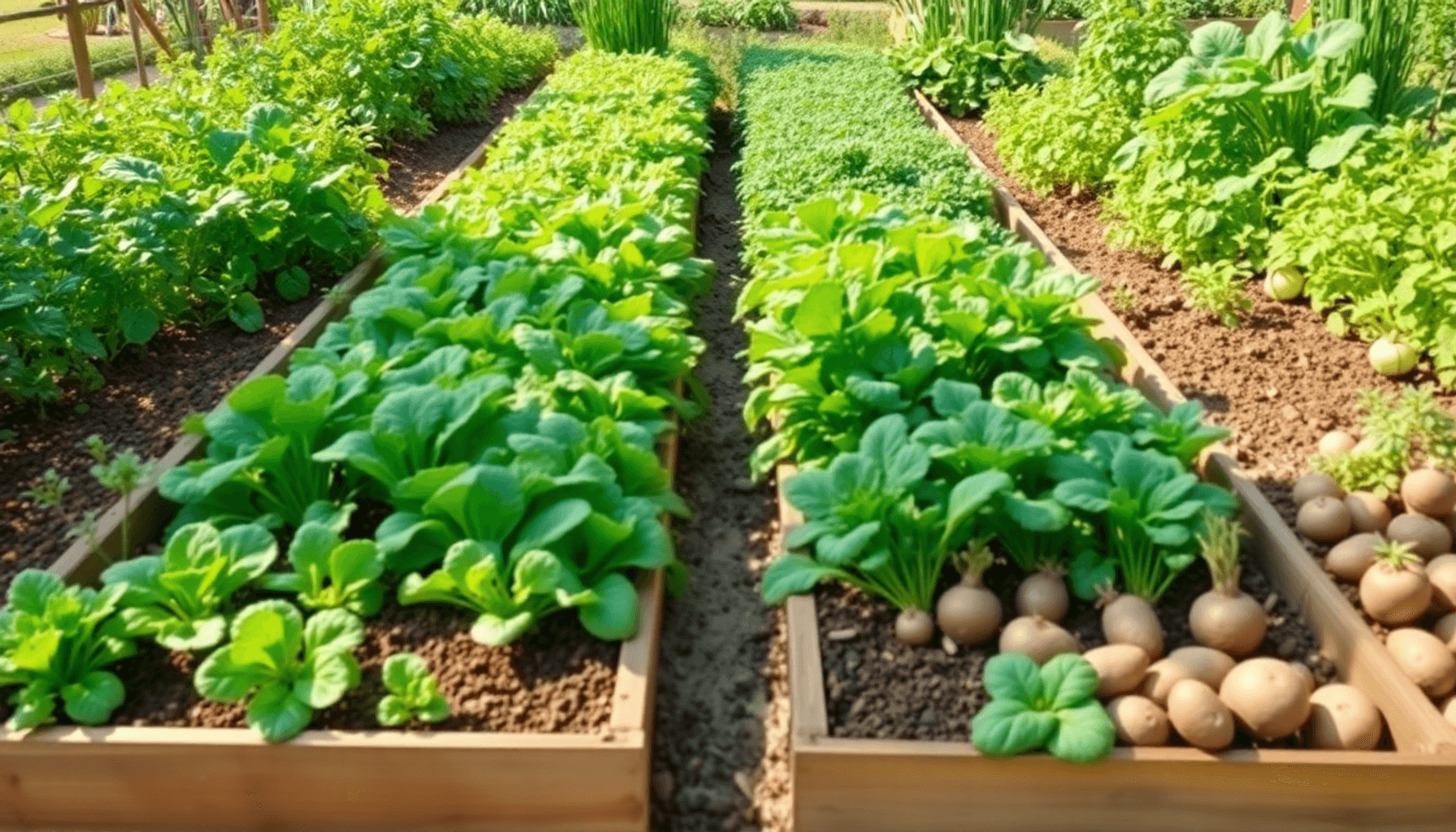

Crop rotation is a fundamental gardening practice that involves changing the types of crops grown in a specific area from season to season. This technique plays a crucial role in maintaining soil health by preventing nutrient depletion, reducing pest and disease buildup, and improving overall garden productivity.
You will often find crop rotation applied in:
- Vegetable gardens
- Allotments
- Kitchen gardens
These settings benefit greatly from systematic planning to keep the soil fertile and vibrant year after year.
This article focuses on the 4-bed crop rotation system, a popular method among gardeners. You will learn how this system works, why it matters, and practical steps to implement it effectively in your own garden. Understanding this approach equips you with a sustainable strategy to boost soil vitality and enhance your harvests consistently.
Understanding the 4-Bed Crop Rotation System
The 4-bed system is a widely used crop rotation method that appeals to many gardeners due to its simplicity and effectiveness. This strategy organizes your growing space into four distinct garden beds or sections. Each bed is dedicated to a specific crop group during a growing season.
Dividing the garden like this helps you plan and manage what goes where, making it easier to follow crop rotation principles without confusion. You avoid planting the same type of crops repeatedly in one area, which can cause soil nutrient depletion and increase vulnerability to pests and diseases.
Here’s how the system works:
- The garden is split into four separate beds.
- Each bed hosts one of four core crop groups during a given year.
- Every year, each group moves to a different bed in a set sequence.
- Over a four-year cycle, each bed will have grown every crop group once.
The key rule: never plant the same crop family twice in the same bed within this cycle. This breaks pest and disease cycles and balances nutrient demands on the soil.
You maintain soil vitality by rotating crops that use different nutrients or even improve soil conditions when grown in succession. The 4-bed system provides structure, helping you plan planting schedules while protecting your garden’s long-term health.
The Four Core Crop Groups in the 4-Bed System
The 4-bed crop rotation system organizes your garden into four distinct crop families. Each group plays a specific role in maintaining soil health and balancing nutrient demands.
1. Legumes
- Examples: peas, beans, lentils
Legumes stand out because of their ability to fix nitrogen in the soil. They form a symbiotic relationship with Rhizobium bacteria in their root nodules, converting atmospheric nitrogen into a form plants can use. This natural enrichment reduces the need for synthetic fertilizers and benefits subsequent crops planted in the same bed. Legumes are generally light feeders but contribute heavily to improving soil fertility.
2. Brassicas
- Examples: cabbage, kale, broccoli, Brussels sprouts
Brassicas are known as heavy feeders requiring rich, fertile soil to thrive. They consume large amounts of nitrogen and other nutrients, so planting them after legumes takes advantage of the nitrogen fixed earlier. These vegetables also tend to leave the soil fairly bare after harvest, which needs attention to prevent erosion or nutrient loss. Brassicas are part of the mustard family and can be prone to similar pests and diseases, making rotation essential.
3. Root Vegetables
- Examples: carrots, parsnips, turnips, beetroot
Root vegetables have unique interactions with soil structure due to their growing habits. Their deep roots help break up compacted layers and improve soil aeration. Unlike brassicas, they require moderate nutrient levels but benefit from well-structured soil enriched by previous crops. Rotating root vegetables through different beds prevents disease buildup that commonly affects root systems, such as clubroot or wireworms.
4. Potatoes and Related Crops
- Examples: potatoes, sweet potatoes, Jerusalem artichokes
This group is important for its role in breaking up soil with tuber growth underground. Potatoes are moderately heavy feeders and benefit from soils replenished by legumes earlier in the rotation cycle. Their cultivation requires careful management since they can leave behind pests like potato cyst nematodes if grown repeatedly in the same spot.
Each crop family’s distinct nutrient needs and effects on soil structure make them perfect candidates for rotation. By cycling these groups through your four beds over multiple years, you balance nutrient extraction with replenishment while disrupting pest and disease cycles tied to specific crop families. This thoughtful sequencing supports healthier plants and better yields without excessive inputs or chemical interventions.
The Rotation Sequence Explained
The rotation sequence is the backbone of the 4-bed crop rotation system. It dictates how you move your crops each year to maintain soil vitality and reduce the risk of pests and diseases. This yearly crop movement ensures no single crop family is planted in the same bed more than once every four years.
A typical four-year planting sequence looks like this:
-
Year 1: Legumes
Peas, beans, and other legumes are planted first because they fix nitrogen in the soil, enriching it for the following crops. -
Year 2: Brassicas
Cabbage, kale, broccoli, and other brassicas follow legumes. These heavy feeders benefit from the nitrogen left behind but also require fertile soil to thrive. -
Year 3: Root Vegetables
Carrots, parsnips, and beetroot come next. Root vegetables help firm the soil and use nutrients differently than leafy or tuber crops. -
Year 4: Potatoes and Related Crops
Potatoes, sweet potatoes, and other tuber crops finish the cycle by breaking up soil structure with their growing habits.
Each year, every bed shifts to a new crop group according to this sequence:
- Bed 1 moves from legumes to brassicas in Year 2, then root vegetables in Year 3, followed by potatoes in Year 4 before returning to legumes.
- Bed 2 starts with brassicas in Year 1 and follows the same cycle shifted by one year.
- Beds 3 and 4 continue this pattern so that all four beds rotate crops systematically.
This crop family rotation prevents continuous planting of the same type of vegetable in one place—a practice that depletes specific nutrients essential for those crops. It also breaks pest cycles since many insects or diseases target particular plant families and struggle to survive when their preferred host is absent for a season or more.
By adhering to this rotation sequence within your garden layout, you support soil recovery while managing pests naturally without heavy reliance on chemicals. This method keeps your kitchen garden productive year after year with minimal intervention needed to maintain soil health.
Benefits of Using Crop Rotation and the 4-Bed System
Crop rotation offers several key advantages that directly impact the health and productivity of your garden. Implementing the 4-bed system provides a structured way to maximize these benefits.
Maintaining and Improving Soil Fertility
- Balanced nutrient use: Different crop groups have varying nutrient demands. For example, brassicas are heavy feeders requiring rich soil, while legumes fix atmospheric nitrogen, enriching the soil naturally. Rotating crops ensures no single nutrient is overused or depleted.
- Soil replenishment: Legumes add nitrogen back into the soil, which benefits crops planted in subsequent years. This natural fertilization reduces reliance on synthetic fertilizers.
- Soil structure enhancement: Root vegetables help firm the soil with their growth patterns, and potatoes break up compacted soil layers. Alternating these crops improves overall soil texture and drainage.
Pest and Disease Control
- Interrupting pest life cycles: Many pests specialize in one crop family. By moving crops to different beds each year, pests lose their preferred host, reducing their population naturally.
- Disease prevention: Diseases often persist in soil where susceptible plants are repeatedly grown. Rotating crop families lowers disease buildup by depriving pathogens of continuous hosts.
Weed Management
- Crop rotation disrupts weed growth patterns by changing planting schedules and crop types, making it harder for specific weeds to dominate.
- Diverse planting helps maintain competitive ground cover that suppresses weed establishment.
Employing the 4-bed system allows you to harness these benefits systematically. Each year’s rotation promotes healthier soil, fewer pests and diseases, and better weed control — all contributing to a more sustainable and productive garden.
Adapting the 4-Bed System for Different Garden Sizes and Styles
Adapting the 4-bed crop rotation system to fit your garden size and style requires flexibility and creativity. Not every garden can accommodate four clearly defined beds, especially smaller spaces or typical allotments where space is limited.
Garden Size Adaptation
- Combine Crop Groups: When space is tight, consider grouping compatible crops together in a single bed rather than keeping all four groups separate. For example, legumes and root vegetables can sometimes share a bed if planned carefully, allowing you to maintain rotation principles without needing four distinct plots.
- Smaller Beds with Intensive Planting: In compact gardens, use smaller beds but apply the rotation sequence over these smaller areas annually. This allows you to rotate crops properly while maximizing space efficiency.
- Container Gardening: If ground space is very restricted, containers or large pots can serve as individual "beds" for certain crop groups, enabling rotation on a micro-scale. No-dig gardening emphasizes minimal soil disturbance, preserving soil structure and microbial life.
Raised Beds and No-Dig Gardening
Raised beds have become popular for their improved drainage, soil quality control, and ease of maintenance. The 4-bed system fits well within raised bed layouts:
- Designate Each Raised Bed: Assign each bed to one crop group per year and rotate them annually just like traditional ground beds.
- Soil Management Advantage: Raised beds allow better control over soil amendments tailored to each crop group's needs during its rotation phase.
No-dig gardening emphasizes minimal soil disturbance, preserving soil structure and microbial life:
- Integrate Crop Rotation Within No-Dig: You can practice the 4-bed system by marking out sections within your no-dig area. Avoid digging when changing crops; instead, use surface mulches and organic matter relevant to the upcoming crop group.
- Maintaining Soil Health: Crop rotation complements no-dig by preventing nutrient depletion and pest buildup without disrupting soil layers.
Both raised beds and no-dig methods benefit from careful record keeping to track which crop group occupies each section annually. This practice ensures that even in diverse garden styles, the advantages of crop rotation remain intact.
Adapting the 4-bed system means prioritizing flexibility while respecting core rotation principles. The goal remains steady: improve soil health, manage pests naturally, and maximize yields no matter your garden's size or style.
Exceptions and Flexibility Within Crop Rotation Practices
Crop rotation thrives on the principle of moving distinct crop families through different beds to maintain soil health. Yet, flexible crop planting allows room for exceptions that suit specific gardening needs without compromising the system’s benefits. Some crops show greater tolerance for repeated planting in the same area, offering gardeners valuable options when space or timing is limited.
Consider these examples:
-
Salad Leaves: Quick-growing salad greens such as lettuce, rocket, and spinach often tolerate being grown successively in the same bed. Their shallow roots and short growing cycles reduce strain on soil nutrients compared to heavier feeders. Still, rotating them with other families—even within a single growing season—helps minimize disease risks like downy mildew or leaf spot.
-
Courgettes (Zucchini): Courgettes are vigorous plants but less prone to certain soil-borne diseases than brassicas or potatoes. They can be grown repeatedly in the same bed for a couple of seasons if necessary. However, shifting courgettes around every year or alternating with unrelated crops aids in preventing pest buildup such as vine weevils.
This flexibility does not undermine the core principles of crop rotation but rather complements them by accommodating practical realities in garden management. Adopting a semi-rotational approach for these tolerant crops means you can:
- Fill gaps between main rotations without exhausting soil nutrients.
- Increase garden productivity by fitting multiple cropping cycles into smaller areas.
- Reduce pressure on space constraints while still disrupting pest and disease life cycles.
The key lies in balancing regular rotation of major crop families—legumes, brassicas, roots, potatoes—with strategic repetition of these more adaptable plants. Tracking your planting history becomes essential here to maintain awareness of which beds have hosted what crops and when.
Understanding what is crop rotation? The 4-bed system explained involves recognizing that flexibility within structured planning boosts both soil health and gardening success. Adapting rotation practices thoughtfully ensures you can enjoy diverse harvests from your plot without sacrificing the long-term vitality of your soil ecosystem.
Implementing the 4-Bed Crop Rotation System Successfully
You can significantly improve your garden’s health and productivity by implementing crop rotation, especially using the 4-bed system. This method fits naturally into sustainable gardening practices because it balances soil nutrients and disrupts pest cycles.
Key steps for successful implementation:
-
Plan ahead: Before planting, draw a simple map of your garden beds and label each with the crop group assigned for that year. This visual guide helps you keep track over the four-year cycle.
-
Record keeping: Maintain a garden journal or spreadsheet documenting what you plant in each bed annually. This practice prevents accidental repetition of the same crop family in a single bed, which can degrade soil quality.
-
Start small if needed: If you’re new to crop rotation, begin with fewer beds or smaller areas. As you become comfortable tracking rotations, expand your system gradually.
-
Adjust based on observations: Soil conditions and pest pressures vary by location. Monitor how your plants perform and adapt your rotation sequence or bed assignments accordingly.
-
Combine with other soil care methods: Use composting, mulching, and organic fertilization along with rotation to enhance soil fertility further.
“Implementing crop rotation is not just about switching crops — it’s about understanding your garden’s ecosystem and working with it to create balance.”
Adopting the 4-bed system requires commitment but rewards you with healthier soil, fewer pests, and better yields. You’ll gain confidence as you see how planned rotation supports vibrant growth season after season.
This approach provides a practical framework that fits various garden sizes and styles. Start planning your rotation today to experience these benefits firsthand.
FAQs (Frequently Asked Questions)
What is crop rotation and why is it important for maintaining soil health in gardening?
Crop rotation is a gardening practice where different crop families are planted sequentially in designated garden beds over a set period, such as the 4-bed system. It helps maintain soil health by preventing nutrient depletion, reducing pest and disease buildup, and improving soil fertility.
How does the 4-bed crop rotation system work?
The 4-bed system divides the garden into four separate beds, each assigned to one of four core crop groups: legumes, brassicas, root vegetables, and potatoes. Each year, these crop groups rotate to a new bed in a four-year cycle, ensuring that the same crop family isn't planted repeatedly in one bed.
What are the four core crop groups used in the 4-bed system and their benefits?
The four core groups are legumes (e.g., peas, beans) which fix nitrogen in the soil; brassicas (e.g., cabbage, kale) which have specific nutrient needs; root vegetables (e.g., carrots, parsnips); and potatoes with related crops. Each group contributes uniquely to soil health and nutrient management.
What is the typical rotation sequence for crops in the 4-bed system?
A common four-year rotation sequence is: Year 1 - Legumes; Year 2 - Brassicas; Year 3 - Root vegetables; Year 4 - Potatoes and related crops. This yearly movement of crops among beds prevents nutrient depletion and controls pest buildup.
What are the benefits of using crop rotation and specifically the 4-bed system?
Crop rotation maintains or improves soil fertility by balancing nutrient use and replenishment. It also helps control pests and diseases by interrupting their life cycles through rotating different plant families across beds. Additionally, it aids weed management and promotes sustainable gardening practices.
How can gardeners adapt the 4-bed system for different garden sizes or styles?
For smaller gardens or allotments where maintaining four distinct beds is challenging, gardeners can combine compatible crop groups within fewer beds. Raised beds or no-dig gardening methods can also be used effectively while still implementing proper rotation practices within those systems.