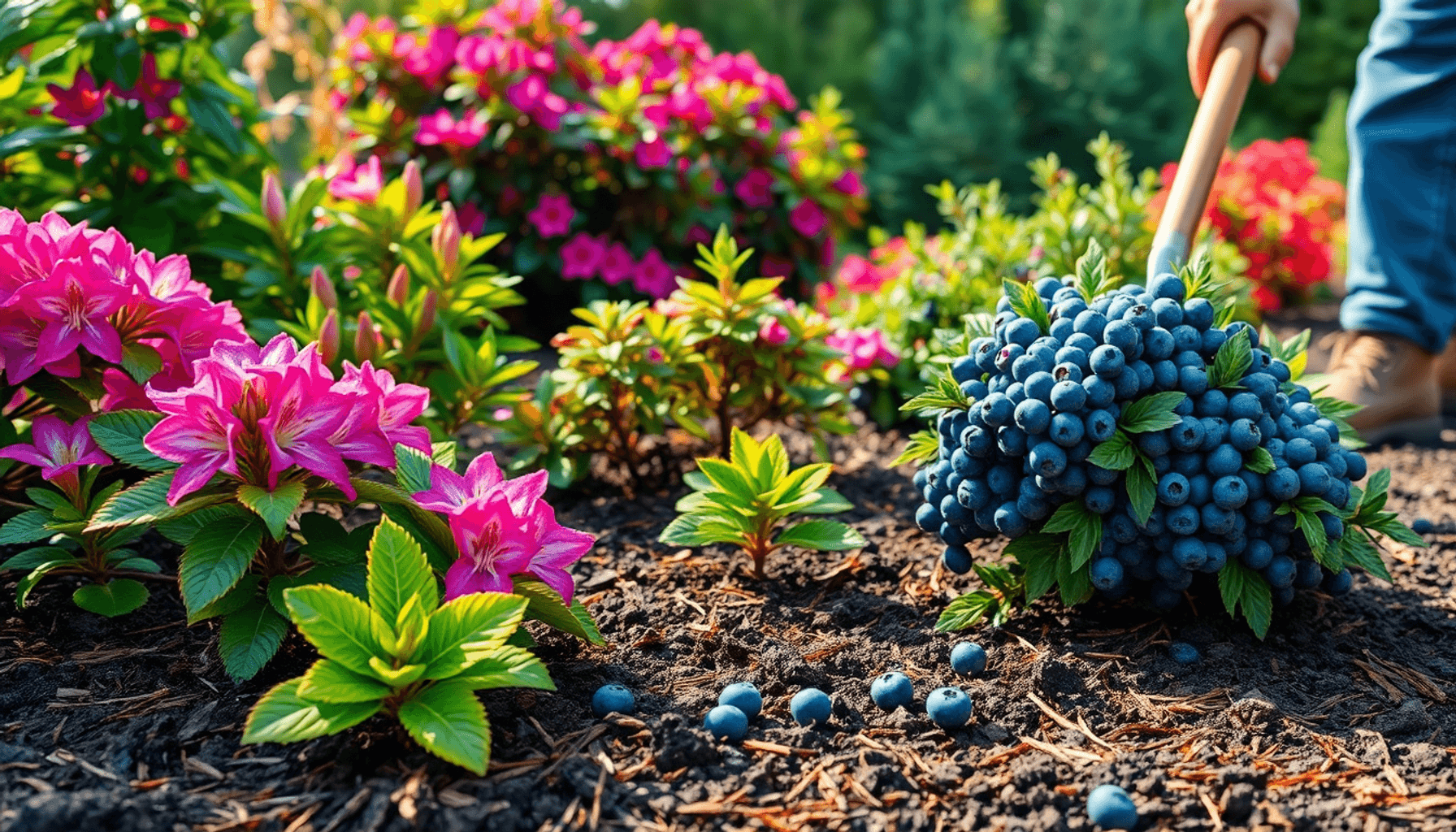

Ericaceous compost is a specialized growing medium designed specifically for acid-loving plants, often called lime-hating plants. These plants struggle to thrive in alkaline soils because their roots cannot absorb nutrients effectively when the pH is too high. Ericaceous compost provides an acidic environment that supports healthy growth and vibrant foliage.
You will find ericaceous compost indispensable if you grow plants like rhododendrons, azaleas, camellias, or blueberries. Using the right compost can prevent common problems such as yellowing leaves and poor development caused by unsuitable soil conditions.
Key takeaway: Understanding what is ericaceous compost and learning when and how to use it empowers you to cultivate a thriving garden filled with beautiful acid-loving plants that flourish in their preferred acidic soil environment.
Understanding Ericaceous Compost
Ericaceous compost is a specialized acidic compost formulated to support the unique needs of acid-loving plants. Its defining characteristic is an acidic soil pH ranging between 4.5 and 6.0, which closely matches the preferred environment of lime-hating plants. This acidity level creates optimal conditions for nutrient availability and uptake.
Composition and Characteristics
Ericaceous compost is typically made from organic materials such as decomposed bark, leaf mould, and sometimes peat alternatives. It is designed to maintain stable acidity without becoming overly compacted, ensuring good aeration and moisture retention. Additionally, ericaceous compost is often enriched with slow-release feeds tailored to acid-loving plants, providing essential nutrients over time. Some varieties are peat-free, catering to environmentally conscious gardeners while still maintaining acidity.
Why Acidity Matters
The acidic nature of ericaceous compost plays a critical role in how acid-loving plants absorb nutrients:
- Enhanced nutrient absorption: Many vital nutrients like iron, manganese, and phosphorus become more soluble in acidic soils, making them readily available to roots.
- Prevention of lime-induced chlorosis: In alkaline or lime-rich soils, iron becomes insoluble and unavailable. This deficiency leads to yellowing leaves (chlorosis) and poor plant growth.
“Lime-induced chlorosis is a common issue when acid-loving plants are grown in unsuitable alkaline soils.”
By using ericaceous compost, you create an environment that mimics these plants’ natural habitats. This acidic compost ensures that they can access the nutrients they need without stress or deficiency symptoms.
Choosing the right soil amendment based on pH is crucial since planting acid-loving species directly into neutral or alkaline soil leads to poor performance. Ericaceous compost adjusts the root zone pH effectively, giving these sensitive plants the best chance at thriving.
Acid-Loving Plants That Thrive with Ericaceous Compost
Ericaceous compost caters specifically to plants that demand acidic soil conditions to flourish. These plants struggle in alkaline soils because essential nutrients become less available, leading to poor growth and discoloration. Here are some common acid-loving plants that benefit greatly from ericaceous compost:
1. Rhododendrons
Known for their large, spectacular flowers, rhododendrons require acidic soils to absorb iron and other micronutrients efficiently. Without the right pH, they develop yellowing leaves (chlorosis) due to nutrient deficiencies.
2. Azaleas
Close relatives of rhododendrons, azaleas thrive in the same acidic environments. Their vibrant blooms depend on sufficient nutrient uptake in low pH soils.
3. Camellias
Valued for their glossy evergreen foliage and winter blooms, camellias need acidic soil to maintain healthy leaf color and produce abundant flowers.
4. Heathers
Heathers prefer well-drained, acidic soils where they can spread healthily. Neutral or alkaline pH can stunt their growth and reduce flowering.
5. Blueberries
Blueberries are particularly sensitive to soil pH; they often require a very acid environment (pH below 5.5). This acidity ensures proper nitrogen uptake and prevents iron chlorosis.
6. Japanese Maples
These ornamental trees exhibit best foliage color and leaf health when grown in slightly acidic soils. Alkaline conditions can cause leaf edge burn and reduced vitality.
These plants share a common trait: an intolerance for lime-rich or alkaline soils that lock up vital nutrients such as iron, manganese, and magnesium. The acidic environment created by ericaceous compost keeps these nutrients soluble and accessible at the root zone. This enables strong root development and vibrant foliage colors characteristic of healthy acid-loving species.
Using ericaceous compost ensures these plants do not suffer from nutrient stress caused by unsuitable soil chemistry. It creates a tailored growing medium that aligns perfectly with their natural preferences, supporting robust growth and sustained flowering or fruiting performance.
When to Use Ericaceous Compost in Your Garden
Ericaceous compost becomes essential in certain gardening situations where soil conditions or plant requirements demand an acidic environment. Recognizing these scenarios helps you decide when to incorporate this specialized compost.
Situations calling for ericaceous compost:
-
Alkaline native soils: Many garden soils naturally lean towards alkalinity, with pH levels above 7. This can cause nutrient deficiencies for acid-loving plants, leading to poor growth and yellowing leaves, known as lime-induced chlorosis. Using ericaceous compost amends the root zone by lowering pH and making nutrients more available.
-
Container gardening: Pots and containers often contain limited soil volume, which can quickly become alkaline if unsuitable compost is used. Ericaceous compost maintains the right acidity balance in containers, giving acid-loving plants a better chance to thrive.
-
Raised beds or garden areas with neutral or alkaline soils: When planting acidophilic shrubs or trees in garden beds where soil pH is not ideal, mixing ericaceous compost into the planting hole or bed helps create a localized acidic zone.
Testing your soil’s pH is critical before adding ericaceous compost. Without testing, you might apply it unnecessarily or fail to address underlying soil problems effectively.
Soil pH testing tips:
- Use a simple home testing kit or send samples to a local extension service for accurate readings.
- Test multiple spots across your garden for consistency.
- Target a soil pH of 4.5 to 6.0 for most acid-loving plants; if your soil is already within this range, ericaceous compost may not be required.
Understanding your soil’s acidity level guides strategic use of ericaceous compost rather than relying on guesswork. Proper application ensures that acid-loving plants receive optimal growing conditions without risking nutrient imbalances from overly acidic or alkaline environments.
This knowledge supports purposeful gardening decisions about when and how to use ericaceous compost effectively.
How to Effectively Use Ericaceous Compost for Acid-Loving Plants
Using ericaceous compost correctly is essential for planting shrubs like rhododendrons, azaleas, and camellias, whether in pots or garden beds. The right approach ensures these acid-loving plants develop strong root systems and thrive in their environment.
Step-by-Step Guide for Planting Acid-Loving Shrubs
1. Prepare the Planting Site or Pot
- For garden beds, dig a hole at least twice the size of the shrub’s root ball.
- If using pots, select containers with drainage holes to prevent waterlogging.
2. Mix the Soil
- Combine native soil with ericaceous compost in a ratio of about 1:2 (one part soil to two parts ericaceous compost). This blend offers an acidic environment while maintaining structure and nutrients.
- When working exclusively in pots or raised beds with poor native soil, use ericaceous compost as the primary potting mix.
3. Check Drainage
- Good drainage is crucial to avoid root rot. Add coarse grit or horticultural sand to the compost mix if it feels too dense or retains too much moisture.
- Layer the bottom of pots with broken pottery shards or small gravel before adding potting mix to enhance drainage.
4. Planting the Shrub
- Position the shrub so the top of its root ball is level with the surface of your compost mix. Avoid planting too deep, which can suffocate roots.
- Gently backfill around roots using your prepared ericaceous compost blend, firming lightly without compacting.
5. Watering After Planting
- Water thoroughly immediately after planting to settle the compost around roots and eliminate air pockets.
- Maintain consistent moisture but avoid waterlogging by ensuring excess water drains away.
Benefits of Peat-Free Ericaceous Compost
- Peat-free versions support sustainable gardening practices by reducing environmental impact associated with peat extraction.
- These alternatives often contain bark fines, coir, or wood fibre that improve aeration and moisture retention.
- Peat-free composts tend to break down more slowly, offering longer-lasting soil structure benefits.
- They pair well with acid-loving plants' needs while promoting healthy microbial activity in the root zone.
Incorporating Drainage Techniques
Drainage plays a pivotal role when using ericaceous compost in containers and garden beds:
- Raised beds can be lined with geotextile fabric beneath compost layers to prevent soil mixing and improve drainage control.
- Installing drip irrigation systems helps maintain even moisture levels without oversaturating roots.
- Mulching with pine needles or bark chips preserves soil acidity and further enhances moisture retention while minimizing weed growth.
Using these techniques ensures that your acid-loving plants receive an ideal balance of moisture and oxygen at their roots, supporting vigorous growth within an acidic environment provided by ericaceous compost blends created specifically for them.
Feeding and Watering Strategies for Acid-Loving Plants in Ericaceous Compost
Proper nutrient management is crucial when growing acid-loving plants in ericaceous compost. These plants thrive in acidic conditions, but they still require a balanced supply of nutrients to support healthy growth and vibrant foliage.
Slow-Release Feed
Ericaceous compost often contains a built-in slow-release feed that provides nutrients gradually over a period of around three months. This slow-release formula ensures:
- A steady supply of essential nutrients like nitrogen, phosphorus, and potassium.
- Reduced risk of nutrient burn compared to fast-acting fertilizers.
- Less frequent feeding, which suits busy gardeners or those growing plants in containers.
After the slow-release period ends, supplementing with additional feed can maintain nutrient levels and promote sustained growth.
Liquid Plant Food
Using liquid plant food is an effective way to provide quick-access nutrients during the growing season. Benefits include:
- Immediate nutrient availability for rapid uptake by roots.
- Easy application through watering cans or sprays.
- Customizable feeding schedules based on plant needs and growth stages.
Select liquid feeds specifically formulated for acid-loving plants or container-grown shrubs. These usually have a balanced ratio of nutrients and sometimes include micronutrients like iron and magnesium, which are vital for preventing deficiencies common in alkaline soils.
Watering Practices
Watering acid-loving plants in ericaceous compost requires attention to moisture levels as well as water quality:
- Keep the compost consistently moist but not waterlogged. Good drainage prevents root rot while maintaining hydration.
- Use rainwater or soft water when possible because hard water can increase soil alkalinity over time.
- Avoid letting the compost dry out completely, especially during warmer months when plants actively grow.
Regular watering combined with appropriate feeding creates an ideal environment for acid-loving plants to flourish in ericaceous compost.
Summary of Key Tips
- Rely on the slow-release feed included in high-quality ericaceous compost for initial nutrition.
- Supplement with acid-specific liquid plant foods every few weeks during active growth.
- Maintain consistent moisture without oversaturating the roots.
- Use soft or rainwater to preserve soil acidity and prevent lime buildup.
Following these feeding and watering strategies supports strong root development, vibrant leaves, and abundant flowering in your acid-loving garden selections.
Selecting the Right Ericaceous Compost for Your Garden Needs
Choosing the right ericaceous compost is essential for the health and growth of acid-loving plants. Not all composts labeled "ericaceous" offer the same quality or suitability for your garden’s specific needs.
Where to Buy Ericaceous Compost
- Garden centers are the most accessible sources. They usually stock a range of ericaceous composts tailored to common acid-loving plants like rhododendrons, azaleas, and blueberries.
- Specialist nurseries or online suppliers often provide premium options that might not be available locally.
- Check product labels carefully to ensure the compost matches your plant type and soil conditions.
Types of Ericaceous Compost
- Loam-based compost is popular because it closely mimics natural soil conditions, providing good structure and drainage while maintaining acidity. This type is especially beneficial in garden beds where you want a more natural growing medium.
- Peat-free ericaceous compost alternatives are increasing in availability due to environmental concerns. These use sustainable materials but still maintain an acidic pH suitable for lime-hating plants.
- Some blends include slow-release fertilizers that feed plants gradually, reducing the need for frequent feeding.
Matching Compost to Plant Needs
- Acid-loving shrubs like rhododendrons and camellias thrive in well-draining, moisture-retentive loam-based ericaceous compost.
- For container-grown blueberries or heathers, lightweight peat-free mixes can improve aeration and make watering easier.
- If your native soil is strongly alkaline, a heavier application of ericaceous compost may be necessary to adjust pH effectively.
When selecting ericaceous compost, check if it matches these criteria:
- pH range between 4.5 and 6.0
- Good drainage properties without drying out too quickly
- Inclusion of organic matter that supports root health
- Absence of lime or chalk which can neutralize acidity
By choosing the right ericaceous compost from trusted garden centers or specialized suppliers, you're giving acid-loving plants their best chance to flourish in your garden environment. It's important to understand the types of compost available and how they can benefit your specific plant needs.
Maintaining Soil Acidity for Long-Term Plant Health with Ericaceous Compost
Maintaining the acidic environment required by ericaceous plants extends beyond the initial planting stage. The soil’s pH can gradually shift due to natural processes, watering practices, and nutrient uptake by plants. To preserve the right conditions, gardeners must actively manage soil acidity using specific techniques and products.
Mulching to Preserve Acidity
Mulches play a crucial role in supporting acidic soil conditions around acid-loving plants. Organic mulches that naturally have an acidic pH help maintain the root zone environment. Recommended mulching materials include:
- Pine needles: These decompose slowly and release organic acids, reinforcing soil acidity.
- Bark chips from conifers: They create a protective layer that reduces pH fluctuations.
- Wood shavings or sawdust: Use carefully as these can tie up nitrogen temporarily; supplement with fertilizer if needed.
Applying a 2–3 inch layer of mulch not only helps retain moisture and regulate soil temperature but also gradually acidifies the soil as it breaks down. Refresh mulching annually to sustain these effects.
Soil Amendments for Acidification
When natural mulches alone aren’t enough to maintain desired acidity levels, targeted soil amendments provide a reliable solution. Common amendments include:
- Elemental sulfur: Converts to sulfuric acid through microbial action, lowering pH effectively over time.
- Iron sulfate: Works faster than elemental sulfur but should be applied cautiously to avoid toxicity.
- Peat moss: Adds organic matter with an acidic nature; mixing it into the topsoil improves structure and acidity simultaneously.
- Composted pine bark: Offers both acidity and improved drainage.
Apply these amendments following manufacturer recommendations or soil test results. Over-application risks harming plants or disrupting soil biology, so moderation is key.
Regular Soil Testing
Frequent monitoring of soil pH ensures early detection of shifts away from ideal acidity ranges. Test kits are affordable and straightforward, allowing you to check:
- Before major seasonal changes.
- After applying fertilizers or amendments.
- When plants show signs of distress like yellowing leaves (chlorosis).
Adjust management practices accordingly based on test outcomes.
Watering Considerations
Water quality influences soil pH significantly. Hard water high in calcium carbonate raises alkalinity, counteracting efforts to maintain acidity. Where possible:
- Use rainwater or distilled water for acid-loving plants.
- Avoid excessive watering that can leach nutrients and disrupt microbial communities essential for maintaining acidic conditions.
Adopting these watering habits complements the use of ericaceous compost and amendments in sustaining healthy root environments.
Maintaining soil acidity demands consistent care but rewards you with vibrant growth and lush foliage in your acid-loving garden plants.
Conclusion
Gardening with acid-loving plants requires careful attention to soil conditions, and ericaceous compost is your secret weapon. By understanding what ericaceous compost is, its benefits, and how to use it properly, you can create an environment where these plants thrive—something that regular garden soils often struggle to provide.
Here are some key takeaways:
- Ericaceous compost benefits: It maintains the crucial acidic environment that acid-loving plants need for nutrient absorption.
- Prevention of common issues: Using this specialized compost stops problems like lime-induced chlorosis in their tracks, allowing your plants to grow strong and vibrant.
- Versatile application: Whether you're using pots, raised beds, or mulching techniques, applying ericaceous compost correctly will cater to the specific needs of species such as rhododendrons, azaleas, camellias, and blueberries.
By incorporating ericaceous compost into your gardening routine, you're adopting a reliable solution for dealing with difficult soil pH levels. This approach not only supports the growth of healthy acid-loving plants but also brings satisfaction as you witness the fruits (and flowers) of your labor season after season.
FAQs (Frequently Asked Questions)
What is ericaceous compost and why is it important for acid-loving plants?
Ericaceous compost is a type of acidic compost with a pH range of 4.5 to 6.0, specially formulated to support acid-loving or lime-hating plants. It helps these plants absorb nutrients effectively, preventing issues like lime-induced chlorosis common in alkaline soils.
Which plants benefit the most from using ericaceous compost?
Common acid-loving plants that thrive with ericaceous compost include rhododendrons, azaleas, camellias, heathers, blueberries, and Japanese maples. These plants require acidic soil environments to grow healthily and flourish.
When should I use ericaceous compost in my garden?
Ericaceous compost is particularly beneficial when your native soil is alkaline or when container gardening acid-loving plants. It's important to test your soil's pH before use to ensure it needs acidity adjustment for optimal plant growth.
How do I effectively use ericaceous compost for planting acid-loving shrubs?
Use ericaceous compost as part of your potting mix or garden bed soil when planting acid-loving shrubs. Ensure good drainage and consider peat-free varieties for environmental benefits. Incorporate the compost thoroughly around the root zone for best results.
What are the best feeding and watering practices for plants grown in ericaceous compost?
For acid-loving plants in ericaceous compost, use slow-release fertilizers or suitable liquid plant foods formulated for acidic soils. Maintain consistent moisture without waterlogging to support nutrient uptake and healthy growth.
How can I maintain soil acidity over time after planting with ericaceous compost?
To sustain acidic conditions long-term, apply mulches and soil amendments designed to preserve low pH levels around acid-loving plants. Regular monitoring and reapplication help ensure continued plant health and vibrant growth.