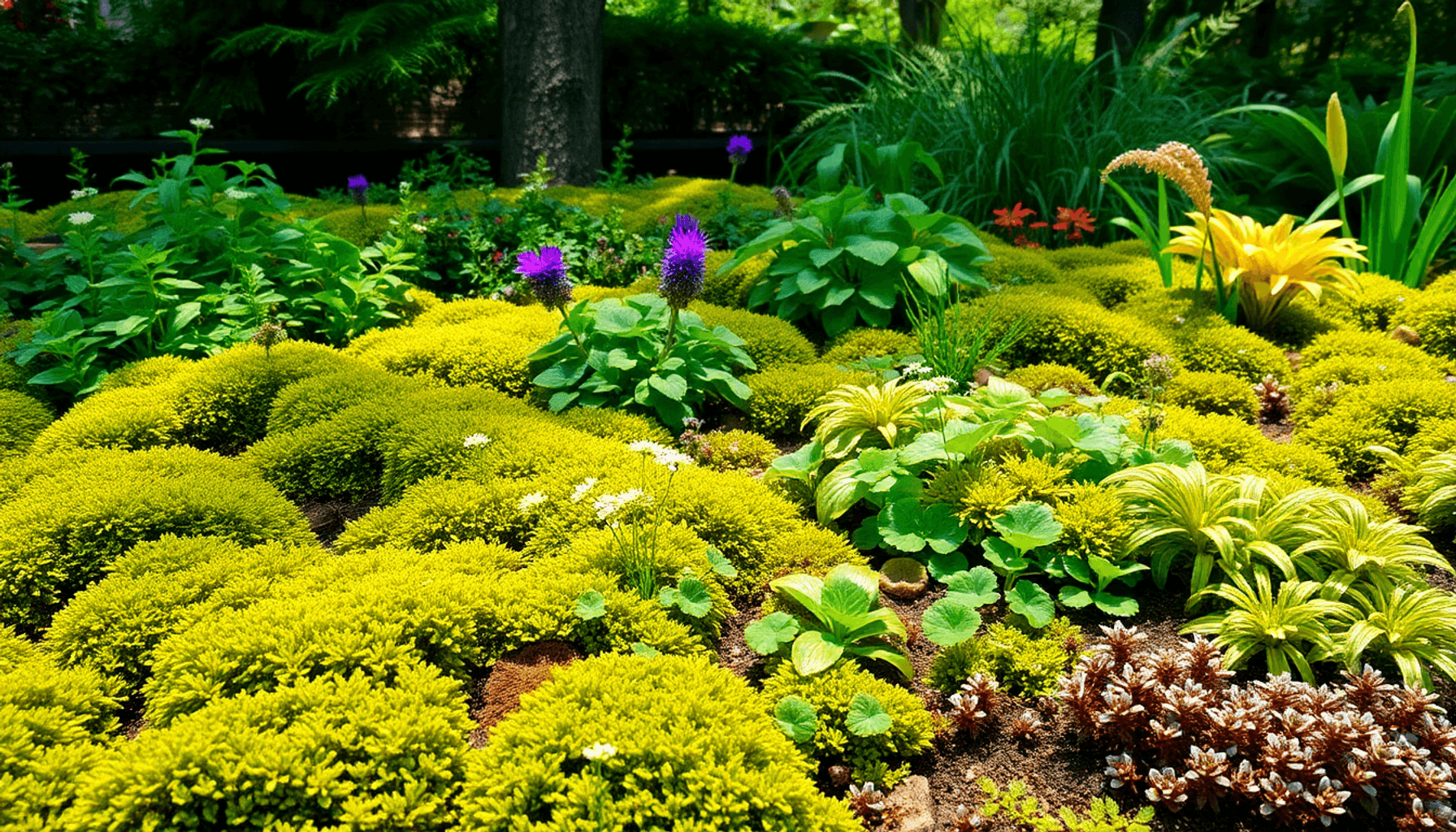

When you think about your garden in the UK, the traditional image often involves a lush green grass lawn. However, alternatives to a lawn UK are growing in popularity as more gardeners seek practical and sustainable solutions. Replacing conventional grass with innovative ground cover ideas UK offers benefits that extend beyond appearance.
Consider these key advantages of choosing lawn alternatives:
- Lower maintenance: Many ground covers require less watering, mowing, and fertilising compared to traditional lawns.
- Environmental benefits: Alternatives can improve biodiversity, reduce water consumption, and support pollinators.
- Aesthetic variety: Ground covers provide diverse textures, colours, and scents that transform your outdoor space into something unique.
Gardens vary widely across the UK — from sunny patios to shaded woodland corners, from small urban plots to sprawling rural grounds. Foot traffic is another crucial factor; some surfaces must endure children playing or pets running around, while others are purely decorative.
Choosing the right ground cover means balancing these conditions with your lifestyle and garden goals. This guide explores a range of options tailored for different light exposures and use-cases, helping you find suitable and inspiring lawn alternatives.
Why Consider Alternatives to Traditional Lawns?
Traditional grass lawns in the UK come with significant challenges, especially when it comes to lawn maintenance UK. High upkeep demands include frequent mowing, watering, and fertilizing. Grass often requires regular irrigation during dry spells, increasing water consumption and associated costs. Maintaining a pristine lawn can become time-consuming and resource-intensive, particularly for larger gardens or those exposed to harsher weather conditions.
Environmental Concerns
Environmental concerns play a major role in shifting towards alternative ground covers. Conventional lawns tend to contribute to biodiversity loss because of monoculture planting and heavy use of chemical treatments such as pesticides and synthetic fertilizers. These practices impact soil health and local ecosystems negatively. Choosing environmental benefits lawn alternatives supports sustainable gardening UK initiatives by:
- Reducing water usage significantly.
- Minimizing or eliminating the need for chemical inputs.
- Providing habitats and food sources for pollinators and other wildlife.
- Enhancing soil structure through diverse root systems.
Adaptability to Climate
Lawn alternatives are well-suited to the UK's variable climate, which includes wet winters and dry summers. Many ground cover plants tolerate shade better than traditional grass or thrive with less water once established. This adaptability makes them practical for gardens ranging from small urban plots to large rural spaces.
Benefits for Different Garden Sizes
Smaller gardens benefit from low-growing, visually appealing plants that require minimal maintenance yet create an inviting outdoor space. Larger gardens gain from options like wildflower meadows or nitrogen-fixing species that improve soil fertility naturally while supporting biodiversity.
Alignment with Sustainable Gardening Principles
Choosing alternatives aligns with principles of sustainable gardening UK, reducing environmental footprints without sacrificing garden aesthetics or usability. These options accommodate different garden sizes, soil types, light exposure levels, and foot traffic patterns — factors crucial in selecting the right ground cover plants for your unique space.
Factors to Consider When Choosing Ground Covers
Selecting the right ground cover for your UK garden involves a clear understanding of your specific site conditions and how they interact with plant needs. Ground cover selection UK should always begin with an assessment of these core factors:
1. Sunlight Exposure
Different plants thrive under varying light conditions. Identify areas in your garden that receive full sun, partial shade, or full shade. For example, creeping thyme flourishes in sunny, well-drained soils, while moss or soleirolia prefer shaded, moist spots. Knowing the sunlight requirements plants UK vary in helps prevent planting failures and ensures healthy growth.
2. Soil Drainage and Type
Well-drained soils suit many aromatic herbs like chamomile and creeping thyme. Conversely, moisture-retentive soils support species like golden creeping Jenny or mosses. Testing your soil’s drainage capabilities informs which ground covers will establish successfully without root rot or water stress.
3. Foot Traffic
Foot traffic is another critical factor influencing plant choice. Gardens used frequently by children or as pathways require foot traffic tolerance ground covers. Some species withstand regular trampling better than others:
- High Foot Traffic: Clover can tolerate moderate foot traffic and remains green during dry spells, making it suitable for informal play areas. Creeping thyme also endures light foot traffic but is less durable under heavy use.
- Low Foot Traffic Areas: Delicate plants such as Corsican mint and dwarf mondo grass are better reserved for ornamental zones where foot traffic is minimal to avoid damage.
4. Maintenance Requirements
Maintenance requirements vary significantly between ground covers and should align with how much time and effort you can commit:
- Low-maintenance options like wildflower meadows reduce mowing frequency and support biodiversity by attracting pollinators.
- Some vigorous spreaders like mind-your-own-business demand regular control to prevent them from overtaking other plants.
5. Ecological Benefits
Consider ecological benefits when choosing ground covers:
- Nitrogen-fixing plants like clover improve soil fertility naturally, reducing the need for artificial fertilizers.
- Pollinator-friendly species enhance local biodiversity, supporting bees and other beneficial insects vital to garden health.
Understanding these factors ensures you select a ground cover that not only suits your garden’s physical conditions but also fits your lifestyle and environmental values. This approach leads to sustainable, attractive alternatives that outperform traditional lawns in many UK settings.
1. Low-Maintenance Aromatic Ground Covers
Exploring aromatic lawn alternatives offers a sensory dimension to your garden while reducing upkeep. These plants not only provide visual appeal but also release pleasant scents that enhance outdoor spaces. They suit gardeners seeking low-maintenance plants UK that thrive in sunlit, well-drained areas.
Chamomile (Chamaemelum nobile ‘Treneague’)
- Forms a soft, dense carpet perfect for creating an inviting ground cover.
- Easy to grow from seed, making it accessible for both novice and experienced gardeners.
- Thrives best in sunny, well-drained locations typical of many UK gardens.
- Limited tolerance to heavy foot traffic means it works better in quieter garden sections or where gentle strolling occurs.
- Performs poorly in shaded or damp spots, requiring good light exposure and drainage.
Chamomile's delicate white flowers add charm and its low-growing habit delivers a natural, informal look. Its subtle apple-like fragrance qualifies it as an excellent chamomile ground cover UK option for those wanting an aromatic touch without demanding care.
Creeping Thyme (Thymus serpyllum)
- A fragrant herb that adapts well to sunny, free-draining soils common across the UK.
- Requires minimal pruning to maintain its compact shape and encourages continuous flowering.
- Tolerates light foot traffic, suitable for pathways or patios where occasional stepping occurs.
- Does not withstand heavy use; high traffic can damage its tender foliage and reduce longevity.
Creeping thyme is prized for its robustness combined with aromatic qualities. Bees are attracted to its tiny purple blooms, supporting garden biodiversity while offering a practical aromatic lawn alternative.
Corsican Mint (Mentha requienii)
- A very low-growing plant emitting a strong mint scent when crushed underfoot.
- Performs well in full sun or partial shade, providing versatility for different garden microclimates.
- Spreads rapidly and can become invasive if left unchecked, so containment measures like edging or pots are advisable.
- Prefers moist but well-drained soil conditions.
Corsican mint's vibrant green leaves create a lush carpet with a refreshing aroma. Its vigorous growth makes it ideal for small patches where containment is manageable, contributing to diverse Alternatives to a Lawn UK: Ground Cover Ideas that combine fragrance and visual softness.
These three aromatic ground covers balance ease of care with sensory benefits. Choosing between chamomile’s delicate carpet, creeping thyme’s hardy fragrance, or the bold scent of Corsican mint depends on your garden’s sunlight exposure, foot traffic patterns, and desire for scent intensity.
2. Ground Covers Suitable for Shady Areas
Gardens with limited sunlight require shade tolerant ground cover options that thrive where traditional grass struggles. These plants adapt well to low light and often damp conditions, providing an attractive alternative to conventional lawns.
Moss: The Ultimate Moss Lawn Alternative UK
Moss is a natural choice for shaded areas in the UK where grass often fails to establish. It forms a lush, dense carpet that requires minimal mowing or pruning. Moss absorbs moisture effectively and thrives in cool, damp environments, making it ideal under trees or on north-facing slopes.
Moss planting tips
- Prepare a smooth, compacted surface free of leaves and debris before laying plugs or transplanting moss sheets.
- Maintain moisture through misting or shade until the moss firmly anchors.
Establishment
Use moss plugs spaced several inches apart to encourage quick coverage. Keep the soil consistently moist during the establishment phase to promote healthy growth.
Maintenance
Regular watering helps maintain a vibrant moss lawn. Avoid heavy foot traffic as this can damage the delicate structures.
Benefits
Moss lawns are drought-tolerant once established and do not require fertilisers or pesticides. They create a soft, peaceful texture and support biodiversity by providing habitat for small insects.
Mind-your-own-business (Soleirolia soleirolii)
Known for forming a dense mat of tiny leaves, this ground cover excels in moist, shaded courtyards and gardens. It tolerates both sun and shade but performs best out of direct sunlight.
- Rapid spreading nature quickly covers soil, suppressing weeds and reducing erosion.
- Prefers consistently moist soil; avoid drying out between waterings.
- Can become invasive if unchecked, so containment measures like edging may be necessary in smaller spaces.
Its fine texture contrasts well with larger foliage plants and brings vibrant green color to darker garden corners.
Dwarf Mondo Grass (Ophiopogon planiscapus ‘Minor’)
Dwarf Mondo Grass adds unique visual interest with its narrow, dark green leaves that can appear almost black in some lights. It grows well in both sun and shade but should be reserved for areas with light foot traffic due to its delicate nature.
- Creates low clumps resembling grass tufts with a slight glossy sheen.
- Tolerates some drought once established but prefers moist, well-drained soil.
- Requires little care beyond occasional trimming of dead leaves.
This plant suits edging paths or filling narrow gaps where traditional turf would struggle.
Shade-tolerant ground covers such as moss, Soleirolia soleirolii, and dwarf mondo grass provide versatile solutions for those seeking alternatives to grass lawns in shaded UK gardens. Each offers distinct textures and ecological benefits while accommodating varying moisture levels and foot traffic tolerance.
3. Nitrogen-Fixing and Pollinator-Friendly Options
Choosing a clover lawn alternative UK brings several benefits beyond just ground coverage. Clover (Trifolium repens) acts as a natural nitrogen-fixing ground cover that enriches the soil, reducing the need for synthetic fertilizers. This capability supports healthier soil ecosystems, which is crucial for sustainable gardening.
Benefits of Clover Lawns
- Pollinator friendly plants UK like clover attract bees and other beneficial insects, boosting local biodiversity. This creates a thriving environment for pollinators essential to gardens and wider ecosystems.
- Clover maintains its green appearance during dry spells, offering a resilient option when traditional lawns might brown.
- It tolerates moderate foot traffic well, making it suitable for family gardens and casual outdoor spaces.
- Caution is advised if you have young children playing barefoot, as the bee attraction could pose a risk.
Creating wildflower meadows with mown paths offers an alternative that combines aesthetic appeal with ecological advantages. These meadows provide:
- A diverse habitat supporting various pollinators, butterflies, and birds.
- Visual interest through a mix of colours and textures that change throughout the seasons.
- Mown paths allow easy access without disturbing the delicate flowers and grasses.
- Lower maintenance requirements compared to traditional lawns, as wildflower areas generally do not need regular mowing or fertilizing.
Both clover lawns and wildflower meadows promote biodiversity while requiring less upkeep than standard grass lawns. They fit well in gardens aiming to be more environmentally responsible while adding unique character to outdoor spaces.
4. Vibrant and Textured Ground Cover Plants
Choosing vibrant and textured ground covers can transform your garden into a visually appealing space while providing practical benefits like drought tolerance and easy maintenance. These plants suit various conditions found in UK gardens and offer unique textures that stand out from traditional lawns.
Golden Creeping Jenny (Lysimachia nummularia ‘Aurea’)
- Vibrant ground cover for damp shade: The golden foliage brightens up shaded or partially shaded garden spots where many plants struggle. Its radiant yellow-green leaves create a striking contrast in darker corners of your garden.
- Growth habit: It forms a dense mat, effectively covering bare soil and suppressing weeds.
- Maintenance: Requires occasional trimming to control spread and maintain shape. Without regular attention, it can become invasive, so managing its growth is crucial.
- Control tips for invasive ground covers: Use edging barriers or plant in contained areas to prevent unwanted spreading.
Sedum and Yarrow – Texture Meets Drought Tolerance
- Sedum ground cover UK: Sedums provide succulent leaves that add an interesting texture unseen in typical lawns. Their thick, water-storing foliage makes them highly drought tolerant, perfect for gardens with dry spells or poor soil moisture retention.
- Low maintenance: Sedums require minimal watering once established and thrive in well-drained soils.
- Yarrow (Achillea millefolium) plants garden UK: Yarrow introduces feathery foliage and clusters of tiny flowers that attract pollinators, supporting local biodiversity.
- Unique textured plants garden UK: Yarrow’s fern-like leaves contrast beautifully with the fleshy sedum leaves. Both withstand neglect better than grass, making them excellent choices for sustainable gardening.
New Zealand Brass Buttons (Leptinella squalida)
- Distinct foliage texture: New Zealand brass buttons feature delicate, finely divided leaves that create a soft-textured carpet effect. This sets it apart among alternatives to a lawn UK gardeners seek.
- Versatile coverage: Performs well under a range of light conditions—from partial shade to sun—and tolerates moist soil without fuss.
- Low maintenance nature: Once established, brass buttons need little care, making them ideal for gardeners wanting attractive yet undemanding ground cover.
Selecting vibrant and textured ground covers like golden creeping jenny UK varieties, sedums, yarrow plants, or New Zealand brass buttons introduces both color and tactile interest into your garden. Their environmental adaptability combined with visual appeal offers a fresh take on alternative lawn solutions suitable across many UK garden settings.
Practical Tips for Establishing Alternative Ground Covers in the UK
Successful planting ground covers UK depends heavily on soil preparation and understanding the propagation methods suited to your chosen plants. Preparing your soil correctly ensures better establishment, healthier growth, and longevity of lawn alternatives.
Soil Preparation for Lawn Alternatives UK
1. Assess Soil Type and Drainage
Different ground covers thrive in varying soil conditions. For instance, creeping thyme prefers well-drained, sandy soils, while Golden Creeping Jenny tolerates damp, shaded locations. Test your soil’s drainage by digging a small hole and filling it with water; if water drains slowly, consider amending the soil with organic matter or grit to improve aeration.
2. Remove Existing Vegetation
Clear away any grass, weeds, or debris to reduce competition. Use a spade or garden fork to loosen compacted soil. This step is crucial when planting delicate species like moss, which requires a clean surface to establish well.
3. Soil Enrichment
Incorporate compost or well-rotted manure tailored to the nutritional needs of your plants. Nitrogen-fixing options like clover can enhance soil fertility naturally over time but will benefit from initial enrichment for robust growth.
4. Level and Firm the Soil
After amendments, rake the area smooth and gently firm down with a roller or your feet to create an even planting bed without compacting it too much.
Choosing Between Seeds, Plugs, and Cuttings
Ground cover establishment varies depending on whether you use seeds, plugs, or cuttings:
1. Seeds
Economical and ideal for plants like chamomile or wildflower meadows. Sow seeds evenly on prepared soil surfaces during spring or early autumn when temperatures are moderate. Keep the area moist until germination occurs. Seeds require patience as they take longer to form dense coverage compared to other methods.
2. Plugs
Small plants grown in trays that can be transplanted directly into your garden. Plugs offer faster ground coverage and greater initial resilience against weeds. Suitable for species like mind-your-own-business and moss plugs. Space plugs according to mature plant size recommendations to avoid overcrowding.
3. Cuttings
Quick method for spreading certain ground covers such as creeping thyme or Corsican mint. Take healthy stem cuttings from established plants during active growth phases (spring/summer). Root cuttings in moist compost before transplanting outdoors. Cuttings provide genetic clones ensuring consistent traits but need careful handling during rooting.
Additional Considerations
-
Watering Regime:
Newly planted ground covers require consistent watering until roots establish firmly—typically several weeks depending on weather conditions in the UK. Avoid waterlogging which can cause root rot especially in poorly drained soils. -
Protection During Establishment:
Use temporary barriers if foot traffic is expected shortly after planting. Some ground covers tolerate light trampling but need time before becoming resilient enough for regular use. -
Seasonal Timing:
Plant ground covers preferably during cooler months (spring/autumn) when rainfall supports establishment without extreme heat stress common in summer.
Planting ground covers UK successfully begins with matching soil conditions and propagation methods to the species’ requirements. Proper preparation maximizes survival chances and reduces ongoing maintenance efforts associated with traditional lawns.
Conclusion
Choosing the right ground cover is essential for creating a sustainable garden design UK that fits your unique outdoor space. The variety of alternatives to a lawn UK offers options tailored to different conditions and uses, ensuring your garden thrives with less effort and greater environmental benefits.
Consider these points when making your selection:
- Sunlight exposure: Some plants like creeping thyme and chamomile prefer full sun, while moss and mind-your-own-business thrive in shaded areas.
- Foot traffic levels: Areas with heavy use require more durable options such as clover or wildflower meadows with mown paths, whereas delicate plants like dwarf mondo grass suit low-traffic zones.
- Maintenance needs: Ground covers range from low-maintenance aromatic herbs to wildflower mixes that support biodiversity but need seasonal care.
- Ecological impact: Opt for nitrogen-fixing or pollinator-friendly plants like clover and yarrow to boost soil health and attract beneficial wildlife.
This lawn alternatives summary UK highlights how replacing traditional grass lawns can reduce water usage, lower maintenance time, and increase garden diversity. By matching ground cover choices to your garden’s specific conditions, you create an attractive, eco-friendly space suited to your lifestyle.
Explore these Alternatives to a Lawn UK: Ground Cover Ideas as practical steps toward a greener, more sustainable garden that reflects your personal preferences while benefiting the environment. Your garden’s success depends on selecting what grows best for its light, soil, and use—making the shift from conventional lawns an achievable and rewarding transformation.
FAQs (Frequently Asked Questions)
What are the benefits of choosing alternatives to traditional lawns in the UK?
Alternatives to traditional grass lawns in the UK offer several benefits including lower maintenance requirements, environmental advantages such as reduced water usage and enhanced biodiversity, and a wider variety of aesthetic options suited to diverse garden conditions and foot traffic levels.
Which factors should I consider when selecting ground covers as lawn alternatives in the UK?
When choosing ground covers in the UK, it's important to assess your garden's specific conditions such as sunlight exposure, shade areas, soil drainage, and expected foot traffic. Additionally, consider plant durability, maintenance needs, and ecological benefits to select the most suitable ground cover for your space.
Can you recommend low-maintenance aromatic ground covers suitable for UK gardens?
Low-maintenance aromatic ground covers ideal for UK gardens include Chamomile (Chamaemelum nobile ‘Treneague’), which forms a soft carpet in sunny well-drained areas; Creeping Thyme (Thymus serpyllum), a fragrant herb tolerating light foot traffic; and Corsican Mint (Mentha requienii), which grows well in sun or partial shade but requires containment due to its invasive tendencies.
What are some effective ground cover options for shaded areas in UK gardens?
For shaded UK garden areas, moss is an excellent alternative as it thrives where grass struggles and can be established using moss plugs. Mind-your-own-business (Soleirolia soleirolii) forms a dense mat in moist shaded spots but may spread aggressively. Dwarf Mondo Grass (Ophiopogon planiscapus ‘Minor’) adds unique texture and grows in sun or shade but is not suitable for heavy foot traffic.
Which nitrogen-fixing and pollinator-friendly ground covers are recommended as lawn alternatives in the UK?
Clover (Trifolium repens) is a great nitrogen-fixing ground cover that enriches soil and attracts bees, supporting biodiversity while tolerating moderate foot traffic. Wildflower meadows with mown paths also provide visual appeal and biodiversity benefits with lower upkeep compared to traditional lawns.
How can I successfully establish alternative ground covers in my UK garden?
Successful establishment of alternative ground covers involves proper soil preparation tailored to the chosen plant species. Depending on the plant type, use seeds, plugs, or cuttings for planting. Consider your garden’s sunlight exposure, soil conditions, and foot traffic levels to ensure healthy growth and sustainability of your new lawn alternatives.