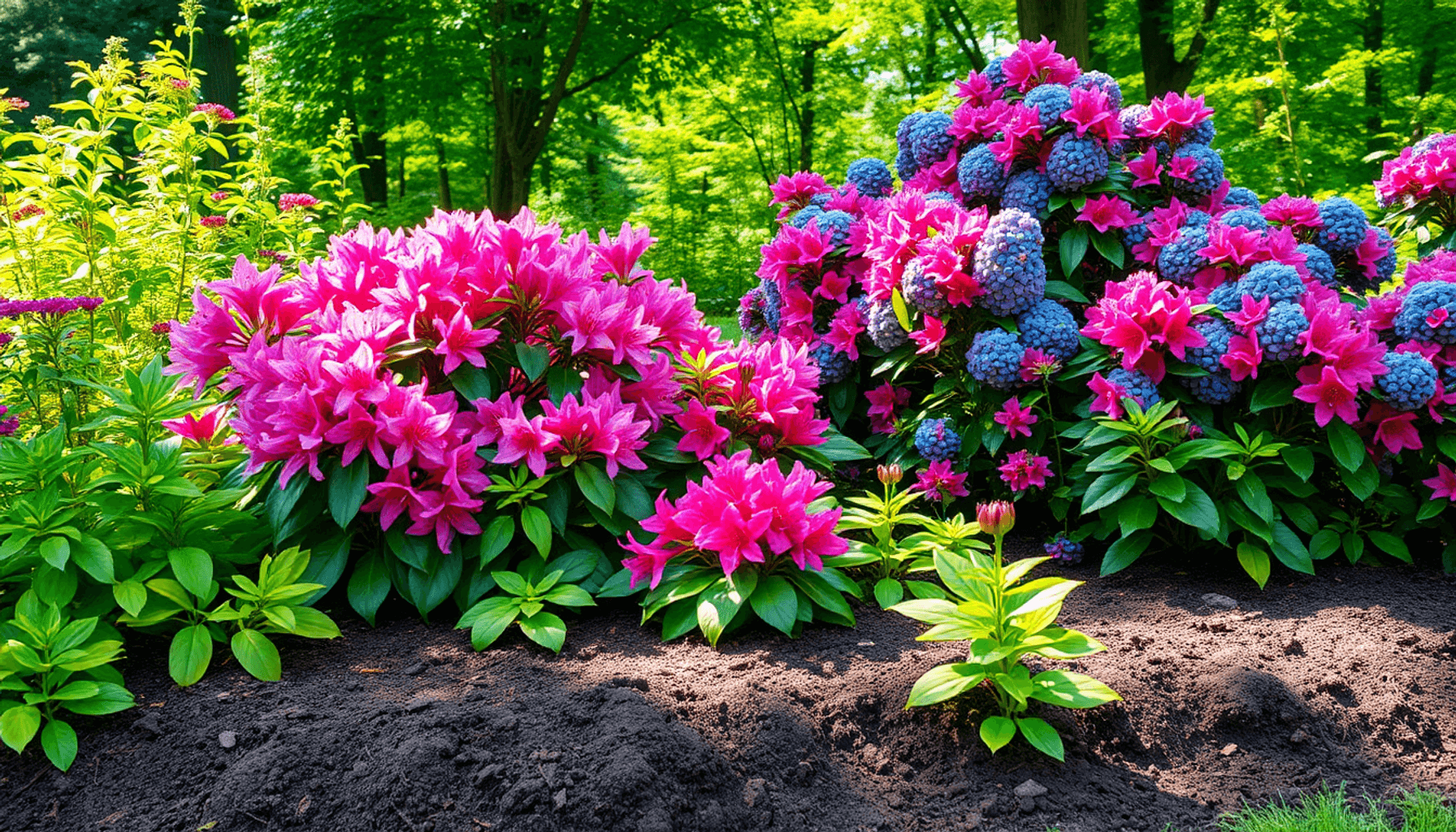

What is Ericaceous Soil? Plants That Need It
Ericaceous soil refers to a specific type of acidic soil with a low pH level, generally ranging between 4.5 and 6.0. This soil environment is essential for a group of plants known as acid-loving plants, which thrive only in these acidic conditions. The unique chemistry of ericaceous soil supports the nutrient uptake and overall health of these plants, which often struggle or fail to grow in alkaline or lime-rich soils.
Many popular garden plants require ericaceous soil to flourish. These include species such as rhododendrons, azaleas, camellias, and heathers, as well as some fruit-bearing plants like blueberries and cranberries. Each of these plants has evolved to rely on the acidic nature of this soil type for optimal growth.
The importance of soil pH cannot be overstated when it comes to plant health. Soil pH affects nutrient availability—especially critical elements like iron—and influences root function and microbial activity. In soils that are too alkaline, acid-loving plants experience nutrient lock-up, leading to symptoms such as yellowing leaves (chlorosis) and stunted growth. Understanding and managing ericaceous soil conditions allows you to cultivate a vibrant garden with healthy acid-loving plants suited to their natural preferences.
Understanding Ericaceous Soil
Ericaceous soil is defined primarily by its acidic soil pH, typically ranging from 4.5 to 6.0. This level of acidity creates an ideal environment for lime-hating plants that cannot tolerate alkaline conditions. The pH scale measures how acidic or alkaline a substance is, with values below 7 signifying acidity and above 7 indicating alkalinity.
Why Soil pH Matters for Plant Health
Certain plants struggle or fail to thrive in soils that are alkaline or rich in lime (calcium carbonate). These plants have evolved to absorb nutrients efficiently only in acidic environments. When planted in soils with a higher pH, they experience what is known as nutrient lock-up. This phenomenon occurs because some essential nutrients become insoluble and unavailable to the plant roots at elevated pH levels.
Nutrient Lock-Up and Its Effects
- Iron Availability: One of the most critical nutrients affected by high soil pH is iron. Iron is vital for chlorophyll production, which gives leaves their green color and enables photosynthesis.
- Chlorosis Symptoms: In alkaline soils, iron becomes locked up, leading to lime-induced chlorosis. This condition manifests as yellowing leaves while the veins remain green—an unmistakable sign of iron deficiency.
- Other micronutrients like manganese, zinc, and copper can also become less available under alkaline conditions, further stressing lime-sensitive plants.
Adaptation of Ericaceous Plants
Plants adapted to ericaceous soil have root systems and physiological processes optimized for acidic environments. Their nutrient uptake mechanisms rely on available forms of minerals present only in low-pH soils. Attempting to grow these species in neutral or alkaline soils often results in poor growth, leaf discoloration, and eventual plant decline.
Understanding this relationship between soil chemistry and plant health helps explain why gardeners must pay close attention to soil pH when cultivating acid-loving species. It highlights the need for selecting or amending soil specifically tailored for ericaceous plants rather than relying on generic garden soils.
Characteristics of Ericaceous Soil
Ericaceous soil is defined by its low pH soil characteristics, typically ranging from 4.5 to 6.0. This acidity comes from natural processes and geological factors that influence soil composition. These soils often form in areas where underlying rock types, such as granite, sandstone, or peat deposits, break down slowly, releasing acidic compounds into the soil.
Natural Occurrence and Geological Background
Acidic soils are commonly found in woodland environments where organic matter from fallen leaves and decaying plants accumulates. The slow decomposition of this organic material produces humic acids, which contribute to maintaining the soil's acidity.
Regions with high rainfall tend to have more leached soils; minerals like calcium and magnesium wash away, reducing alkalinity and enhancing acidity. Soils developed over siliceous rocks (quartz-rich) rather than calcareous (lime-rich) substrates naturally favor ericaceous conditions.
Physical and Chemical Properties
Ericaceous soils have specific physical and chemical properties that make them suitable for certain plants:
- Texture: Well-draining but retains enough moisture to support shallow-rooted plants.
- Organic Matter: High organic content promotes nutrient retention while supporting beneficial microbial life adapted to acidic environments.
- Iron Availability: Iron remains soluble and available at low pH levels, preventing the chlorosis symptoms common in alkaline conditions.
- Other Nutrients: Essential nutrients such as manganese and phosphorus are more accessible in ericaceous soils.
- Soil Structure: Often loose and friable, allowing roots to penetrate easily while maintaining a balance against waterlogging.
Role of Peat-Free Ericaceous Compost
Using peat-free compost designed for acid-loving plants is crucial when growing ericaceous species outside their natural habitats or in garden beds with neutral or alkaline soils.
This specialized compost mimics the chemical environment of natural woodland soil by maintaining a stable acidic pH. It supports healthy root development by providing a balanced blend of organic materials that decompose slowly without raising pH.
Peat-free options are environmentally preferable, reducing peat extraction impacts while still delivering the necessary acidifying properties. Incorporating ericaceous compost into your planting mix ensures nutrient availability aligns with the needs of acidophilic plants.
Maintaining the correct soil acidity through appropriate compost selection directly influences plant vitality, nutrient uptake efficiency, and resistance to stressors typical in less suitable soil types.
Understanding these characteristics helps you create optimal growing conditions for ericaceous plants by replicating their native woodland soil environment as closely as possible.
Plants That Require Ericaceous Soil
Ericaceous soil supports a distinctive group of acid-loving plants that struggle to thrive in neutral or alkaline soils. Many of these plants display vibrant foliage, striking flowers, or produce delicious fruits. Understanding their preferences helps you provide the right conditions for success.
Common Ericaceous Plants
1. Rhododendrons and Azaleas
Both belong to the genus Rhododendron, prized for their spectacular spring blooms and evergreen or deciduous foliage. Native mainly to Asia, North America, and Europe, they naturally flourish in acidic woodland soils, often under tree canopies.
2. Camellias
These shrubs offer glossy leaves and large, rose-like flowers from autumn through spring. Originating from eastern and southern Asia’s acidic forest floors, camellias demand similarly low pH conditions to avoid leaf yellowing and poor growth.
3. Pieris japonica
Also known as Japanese Andromeda, this evergreen shrub produces delicate white flowers and colorful new growth. It thrives in moist, acidic soils typical of its native mountainous woodland habitats in Japan and Taiwan.
4. Gaultheria procumbens
Known as wintergreen or checkerberry, this low-growing groundcover features shiny leaves and bright red berries. Native to North American forests with acidic soils, it is well adapted to ericaceous conditions.
5. Japanese Maples (Acer palmatum)
Although maples are often considered neutral-soil trees, many Japanese maple varieties prefer slightly acidic soils similar to their forest understory environments in Japan and Korea.
6. Magnolias
Certain magnolia species favor ericaceous soil to maintain healthy root systems and vibrant blooms. These trees typically grow in acidic woodland settings across Asia and the Americas.
7. Liriope muscari
This grass-like perennial with purple flower spikes is popular for borders and groundcover. Native to East Asia’s shaded woodlands, it prefers acid soils rich in organic matter.
8. Heathers (Calluna vulgaris)
Iconic heathland plants with small evergreen leaves and bell-shaped flowers thrive exclusively on well-drained acidic soils found in moorlands across Europe.
Acid-Loving Fruits
Certain fruiting plants also depend on ericaceous soil for nutrient uptake:
- Blueberries (Vaccinium spp.): Native to North America’s acidic forests and bogs, blueberries require a pH below 5.5. They produce antioxidant-rich berries prized worldwide.
- Raspberries (Rubus idaeus): While raspberries tolerate a range of soils, they perform best in slightly acidic conditions that help prevent nutrient deficiencies affecting fruit quality.
- Cranberries (Vaccinium macrocarpon): Naturally found in bogs with very acidic peat soils of North America, cranberries need consistently low pH levels to develop their characteristic tart flavor.
Origins and Natural Habitats
Most ericaceous plants evolved in environments where acidic soils are common due to factors like coniferous forest litter decomposition or underlying sandstone geology. Woodland floors provide shade and moisture ideal for these species’ shallow root systems. Acidic bogs and heathlands also support specialized plants adapted to nutrient-poor but highly acidic conditions.
Cultivating these species outside their native habitats
Growing Ericaceous Plants Successfully
Growing ericaceous plants requires attention to their specific needs, especially when it comes to soil conditions and moisture. These plants thrive best in environments that mimic their natural woodland habitats.
Ideal Growing Conditions
- Light: Most acid-loving plants prefer shade or partial shade. Direct, intense sunlight can stress them, leading to scorched leaves and poor growth.
- Soil: The soil must be acidic with a pH between 4.5 and 6.0 to ensure nutrient availability.
- Airflow: Good air circulation helps prevent fungal diseases common in moist, shaded environments.
Watering Acid-Loving Plants
- Ericaceous species usually have shallow root systems that are sensitive to drying out.
- Consistent watering is necessary to keep the root zone evenly moist but not waterlogged.
- Use rainwater or filtered water if possible, as tap water can contain lime, raising soil pH over time.
- Mulching around the base helps retain moisture and moderates soil temperature.
Benefits of Using Specialized Ericaceous Compost
- Ericaceous compost is formulated for acid-loving plants and is typically peat-free, promoting sustainable gardening practices.
- Applying this compost in containers or garden beds maintains the low pH required for optimal nutrient uptake.
- It improves soil texture, drainage, and aeration—important factors for healthy root development.
- When repotting container-grown acid-loving plants, fresh ericaceous compost replenishes nutrients and acidity.
Challenges With Alkaline Garden Soils
- Alkaline or lime-rich soils cause nutrient lock-up, particularly iron deficiency leading to chlorosis (yellowing leaves).
- Altering alkaline soil chemistry on a large scale can be difficult and labor-intensive.
- Container gardening offers a practical solution by allowing you to control the growing medium precisely.
Tip: Use pots with good drainage filled with ericaceous compost to grow these plants successfully even if your native soil is unsuitable.
Gardeners practicing ericaceous plant care will find that managing light exposure, watering routines, and soil conditions are key factors. Attention to these details ensures vigorous growth and vibrant foliage in acid-loving plants.
Maintaining Healthy Ericaceous Plants
Proper care after planting is crucial to keep your ericaceous plants thriving. These acid-loving species have specific nutrient and moisture needs that, when met, support vigorous growth and vibrant foliage.
Feeding with Acidic Fertilizers
- Ericaceous plants rely on acidic fertilizers to replenish nutrients depleted from the soil or compost.
- After about three months, the initial nutrients present in ericaceous compost start to diminish. This is the ideal time to apply a balanced acidic fertilizer formulated specifically for lime-hating plants.
- Use products labeled for azaleas, rhododendrons, or camellias which typically contain iron sulfate or ammonium sulfate—elements that help maintain soil acidity and prevent nutrient lock-up.
- Avoid general-purpose fertilizers high in lime content as they can raise soil pH and cause deficiencies, especially iron chlorosis.
Mulching for Moisture Retention
- Mulching plays a vital role in conserving soil moisture, which is important due to the shallow root systems of many ericaceous plants.
- Organic mulches such as pine needles, bark chips, or leaf mold not only retain water but also gradually acidify the soil as they break down.
- Apply a 5–7 cm (2–3 inch) layer around the base of the plant while keeping mulch a few centimeters away from stems to prevent rot.
- Mulching reduces temperature fluctuations in the root zone and suppresses weed growth that competes for nutrients and water.
Sustainable Planting Practices
- Choosing ericaceous plants suited to acidic soils aligns with sustainable gardening principles by reducing reliance on chemical soil amendments.
- Healthy ericaceous plants adapt naturally to their environment when grown in appropriate soil conditions, which minimizes stress and disease susceptibility.
- By maintaining proper pH levels through natural mulches and targeted fertilization, you decrease the need for synthetic interventions.
- Sustainable planting encourages biodiversity; acid-loving plants often support beneficial insects and wildlife native to woodland or heathland ecosystems.
This approach to maintaining ericaceous plants supports their long-term health and enhances your garden’s ecological balance.
Identifying Ericaceous Soil in Your Garden
Understanding whether your garden soil is suitable for ericaceous plants starts with testing soil pH. You can purchase easy-to-use pH testing kits from garden centers or online. These kits usually include test strips or liquid indicators that change color depending on the acidity or alkalinity of the soil sample. For more precise results, electronic pH meters offer digital readings and greater accuracy.
Steps to test your soil’s pH:
- Collect soil samples from different parts of your garden, about 2-4 inches deep.
- Remove any debris like leaves or stones.
- Follow the instructions on your chosen test kit to prepare and test each sample.
- Compare the results against the desired ericaceous range (pH 4.5 to 6.0).
Regular testing helps you monitor changes in soil conditions over time, especially if you apply amendments.
Visual clues can also hint at the presence of acidic soil without immediate testing:
- Presence of healthy acid-loving plants such as heathers, rhododendrons, azaleas, or blueberries naturally growing in your garden.
- Sparse growth or yellowing leaves on plants known to prefer neutral or alkaline soils may indirectly indicate acidic conditions affecting nutrient uptake.
- Moss thriving on the ground surface often correlates with low pH environments.
Observing these signs guides your decisions about planting.
Deciding between container planting and soil amendment depends heavily on your current soil’s condition and gardening goals.
- If your garden soil tests outside the ericaceous range—especially if alkaline—it is often easier and more effective to grow acid-loving plants in containers filled with specialized ericaceous compost rather than trying to alter large areas of existing soil chemistry.
- When dealing with small patches or raised beds, amending the soil by incorporating organic matter like peat-free ericaceous compost and sulfur-based products can gradually lower pH, making it more suitable for acid-loving species.
- Containers also offer control over watering and feeding, which benefits shallow-rooted ericaceous plants prone to drought stress.
Checking for signs of acidic soil presence in combination with accurate testing ensures you provide optimal conditions for your acid-loving plants.
Understanding "What is Ericaceous Soil? Plants That Need It" becomes practical when you identify how your garden’s natural characteristics match these requirements. This knowledge helps you cultivate thriving ericaceous species adapted to their ideal environment rather than forcing them into unsuitable soils.
Conclusion
Growing acid-loving plants in ericaceous soil offers distinct advantages that enhance garden diversity and health. Understanding what is ericaceous soil and the specific needs of plants that require it allows you to create thriving environments for species that struggle in alkaline conditions.
Benefits of ericaceous soil gardening include:
- Promoting robust acid-loving plant health by ensuring optimal nutrient uptake, especially iron.
- Reducing reliance on chemical soil amendments or fertilizers by working with natural soil acidity.
- Supporting native and woodland plants adapted to acidic habitats, encouraging biodiversity.
- Providing unique textures and colors through plants like rhododendrons, blueberries, and heathers.
To succeed with these special plants:
- Use peat-free ericaceous compost to maintain proper acidity when planting in beds or containers.
- Monitor soil moisture carefully; many acid-loving species have shallow roots requiring regular watering.
- Apply acidic fertilizers after about three months to replenish nutrients without raising pH levels.
- Mulch regularly to conserve moisture and protect root zones from temperature fluctuations.
- Test your soil pH before planting; if your garden is alkaline, consider container growing with ericaceous compost rather than extensive soil modification.
Embracing sustainable practices in cultivating ericaceous plants not only benefits your garden’s ecosystem but also honors the natural adaptations these species have developed. With thoughtful care and attention to their unique needs, you can enjoy the beauty and health of acid-loving plants year-round.
FAQs (Frequently Asked Questions)
What is ericaceous soil and why is it important for certain plants?
Ericaceous soil is acidic soil with a pH range of 4.5 to 6.0, essential for the health of acid-loving plants. It allows these plants to absorb nutrients effectively and thrive, as they cannot tolerate alkaline or lime-rich soils.
Which common plants require ericaceous soil to grow successfully?
Plants that need ericaceous soil include rhododendrons, azaleas, camellias, Pieris japonica, Gaultheria procumbens, Japanese maples, magnolias, Liriope muscari, heathers, and acid-loving fruits like blueberries, raspberries, and cranberries.
How can I identify if my garden soil is ericaceous or suitable for acid-loving plants?
You can test your garden soil's pH level using a soil testing kit to determine acidity. Visual indicators include the presence of acid-loving vegetation. If the soil is not sufficiently acidic, container planting with ericaceous compost may be preferable.
What are the key characteristics of ericaceous soil?
Ericaceous soil naturally occurs in certain geological areas and is characterized by low pH (acidic conditions). It often contains peat-free compost or woodland soil components that maintain acidity and provide suitable physical and chemical properties for acid-loving plants.
How do I care for ericaceous plants to ensure their healthy growth?
Ericaceous plants prefer shade or partial shade and require consistent watering due to their shallow roots. Using specialized ericaceous compost in containers or beds helps maintain acidity. Feeding them with acidic fertilizers approximately every three months after initial nutrients deplete and mulching to retain moisture supports sustainable growth.
Why do some plants suffer from nutrient deficiencies like chlorosis in non-ericaceous soils?
In alkaline or lime-rich soils with high pH levels, essential nutrients such as iron become less available to plants. This nutrient lock-up leads to chlorosis symptoms—yellowing leaves due to iron deficiency—particularly affecting lime-hating or acid-loving plants that require ericaceous soil conditions.