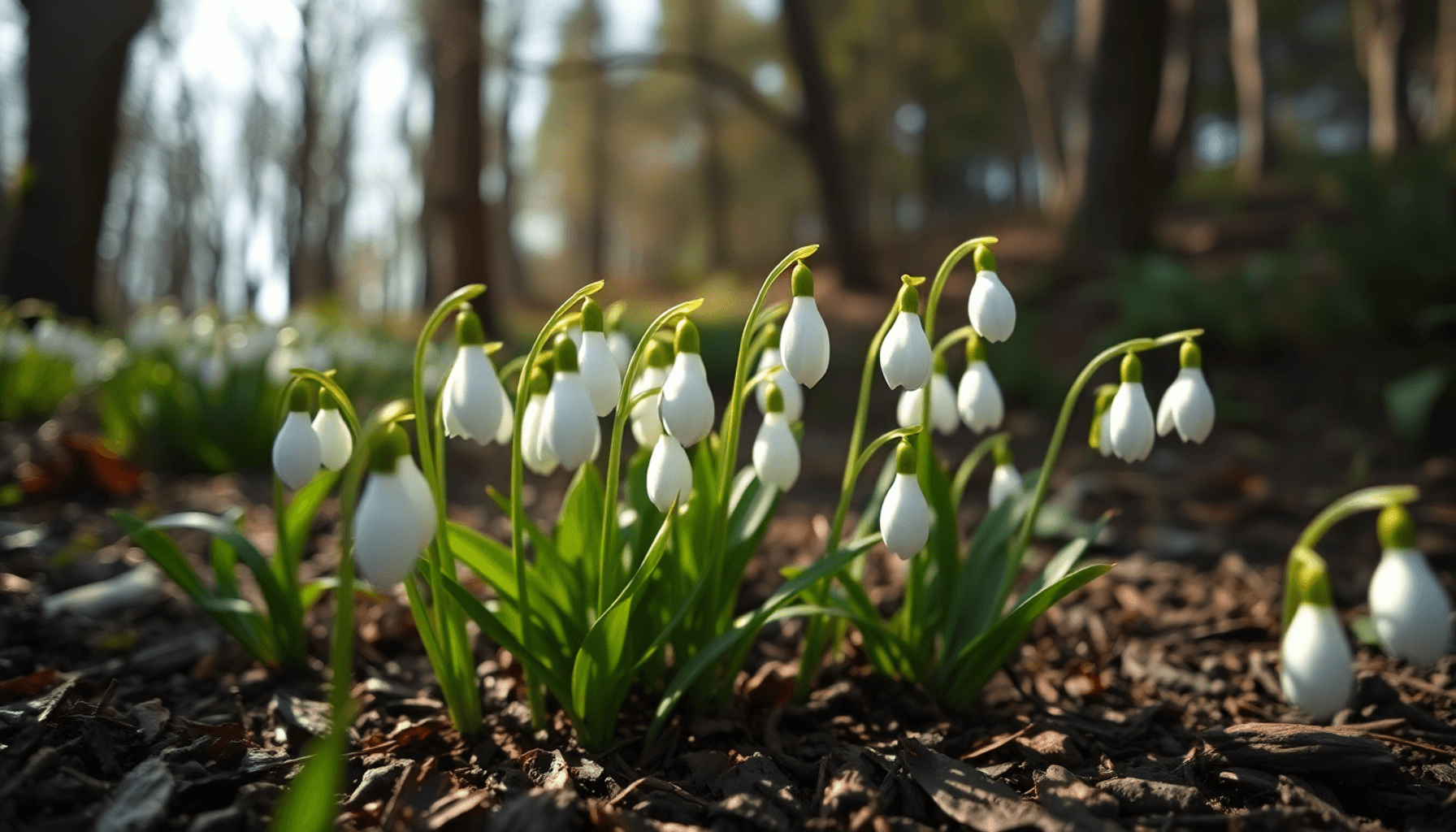

Snowdrops are hardy perennial plants known for their delicate white flowers that bloom in the depths of winter. They are among the first signs of spring, often pushing through frozen ground to offer a glimpse of warmer days ahead. These resilient bulbs belong to the genus Galanthus, treasured by gardeners for their early charm and low-maintenance nature.
If you’re wondering how to grow snowdrops or seeking a comprehensive snowdrop growing guide, this article will walk you through everything you need to know about Galanthus care. From selecting the right varieties and preparing the perfect planting site to propagation techniques and pest management, you’ll gain practical insights to help your snowdrops thrive and brighten your garden during the colder months. Whether you’re a seasoned gardener or new to these enchanting flowers, this guide equips you with essential knowledge for successful cultivation.
Understanding Snowdrops: A Closer Look at Galanthus Varieties
The genus Galanthus consists of a fascinating array of snowdrop species, each bringing unique characteristics to the garden. Among the most recognized are Galanthus nivalis and Galanthus elwesii, both celebrated for their early winter blooms and classic white flowers.
1. Galanthus nivalis
Known as the common snowdrop, this species is prized for its delicate, nodding white flowers with green markings on the inner petals. It typically reaches about 15 cm in height and thrives in woodland-style settings. Its charm lies in its simplicity and reliability as one of the first signs of spring.
2. Galanthus elwesii
Often called the giant snowdrop, it stands taller than G. nivalis, reaching up to 25 cm. The flowers are larger, with broader petals and a heart-shaped green marking inside. This variety prefers slightly warmer conditions but still retains the hardiness typical of snowdrops.
Beyond these classic species, numerous cultivars and hybrids expand what Galanthus can offer:
- Cultivars with varied petal shapes: Some varieties display elongated or more rounded petals, creating subtle differences in appearance that add texture to garden plantings.
- Scented varieties: While many snowdrops have little fragrance, certain hybrids emit a light, sweet scent that enhances their appeal.
- Marked cultivars: Some feature distinctive green or yellow markings on the outer petals or subtle stripes, making each bloom uniquely attractive.
These variations allow you to select snowdrops tailored to your garden’s aesthetic or environmental conditions. Whether you prefer classic elegance or a splash of novelty through unusual petal shapes and scents, exploring different Galanthus varieties enriches your planting options.
Understanding these snowdrop species and their characteristics helps you appreciate their diversity and informs decisions on which types will thrive best in your garden’s conditions.
Creating the Perfect Habitat for Snowdrops to Thrive
Snowdrops have specific soil and light preferences that are key to their successful growth. Understanding these snowdrop soil requirements and the best light for snowdrops will help you create an ideal snowdrop habitat in your garden.
Soil Requirements
- Moist but Well-Drained: Snowdrops thrive in soil that retains moisture without becoming waterlogged. Excess water can cause bulb rot, so ensuring good drainage is crucial.
- Enriched with Organic Matter: Incorporate leaf mold or well-rotted compost into the soil. This enrichment improves soil structure, retains moisture, and provides essential nutrients.
- Tolerance for Various Soils: While snowdrops can grow in a range of soils, they prefer humus-rich soils that mimic their natural woodland environment.
- Alkaline Preference: Snowdrops tend to favor slightly alkaline conditions. If your soil is acidic, adding lime can help balance the pH to suit their needs.
Light Conditions
- Partial Shade Is Ideal: Snowdrops naturally grow under deciduous trees where they receive dappled sunlight. Replicating this partial shade helps protect the bulbs from harsh midday sun while allowing enough light to encourage flowering.
- Avoid Full Sun or Deep Shade: Too much direct sun can dry out the soil quickly, stressing the plants. Deep shade may reduce flowering and slow growth.
Creating a snowdrop habitat that balances moist, well-drained, humus-rich soil with gentle filtered light sets up these resilient perennials for a healthy life cycle of growth and bloom each year.
Planting Snowdrop Bulbs: Timing, Depth, and Spacing Guidelines
Knowing when to plant snowdrops is crucial for their successful establishment and blooming. You have two main options:
-
Planting 'in the green': This involves planting snowdrop bulbs immediately after they have finished flowering, typically in February or March. Bulbs lifted while still green retain moisture and vitality, making this a preferred method for many gardeners seeking strong growth the following season.
-
Planting dry bulbs: If you are planting fresh bulbs purchased from a nursery or supplier, do so in autumn, between October and November. Dry bulbs need to be planted promptly as they can desiccate quickly if left out too long.
The snowdrop bulb depth is equally important for healthy development:
- Plant bulbs 10 to 15 cm deep. This depth protects them from frost and supports sturdy shoots.
- Avoid planting too shallow; shallow bulbs may dry out or be more vulnerable to temperature fluctuations.
Spacing affects both air circulation and flower display:
- Space bulbs approximately 10 cm apart to allow room for clump expansion over time.
- Crowding can reduce flowering vigor but planting too widely wastes valuable garden space.
You want the bulbs to settle firmly in soil enriched with organic matter, ensuring good contact with the earth without compacting it excessively.
Mastering these planting details sets a solid foundation for your snowdrops’ annual return, helping you grow robust plants that brighten late winter gardens year after year.
Propagation Techniques: Expanding Your Snowdrop Collection
Propagating snowdrops is an effective way to increase your stock and maintain vigorous plants in the garden. You have several options depending on how quickly you want new bulbs and how much effort you wish to invest.
1. Dividing Snowdrop Clumps
This traditional method involves separating established clumps to encourage healthy growth and flowering. The best time for dividing snowdrops is either immediately after flowering or during their dormant period in late spring or early summer.
- Carefully lift the clump with a garden fork or spade, avoiding damage to the bulbs.
- Gently tease apart the bulbs, keeping the protective tunics intact.
- Replant divisions promptly at the recommended depth (10-15 cm) and spacing (about 10 cm apart).
Dividing congested clumps every few years prevents overcrowding, reduces disease risk, and promotes better blooms.
2. Twin Scaling Snowdrops
For faster multiplication beyond simple division, twin scaling is a propagation technique that cuts each bulb into sections to produce multiple new plants from one bulb. Each bulb is sliced into pairs of scales attached to a piece of basal plate tissue—this supports root and shoot formation.
After treatment with a fungicide, these sections are placed in moist vermiculite or perlite under controlled conditions to encourage growth. Twin scaling requires some patience since it can take 2-3 years for scales to form flowering bulbs but yields many more plants than division alone.
3. Chipping Method
The chipping method accelerates production of flowering bulbs by cutting the bulb into several small chips rather than larger scale sections. Each chip contains part of the basal plate and a few scales, providing multiple starting points for new bulbs.
These chips are treated similarly with fungicide and kept in damp conditions until bulblets form around each chip. Chipping can produce flowering-size bulbs within 2 years, making it one of the quickest propagation methods available for snowdrops.
Each propagation technique has its merits:
- Dividing is simple and quick for maintaining existing clumps.
- Twin scaling suits enthusiasts aiming for larger numbers of plants.
- Chipping offers rapid multiplication with dedication to careful handling.
Experimenting with these methods allows you to expand your snowdrop collection effectively while preserving plant health and vigor.
Caring for Your Snowdrops: Post-Planting Maintenance Tips
Proper caring for snowdrops after planting is essential to ensure vigorous growth and abundant blooms year after year. One of the most important points to remember is to avoid pruning the foliage. The leaves carry out photosynthesis, which replenishes the bulb’s energy stores. Cutting or removing them prematurely can weaken the bulbs and reduce flowering in subsequent seasons.
Allow the foliage to die back naturally; you will notice it gradually yellowing and withering over several weeks. This slow process supports the development of strong, healthy bulbs underground.
Feeding and Fertilizing Snowdrops
Nutrient support plays a crucial role once your snowdrops have finished flowering:
- Apply a water-soluble fertilizer soon after the flowers fade. A balanced formula with equal parts nitrogen, phosphorus, and potassium works well.
- Alternatively, use a slow-release fertilizer designed for bulbs. This type provides steady nourishment over time without frequent applications.
- Focus feeding on the root zone to encourage robust bulb growth.
Fertilizing snowdrops at this stage helps replenish nutrients depleted during flowering and prepares bulbs for dormancy and next year’s bloom cycle.
Additional Care Tips
- Keep soil moist but avoid waterlogging, especially during active growth phases.
- Mulching with leaf mold or well-rotted compost preserves moisture and adds organic matter.
- Remove any dead or diseased foliage promptly to maintain garden hygiene.
- Consider planting bulbs in clumps for a more vibrant display.
These maintenance steps enhance bulb vitality, ensuring your snowdrops continue to brighten winter and early spring gardens reliably each year.
Integrating Snowdrops Into Your Garden Design: Companion Planting Ideas and Landscape Uses
Growing snowdrops in garden settings offers more than just early spring charm; they serve as versatile elements in landscape design. Their delicate white blooms contrast beautifully with various companion plants, enhancing the visual appeal while thriving in similar conditions.
Ideal Companion Plants for Snowdrops
1. Deciduous Shrubs and Roses
Snowdrops flourish under deciduous shrubs or rose bushes. These plants provide the partial shade snowdrops prefer during their growing season. As the shrubs lose leaves in winter, snowdrops receive ample light when they need it most—during flowering. Come summer, the dense foliage shades the snowdrop’s fading leaves, allowing natural dieback without harsh sun exposure.
2. Early Spring Bulbs
Pair snowdrops with other early bloomers like crocuses, aconites, or winter aconites. These companions share similar soil and light requirements, creating a layered display of color and texture that signals the end of winter.
3. Ground Cover Plants
Planting snowdrops as ground cover beneath hedges or in rock gardens helps fill bare spaces with fresh greenery and seasonal flowers. They complement low-growing evergreen ground covers such as ivy or pachysandra, adding interest before these plants fully emerge from dormancy.
Landscape Uses of Snowdrops
1. Naturalizing Woodland Gardens
Emulating their native woodland habitat, you can naturalize snowdrops by scattering bulbs beneath trees and shrubs where leaf litter enriches the soil. This informal approach creates carpets of flowers that return year after year with minimal intervention. For more insights on the best bulbs for naturalising, check out this Reddit thread.
2. Rock Gardens
Rock gardens benefit from snowdrops’ modest height and early bloom time. Planted among stones and gravel, they bring softness to otherwise stark arrangements. Ensure good drainage here to prevent bulb rot.
3. Edging and Borders
Use snowdrops along garden paths or borders to create subtle edging marks. Their tidy clumps provide structure without overpowering taller perennials that follow later in spring.
Tips for Successful Integration
- Choose planting sites that replicate snowdrops’ preference for moist but well-drained soil enriched with organic matter.
- Avoid full sun locations; partial shade under deciduous plants offers ideal conditions.
- Space bulbs closely when using as ground cover to achieve a lush floral carpet effect.
- Coordinate blooming times with companion plants to extend seasonal interest in your garden.
Understanding how to grow snowdrops effectively within your garden layout enhances both their beauty and health. Strategic companion planting ensures they receive appropriate shade, soil nutrients, and protection, making them reliable contributors to your garden’s seasonal rhythm.
In addition to traditional companion plants, consider integrating native species like the Zigzag Goldenrod into your design for added biodiversity and resilience.
Protecting Your Snowdrop Bulbs: Pest Management Strategies and Environmental Challenge Remedies
Snowdrops are generally hardy, but protecting snowdrop bulbs from pests like squirrels is essential to maintain a healthy and thriving display. Squirrels and other rodents often dig up bulbs, attracted by their nutrient-rich storage organs. Damage caused by these pests can lead to gaps in your snowdrop patches and reduce flowering.
Common Pests Affecting Snowdrops
- Squirrels and Rodents: These animals dig up bulbs for food, especially during autumn and winter when other resources are scarce.
- Slugs and Snails: While less damaging to bulbs, they may feed on emerging shoots and flowers.
- Bulb Mites: Tiny pests that can infest bulbs causing rot or weakened growth in some cases.
Effective Protection Methods
Physical Barriers
- Use chicken wire or fine mesh cages buried around the planting area to prevent squirrels from digging.
- Place wire mesh over the soil surface immediately after planting; this allows growth but blocks access.
- Raised beds with secure bottoms or bulb cages designed specifically for underground protection work well.
Cultural Practices
- Plant bulbs deeper than usual (up to 15 cm) to make digging harder for pests.
- Avoid leaving spare bulbs lying on the surface, which attract rodents.
- Mulching with coarse materials such as bark chips can deter some pests from tunneling.
Natural Deterrents
- Scatter crushed eggshells or coffee grounds around the base of plants to discourage slugs.
- Encourage natural predators like birds by providing bird feeders nearby, which also help control rodent populations.
Monitoring your garden regularly for signs of pest activity helps catch problems early. Look for disturbed soil patches, missing bulbs, or damaged leaves. Prompt action minimizes loss and supports robust snowdrop growth year after year.
Conclusion
Growing snowdrops is a rewarding way to bring delicate, early spring beauty to your garden. These hardy perennials are some of the most reliable winter garden flowers, blooming through frost and cold soil when few others do.
Keep these points in mind for successful snowdrop growing tips:
- Choose a spot with partial shade and moist, well-drained soil enriched with organic matter.
- Plant bulbs at the right depth and spacing to encourage healthy clump formation.
- Propagate using division or advanced methods like twin scaling to expand your collection.
- Avoid cutting back foliage prematurely; let leaves die back naturally to feed the bulbs.
- Protect bulbs from pests such as squirrels by using physical barriers like chicken wire.
How to Grow Snowdrops becomes easier once you understand their natural woodland habitat and growth cycle. Their charm lies not only in their fragile white blooms but also in their resilience and ability to brighten gardens during the coldest months.
Invite these early bloomers into your garden and experience a fresh burst of life each winter, making your outdoor space stand out when color is scarce. Embracing snowdrops can transform even the bleakest season into one of quiet beauty and promise.
FAQs (Frequently Asked Questions)
What are snowdrops and why are they popular in winter gardens?
Snowdrops (Galanthus) are hardy perennial plants that bloom in winter, making them among the first flowers to herald the arrival of spring. Their early blooming nature adds charm and brightness to gardens during cold months.
Which Galanthus species and varieties are commonly grown?
Popular Galanthus species include Galanthus nivalis and Galanthus elwesii. There are also various cultivars and hybrid varieties featuring diverse petal shapes and scents, offering gardeners a range of options for their collections.
What is the ideal habitat for growing healthy snowdrops?
Snowdrops thrive best in moist but well-drained soil enriched with leaf mold or compost. They prefer partial shade that mimics their natural woodland environment and tolerate a range of soils, with a preference for alkaline, humus-rich conditions.
When and how should I plant snowdrop bulbs for optimal growth?
You can plant snowdrop bulbs 'in the green' after flowering between February and March or as dry bulbs in autumn from October to November. Plant bulbs 10-15 cm deep and space them about 10 cm apart to ensure healthy development.
How can I propagate snowdrops to expand my garden collection?
Propagation methods include dividing clumps after flowering or during dormancy, twin scaling which involves cutting bulbs into sections for faster multiplication, and chipping—a quicker technique to produce flowering bulbs effectively.
What care do snowdrops need after planting to ensure robust growth?
Avoid pruning snowdrop foliage; allow it to die back naturally. After flowering, feed snowdrops with water-soluble fertilizer or slow-release feed to support bulb development and maintain healthy growth for future seasons.