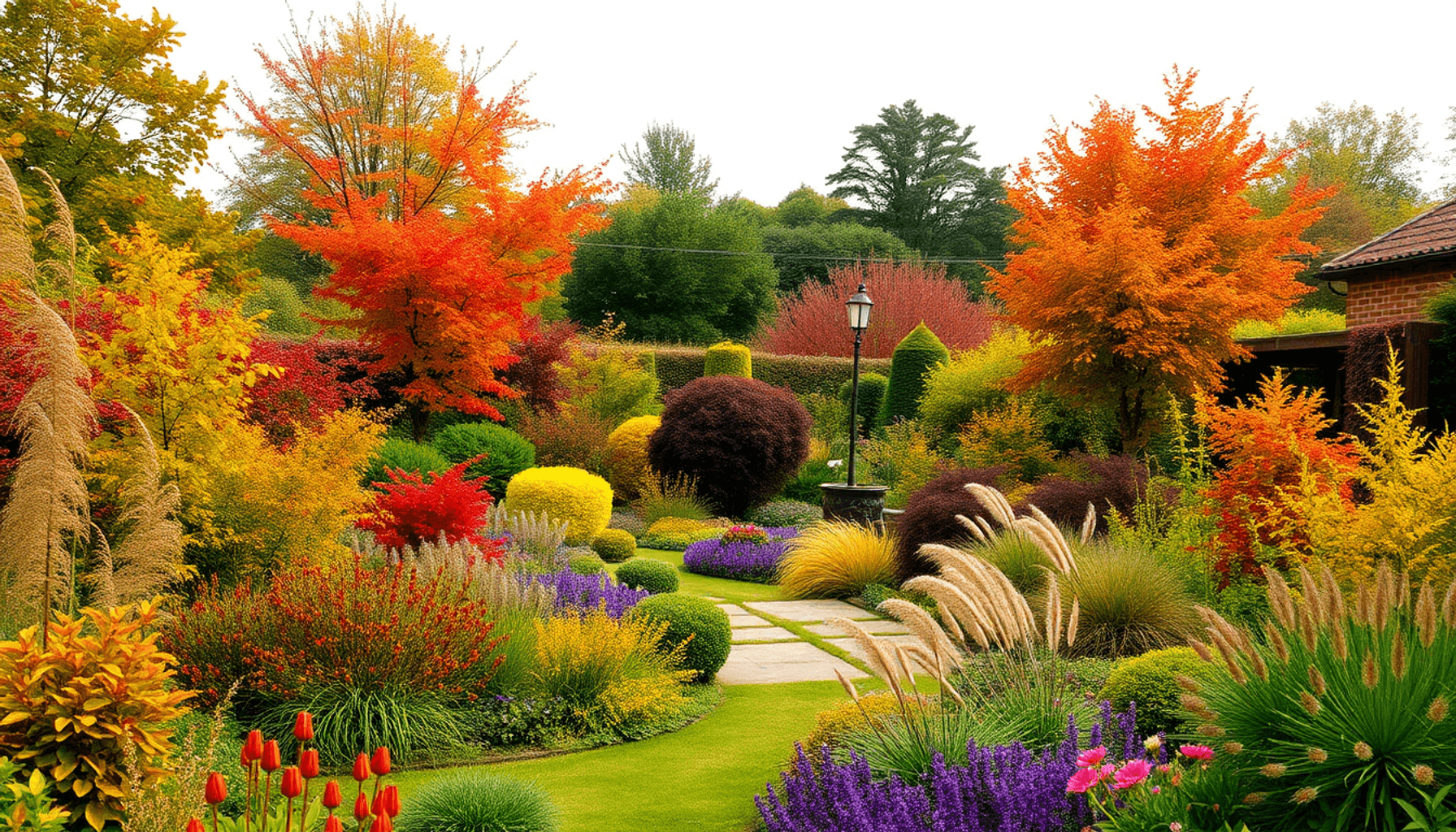

Autumn colour in UK gardens is important for keeping outdoor spaces visually appealing even after summer. As the days get shorter and temperatures drop, many plants change their colours from bright greens to deep reds, oranges, yellows, and purples. This seasonal shift brings new life to gardens, creating warm and welcoming landscapes that embrace the changing year.
The effect of autumn colours in UK gardens goes beyond just looks; it also has an emotional impact. Gardens with vibrant autumn displays offer a peaceful and reflective atmosphere during a time when nature gets ready for winter. The combination of fading light and fiery leaves enhances textures and shapes, turning your garden into a living artwork until late November or even December.
Several types of plants play a big role in creating these autumn effects:
- Deciduous Trees and Shrubs: Known for their dramatic leaf colour changes and often striking berries or fruits.
- Flowering Perennials and Bulbs: Provide late-season blooms that maintain vibrancy as other flowers fade.
- Ornamental Grasses: Add texture, movement, and warm tones that complement leaf colours.
- Bedding Plants: Extend colour displays into cooler months with resilient foliage and flowers.
Choosing the right plants for autumn will depend on your garden’s conditions such as soil type, sunlight exposure, and size. By understanding these plant groups, you can create a layered and dynamic autumn garden that captures the essence of the season while providing structure and interest long after summer ends.
1. Trees and Shrubs for Autumn Colour
Deciduous trees and colourful shrubs autumn displays form the backbone of autumn colour in UK gardens. Their ability to shift through a spectrum of reds, oranges, yellows, and purples creates dynamic landscapes that evolve daily as the season progresses. These autumn trees in the UK are essential for adding structure and drama after summer blooms fade.
Key deciduous trees and shrubs for striking autumn colour include:
- Snowy Mespilus (Amelanchier lamarckii): This small tree offers coppery-pink foliage that gradually mellows into pale yellow by late autumn. Its delicate white spring flowers give way to edible berries, but it's the glowing autumn leaves that make it a standout.
- Serviceberry (Amelanchier spp.): Various Amelanchier species develop scarlet and crimson tones in their leaves before dropping, delivering vivid red flashes in your garden's mid-layer.
- Judas Tree (Cercis canadensis 'Forest Pansy'): Multi-stemmed with heart-shaped leaves, this tree's foliage starts a deep purple and shifts to rich yellow in autumn. The contrast between these hues creates a visually captivating display.
- Cotoneaster frigidus 'Cornubia': A robust shrub producing glossy green leaves that turn bronze before leaf fall. Its bright red berries persist well into winter, attracting birds and adding lasting colour.
- Malus 'Evereste' (Crab Apple): Offers a brilliant mix of red-flushed orange-yellow fruits alongside warm-toned foliage. The combination makes it an excellent choice for autumn interest while supporting wildlife.
- Parthenocissus henryana (Chinese Virginia Creeper): Ideal for north-facing walls where vigorous growth is less welcome, this climber’s velvety leaves ignite in fiery crimson shades during autumn months.
- Acer 'Dissectum Atropurpureum' (Japanese Maple): A highly prized cultivar sporting sharply cut, deeply serrated bright-red leaves throughout fall. Its compact size suits small gardens seeking bold autumn colour.
- Euonymus europaeus and Euonymus alatus: Both species put on intense shows of red or crimson before shedding their leaves. Euonymus alatus (‘Burning Bush’) is especially noted for its flaming scarlet display.
- Katsura Tree (Cercidiphyllum japonicum): This tree features heart-shaped leaves that transform into warm yellow and orange hues with a subtle toffee apple scent when crushed—an aromatic bonus to its visual appeal.
Deciduous trees autumn colour provides not just aesthetic pleasure but also habitat value. Many fruiting shrubs like Cotoneaster and Malus support local bird populations at a crucial time of year. Meanwhile, climbing plants such as Parthenocissus henryana add vertical interest with their seasonal transformations.
Selecting trees and shrubs with staggered peak colours extends the display from early to late autumn, creating continuous garden vibrancy. Combining varied leaf textures—from the lace-like Acer ‘Dissectum Atropurpureum’ to the broad, smooth foliage of Katsura—adds depth beyond mere colour shifts
2. Flowering Perennials and Bulbs Enhancing Autumn Hues
Late-season blooms play a crucial role in maintaining the visual interest of your garden as summer fades and autumn deepens. Choosing the right autumn flowering perennials UK gardeners rely on can extend colour displays well into cooler months, ensuring your outdoor space remains vibrant when many plants start to fade.
Key Plants for Autumn Colour
Here are some key plants that can add vibrant colours to your garden during autumn:
- Aster 'Little Carlow': This compact perennial produces a profusion of light purple flowers from late summer into autumn. Its daisy-like blooms attract pollinators and bring a soft, calming hue that contrasts beautifully with fiery foliage elsewhere in the garden.
- Autumn Crocus (Colchicum): Blooming in September and October, colchicums introduce delicate pinkish-purple flowers that appear after the leaves have died back. These bulbs offer subtle elegance and are perfect for naturalising under deciduous trees where they emerge quietly among fallen leaves.
- Nerine bowdenii: Known for its striking lipstick-pink flowers, Nerine thrives in sunny borders and adds a touch of exotic flair. Its flowers open in late autumn, often lasting well into November, providing colour when many other plants have finished flowering.
- Chrysanthemums: A classic choice for autumn colour, chrysanthemums come in a wide range of colours including reds, yellows, oranges, and whites. Their robust flower heads perform well even as temperatures drop, making them excellent for both borders and cut-flower arrangements.
- Japanese Anemones: These perennials bloom with charming pink or white flowers from late summer right through to early autumn. Their airy stems add graceful movement to the garden while their blooms brighten shaded areas that might otherwise look dull at this time of year.
- Sedums (Hylotelephium): Sedums provide flat clusters of tiny star-shaped flowers ranging from soft pinks to deep reds. Their succulent leaves often take on warm tones themselves as autumn progresses, complementing the floral display and offering texture alongside colour.
Bulbs for Autumn Colour
Bulbs like colchicums are essential components of an autumn garden palette but others such as Sternbergia lutea (noted for golden-yellow blooms) also contribute where conditions allow warmer microclimates. Selecting bulbs specifically suited for bulbs for autumn colour ensures continuous flowering beyond the main spring season.
Including these perennials and bulbs creates layers of interest through shape, texture, and colour while sustaining pollinator activity later in the year. Their varied bloom times stagger garden highlights so you never lose that splash of brightness even as daylight shortens.
The combination of asters’ lilac hues with chrysanthemums’ bold tones or sedums’ textured flower heads lets you design mixed borders bursting with life during UK autumns. These plants also work well alongside deciduous trees and shrubs previously discussed, enriching your garden’s seasonal narrative without overlap.
3. Ornamental Grasses Providing Texture and Autumn Shades
Ornamental grasses are essential when aiming to enrich your garden’s autumn palette in the UK. They introduce dynamic movement and a variety of textures that complement the vivid colours of trees, shrubs, and perennials. These grasses catch the light beautifully, their seed heads often glowing in late afternoon sun, enhancing warm autumn hues.
You can expect graceful swaying from these plants as autumn winds pick up, creating an ever-changing tapestry that adds depth to your borders and mixed plantings. Their structural form remains strong heading into winter, making them indispensable for grasses for winter garden structure.
Recommended Cultivars for Autumn Interest
-
Molinia caerulea subsp. arundinacea ‘Transparent’
This grass features tall, arching flower stems with a rich butter-yellow colour that intensifies in autumn. The airy plumes catch light well, offering softness against more solid plants. Its subtle green foliage turns golden before dying back in winter. -
Panicum ‘Squaw’
A compact cultivar prized for its fiery palette combining red, orange, and yellow shades. It flowers later in the season than many others, extending visual interest deeper into autumn. ‘Squaw’ is ideal for smaller gardens where space is limited but colour impact is desired. -
Miscanthus sinensis ‘Purple Fall’
Noted for its striking late-season flowering and foliage colour changes, this miscanthus shifts through red to orange and pink tones as the temperature dips. Its upright habit offers height and texture contrast while providing shelter for wildlife.
Benefits of Ornamental Grasses in Autumn Gardens
- Movement: Grasses respond to even the slightest breeze, introducing kinetic energy to otherwise static plantings.
- Texture: From fine blades to feathery plumes, grasses vary widely in texture, enriching tactile experience in the garden.
- Colour Range: Autumn grasses display warm hues from golden yellows through rusty reds to deep purples, blending seamlessly with other autumnal colours.
- Structure Beyond Flowering Season: Seed heads remain visually appealing after flowering fades; many grasses provide architectural interest well into winter months.
- Low Maintenance: Most ornamental grasses require minimal care once established and tolerate a range of soils common in UK gardens.
Incorporating these colourful grasses autumn specialists will add another layer of beauty to your planting scheme while supporting seasonal rhythm from late summer through winter. Their presence enhances not only the aesthetic but also the ecological value of your outdoor space.
4. Autumn Bedding Plants for Seasonal Colour Displays
Bedding plants are essential for keeping your garden vibrant during the cooler months. By choosing the right autumn bedding plants UK gardeners trust, you can select species that are both hardy and visually striking. This ensures that your outdoor areas stay lively even when many perennials and shrubs start to lose their charm.
Extending Colour into Cooler Months
Hardy bedding plants for cold weather provide consistent colour and texture through autumn and often into winter. Their ability to withstand frost and fluctuating temperatures makes them ideal for maintaining garden interest when seasonal bedding ideas autumn are at their most needed.
Recommended Autumn Bedding Plants
Here are some recommended autumn bedding plants that can add beauty to your garden:
- Cyclamen persicum: These delicate flowers bloom until the first hard frosts, brightening shaded areas with their pink, white, or variegated petals.
- Purple sage (Salvia officinalis ‘Purpurescens’): This evergreen variety has aromatic leaves and offers a rich purple tint that contrasts beautifully against green foliage while supporting wildlife.
- Heavenly bamboo (Nandina domestica ‘Fire Power’): This shrub features colorful foliage transitions from yellow-green in summer to vivid reds in autumn, making it an attractive addition to mixed beds or containers.
- Ornamental cabbages: Known for their ruffled leaves that shift colors as temperatures drop, these cabbages create long-lasting displays perfect for edging pathways or filling gaps between larger plants.
- Hardy plumbago (Ceratostigma plumbaginoides): With its clusters of sky-blue flowers contrasting with reddish-bronze foliage, this low-growing perennial suits borders or rock gardens where subtle color is desired.
- Imperata cylindrica 'Rubra': Also called Japanese blood grass, this plant is prized for its dramatic red leaves that intensify over time and add striking linear texture when grouped with softer-textured plants.
- Winter pansies: Dependable performers known for their cheerful blooms ranging from deep purples to bright yellows and whites, these pansies tolerate cold conditions well and provide continuous color from autumn into early spring.
These selections strike a balance between robustness and aesthetic appeal. Incorporating them ensures your garden stays visually engaging during the months when vibrant displays become more challenging to maintain. Their varied heights, forms, and colours allow you to layer textures and create intricate planting schemes tailored to your garden’s needs.
Choosing autumn bedding plants also offers flexibility:
- Containers can be refreshed seasonally.
- Beds can be layered with these hardy options beneath taller perennials or grasses.
- Colours can be coordinated with trees and shrubs for maximum impact.
The rich hues of purple sage or heavenly bamboo complement the fiery reds of Imperata cylindrica 'Rubra' while winter pansies provide cheerful spots of brightness against more subdued backgrounds. Ornamental cabbages bring architectural interest with their sculptural leaf forms amid flowering companions like cyclamen and hardy plumbago.
Your garden’s autumn colour story benefits by combining these resilient bedding plants thoughtfully with structural elements introduced by grasses and woody perennials, creating dynamic scenes that evolve as temperatures fall but interest remains high.
Designing Your Garden for Autumn Colour Impact
Creating a garden that bursts with autumn colour requires thoughtful planning and layering of plants to ensure continuous visual interest as the season progresses. Use these garden design tips autumn UK to maximize the seasonal impact in your outdoor space.
Practical Advice for Plant Placement
- Group plants by colour and texture: Combine deciduous trees with vibrant foliage alongside shrubs bearing colourful berries. This contrast enhances both leaf and fruit colours.
- Layer heights and forms: Position taller trees and shrubs at the back or centre, with medium perennials and grasses in front. Bedding plants can fill gaps or border paths for intense bursts of colour close to eye level.
- Consider site conditions: Choose species suited to your garden’s light, soil, and moisture levels. For example, Parthenocissus henryana thrives on shaded north-facing walls, while Nerine bowdenii prefers sunny borders.
Benefits of Fallen Plant Matter
Leaving fallen leaves and plant debris in place supports soil health by:
- Providing natural mulch that retains moisture and suppresses weeds.
- Returning nutrients to the soil as organic matter decomposes.
- Offering habitat for beneficial insects and microbes essential for a balanced ecosystem.
Raking only in excess or where tidiness is paramount helps maintain this natural cycle without compromising garden aesthetics. As highlighted in this article about the importance of keeping fallen leaves around plants, these leaves play a crucial role in supporting plant health.
Integrating Grasses for Winter Structure
Ornamental grasses contribute much more than summer movement; their dried flower heads and arching stems create striking silhouettes against winter skies. To incorporate grasses effectively:
- Plant clumps of species like Molinia caerulea ‘Transparent’ or Miscanthus sinensis ‘Purple Fall’ near paths or focal points.
- Use grasses as a backdrop for late-flowering perennials such as asters or rudbeckias.
- Cut back selectively in early spring to reveal fresh growth, but leave some seed heads through winter to provide food for birds.
Including Late-Flowering Asters and Rudbeckias
Late-season blooms extend the garden’s colour palette into cooler months. Their presence can be enhanced by:
- Placing asters like 'Little Carlow' in groups where their purple hues contrast with golden grass plumes.
- Combining rudbeckias with evergreen shrubs to maintain year-round structure.
- Positioning these flowers near seating areas to enjoy their beauty up close during crisp autumn days.
Planting these species thoughtfully ensures the garden maintains vibrancy well past summer’s end.
This approach to garden design emphasizes blending different plant types—trees, shrubs, perennials, grasses, and bedding plants—to create a dynamic autumn display that evolves naturally throughout the season.
Conclusion
Creating a vibrant autumn garden in the UK depends on a thoughtful blend of trees, shrubs, perennials, grasses, and bedding plants. This combination unlocks a dynamic palette of reds, oranges, yellows, purples, and warm hues that keep your garden alive with colour well into the colder months.
Key points to remember for your best plants for UK gardens autumn colour summary:
-
Diversity is essential: Mix deciduous trees like Acer ‘Dissectum Atropurpureum’ with shrubs such as Cotoneaster frigidus ‘Cornubia’, and include flowering perennials like Aster ‘Little Carlow’ alongside ornamental grasses like Molinia caerulea ‘Transparent’. Bedding plants such as Cyclamen persicum add continuous seasonal interest.
-
Planting tips for vibrant autumn gardens: Position taller trees and shrubs where their foliage can be admired against contrasting backdrops—such as evergreens or structural winter plants. Use late-flowering perennials and grasses to extend visual appeal after leaves have fallen.
-
Maintenance matters: Keep soil fertile with organic mulch and fallen leaves to support plant health. Regular pruning of perennials helps promote fresh growth and blooms. Water plants during dry spells in early autumn to maintain leaf vibrancy. Remove dead or diseased foliage promptly to preserve overall garden appearance.
-
Plan for season-long enjoyment: Incorporate species with staggered peak colour times, ensuring your garden evolves rather than fades. For instance, Japanese anemones bloom late while Euonymus europaeus holds rich reds just before leaf drop.
“A stunningly colourful autumn garden is not an accident but the result of careful selection and ongoing care.”
Combining these elements will transform your outdoor space into a rich tapestry of autumn hues that celebrate the season’s changing character. Let your garden tell the story of fall through its colours, textures, and shapes — making it a place you enjoy every day.
Use this guidance on the Best Plants for Autumn Colour in UK Gardens to create an inspiring display that lingers long after summer fades.
FAQs (Frequently Asked Questions)
What are the best trees and shrubs for autumn colour in UK gardens?
Deciduous trees and shrubs play a vital role in providing vibrant reds, oranges, yellows, and purples during autumn in UK gardens. Notable species include Snowy mespilus, Amelanchier, Judas tree (Cercis canadensis 'Forest Pansy'), Cotoneaster frigidus 'Cornubia', Malus 'Evereste' (crab apple), Parthenocissus henryana (Chinese Virginia creeper), Acer 'Dissectum Atropurpureum' (Japanese maple), Euonymus europaeus and Euonymus alatus, and the Katsura tree.
Which flowering perennials and bulbs enhance autumn hues in UK gardens?
Late-season blooms are essential for maintaining garden interest during autumn. Recommended perennials and bulbs that flower into or during autumn with vibrant colours include Aster 'Little Carlow', Autumn crocus (Colchicum), Nerine bowdenii, Chrysanthemums, Japanese anemones, and Sedums (Hylotelephium).
How do ornamental grasses contribute to autumn colour and texture in UK gardens?
Ornamental grasses add movement, texture, and warm hues during autumn in UK gardens. They also provide winter garden structure. Recommended cultivars with distinctive colouring and flowering times are Molinia caerulea subsp. arundinacea ‘Transparent’, Panicum ‘Squaw’, and Miscanthus sinensis ‘Purple Fall’.
What are some hardy autumn bedding plants suitable for UK gardens?
Bedding plants extend colour displays into the cooler months. Hardy autumn bedding plants suitable for UK gardens include Cyclamen persicum, Purple sage (Salvia officinalis ‘Purpurescens’), Heavenly bamboo (Nandina domestica ‘Fire Power’), Ornamental cabbages, Hardy plumbago (Ceratostigma plumbaginoides), Imperata cylindrica 'Rubra', and Winter pansies.
How can I design my garden to maximize autumn colour impact in the UK?
To maximize seasonal impact, incorporate a combination of trees, shrubs, perennials, grasses, and bedding plants known for their vibrant autumn colours. Use fallen plant matter to improve soil health, integrate ornamental grasses for winter structure, and include late-flowering asters and rudbeckias for extended colour displays.
Why is autumn colour important in UK gardens and how do seasonal changes affect garden aesthetics?
Autumn colour adds visual interest and vibrancy to UK gardens as the seasons change. Seasonal shifts influence garden aesthetics by altering foliage hues from greens to warm reds, oranges, yellows, and purples. Incorporating diverse plant types such as trees, shrubs, perennials, grasses, and bedding plants ensures a stunningly colourful garden throughout the fall season.