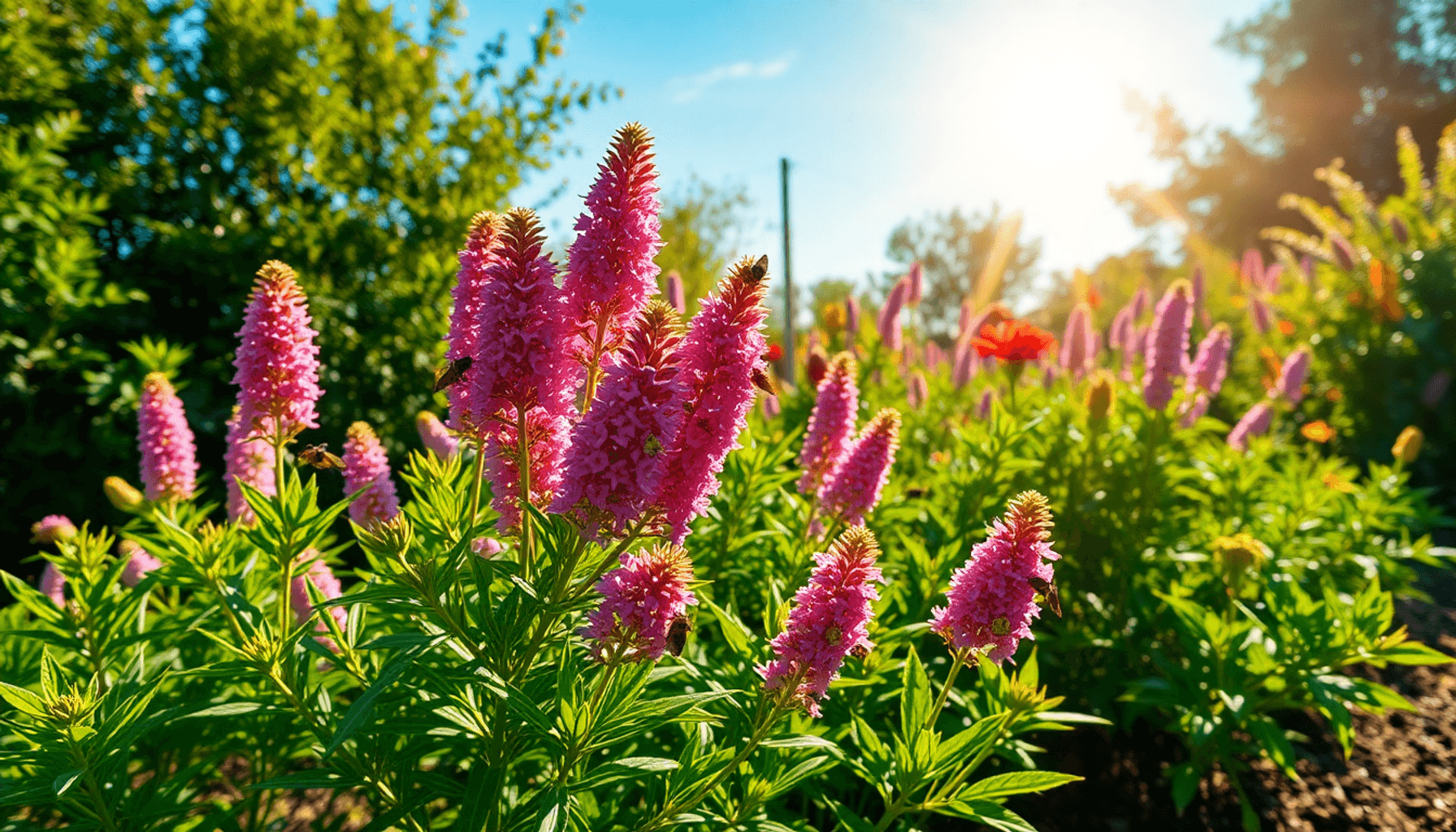

Buddleia, commonly known as the butterfly bush, is a hardy shrub that blooms in summer and is loved by gardeners for its bright and abundant flowers. Its long, curved flower spikes come in various colors—purple, pink, white, and more—bringing a stunning visual appeal to any garden.
Buddleia is easy to grow and maintain, making it a popular choice for both beginner and experienced gardeners. Its ability to withstand different climates and soil types makes Buddleia care simple and straightforward.
One of the greatest advantages of growing Buddleia is its incredible knack for attracting pollinators such as butterflies and bees. These flowers, rich in nectar, serve as crucial food sources that support local biodiversity. By planting Buddleia in your garden, you invite a vibrant ecosystem of pollinating insects that improve the health and productivity of nearby plants.
When discovering how to grow Buddleia, you’re not just nurturing an attractive shrub—you’re also establishing a friendly environment for essential pollinators while enjoying bursts of color throughout the summer season.
Understanding Buddleia: Characteristics and Benefits
Buddleia, commonly known as the butterfly bush, stands out with its striking floral display and resilience. Recognizing key Buddleia characteristics helps you appreciate why this shrub is a favorite in many gardens.
Appearance and Floral Features
- Flower spikes: Buddleia produces long, slender spikes densely packed with small, tubular flowers.
- Color variety: Flowers come in multiple shades including purple, pink, white, and blue, adding vibrant splashes of color.
- Fragrance: These flowers emit a sweet scent that enhances the sensory appeal of your garden.
- Foliage: Leaves are typically lance-shaped and can be green or gray-green, creating a textured backdrop to the blossoms.
Hardiness and Adaptability
- Buddleia thrives in a wide range of climates, from temperate regions to warmer zones.
- It tolerates various soil types — sandy, loamy, or clay — as long as drainage is adequate.
- The shrub withstands periods of drought once established but benefits from occasional watering during extended dry spells.
- Its robust nature means it can survive cold winters with minimal protection in many areas.
Role as a Pollinator-Friendly Plant
Buddleia is highly valued for its ability to attract pollinators:
- Butterflies: The nectar-rich flowers are irresistible to numerous butterfly species, earning it the "butterfly bush" nickname.
- Bees and other pollinators: Honeybees, bumblebees, and hummingbirds also frequent Buddleia blooms.
- Supporting these pollinators encourages biodiversity by helping sustain local ecosystems.
- Planting Buddleia creates a lively habitat that fosters natural pest control through beneficial insect activity.
Choosing Buddleia means bringing a hardy shrub into your garden that combines ornamental beauty with practical ecological benefits. Its adaptability suits many garden styles while supporting important pollinator populations. This makes it one of the most rewarding pollinator-friendly plants you can grow.
Best Conditions for Growing Buddleia
Understanding the ideal Buddleia growing conditions is essential to ensure your butterfly bush thrives and produces abundant flowers. Two main factors influence its success: sunlight requirements and soil type for Buddleia.
Sunlight Requirements
- Buddleia demands full sun exposure, needing at least 6 to 8 hours of direct sunlight daily.
- Planting in a sunny spot maximizes flowering and encourages strong, healthy growth.
- Lack of sufficient sunlight results in sparse blooms and leggier plants that are more prone to disease.
Soil Type for Buddleia
- Prefers well-drained soil that allows excess water to escape easily.
- Avoid areas prone to waterlogging, as soggy soil can cause root rot and weaken the plant.
- Despite its preference, Buddleia adapts well to various soil types, including sandy, loamy, or even slightly chalky soils.
- Poor soil fertility does not usually impede growth, but overly rich soils may encourage excessive leafy growth at the expense of flowers.
Additional Growing Tips
If your garden soil tends to retain moisture, consider planting Buddleia on a slight mound or raised bed to improve drainage. Incorporate organic matter such as compost into the soil before planting; this improves texture without compromising drainage. Avoid heavy clay soils unless they can be thoroughly amended.
When and How to Plant Buddleia
Choosing the right planting time for Buddleia is crucial to ensure healthy growth and abundant flowering. Spring, after the soil has warmed up, provides ideal conditions for planting butterfly bush. This timing allows roots to establish before the heat of summer arrives, giving your Buddleia a strong start.
Step-by-Step Guide on How to Plant Butterfly Bush
1. Site Selection
Select a location that receives full sun for at least 6 to 8 hours daily. The site should be open and airy to prevent moisture buildup around the plant, which can lead to fungal issues. Avoid areas prone to waterlogging.
2. Soil Preparation
Prepare the soil by loosening it to a depth of about 12–15 inches (30–38 cm). Remove weeds, stones, and debris to create a clean planting bed. If your soil is heavy clay or compacted, amend it with organic matter such as compost or well-rotted manure to improve drainage and fertility.
3. Planting Hole
Dig a hole twice as wide and just as deep as the root ball of your Buddleia plant. This gives roots room to spread easily without being cramped.
4. Spacing Between Plants
Space multiple Buddleias about 4 to 6 feet (1.2 to 1.8 meters) apart depending on the variety's mature size. This distance allows airflow between plants and prevents overcrowding, which can reduce flowering performance.
5. Planting Technique
- Gently remove the plant from its container, teasing out roots if they appear pot-bound or circling.
- Position the plant in the hole so that the top of the root ball is level with surrounding soil.
- Backfill with soil, firming gently around roots to eliminate air pockets.
- Water thoroughly immediately after planting to settle the soil.
6. Mulching
Apply a 2–3 inch (5–7 cm) layer of organic mulch such as bark chips or straw around the base of the plant, keeping mulch a few inches away from stems. Mulching helps retain moisture, suppress weeds, and regulate soil temperature.
This approach ensures your Buddleia gets off to a strong start and sets you up for success in how to grow Buddleia effectively in your garden space.
Watering and Feeding Requirements for Healthy Growth
Watering Buddleia correctly is essential, especially during the early stages of growth and in hot weather. When your butterfly bush is newly planted, it needs consistent moisture to help establish a strong root system. This means:
- Water regularly during dry spells, aiming to keep the soil moist but not waterlogged.
- Once established, Buddleia becomes more drought-tolerant but still benefits from watering during prolonged heat or dry periods.
- Avoid letting the soil dry out completely when the plant is in full leaf and actively growing, particularly through summer.
Feeding butterfly bush is straightforward because this shrub has minimal nutrient demands once mature. You can support healthy foliage and vibrant flowers by following these feeding tips:
- Apply a balanced fertilizer (such as NPK 10-10-10) in early spring as new growth begins.
- Use slow-release fertilizers or organic options like compost or well-rotted manure to provide steady nutrients.
- Avoid overfeeding; too much fertilizer can cause excessive leafy growth at the expense of flowers.
Proper watering and modest feeding encourage strong shoots, abundant flowering spikes, and a resilient plant that thrives year after year with little fuss.
Pruning and Maintenance Tips for a Lush Butterfly Bush Display
Proper pruning Buddleia is essential to maintain a healthy, vigorous butterfly bush that produces abundant flowers year after year. Buddleias bloom on new wood, so cutting back the previous season's growth encourages fresh shoots and more flower spikes. Follow these key pruning and maintenance guidelines to keep your shrub thriving:
Hard Pruning in Early Spring
- Aim to prune your Buddleia hard in early spring, before new growth begins. This usually means reducing the previous year's stems by about two-thirds.
- Cutting back encourages the plant to develop a bushier habit, resulting in more compact growth and denser flowering.
- Use clean, sharp secateurs or loppers for neat cuts and to avoid damaging the plant.
- Remove any dead or weak stems completely to improve air circulation within the shrub.
Deadheading to Extend Bloom Time
- Regularly remove spent flower spikes throughout the growing season. This practice, known as deadheading, prevents the plant from setting seed prematurely.
- Deadheading redirects energy towards producing new blooms instead of seed production.
- Keep an eye out for faded flower heads and pinch them off just below the wilted flowers.
General Maintenance Practices
- Check for any damaged, diseased, or crossing branches during pruning sessions and remove them promptly.
- Mulch around the base of your Buddleia with organic matter like compost or bark chips to conserve moisture and suppress weeds.
- Monitor plant health regularly; healthy foliage indicates good maintenance habits.
Pruning Buddleia properly combined with consistent butterfly bush maintenance promotes lush growth and vibrant floral displays that attract pollinators throughout summer.
Troubleshooting Common Issues with Your Buddleias
Growing Buddleia is generally straightforward, yet like any plant, it can encounter some challenges. Being aware of common Buddleia problems and how to address them helps ensure your butterfly bush stays healthy and vibrant.
Common Pests Affecting Buddleia
Here are some common pests that may affect your Buddleia:
- Aphids: Small, soft-bodied insects often found clustering on new growth. They suck sap from the plant, causing distorted leaves and sticky residue (honeydew).
- Spider Mites: Tiny pests that thrive in hot, dry conditions. Look for fine webbing on leaves and a speckled appearance.
- Whiteflies: Minute winged insects that feed on the underside of leaves, resulting in yellowing and weakened plants.
Pest control butterfly bush methods include:
- Spraying with insecticidal soap or neem oil as soon as you notice infestation.
- Introducing natural predators like ladybugs which consume aphids.
- Regularly inspecting new growth to catch problems early.
Diseases That May Affect Buddleia
Here are some diseases that may affect your Buddleia:
- Powdery Mildew: A fungal disease showing up as a white powdery coating on leaves and stems. It thrives in humid conditions with poor air circulation.
- Root Rot: Caused by waterlogged soil, leading to wilting and yellowing leaves. Buddleia dislikes standing water around its roots.
To prevent diseases:
- Maintain good air circulation by spacing plants properly.
- Avoid overhead watering; instead, water at the base.
- Ensure soil drains well to reduce risk of root rot.
Signs Indicating Problems with Your Buddleia
Watch for these symptoms as early warnings:
- Yellowing or curling leaves may indicate pest infestation or nutrient deficiencies.
- Black sooty mold often appears where aphids secrete honeydew.
- Wilting or stunted growth can signal root issues or drought stress.
- White powdery patches suggest powdery mildew infection.
Regular monitoring helps you act promptly to keep your Buddleia thriving. Knowing how to grow Buddleia includes recognizing when something is wrong before it spreads or worsens.
Conclusion
Buddleia is a vibrant and resilient addition to any garden. Its long spikes of fragrant flowers not only bring a splash of color but also attract butterflies, bees, and other pollinators. This makes Buddleia more than just an ornamental shrub—it becomes a supporter of local biodiversity.
Key benefits of growing butterfly bush include:
- Low-maintenance care: Once established, Buddleia requires minimal watering and feeding.
- Hardiness: Adaptable to various climates and soil types, thriving best in full sun.
- Attracting wildlife: A natural magnet for pollinators that enrich your garden’s ecosystem.
- Extended blooming period: With proper pruning and deadheading, you can enjoy continuous flowers throughout summer.
When focusing on how to grow Buddleia, remember these essential points:
- Plant in a sunny spot with well-drained soil.
- Prune hard each spring to encourage bushy growth and abundant blooms.
- Water during dry spells, especially for young plants.
- Monitor for pests like aphids and manage promptly.
Growing butterfly bush summary boils down to its ease of care combined with its environmental benefits. It brings together beauty, practicality, and ecological value—qualities every gardener appreciates. Incorporating Buddleias into your garden design offers an inviting space for wildlife while demanding little time or effort from you. This makes Buddleia a top choice whether you're a beginner or an experienced gardener aiming to boost your garden's charm and health.
FAQs (Frequently Asked Questions)
What are the key characteristics and benefits of growing Buddleia (butterfly bush)?
Buddleia, commonly known as butterfly bush, is a hardy, summer-flowering shrub recognized for its long spikes of fragrant flowers in various colors. It adapts well to different climates and soil types. One of its main benefits is attracting pollinators like butterflies and bees, promoting biodiversity in your garden.
What are the best conditions for growing a healthy Buddleia?
Buddleia thrives best when planted in full sun, receiving at least 6 to 8 hours of direct sunlight daily. It prefers well-drained soil that isn't prone to waterlogging but can tolerate a range of soil types, making it adaptable to many garden settings.
When is the ideal time to plant Buddleia and how should I do it?
The ideal time to plant Buddleia is in spring after the soil has warmed up. Choose a sunny site with well-prepared soil and space plants adequately apart. Planting involves digging a hole large enough for the root ball, placing the plant at soil level, backfilling with soil, and watering thoroughly.
How should I water and feed my Buddleia for optimal growth?
Water Buddleia regularly during dry spells, especially when newly established or during hot summer months when in full leaf. Once established, feeding needs are minimal; however, applying a balanced fertilizer in spring can support healthy growth and abundant flowering.
What pruning and maintenance practices help promote a lush butterfly bush display?
Hard pruning in early spring before new growth begins encourages a bushier habit and more abundant flowers. Additionally, removing dead flowers (deadheading) throughout the blooming period helps prolong flowering and maintains the plant's appearance.
What common problems might affect Buddleia plants and how can I address them?
Common issues include pests such as aphids and diseases like powdery mildew. Signs include distorted leaves or white powdery coatings on foliage. Regular inspection, maintaining good air circulation, and appropriate treatments like insecticidal soap or fungicides can help manage these problems effectively.