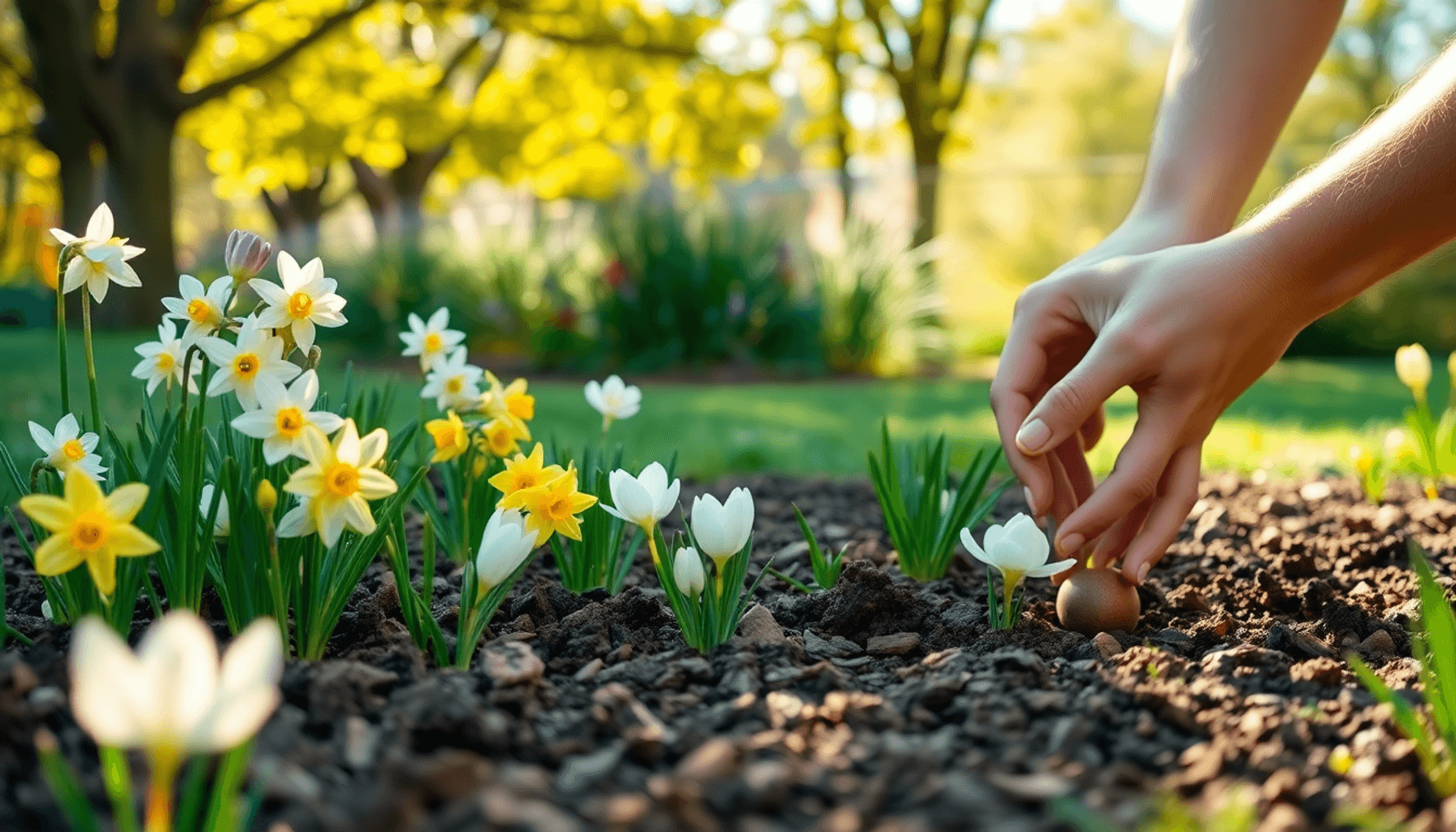

Knowing when to plant spring bulbs in the UK makes a significant difference to your garden’s spring display. Planting at the right time allows bulbs to settle in, establish roots, and prepare for vibrant flowering once the weather warms.
This timing is not just about convenience. It impacts:
- The health of the bulbs
- The strength of root development before winter sets in
- The quality and quantity of flowers that emerge in spring
Spring bulbs planting time UK guidelines help you avoid common pitfalls like poor flowering or bulb rot caused by planting too late or too early.
Planting spring bulbs at the correct time is crucial for successful blooms and healthy plants. Getting this right ensures your garden bursts into colour when spring arrives, rewarding your effort with stunning floral displays.
Understanding Spring Bulbs and Their Growth Cycle
Spring bulbs in the UK are specialized underground storage organs that support the plant’s life cycle. They contain the nutrients and energy required for rapid growth once conditions become favourable. Understanding the bulb growth cycle helps you appreciate why timing your planting correctly matters so much.
What Are Spring Bulbs?
Spring bulbs are unique structures that store energy and nutrients to support plant growth. Here's what you need to know about them:
- Storage organs: Bulbs are compact structures made up of fleshy scales or layers, which store food reserves.
- Dormant phase: They remain dormant through the warmer months and begin active growth as temperatures drop in autumn.
- Common varieties: Daffodils, crocuses, hyacinths, and tulips are some of the most popular spring bulbs found in UK gardens.
How Bulbs Grow
The growth process of bulbs starts underground before any visible signs appear above the soil. After planting:
- Root development: The bulb develops roots to anchor itself and absorb water and nutrients.
- Autumn growth: These roots grow actively during autumn when soil temperatures are cool but above freezing.
- Energy preparation: Inside the bulb, dormancy continues while it prepares energy reserves for flowering.
Autumn and Winter Preparations for Spring Flowering
During autumn and winter, bulbs go through important changes that set the stage for spring blooming:
- Root establishment: It's crucial for roots to form before the ground freezes to ensure proper nutrient uptake during winter.
- Cold temperature effects: Biochemical processes inside the bulb are triggered by cold temperatures, breaking dormancy and starting flower development.
- Carbohydrate storage: Bulbs gather carbohydrates from previous seasons to power their early spring growth.
Without a strong root system established before winter, bulbs struggle to survive harsh conditions and produce healthy flowers.
Why Root Establishment Before Ground Freezing Matters
Roots play a vital role in helping bulbs gather moisture and essential minerals from the soil. If you plant them too late:
- Insufficient root growth: Roots may not develop enough before frost sets in.
- Dehydration risk: The bulb could face dehydration or damage from freezing ground.
- Weak flowering: Flowering can be weak or may not happen at all.
Proper root growth also helps bulbs resist diseases like rot by keeping them vigorous. This critical phase explains why planting spring bulbs at the right time is essential for their success across UK climates.
Understanding this natural cycle allows you to choose optimal planting windows that align with the biology of your specific spring bulb varieties in the UK. Additionally, it's worth noting that these bulb growth cycles can vary based on specific environmental factors and bulb types, further emphasizing the importance of understanding their unique needs for successful gardening outcomes.
Ideal Planting Time for Different Spring Bulbs in the UK
Timing your bulb planting correctly makes a significant difference in the success of your spring display. Different bulbs have distinct planting windows suited to their growth needs and hardiness.
Hardy Spring-Flowering Bulbs: Crocuses, Daffodils, Hyacinths
The best time to plant daffodils UK and other hardy bulbs like crocuses and hyacinths is by the end of September. Planting during this period allows these bulbs to establish strong root systems before winter sets in, which is essential for healthy growth and vibrant flowering in spring.
- Crocus planting time UK: Typically late September, as crocus bulbs are smaller and need less depth but still require root development before frost.
- Hyacinth planting UK: Also best done by late September to early October, giving these bulbs enough time to settle.
- Daffodil planting: By the end of September ensures daffodils survive winter well and bloom with vigor.
These hardy bulbs can tolerate colder soil temperatures once established but require that initial autumn warmth to root properly.
Tulips: Later Planting Window
Tulips have a slightly different schedule. The recommended tulip planting November UK timing reflects their sensitivity to soil temperature. Tulip bulbs prefer cooler soil conditions at planting time but should avoid being planted too early when the soil is still warm, which can lead to premature sprouting or rot.
- November is ideal because the soil temperature has dropped enough to prevent early shoot growth.
- Planting tulips too early risks poor root development or rotting in warmer soils.
- Late November or even early December may work if you live in milder areas of the UK.
Flexibility and Consequences of Early or Late Planting
Some gardeners worry that missing the ideal window means missing out on spring blooms. There is some flexibility, but it comes with risks:
- Early planting: Planting hardy bulbs like daffodils or crocuses too early (August) can cause them to sprout above ground before winter, exposing shoots to frost damage.
- Late planting: Delaying beyond late October for hardy bulbs or past November for tulips reduces root establishment time. This can result in weaker plants or delayed flowering.
- Bulbs planted very late may still grow if they are healthy and the ground is not frozen yet, but expect reduced flower size and quantity.
Adhering closely to these recommended windows maximizes your chances of robust roots and abundant spring flowers. Plan accordingly based on your local climate conditions within the UK and always check soil temperature where possible.
Preparing for Planting: Soil and Location Considerations
Healthy spring bulbs depend heavily on the right soil and location. Choosing a well-drained soil is essential because bulbs sitting in waterlogged ground are prone to rot and fungal diseases. If your garden soil tends to retain water, improve drainage by adding grit, sand, or organic matter such as compost. Raised beds or mounds can also help prevent excess moisture around the bulbs’ roots.
Selecting the right spot in your garden plays a key role in successful flowering:
- Sunny locations are ideal for most spring bulbs. They encourage strong growth and vibrant blooms because sunlight fuels photosynthesis.
- Certain bulbs tolerate partial shade well. For example, snowdrops and some varieties of crocus flourish under deciduous trees where they receive light before the tree canopy fills out.
- Bulbs grown beneath trees benefit from leaf litter mulch, which protects the soil surface during winter but ensure it does not become too dense or soggy.
Preparing the soil before planting requires some groundwork:
- Clear weeds and debris from the planting area to reduce competition for nutrients.
- Loosen the soil to a depth of 15–20 cm (6–8 inches) so roots can penetrate easily.
- Incorporate organic matter like well-rotted compost or leaf mold to improve texture and fertility.
- Avoid using fresh manure directly in bulb beds as it may burn tender roots.
- Test soil pH if possible; most spring bulbs prefer slightly acidic to neutral conditions (pH 6–7).
By addressing these factors you set a strong foundation for root development and vigorous shoots come springtime. Paying attention to soil preparation for bulbs along with choosing an appropriate site aligns perfectly with when to plant spring bulbs in the UK, making sure your efforts translate into healthy, flourishing plants.
Proper Planting Techniques for Spring Bulbs
Planting bulbs correctly in the UK involves understanding how deep to plant bulbs and following established bulb planting depth guidelines. Depth is important because it influences root development, protects bulbs from frost, and supports strong flowering.
Planting Depth
- Depth rule: Plant bulbs at a depth approximately 2 to 3 times the height of the bulb.
- For example, if a bulb is 5cm tall, plant it 10–15cm deep.
- Shallow planting risks frost damage and poor root anchorage.
- Too deep planting can delay or reduce flowering since shoots must work harder to reach the surface.
Positioning of Bulbs
- Always position bulbs with the pointed end facing upwards.
- This tip is where the shoot will emerge in spring.
- The rounded or flat base contains roots; placing this downward encourages proper root growth into the soil.
Grouping Bulbs for Impact
Planting bulbs in clusters rather than single rows creates a more natural and striking display. Visual appeal increases when bulbs are grouped together rather than spaced widely apart.
- Recommended group sizes range from 6 bulbs per cluster to larger groups of 25–50 bulbs for bold colour patches.
- Clusters mimic wildflower carpets and add density to flower beds or borders.
Planting Arrangement Tips
- Mix different species and colours within clusters to create dynamic displays.
- Consider staggered heights by combining shorter crocuses with taller daffodils or tulips inside one grouping.
- Leave enough space between clusters so each patch stands out clearly but still forms part of an overall garden design.
Correct planting technique ensures your spring bulbs establish well below ground and produce vibrant blooms when their season arrives. The combination of right depth, orientation, and group planting transforms any garden space into a flourishing spring spectacle ready to impress.
Watering and Aftercare Post Planting
Watering bulbs after planting is a crucial step to ensure they establish strong roots before winter sets in. If the soil is dry when you finish planting, give the bulbs a thorough watering. This initial moisture helps settle the soil around the bulbs and kickstarts root development. Avoid waterlogging, which can cause bulbs to rot — aim for moist but well-drained conditions.
Basic aftercare during autumn and winter supports healthy root growth and protects bulbs from fungal diseases:
- Monitor Soil Moisture: Check the soil regularly. If rainfall is insufficient and the soil feels dry several inches below the surface, water lightly to maintain consistent moisture.
- Mulching: Apply a layer of mulch such as shredded bark, leaf mold, or straw over the planted area. Mulch moderates soil temperature fluctuations, retains moisture, and suppresses weeds that could compete for nutrients.
- Avoid Disturbance: Resist digging or walking on bulb beds once planted. Compacted soil and physical damage can hinder root establishment.
- Prevent Rot: Ensure good drainage by avoiding heavy clay soils or improving them with organic matter like compost or grit. Avoid excessive watering during wet spells.
Good aftercare practices set the stage for vigorous shoots in spring. Healthy roots developed during colder months allow bulbs to absorb nutrients efficiently and support robust flowering later on.
Handling Late Planting and Container Growing Options
Late bulb planting UK gardeners sometimes face happens when the ideal planting window slips due to weather or availability. Planting spring bulbs in late autumn or even early winter remains possible, but success depends heavily on bulb health. Inspect bulbs thoroughly before planting: avoid any that feel soft, mushy, or show signs of mold or rot. Healthy bulbs maintain firmness and have no discoloration.
Tips for Late Planting
When planting late:
- Work quickly: Prepare the soil and plant without delay to allow roots some time before the ground freezes.
- Choose hardy varieties: Some bulbs tolerate late planting better, such as daffodils and crocuses.
- Protect newly planted bulbs: Mulching can help insulate soil and prevent freeze-thaw cycles damaging delicate roots.
Benefits of Container Growing
Container spring bulbs care offers an excellent alternative for those with limited garden space or who want to control timing more precisely. Growing bulbs in containers allows you to start them indoors or place them in sheltered spots outdoors.
Key Points for Container Spring Bulbs Care
- Use well-draining compost: A high-quality multi-purpose compost mixed with grit, sand, or perlite ensures good drainage, essential to prevent bulb rot.
- Select suitable containers: Pots with drainage holes are necessary to avoid waterlogging.
- Plant at correct depth: Maintain the 2-3 times bulb height guideline even in containers for healthy root development.
- Water appropriately: Water immediately after planting to settle the compost around roots. Thereafter, keep compost moist but not wet during root establishment.
- Position wisely: Place containers in sunny or partially shaded spots similar to garden conditions preferred by your chosen bulbs.
Growing spring bulbs in containers also allows you to move them indoors if severe frosts threaten, giving you greater control over their environment and bloom timing.
Late bulb planting UK gardeners manage successfully by selecting healthy bulbs and providing good soil conditions. Container growing adds flexibility and extends options for enjoying vibrant spring flowers regardless of outdoor constraints.
Summary and Key Takeaways
Planting spring bulbs at the right time is key to achieving vibrant blooms and healthy plants throughout the UK. This spring bulb planting summary UK highlights essential points to keep in mind when planning your garden display.
-
Group bulbs for visual impact: Plant bulbs in clusters rather than singly. Groups of six or more create a natural, eye-catching effect. For a bold display, consider 25-50 bulbs together, which maximizes color and texture in your spring garden.
-
Timing varies by bulb type: Hardy bulbs like daffodils, crocuses, and hyacinths should be planted by the end of September. Tulips prefer later planting around November. Each bulb’s schedule ensures it roots well before the ground freezes.
-
Flexibility with late planting: If you miss the ideal period, late autumn or early winter planting remains an option—provided you select healthy, firm bulbs free of rot or softness. This flexibility means you can still enjoy spring blooms even if your schedule shifts.
-
Soil and location matter: Well-drained soil prevents rot and supports root health. Choose sunny spots or partial shade areas, such as beneath deciduous trees, where many spring bulbs thrive.
-
Planting depth and orientation: Bulbs need to be planted two to three times their height deep with the pointed end facing upwards. This positioning promotes strong shoots pushing through the soil come springtime.
-
Aftercare supports success: Water bulbs after planting when soil is dry to boost root establishment. Basic care during autumn and winter ensures robust growth and prepares bulbs for flowering.
This guide on When to Plant Spring Bulbs in the UK equips you with practical knowledge to time your bulb planting perfectly. Following these recommendations enhances your chances for a stunning springtime garden filled with healthy, colorful blooms year after year.
FAQs (Frequently Asked Questions)
When is the best time to plant spring bulbs in the UK?
The ideal time to plant hardy spring-flowering bulbs such as crocuses, daffodils, and hyacinths is by the end of September. Tulips are best planted later, around November. Planting at the right time ensures successful blooms and healthy plants.
Why is timing important when planting spring bulbs in the UK?
Timing is crucial because bulbs need to establish roots before the ground freezes in autumn and winter. Proper root establishment supports healthy growth and vibrant flowering in spring.
How should I prepare soil and choose a location for planting spring bulbs in the UK?
Spring bulbs thrive in well-drained soil, preferably in sunny locations. Some bulbs tolerate partial shade or can be planted under deciduous trees. Preparing soil by loosening it and ensuring good drainage promotes bulb health.
What are the proper planting techniques for spring bulbs in the UK?
Plant bulbs at a depth two to three times their height with the pointed end facing upwards. Grouping bulbs in clusters enhances visual impact; recommended numbers per group vary depending on bulb size and desired display.
How should I care for spring bulbs after planting in the UK?
Water bulbs thoroughly after planting, especially if the soil is dry. During autumn and winter, provide basic aftercare to support root growth and prevent rot, such as avoiding waterlogging and monitoring soil moisture.
Can I plant spring bulbs late or grow them in containers in the UK?
Late autumn or early winter planting is possible if bulbs are healthy and free from rot or softness. Spring bulbs can also be successfully grown in containers using suitable compost and regular watering to maintain moisture levels.