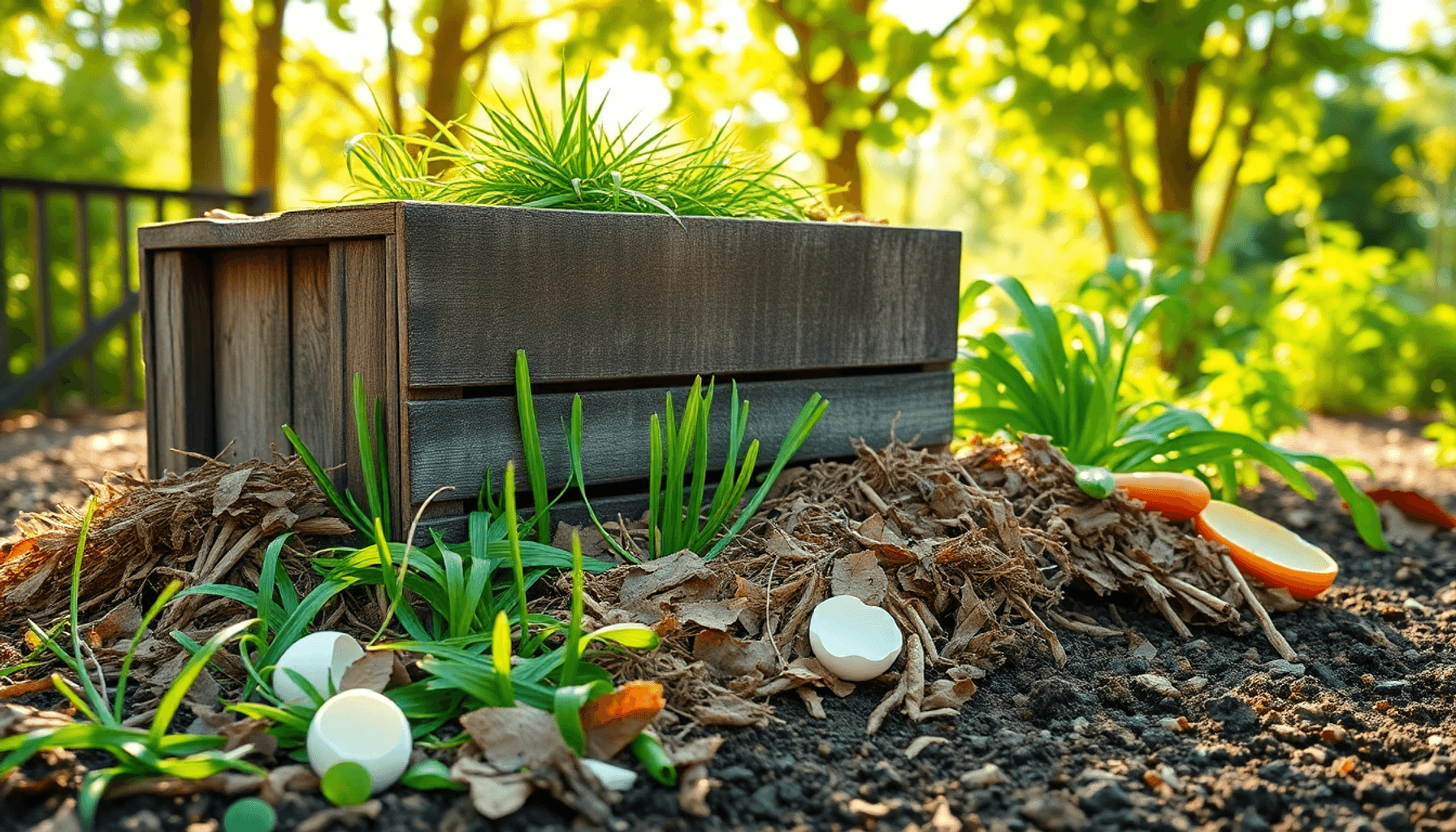

Composting is a natural process where organic waste breaks down into nutrient-rich material that improves soil and supports healthy plant growth. Using a compost bin allows you to recycle kitchen scraps and garden waste, turning them into valuable compost that enriches your garden soil, retains moisture, and reduces the need for chemical fertilizers.
Knowing what to put in a compost bin is crucial for successful composting. Not all materials break down efficiently or safely; some can cause unpleasant odors, attract pests, or slow the decomposition process. Understanding the right materials ensures your compost bin works efficiently and produces high-quality compost.
This article focuses on composting basics and explores suitable materials for your compost bin. You will learn about the two main categories of compost inputs—greens and browns—their roles in the decomposition process, additional acceptable items in moderation, as well as what to avoid putting into your compost bin. With this knowledge, you can manage your compost effectively and contribute to sustainable gardening practices.
Understanding Composting Materials
When you start working with a compost bin, understanding the different types of compost materials is essential. These materials fall into two primary categories: greens and browns. Each plays a distinct role in turning your organic waste for compost into nutrient-rich soil.
Greens: Nitrogen-Rich Materials
Greens are the fresh, moist, and nitrogen-rich components of your compost. Think of them as the fuel that powers the microbial activity necessary for decomposition. Examples include:
- Grass clippings
- Vegetable scraps
- Fruit peels
- Annual weeds
- Kitchen plant-based waste
Nitrogen from greens stimulates microorganisms to break down the organic matter efficiently. Without enough greens, the compost process slows down because microbes lack the protein-building blocks they need.
Browns: Carbon-Rich Materials
Browns provide carbon, which is equally important but serves a different purpose. These materials are dry, fibrous, and help balance moisture and structure inside the compost bin. Common browns include:
- Dry leaves
- Straw and hay
- Shredded paper or cardboard
- Woody prunings and hedge trimmings (preferably shredded)
- Dead stems
Carbon acts as an energy source for microorganisms and helps maintain aeration by preventing the compost pile from becoming compacted or soggy.
Balancing Greens and Browns for Effective Decomposition
Maintaining the right ratio between greens and browns is crucial. An imbalance can lead to problems such as:
- Too many greens → slimy, smelly compost due to excess moisture and nitrogen
- Too many browns → slow decomposition because microbes lack nitrogen to thrive
A good rule of thumb is aiming for about 25–50% greens mixed with 50–75% browns by volume. This balance creates an environment where microbes can work efficiently, speeding up the breakdown process while avoiding odors or compaction issues.
Remember: Both greens and browns come from everyday organic waste around your home or garden. Knowing how to combine these materials optimally will set you on the path to successful composting. For further insights into this topic, consider exploring what Yale experts have to say about compost.
Greens: Nitrogen-Rich Materials Suitable for Compost Bins
Nitrogen-rich compost materials, commonly referred to as greens, play a crucial role in jump-starting the composting process. These green compost items provide the nitrogen necessary to fuel microbial activity, which breaks down organic matter into nutrient-rich humus.
Examples of Green Compost Items
Here are some examples of green compost items:
- Grass clippings: Freshly cut lawn grass is rich in nitrogen and moisture, making it a prime green material.
- Annual weeds: Without seeds, pulled or cut weeds add valuable nitrogen without risk of spreading.
- Vegetable peelings: Scraps like carrot tops, potato skins, and celery ends contribute nitrogen and break down quickly.
- Old fruits and vegetables: Overripe or spoiled produce can be composted unless moldy or diseased.
- Kitchen plant-based scraps: Coffee grounds, tea leaves, and fruit cores all count as greens.
These materials tend to be moist and soft, which helps microbes thrive. The nitrogen they supply balances the carbon from brown materials, ensuring efficient decomposition.
How Greens Activate the Composting Process
Nitrogen is essential for building proteins within the microorganisms that digest the organic waste. Without enough nitrogen-rich inputs:
- Decomposition slows dramatically
- Compost piles may become dry and inactive
- Nutrient content in finished compost decreases
Greens act like a catalyst in this biological reaction by accelerating the breakdown of browns such as dry leaves and shredded paper.
Tips for Using Greens Properly
Handling green materials requires attention to prevent common issues like slimy messes and foul odors:
- Mix greens with browns immediately. Layer grass clippings or vegetable scraps with dry leaves or straw to improve aeration.
- Avoid adding large quantities of fresh grass at once. Thick layers can mat down and create anaerobic conditions.
- Chop or shred kitchen scraps before adding them. Smaller pieces decompose faster and blend evenly with other materials.
- Monitor moisture levels. Greens add moisture but too much wetness causes sliminess; balance by adding dry browns if needed.
Using greens thoughtfully keeps your compost pile active, well-aerated, and free from unpleasant conditions that slow the process. The nitrogen they supply is key to producing healthy, fertile compost ready to enrich your garden soil.
Browns: Carbon-Rich Materials Suitable for Compost Bins
When considering What Can You Put in a Compost Bin?, brown compost items are essential. These materials are carbon-rich compost materials that balance the nitrogen provided by greens and add structure to your compost pile.
Examples of Brown Compost Items
- Dry prunings: Small branches and twigs trimmed from shrubs or trees.
- Hedge trimmings (shredded): Hedge cuttings work best when shredded to encourage faster decomposition.
- Dead stems: Leftover plant stalks from annual flowers or vegetables.
- Straw: A lightweight, fibrous material that aerates the compost.
- Shredded paper and cardboard: Newspaper, office paper, and corrugated cardboard torn into small pieces contribute carbon without overwhelming the pile.
How Browns Provide Structure and Balance
Carbon-rich compost materials serve as the backbone of the compost mix. They:
- Create air pockets that improve airflow, preventing anaerobic conditions.
- Absorb excess moisture released by green materials to avoid sogginess.
- Slow down decomposition slightly, allowing microbes to work steadily without overheating.
This balance between greens and browns is crucial for maintaining an active, healthy compost environment.
Importance of Shredding or Chopping Larger Brown Materials
Large brown items like prunings, hedge trimmings, or cardboard sheets take longer to break down if added whole. Smaller pieces expose more surface area to microbes and speed up decomposition significantly.
Practical tips for managing browns include:
- Use garden shears or a shredder to reduce woody materials into manageable sizes.
- Tear paper and cardboard by hand into strips or small squares before adding.
- Mix chopped browns thoroughly with greens to distribute carbon evenly throughout the bin.
By paying attention to the size and texture of carbon-rich materials, you optimize microbial activity and keep your compost bin balanced and efficient.
Additional Acceptable Compost Bin Materials in Moderation
Some materials don’t fit neatly into the green or brown categories but can still benefit your compost bin when added sparingly. These include:
1. Eggshells (crushed)**
Eggshells are a useful source of calcium, which helps balance soil pH and supports plant cell wall strength. Crushing them before adding speeds up decomposition and prevents large shell pieces from lingering in your compost. Avoid adding too many at once to prevent slowing down the microbial activity.
2. Hair and Nail Clippings
Human and pet hair, along with nail clippings, contain nitrogen and trace minerals. They break down slowly, so add them in small amounts mixed well with other materials. Hair mats can form if added excessively, reducing airflow and slowing composting, so moderation is key.
3. Natural Fibers like Wool or Cotton
Natural textiles made from wool, cotton, or other plant-based fibers can be composted if free from synthetic dyes or chemicals. Cut or shred these fibers before adding to help microbes access the material more easily. These fibers contribute carbon and improve the texture of the compost mix.
Considerations when adding these items:
- Balance is essential. Too much of any one material can upset the composting process.
- Chopping or crushing helps speed up breakdown.
- Avoid synthetic or treated materials that won’t decompose properly.
- Mixing these materials thoroughly with greens and browns encourages aeration and prevents clumping.
Adding eggshells in compost, hair and nail clippings composting, and natural fibers composting provide diversity to your pile’s nutrient profile while supporting healthy microbial activity—just keep quantities reasonable to maintain an efficient, well-functioning bin.
Materials to Avoid Putting in a Home Compost Bin
Knowing what not to put in a compost bin is essential to maintain a healthy, efficient composting process. Certain materials can cause problems such as attracting pests, slowing down decomposition, or contaminating your compost.
Unsuitable Items for Your Compost Bin
- Meat and fish scraps: These are highly prone to vermin attraction. Rodents, raccoons, and other unwanted animals are drawn to the strong odors. Meat and fish also take much longer to break down compared to plant-based materials and can create unpleasant smells.
- Dairy products: Milk, cheese, yogurt, and butter introduce excess moisture and fats that disrupt the compost balance. Like meat, they attract pests and increase the risk of harmful bacteria developing in your bin.
- Cooked food leftovers: Unless you have a hot sealed system designed for safely processing cooked foods, avoid adding these. Cooked meals often contain oils, salts, and preservatives that hinder microbial activity and lead to slow or uneven decomposition.
- Coal and coke ash: These ashes contain chemicals harmful to soil life. Adding them can introduce toxins that persist rather than break down naturally. Use wood ash from untreated wood sparingly instead if you want to add ash.
Other common harmful compost materials include:
- Pet waste (cat litter, dog feces) because of pathogens
- Diseased plants that might spread infections
- Synthetic materials like plastics or treated wood
Why Avoid These Materials?
- Vermin attraction: Food scraps such as meat and dairy produce strong odors that invite rodents and other pests. This not only disrupts your compost but can become a neighborhood nuisance.
- Slow decomposition: Animal-based products contain fats and proteins that decompose more slowly than plant matter. This imbalance stalls the process for weeks or months.
- Contamination risks: Harmful bacteria or chemicals from unsuitable inputs can survive in your compost. When added back to soil or plants, these contaminants may cause damage or health concerns.
Avoiding harmful compost materials ensures your bin stays clean, your compost breaks down efficiently, and you reduce the chances of pests invading your garden space. Staying mindful about what goes into the bin protects both the environment you’re creating inside it and the plants you will eventually nourish with its contents.
Best Practices for Managing Your Compost Bin Contents
Managing compost bin contents effectively requires a good understanding of the balance between greens and browns. This balance is crucial for maintaining the right conditions that enable microbes to break down organic matter efficiently.
Balancing Greens and Browns
- Aim for 25–50% greens by volume. These nitrogen-rich materials, such as grass clippings and vegetable scraps, provide the proteins microbes need to multiply.
- Include about 50–75% browns by volume. Carbon-rich materials like dry leaves, shredded paper, and straw offer structure and energy sources that support microbial activity.
- Avoid letting either greens or browns dominate. An excess of greens leads to a slimy, smelly mess; too many browns slow down decomposition.
Mixing Grass Clippings with Browns
Grass clippings are one of the most common green materials but can easily become compacted and slimy if not mixed properly. To prevent this:
- Layer grass clippings with dry brown materials after each addition.
- Spread clippings thinly rather than dumping large piles in one spot.
- Turn or aerate the pile regularly to introduce oxygen and distribute moisture evenly.
Shredding Compost Materials
Shredding or chopping larger pieces, especially browns like branches or cardboard, speeds up decomposition by increasing surface area exposed to microbes.
- Use garden shears or shredders for woody prunings.
- Tear paper and cardboard into small strips before adding.
- Smaller pieces help maintain good airflow inside the pile, reducing odors and enhancing breakdown.
Mastering these techniques in managing compost bin contents ensures your compost stays active, healthy, and ready to enrich your garden soil. Knowing What Can You Put in a Compost Bin? is just part of the process—handling those materials properly is equally important for successful composting.
Setting Up Your Compost Bin Environment for Success
Creating the ideal location for a composter is a critical step for efficient decomposition and a healthy compost environment. Select a spot that is sheltered and shady rather than exposed to direct, harsh sunlight. Excessive sun can dry out your compost too quickly, while shelter protects it from heavy rain that might saturate the pile.
Importance of Drainage
Drainage is another essential factor. Position your bin where water won't pool around or inside it. Good drainage prevents the compost from becoming waterlogged, which can suffocate microbes and cause unpleasant odors.
Maintaining Proper Moisture Levels
Maintaining proper moisture levels in the bin supports optimal microbial activity. The compost should feel like a damp sponge—not dripping wet nor bone dry. If your pile is too dry, decomposition slows because microbes lack the moisture needed to thrive. If it's too wet, oxygen access diminishes, promoting anaerobic bacteria that produce foul smells and slow breakdown.
The Role of Aeration
Aeration in a composter plays an important role alongside moisture management. Oxygen fuels the aerobic microbes responsible for breaking down organic matter efficiently. You can promote aeration by:
- Turning or mixing the compost regularly with a pitchfork or compost aerator tool.
- Adding coarse brown materials like shredded prunings or straw to create air pockets.
- Avoiding compacting materials tightly when layering.
Balancing moisture with good aeration creates an environment where beneficial organisms flourish, speeding up compost maturity and reducing odor problems.
Setting your compost bin in this thoughtfully chosen environment lays the foundation for successful decomposition and nutrient-rich finished compost ready to enrich your garden soil.
Recognizing Mature Compost and Its Uses
Knowing the mature composter characteristics helps you determine when your compost is ready to use. Finished compost, sometimes called humus, has distinct visual and sensory qualities that set it apart from unfinished material.
How to Identify Finished Composter
- Color: Mature compost is a rich, dark brown or almost black. The dark color indicates that most organic matter has broken down.
- Texture: It should feel crumbly and loose, similar to soil. You won't see recognizable food scraps, leaves, or twigs anymore.
- Smell: Properly finished compost smells earthy and fresh, reminiscent of damp woodland. Avoid compost that smells sour or rotten; this suggests incomplete decomposition.
- Temperature: A mature pile cools down to ambient temperatures. Active compost heats up during breakdown but cools as it finishes.
Uses and Benefits of Mature Compost
Mature compost acts as a natural soil conditioner with several advantages:
- Improves Soil Structure: It enhances soil aggregation, making clay soils less compact and sandy soils better at retaining moisture.
- Increases Nutrient Content: Provides slow-release nutrients that nourish plants without causing nutrient burn.
- Boosts Microbial Activity: Adds beneficial microbes that support plant health and improve disease resistance.
- Enhances Water Retention: Helps soil hold water more efficiently, reducing the need for frequent watering.
- Reduces Waste: By returning organic matter to the garden, it closes the nutrient cycle and cuts landfill waste.
Using mature compost as mulch around plants or mixing it into garden beds enriches the growing environment significantly. Recognizing when your compost is done ensures you apply this valuable resource at its best stage.
Conclusion
Understanding what can you put in a compost bin is crucial for making the most of your composting efforts. By using the right materials, you can turn your kitchen scraps and yard waste into nutrient-rich compost that benefits your garden and reduces waste.
Remember these key tips for successful composting at home:
- Maintain a balanced mix of green and brown materials to promote efficient decomposition.
- Steer clear of unsuitable items such as meat, dairy, and treated ashes that can disrupt your compost or attract pests.
- Keep an eye on moisture levels and regularly aerate your compost pile to create an optimal environment for microorganisms.
- Be patient and know when your compost is ready—look for dark, crumbly texture and a pleasant earthy smell.
Using your compost wisely supports sustainable gardening practices by improving soil quality, retaining moisture, and providing natural nutrients. Each scoop of finished compost enriches your garden without relying on synthetic fertilizers.
By following these best practices, you're not only benefiting your plants but also contributing to a healthier planet. Embrace the art of composting with confidence, knowing that every organic waste item you add (or exclude) plays a role in creating high-quality compost and nurturing your garden ecosystem.
FAQs (Frequently Asked Questions)
What types of materials can I put in a compost bin?
You can put organic waste categorized as greens and browns into a compost bin. Greens are nitrogen-rich materials like grass clippings, vegetable peelings, and kitchen plant scraps. Browns are carbon-rich materials such as dry prunings, shredded paper, straw, and dead stems. Balancing these materials is essential for effective composting.
Why is it important to balance greens and browns in composting?
Balancing greens (nitrogen-rich) and browns (carbon-rich) is crucial because greens activate the composting process by providing nitrogen, while browns add structure and carbon to the mix. A proper balance—typically 25–50% greens and 50–75% browns by volume—ensures efficient decomposition and prevents issues like slimy messes or foul odors.
Can I add eggshells, hair, or natural fibers to my compost bin?
Yes, you can add items like crushed eggshells, hair and nail clippings, and natural fibers such as wool or cotton occasionally. These materials contribute additional nutrients but should be added in moderation to maintain a healthy compost balance.
What materials should I avoid putting in my home compost bin?
Avoid adding meat, fish, dairy products, cooked food (unless using a hot sealed system), coal ash, and coke ash to your compost bin. These items can attract pests, decompose slowly, or contaminate the compost, hindering the composting process.
How do I maintain optimal conditions for successful composting?
Place your compost bin in a sheltered shady spot with good drainage. Maintain moisture levels so the contents are not too wet or dry to support microbial activity. Regularly mix the contents to aerate the pile and shred larger brown materials to speed up decomposition.
How can I recognize when my compost is mature and ready to use?
Mature compost typically has a dark brown color and crumbly texture with an earthy smell. It no longer resembles the original materials and improves soil structure when added to garden beds or pots.