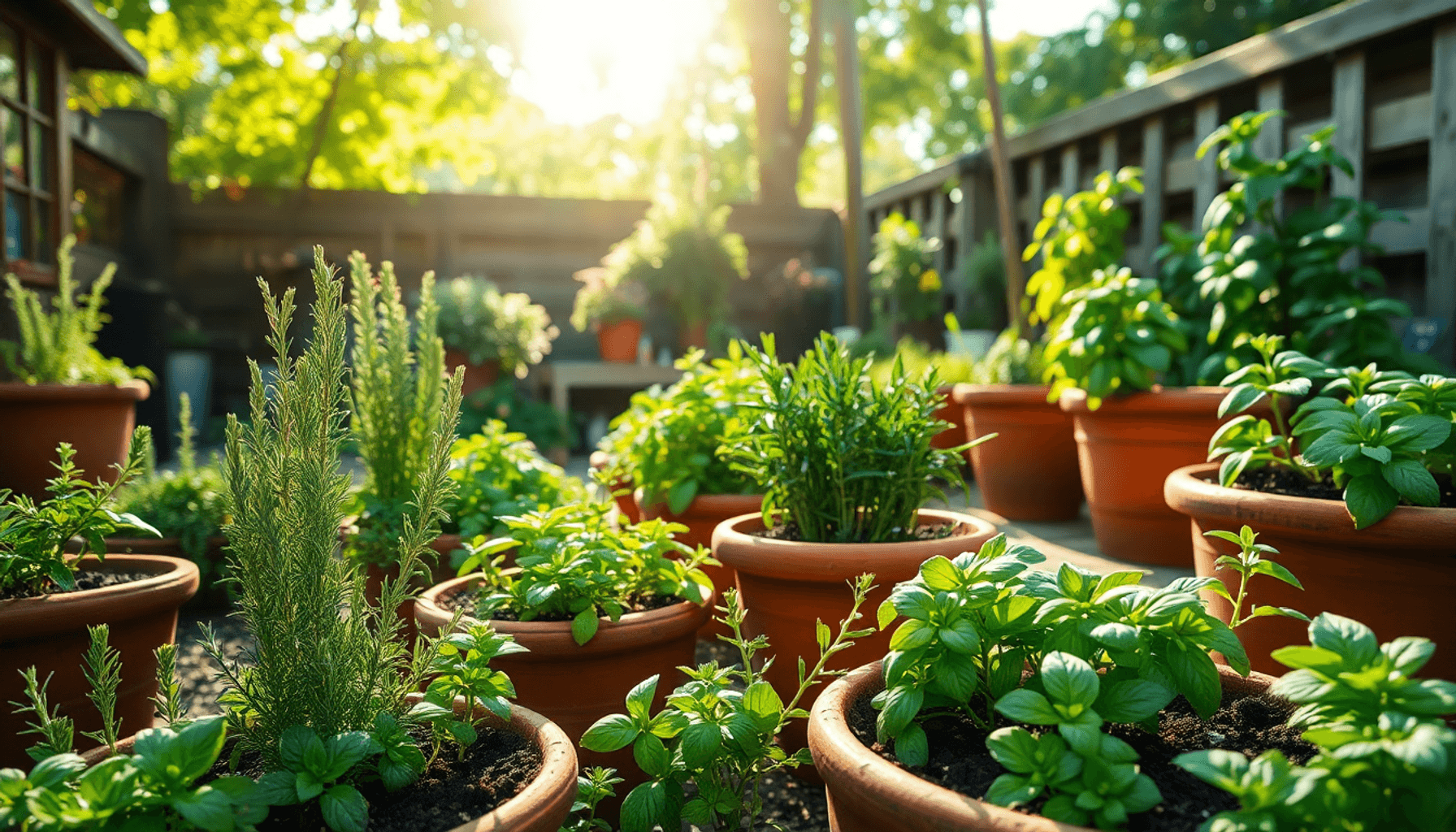

Growing your own herbs in the UK offers a unique blend of satisfaction and practicality. The simple act of nurturing plants from seed or cutting to harvest connects you directly with nature and enhances your cooking with fresh, vibrant flavours. This guide, The Complete Guide to Growing Herbs in the UK, is designed to equip you with everything you need for successful herb gardening.
Herb gardening in the UK comes with specific challenges and rewards. The climate varies widely across regions, influencing which herbs thrive best and when to plant them. Understanding your local weather patterns, soil type, and garden exposure sets a strong foundation for healthy plants.
Key factors to consider include:
- Climate Conditions: Many herbs prefer mild temperatures but need protection from harsh winds and frost.
- Soil Quality: Well-drained, nutrient-rich soil with a slightly alkaline pH supports optimal herb development.
Benefits of growing herbs yourself extend beyond flavour enhancement:
- You have control over pesticide use, ensuring cleaner, organic ingredients.
- Freshly picked herbs offer superior aroma and taste compared to store-bought alternatives.
- Cultivating herbs can be a therapeutic hobby, reducing stress while beautifying your outdoor or indoor space.
- It reduces dependency on commercial supply chains, making your kitchen more self-sufficient.
This herb gardening guide UK focuses on practical advice tailored to the conditions you face as a grower in Britain. Whether you have a sprawling garden or just a sunny windowsill, growing herbs UK-style can be rewarding and accessible.
Understanding the Basics of Herb Growing in the UK
Growing herbs successfully in the UK starts with mastering the essentials of sunlight, soil, and climate — all crucial factors that influence plant health and yield.
Sunlight for Herbs UK
Herbs flourish when they receive 6-8 hours of full sun each day. This level of sunlight exposure supports photosynthesis, essential for strong growth and flavour development. South-facing garden spots, window sills, or balconies are ideal locations to meet this requirement. Herbs grown in shaded or partially shaded areas tend to grow leggy, produce fewer leaves, and develop weaker flavours.
Soil Requirements for Herbs
The soil you choose must be:
- Well-drained: Avoid waterlogged soil which can cause root rot. Drainage is especially important for Mediterranean herbs like rosemary and thyme.
- Organic-rich: Incorporate compost or well-rotted manure to supply nutrients that support vigorous herb growth.
- Slightly alkaline, with a pH between 6.0 and 7.0: Most culinary herbs prefer this range as it enables optimal nutrient uptake.
For gardeners facing heavy clay soils—a common issue in many parts of the UK—improving drainage is vital. Adding sharp sand or grit helps break up dense clay, allowing excess water to pass through while preventing roots from becoming waterlogged.
UK Climate for Herbs: Key Considerations
The British climate presents specific challenges such as cool temperatures, wind exposure, and occasional heavy rain. Protecting herbs from these elements improves their chance to thrive.
- Choose sheltered locations, such as near walls or fences, which provide natural windbreaks.
- Raised beds or containers can elevate plants above cold, damp ground.
- Use cloches or fleece during colder snaps to shield tender herbs from frost damage.
Understanding these conditions will help you select planting sites that offer protection while capturing maximum sunlight. Many classic herbs adapt well to the UK's temperate climate when given these basic environmental supports.
This foundation of sunlight, soil quality, and microclimate sets you up for success before even planting the first seed or seedling. Next, selecting herbs suited to your garden’s specific conditions ensures a flourishing herb collection that meets your culinary needs year-round.
Choosing the Right Herbs for Your Garden
Selecting the right herbs to grow in your UK garden depends on your local climate, soil conditions, and your experience level. Understanding which herbs are hardy and which are tender annuals helps you plan a thriving herb garden that suits your space and needs.
Hardy Herbs UK: Ideal for Beginners
Hardy perennial herbs are a reliable choice for those starting out or looking for low-maintenance plants. These herbs withstand the UK climate well, often returning year after year with minimal care. Consider these five staples:
-
Chives
Resilient and easy to grow, chives tolerate most soils and prefer full sun. Their mild onion flavour enhances salads and soups. -
Thyme
A Mediterranean herb that thrives in well-drained soil. Thyme is drought-tolerant once established and adds a robust aroma to many dishes. -
Rosemary
With its woody stems and needle-like leaves, rosemary prefers slightly alkaline soil and protection from harsh winds. It’s excellent for roasting meats or infusing oils. -
Sage
Sage grows best in sunny, sheltered spots with well-drained soil. Its soft, grey-green leaves have a distinctive earthy flavour. -
Parsley
Parsley adapts easily to various conditions but prefers moist, fertile soil. Both curly and flat-leaf varieties are popular culinary herbs in the UK.
These hardy herbs provide a strong foundation for any garden because they are less sensitive to temperature fluctuations common in the UK.
Tender Annual Herbs UK: Temperature-Sensitive Choices
Tender annuals require more attention since they cannot survive frost or cold temperatures typical of early spring or autumn. Basil is the most popular tender herb grown here:
- Basil
Requires soil temperatures around 15°C before planting outdoors, usually late May onwards. Basil demands plenty of sunlight (6-8 hours daily) and well-draining, nutrient-rich soil. You can start basil indoors earlier using seed trays or pots near south-facing windows to extend its growing season.
Other popular annual culinary herbs needing similar care include:
-
Coriander (Cilantro)
Prefers cooler weather than basil but still needs protection from frost. Grows quickly from seed and is often sown directly outdoors once risk of frost passes. -
Dill
Thrives in full sun with good air circulation; it bolts quickly if temperatures rise too high. -
Mint
Vigorous grower that tolerates partial shade but can become invasive if not contained—ideal for pots or confined garden beds. -
Tarragon
French tarragon is more tender than Russian varieties; it prefers warm sites sheltered from wind with well-drained soil. -
Oregano
Though perennial in milder areas, oregano behaves as a half-hardy herb requiring winter protection in colder parts of the UK. -
Bay (Laurus nobilis)
A slow-growing shrub suited to containers where it can be moved indoors during winter months or protected with fleece outdoors.
Best Culinary Herbs UK: Tailoring Growing Needs
Each herb has specific preferences regarding watering frequency, pruning, and soil type:
| Herb | Soil Preference | Sunlight | Watering Needs | Notes |
Growing Methods: Indoors vs Outdoors
Growing herbs in the UK offers two main options: indoor herb gardening and outdoor cultivation. Each method comes with distinct advantages and challenges, allowing you to tailor your approach based on space, climate, and personal preferences.
Indoor Herb Gardening
Pros:
- Year-round growth independent of seasonal weather fluctuations.
- Control over environmental factors such as temperature, humidity, and light.
- Protection from pests and harsh weather conditions.
- Ideal for those with limited or no garden space.
Cons:
- Limited natural sunlight; requires careful site selection or supplemental lighting.
- Potentially higher maintenance due to indoor conditions (e.g., monitoring humidity).
- Space constraints may restrict the number or size of herb plants.
Requirements for Successful Indoor Growing:
- Light: Herbs demand 6-8 hours of bright light daily. Position plants near south-facing windows to maximize natural sunlight exposure. When natural light is insufficient, especially during shorter UK days in winter, LED grow lights for herbs provide an effective alternative. These lights mimic sunlight wavelengths beneficial for photosynthesis without excess heat.
- Temperature: Maintain a stable room temperature between 18°C and 24°C. Avoid placing plants near drafts, heaters, or air conditioning vents that cause sudden temperature changes.
- Air Circulation: Good airflow reduces the risk of fungal diseases. Use a small fan if needed to keep air moving gently around your herbs.
Outdoor Herb Gardening
Pros:
- Natural lighting conditions promote robust growth.
- Generally larger growing area allows for more variety and quantity.
- Herbs benefit from natural rainfall and airflow reducing some watering and pest issues.
Cons:
- Vulnerable to unpredictable weather including cold snaps, heavy rain, or strong winds.
- Higher potential exposure to pests and diseases common in the garden environment.
- Seasonal limitations restrict tender herbs' growing period unless protected.
Outdoor Site Selection and Preparation Tips:
- Choose a sheltered location that receives full sun (6–8 hours) but is protected from strong winds which can damage delicate foliage.
- Ensure well-drained soil, mixing in sand or grit if you have heavy clay soils common in many UK gardens. This improves root health by preventing waterlogging.
- Prepare planting beds with organic matter like compost to enrich soil nutrients while maintaining a slightly alkaline pH (6.0–7.0), ideal for most culinary herbs.
- Consider raised beds or containers outdoors to improve drainage and soil control further.
Balancing these factors will help you decide whether indoor herb gardening or outdoor herb gardening suits your lifestyle best while maximizing plant health and yield.
Container Gardening Techniques for Herbs in the UK
Container gardening herbs UK style offers a practical solution when outdoor space is limited or soil conditions are less than ideal. It allows you to control soil quality, moisture levels, and sunlight exposure more precisely. You can move containers indoors during colder months or position them for optimal light throughout the year.
Choosing the Best Containers for Herbs
- Drainage is critical: Select containers with adequate drainage holes to prevent waterlogging, which leads to root rot and poor herb health.
- Minimum depth: Containers should have at least 150mm (6 inches) depth to accommodate root systems comfortably, allowing herbs room to grow without becoming root-bound.
- Terracotta pots are breathable and help excess moisture evaporate but may dry out faster. Plastic containers retain moisture longer and are lighter, making them easier to move.
- Size: Larger pots support bigger plants or grouped herbs, while smaller pots suit compact herbs like chives or thyme.
Grouping Herbs by Water and Soil Needs
Herbs vary widely in their watering and soil preferences. Grouping them accordingly helps maintain healthy growth. Planting Mediterranean herbs together avoids overwatering sensitive species, while leafy annuals benefit from nutrient-rich mixes that support fast growth.
Mediterranean Herbs (rosemary, thyme, oregano, sage)
- Use well-drained, gritty soil mixes with added sand or fine gravel.
- Water less frequently; these herbs tolerate drier conditions.
Leafy Annuals (basil, coriander, mint, parsley)
- Use richer organic compost with consistent moisture.
- Water more frequently but avoid waterlogging the roots.
Suitable Soil Mixes for Different Herb Types
Creating the right growing medium makes a significant difference. Avoid using garden soil directly in containers; it tends to compact easily and hinders drainage.
Soil Mix for Mediterranean Herbs
- Combine multi-purpose compost with coarse sand or horticultural grit at approximately 2 parts compost to 1 part grit.
- This mimics their native rocky soils, ensuring excellent drainage while retaining enough moisture.
Soil Mix for Leafy Annual Herbs
- Use high-quality potting compost enriched with organic matter such as well-rotted manure or worm castings.
- Add perlite or vermiculite to improve aeration without drying out the soil too much.
Benefits of Container Gardening
- You can tailor conditions precisely for each herb's needs.
- Containers reduce weed competition common in traditional garden beds.
- Mobility allows you to protect tender herbs during harsh weather by bringing them indoors or into sheltered spots.
- Ideal for balconies, patios, kitchen windowsills, or any small outdoor space where traditional gardening isn't feasible.
Container gardening unlocks opportunities even if your garden space is limited. It lets you experiment with different herbs and growing conditions without permanent commitment. Your choice of container size, material, drainage solutions, and soil mix directly impacts how well your herbs will flourish under UK conditions.
Planting and Propagation Techniques for Successful Herb Growth in the UK
Getting your herbs off to a strong start involves choosing the right propagation methods and timing your sowing carefully. The UK climate calls for specific strategies to ensure healthy establishment and vigorous growth.
Early Spring Sowing Under Cover
Certain hardy herbs benefit from an early start indoors before the outdoor conditions warm up. This method, known as early spring sowing under cover, is ideal for herbs like parsley, coriander, and chives.
- Sow seeds in seed trays or small pots filled with a light, well-draining seed compost.
- Keep the containers in a heated propagator or on a warm windowsill with temperatures around 15-20°C.
- Maintain consistent moisture but avoid waterlogging.
- Once seedlings develop their first true leaves and outdoor temperatures stabilize (usually after late May), transplant them into larger pots or directly into your garden.
Starting seeds this way gives you a head start on the growing season, especially in regions where spring can be slow to warm.
Starting Seeds Indoors vs Direct Sowing Outdoors
Deciding between indoor seed starting and direct sowing outdoors depends on the herb species and local weather conditions.
| Method | Best For | Notes |
| Indoor Seed Starting | Basil, Tarragon, Coriander | Provides controlled environment; necessary for tender annuals. |
| Direct Outdoor Sowing | Chives, Thyme, Parsley, Dill | Suitable for hardy herbs once soil temperature exceeds 10°C. |
- Indoor sowing requires good light access—south-facing windows or grow lights help seedlings thrive.
- Use clean seed trays with drainage holes to prevent fungal issues.
- Harden off seedlings by gradually exposing them to outdoor conditions before transplanting.
- Direct sowing outdoors is simpler but vulnerable to cold snaps and inconsistent germination rates.
Propagation by Cuttings Methodology
Propagation from cuttings is an effective way to multiply perennial herbs like rosemary, sage, thyme, and mint while preserving their genetic traits.
Steps for successful herb cuttings:
- Choose healthy, non-flowering stems about 8–10 cm long.
- Remove lower leaves, leaving a few pairs at the top.
- Dip the cut end in rooting hormone powder or gel to encourage root development.
- Insert cuttings into a pot filled with a sterile rooting medium such as perlite or a mix of sand and peat.
- Keep the medium moist but not waterlogged; cover with a plastic bag or propagator lid to maintain humidity.
- Place in bright indirect light at temperatures around 18–22°C.
- Roots typically form within 3–6 weeks; gently tug to check development before transplanting into pots or beds.
This propagation technique ensures rapid expansion of your herb collection without buying new plants every season.
Planting times and propagation methods adapt well when you understand the needs of each herb species combined with UK climate conditions. Matching these techniques with proper site preparation guarantees robust growth whether you’re sowing herb seeds UK-wide or multiplying established plants through cuttings.
Care and Maintenance Practices to Ensure Thriving Herb Gardens
Successful herb gardening depends heavily on consistent care tailored to each herb’s unique needs. Proper watering, regular harvesting, and precise pruning are essential to keep your herbs healthy, productive, and flavorful.
Tailored Watering Schedules Based on Herb Type
Watering herbs in the UK requires attention to the specific moisture preferences of each variety. Herbs generally fall into two categories:
- Mediterranean herbs: rosemary, thyme, oregano, and sage prefer drier conditions. Water these herbs only when the top inch of soil feels dry. Avoid overwatering as soggy soil encourages root rot.
- Leafy annuals: basil, coriander, dill, and parsley demand more frequent watering to maintain lush growth. Keep their soil consistently moist but not waterlogged.
You can improve watering efficiency by:
- Using a watering can with a fine rose or drip irrigation for gentle delivery.
- Watering early in the morning or late afternoon to reduce evaporation.
- Checking containers daily during hot spells; pots dry out faster than garden beds.
Importance of Regular Harvesting to Encourage Bushier Growth and Prevent Flowering/Seeding
Harvesting herbs at the right time boosts productivity and prolongs the growing season. When you pick leaves regularly:
- You stimulate new growth from side shoots, leading to bushier plants.
- You delay flowering (bolting), which often reduces leaf quality and flavor.
- You prevent premature seeding that signals the plant’s lifecycle is ending.
Tips for effective harvesting include:
- Snip individual stems or pinch leaves just above a leaf node (the point where leaves attach). This encourages branching.
- Avoid removing more than one-third of the plant at once to prevent stress.
- For herbs like basil and mint, harvest frequently throughout summer for best results.
Pruning Techniques Specific to Popular Herbs
Pruning is vital for maintaining shape, encouraging fresh growth, and improving air circulation within herb plants.
- Rosemary: Prune after flowering or in early spring by cutting back about one-third of new growth. Avoid cutting into old wood that may not regrow.
- Thyme: Trim lightly throughout the growing season; heavy pruning should be done in spring before new growth appears.
- Sage: Remove woody stems in early spring; regular light pruning maintains compactness.
- Parsley: Cut outer stalks at ground level rather than pulling entire plants to encourage continuous production.
- Basil: Pinch out flower buds as soon as they appear to focus energy on leaf production.
Pruning techniques should be clean and sharp to avoid damaging stems or spreading disease.
These care practices form the backbone of a flourishing herb garden in the UK climate. Adapting watering schedules according to herb type prevents common problems caused by over or underwatering. Regular harvesting keeps plants productive while pruning shapes them for optimal health and vigor.
Managing Pests and Diseases Organically in Your Herb Garden
Growing herbs in the UK means facing certain pests and diseases that can affect plant health and yield. Using organic pest control methods for herbs in the UK ensures your plants remain safe to consume while maintaining a healthy garden ecosystem.
Common Pests Affecting Herb Plants in the UK
1. Rosemary Beetle
These shiny metallic beetles and their larvae feed on rosemary, lavender, and sage leaves, causing defoliation.
Management strategies:
- Hand-pick beetles early in the morning when they are less active.
- Encourage natural predators such as birds and predatory insects by planting companion flowers nearby.
- Use neem oil sprays or insecticidal soaps approved for edible plants to reduce infestations without harming beneficial insects.
2. Aphids
Tiny sap-sucking insects that cluster on new growth of many herbs like basil, coriander, and mint. They cause leaf curling and stunt growth.
Management strategies:
- Spray affected plants with a strong jet of water to dislodge aphids.
- Introduce ladybirds or lacewings which are natural aphid predators.
- Apply organic garlic or chili-based sprays as repellents.
3. Spider Mites
These microscopic pests thrive in dry conditions, leaving fine webbing and yellow speckles on leaves, especially on thyme and oregano.
Management strategies:
- Increase humidity around plants by misting regularly.
- Use insecticidal soap or horticultural oil applications targeting mites specifically.
Fungal Diseases and Prevention Measures
1. Grey Mold (Botrytis cinerea)
Grey mold is common in damp, poorly ventilated conditions affecting herbs such as basil and parsley with fuzzy grey spores that cause leaf rot.
Prevention tips:
- Space plants adequately to improve air circulation. Avoid overhead watering; instead, water at the base early in the day so foliage dries quickly.
- Remove any dead or infected leaves promptly to stop spread.
- Use organic fungicides like copper-based sprays if necessary, ensuring they are safe for culinary herbs.
2. Damping Off
A soil-borne fungal disease that affects seedlings causing them to collapse suddenly during germination or shortly after sprouting.
Preventive practices:
- Use sterile seed compost when sowing indoors.
- Avoid overwatering; keep soil moist but not soggy.
- Provide good ventilation around seedlings.
Additional Organic Strategies to Protect Your Herbs
- Rotate herb planting locations annually to minimize pest buildup in soil.
- Mulch with organic materials like straw or bark chips to suppress weeds and maintain consistent moisture without encouraging fungal growth.
- Encourage biodiversity through companion planting—marigolds, nasturtiums, and borage attract beneficial insects that prey on herb pests.
- Keep tools clean to avoid transferring diseases between plants.
Using these approaches helps you maintain vigorous herb plants naturally without relying on harsh chemicals, ensuring your UK garden remains a safe source of fresh culinary delights throughout the seasons.
Creative Design Ideas for Your Herb Garden that Suit the UK's Climate
Designing an herb garden that thrives in the UK's unique climate involves blending functionality with aesthetics. You want your garden to not only produce healthy herbs but also reflect a style that suits your space and gardening habits. Here are some herb garden design ideas suitable for the UK's climate that combine practicality with creative flair.
Themed Gardens: Mediterranean and Tea Garden Inspirations
Creating a themed herb garden can enhance your growing experience by grouping plants with similar care requirements and visual appeal.
1. Mediterranean Herb Gardens
Focus on hardy, drought-tolerant herbs like rosemary, thyme, oregano, and sage. These herbs flourish in well-drained soil and full sun, which are achievable in many UK gardens by choosing sheltered, south-facing spots. Incorporate gravel paths or terracotta pots to evoke a warm Mediterranean feel, while ensuring the soil remains gritty to replicate their natural environment.
2. Tea Gardens
Ideal for those who enjoy brewing fresh herbal infusions. Plant varieties such as mint, lemon balm, chamomile, and tarragon together. These herbs prefer richer soil and consistent moisture but still need good drainage. Adding seating areas or small tables nearby encourages relaxation and daily harvesting. Use soft borders of flowering herbs like lavender to add fragrance and attract pollinators.
Vertical Gardens: Maximizing Space with Pocket Planters and Wall Structures
Space constraints are common in urban UK settings where ground-level gardening may be limited. Vertical herb gardens offer a clever solution.
1. Pocket Planters
Fabric or felt pocket planters mounted on walls or fences create pockets of growth ideal for small-leafed herbs like chives, parsley, and coriander. These planters provide excellent drainage and airflow, critical in the often damp UK climate to prevent fungal issues.
2. Wall-mounted Structures
Wooden pallets or tiered shelves affixed to exterior walls can house multiple containers or troughs. A great DIY option is using a vertical pallet planter, which can effectively group Mediterranean herbs separately from moisture-loving leafy annuals to maintain optimal watering regimes. Vertical designs increase sunlight exposure for each plant layer—particularly beneficial when sunlight is limited during short UK days.
Benefits of Design Tailored for the UK Climate
Sheltered microclimates created within themed or vertical gardens help protect tender herbs from cold winds. Grouping plants by watering needs reduces maintenance complexity. Vertical arrangements improve air circulation around plants, lowering risks of fungal disease common in humid conditions. Visual appeal is heightened when design choices consider both form and function, making your herb garden an inviting outdoor (or indoor) feature regardless of space limitations.
These design approaches encourage you to grow a diverse range of herbs successfully while adding character to your garden space adapted specifically for the UK's variable weather patterns.
Conclusion
You have everything needed to start growing herbs with confidence. To be successful at herb gardening in the UK, you need to know about your local climate, choose the right herbs, and take care of them properly whether you're growing indoors or outdoors.
Remember these key points:
- Herbs need enough sunlight, well-drained soil, and protection from strong winds.
- Starting with hardy plants like rosemary and thyme gives you a good start.
- Container gardening gives you flexibility and control, especially if you have limited space.
- Regular tasks like watering, harvesting, and pruning help your plants grow healthy and strong.
- Using natural methods to manage pests keeps your herbs safe and tasty.
Your hard work will be rewarded with lots of fresh, fragrant herbs all year round. Picture yourself picking basil in winter from a sunny windowsill or using sage and parsley straight from your garden in your everyday meals. The Complete Guide to Growing Herbs in the UK will help you create a lively herb garden that suits your space and lifestyle.
Feel proud of yourself for taking care of plants from their early stages until they're ready to be picked. Your kitchen—and your taste buds—will appreciate it. Start growing your own herbs today and experience the joy that comes with it.
FAQs (Frequently Asked Questions)
What are the ideal climate and soil conditions for growing herbs in the UK?
In the UK, successful herb growth requires understanding the local climate and soil. Herbs thrive best in well-drained, organic-rich, slightly alkaline soils with a pH between 6.0 and 7.0. They need 6-8 hours of full sunlight daily and benefit from sheltered locations to protect them from wind damage. For heavy clay soils common in the UK, adding sand or grit improves drainage.
Which herbs are best suited for beginners to grow in the UK garden?
For beginners in the UK, hardy perennial herbs such as chives, thyme, rosemary, sage, and parsley are recommended as they thrive well in the local climate. Tender annuals like basil require warmer soil temperatures around 15°C, usually achievable by late May. Culinary favorites including coriander, dill, mint, tarragon, oregano, and bay also have specific growing needs but can be successfully cultivated with proper care.
Should I grow my herbs indoors or outdoors in the UK? What are the pros and cons?
Both indoor and outdoor herb gardening have advantages in the UK. Indoor growing requires south-facing windows or supplemental LED grow lights to provide sufficient light but offers protection from harsh weather and pests. Outdoor cultivation benefits from natural conditions but needs careful site selection to ensure shelter from wind and adequate sunlight. Choosing between them depends on space availability, climate considerations, and personal preference.
What container gardening techniques work best for growing herbs in the UK?
Container gardening is ideal for limited spaces in the UK. Use containers with drainage holes and a minimum depth of 150mm to prevent waterlogging. Group herbs based on their water and soil needs—for example, Mediterranean herbs versus leafy annuals—and use suitable soil mixes tailored for each type. This approach ensures healthy growth and easier maintenance.
How do I propagate and plant herbs successfully in the UK climate?
Successful propagation involves early spring sowing under cover for certain species to protect young plants from cold weather. Some herbs can be started indoors before transplanting outdoors once conditions improve. Propagation by cuttings is also effective for many perennial herbs. Understanding each herb's specific requirements helps ensure strong establishment.
What organic methods can I use to manage pests and diseases in my UK herb garden?
Organic pest control includes monitoring for common pests like rosemary beetle and employing natural management strategies such as handpicking or introducing beneficial insects. Prevent fungal diseases like grey mold by ensuring good air circulation, avoiding overhead watering, and removing affected plant parts promptly. Maintaining healthy plants through proper care reduces susceptibility to pests and diseases.