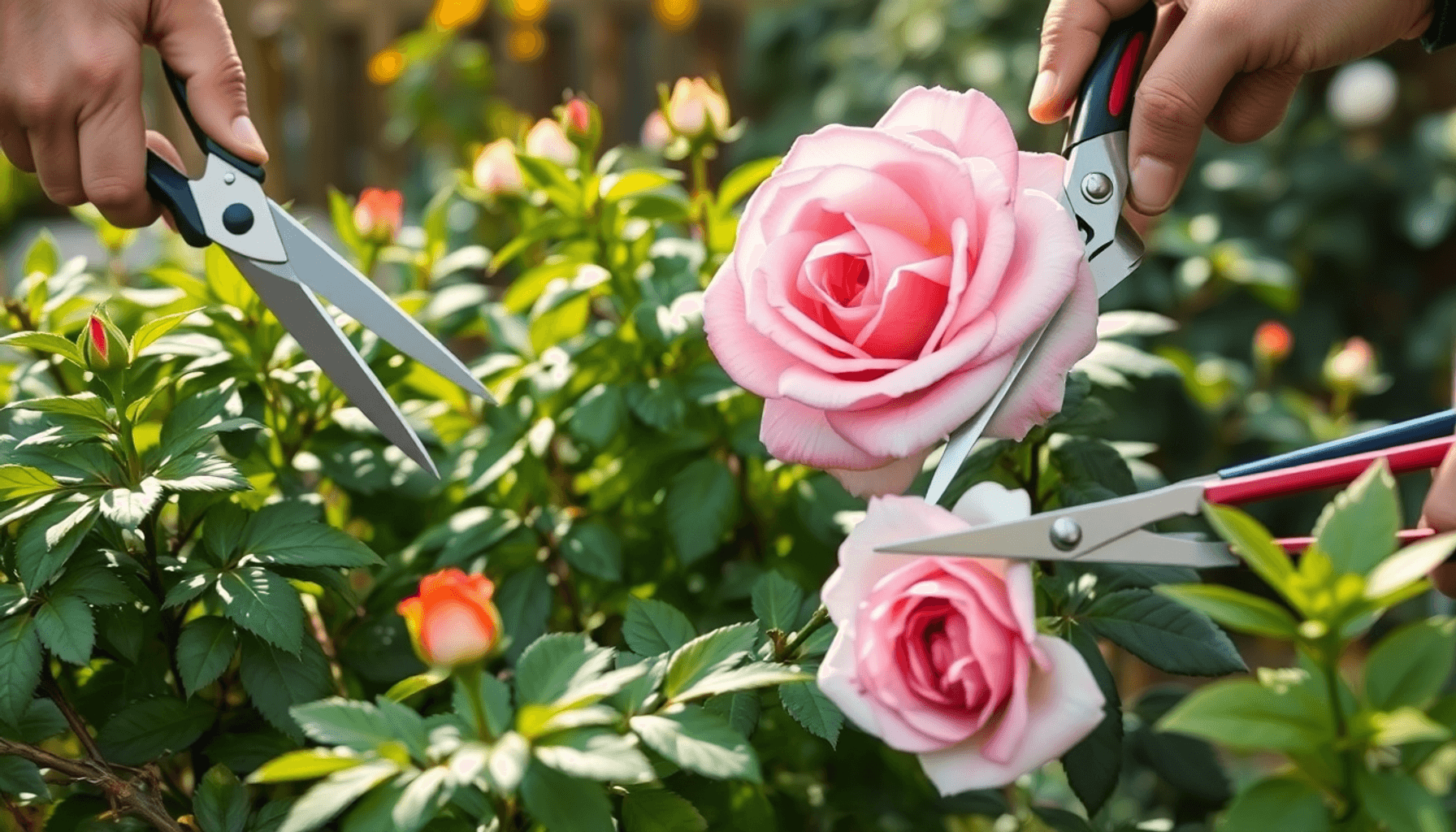

Pruning is an essential practice for gardeners across the UK. It goes beyond simple trimming — it shapes your plants, promotes their health, and extends the blooming period of flowers. When done correctly, pruning transforms your garden into a thriving, attractive space that evolves with the seasons.
Why focus on pruning in the UK?
- Shapes plants to fit your garden’s design and space.
- Improves plant health by removing dead or diseased parts.
- Prolongs flowering by encouraging new growth and preventing overcrowding.
This guide, The Complete UK Pruning Guide: When and How to Prune, covers everything you need to know about pruning basics tailored specifically for gardening in the UK climate. You will learn the best times to prune different plants, discover proper cutting techniques, find advice for popular species like roses and fruit trees, and understand how to tackle overgrown or congested plants safely.
Whether you're a beginner or looking to refine your skills, this UK pruning guide equips you with practical knowledge to keep your garden healthy and beautiful year-round.
Understanding Pruning Fundamentals
Pruning delivers multiple benefits that are essential for a thriving UK garden. You improve plant health by removing dead, damaged, or diseased wood, reducing the risk of infections and encouraging new growth. From an aesthetic perspective, pruning shapes plants to maintain attractive forms and tidy appearances, making your garden look well cared-for. Growth control prevents plants from becoming overgrown or invasive, allowing you to manage space and light effectively.
Why Prune?
Pruning serves three main purposes:
- Health: Eliminates unhealthy parts, preventing disease spread.
- Aesthetics: Shapes plants to desired forms and sizes.
- Growth Control: Keeps plants manageable and promotes strong shoots.
Essential Pruning Tools
Using the right tools makes pruning easier and reduces damage to plants. Key pruning tools include:
- Secateurs: Ideal for small branches up to 2cm thick. Choose bypass secateurs for clean cuts.
- Loppers: Handle thicker branches up to 4cm, offering greater leverage.
- Pruning Saw: Useful for larger branches that secateurs or loppers cannot handle.
Tool maintenance matters. Always keep blades clean and sharp. Dull tools crush stems instead of cutting them cleanly, increasing the chance of disease entering wounds.
Proper Cutting Methods
Correct cutting technique is crucial for healthy regrowth. The recommended method in UK pruning involves making slanting cuts just above a healthy bud or shoot.
Follow these steps for proper cutting:
- Cut approximately 5mm above an outward-facing bud.
- Angle the cut away from the bud at about 45 degrees.
- This slant prevents water collecting on the cut surface, reducing rot risk.
- Positioning above an outward-facing bud encourages growth away from the plant centre, improving airflow.
“Slant cuts above buds help wounds heal faster while promoting open, airy growth.”
Bad cuts—such as flush cuts on main stems or leaving stubs—slow healing and invite pests or diseases.
Understanding these fundamentals equips you with the knowledge to prune confidently. Using the right tools combined with proper techniques ensures pruning benefits are maximized in your UK garden.
When to Prune Different Plant Types in the UK
Knowing the pruning times UK is essential for maintaining healthy, attractive plants. The seasonal pruning guide varies depending on whether you are dealing with deciduous shrubs and trees, flowering shrubs, or evergreen plants.
1. Deciduous shrubs and trees
Prune during winter or early spring after the leaves have fallen. At this stage, most plants are dormant, making it easier to identify dead or damaged branches. Pruning at this time encourages vigorous spring growth and shapes the plant before new leaves appear.
2. Flowering shrubs (summer pruning)
Some shrubs benefit from a light summer prune immediately after flowering. This prevents strong but flowerless growth that can sap the plant’s energy. Cutting back spent flowered stems to a strong upright shoot helps maintain a neat shape and promotes further blooms.
3. Evergreen plants
These do not store food reserves in their roots like deciduous plants, so they are best pruned after flowering. Avoid pruning evergreens during winter dormancy as this can stress the plant. Post-flowering pruning allows evergreens to recover and prepare for the next growing season without compromising their health.
Selecting the best time to prune plants UK depends on these seasonal cues aligned with each plant’s growth cycle. Pruning at inappropriate times can reduce flowering, slow growth, or even harm the plant’s overall health.
Pruning Specific Plant Categories
Roses
Pruning roses in the UK requires careful attention to timing and technique to ensure vigorous growth and abundant blooms. The best time to prune roses is late winter, typically between February and March, just before the plants break dormancy. This timing helps stimulate healthy new shoots and prepares the rose for the growing season ahead.
Technique for pruning roses in the UK:
- Make cuts approximately 5mm above an outward-facing bud.
- Ensure cuts are made at a slant, angling away from the bud. This encourages water runoff, reducing the risk of rot.
- The slant promotes an open-centred shape, which improves airflow through the plant. Better airflow reduces disease risk and supports stronger stems.
Pruning is not only about shaping but also about health. Remove:
- Dead stems that no longer contribute to growth.
- Diseased wood to prevent infection spread.
- Spindly or weak stems that drain resources without producing strong flowers.
- Crossing branches, which can rub together causing wounds vulnerable to pests and diseases.
Different types of roses require tailored approaches:
- Climbers and ramblers: Cut back by about one-third to one-half of their growth. This keeps the framework manageable while encouraging flowering on new shoots.
- Shrub roses: Often benefit from removing some older stems entirely at ground level, combined with shortening other stems. This balances renewal and structure.
For a more comprehensive understanding of how to prune different varieties of roses, you can refer to this detailed pruning guide by RHS.
Proper rose care tips extend beyond pruning itself. Keeping tools sharp and clean prevents tearing and disease transmission, essential for healthy rose maintenance in UK gardens.
Deciduous shrub care shares similarities with shrub pruning UK practices, especially in timing and focus on health-driven cuts, but rose pruning UK has unique specifics that make it a critical skill for gardeners aiming for thriving blooms year after year.
Fruit Trees (Apple and Pear)
Pruning fruit trees like apple and pear is a key part of fruit tree pruning UK to maintain healthy growth, improve fruit quality, and manage shape. The best time to prune these deciduous trees is during their dormant season, from November to March. This period aligns with winter or early spring pruning for deciduous shrubs in the UK, when trees have dropped their leaves and are less active.
Key reasons to prune apple and pear trees during dormancy:
- Reduced sap flow: lowers the risk of disease and sap bleeding.
- Encourages vigorous new growth: dormant pruning encourages vigorous new growth in spring.
- Easier visibility: easier to see the tree’s structure without leaves obstructing the view.
Pruning Objectives for Apple and Pear Trees
- Control size and shape: Maintain a manageable height and open framework for light penetration.
- Remove dead, diseased, or crossing branches: Prevent pests and diseases from spreading.
- Encourage strong fruiting wood: Cut back last year’s growth to encourage spur development where fruits form.
- Improve airflow: Open-centred or goblet-shaped pruning improves air circulation and reduces fungal infections.
Proper Technique for Pruning Fruit Trees
- Use sharp, clean loppers or pruning saws designed for woody stems.
- Make clean cuts just above a bud or branch junction at a slight slant.
- Remove around 20–30% of old wood each year as part of gradual renovation.
- Avoid heavy pruning all at once to prevent stressing the tree.
Apple and pear trees benefit from consistent winter pruning practices similar to those used in deciduous shrub care across UK gardens. Following these guidelines supports healthy tree development while maximizing fruit production through natural growth cycles.
Maintaining your fruit trees with seasonal attention complements other garden tasks like evergreen shrub pruning after flowering, which requires different timing due to their lack of root food reserves. This knowledge fits into The Complete UK Pruning Guide: When and How to Prune, helping you balance care across various plant types including rose pruning UK schedules or handling specific needs for shrub pruning UK.
Late-flowering Shrubs (e.g., Physocarpus and Spiraea)
Late-flowering shrubs like Physocarpus and Spiraea require careful attention in shrub pruning UK practices to encourage healthy growth and abundant blooms. These deciduous shrubs benefit from light pruning rather than heavy cutting, which supports strong shoots and maximizes flowering potential.
Key points for late-flowering shrub care UK:
- Timing: Prune after flowering has finished. This allows the plant to set buds on new growth that will bloom the following season.
- Technique: Focus on removing weak, crossing, or damaged stems to improve airflow and reduce disease risk.
- Encourage strong shoots by selectively thinning older branches to rejuvenate the plant gradually.
- Avoid cutting back too hard, as this can reduce flower production for the next year.
These shrubs fall under deciduous shrub care, so they are generally pruned in late summer once flowering is complete. Evergreen shrub pruning differs because evergreens rely on post-flowering cuts since they do not store root food reserves like deciduous types.
Incorporate these light pruning methods into your routine to maintain shape without sacrificing the vibrant, late-season flowers that make Physocarpus and Spiraea valuable additions to UK gardens.
This approach aligns with principles found throughout The Complete UK Pruning Guide: When and How to Prune, supporting healthy plant development while respecting each species’ unique growth cycle.
Pruning Advice for Other Popular Plants in the UK Garden
Wisteria
Wisteria requires two important pruning sessions each year to keep its vigorous growth in check and ensure a stunning display of flowers. It's crucial for UK gardeners to know how to properly prune wisteria in order to maintain a healthy and manageable plant.
First pruning: Dormant season cutback
The first pruning takes place when the plant is dormant, usually between November and February. During this time, you'll need to cut back the long shoots that grew during the previous year, leaving behind two or three buds near the base. This hard prune helps control the size of the plant and encourages the development of strong spurs that will produce flowers.
Second pruning: Post-flowering trim
The second pruning occurs soon after the wisteria has finished flowering, which is typically in late spring or early summer. At this point, you'll want to trim back the softer shoots that grew during the current season, leaving about five or six leaves near the base. This lighter prune helps maintain the shape of the plant and directs its energy towards producing blooms instead of excessive foliage.
The wisteria pruning schedule in the UK revolves around these two main periods, striking a balance between controlling growth and promoting flower production. If you neglect either of these prunings, you may end up with uncontrolled growth and fewer flowers or a tangled mass that's difficult to manage.
Make sure to use sharp secateurs or loppers to make clean cuts when pruning. Additionally, during both prunings, be sure to remove any dead or crossing stems as well. For young plants, it's beneficial to train them by tying new shoots onto supports, as this will help shape their framework early on and reduce the need for heavy pruning later on.
Hydrangea
Hydrangeas have different pruning requirements based on their species and how you want them to flower. The hydrangea pruning guide in the UK outlines two main methods: hard pruning and light pruning.
Hard pruning: Late winter or early spring cut
Hard pruning is usually done in late winter or early spring. With this method, you'll be cutting back stems significantly (sometimes almost down to ground level) in order to encourage vigorous new growth and larger flowers later in the season. This technique works well for varieties like Hydrangea paniculata that bloom on new wood.
Light pruning: Post-flowering trim
On the other hand, light pruning involves trimming just above a pair of healthy buds after flowering has occurred. By doing so, you're preserving some older wood which will help sustain consistent blooming year after year. This approach is beneficial for types such as Hydrangea macrophylla that flower on old wood.
When deciding between hard versus light hydrangea prune methods, consider your specific plant variety and how you want it shaped or flowered. Regardless of which technique you choose, remember to always make clean cuts using sharp tools in order to prevent any entry points for diseases.
These pruning practices for wisteria and hydrangeas are essential for maintaining optimal performance in UK gardens where climate conditions and seasonal changes greatly influence growth cycles.
Lavender
Pruning lavender correctly is essential to maintain its shape, encourage healthy growth, and ensure abundant flowering year after year. The best time to prune lavender in the UK is immediately after flowering. This timing allows the plant to recover and set new growth before winter.
Key pruning tips for lavender:
- Cut back to about 30cm from the ground. This encourages a compact, bushy shape while preventing the plant from becoming woody and leggy.
- Avoid cutting into bare wood. Lavender does not regenerate well if pruned too hard into old, leafless stems.
- Use sharp secateurs or garden shears to make clean cuts, reducing the risk of disease.
- Light shaping throughout the growing season can help maintain neatness but avoid heavy pruning outside post-flowering.
By following these lavender pruning tips UK gardeners can keep plants vigorous and attractive. This method contrasts with approaches for other shrubs like hydrangeas, where you may choose between hard vs light hydrangea prune depending on flower size and bloom timing (see our hydrangea pruning guide UK for details). Similarly, understanding seasonal schedules such as the wisteria pruning schedule UK or how to prune wisteria effectively helps tailor care for each species in your garden.
Pruning lavender after flowering fits neatly into The Complete UK Pruning Guide: When and How to Prune, supporting continuous health and floral display throughout changing seasons.
Perennials
Perennials add dynamic colour and texture to your garden, with many varieties rewarding you with extended flowering when properly maintained. One of the most effective ways to encourage prolonged blooming periods is regular deadheading. Removing spent flowers prevents the plant from diverting energy into seed production, instead promoting fresh growth and new blooms.
Key points for perennial care in UK gardens:
- Deadhead frequently: Pinch or snip off faded flowers using clean scissors or secateurs. Focus on cutting back to just above a set of healthy leaves or buds.
- Maintain plant shape: Deadheading helps keep plants tidy and encourages bushier growth rather than legginess.
- Timing matters: Most perennials benefit from deadheading throughout their flowering season; some, like lupines or dahlias, require more consistent removal of old blooms to sustain peak performance.
Some perennials may also require light pruning after flowering to prepare them for the following year. This practice ties into broader pruning strategies used for shrubs such as hydrangeas, where gardeners often debate between hard vs light hydrangea prune approaches depending on desired flower size and bloom timing. For instance:
- Hard pruning: Cutting back most stems close to the ground encourages vigorous new shoots but may delay flowering.
- Light pruning: Trimming only the oldest or dead wood maintains earlier blooms and larger flowers.
Understanding these contrasts can inform how you care for both woody shrubs and herbaceous perennials in your garden.
In relation to climbers such as wisteria, which follows a distinct wisteria pruning schedule UK, regular maintenance aligns with the principles applied to perennials: timely cuts improve airflow, prevent overcrowding, and extend flowering periods. Knowing how to prune wisteria effectively involves two annual prunings—during dormancy (November-February) and again post-flowering—to control growth and maximise blooms.
Applying similar attentive pruning and deadheading practices across perennials supports vibrant, healthy plants that continue to flourish throughout the growing season. This proactive approach integrates well with wider garden management techniques tailored for various plant types in UK climates.
Renovation Pruning for Overgrown or Congested Plants
Renovation pruning is a technique used by UK gardeners to restore vitality and shape to overgrown or congested shrubs. It rejuvenates plants that have become leggy, sparse, or unmanageable due to years without proper pruning.
Two main approaches for renovation pruning:
- Gradual Renovation Over Several Years
This method involves selectively cutting back parts of the shrub each year rather than removing everything at once. It reduces stress on the plant and maintains some foliage for photosynthesis. You might remove a third of the oldest stems annually, encouraging new growth from the base while preserving structure. It suits large, established shrubs where drastic cuts could risk plant health. - Cutting Down to Ground Level
Also known as coppicing or hard pruning, this approach involves cutting the entire shrub down close to the ground during late winter or early spring, before new growth begins. It’s effective for certain species that respond well by sending up strong fresh shoots from the base. This technique rapidly revitalizes congested shrubs but should be used with caution since not all plants tolerate such severe pruning.
Key considerations when performing renovation pruning:
- Identify if your shrub naturally tolerates hard pruning (e.g., Forsythia, Philadelphus) or requires gradual renewal (e.g., some evergreen types).
- Use clean, sharp tools to prevent disease and encourage quick healing.
- Remove dead, damaged, or crossing branches first to improve airflow and light penetration.
- Maintain a balance between old wood removal and preserving enough living tissue to support recovery.
- Monitor regrowth closely after pruning; feed and water plants well to support new shoots.
This strategy addresses overgrown shrub solutions by restoring balance between growth vigor and manageable shape. Renovation pruning UK gardeners apply thoughtfully ensures long-term health and appearance without overwhelming plant stress.
Best Practices for Healthy Pruning Results
Maintaining plant health during pruning largely hinges on adopting safe pruning practices UK that gardeners trust. Proper technique and hygiene reduce the risk of disease transmission and physical damage, ensuring your plants recover quickly and thrive.
Clean and Sharp Tools
- Always sterilise your secateurs, loppers, and saws before use. Wipe blades with a solution of methylated spirits or a 10% bleach mix to kill pathogens.
- Sharpen tools regularly. Dull blades crush stems instead of making clean cuts, leaving wounds vulnerable to infections.
- After pruning each plant, especially if it shows signs of disease, clean your tools again to prevent cross-contamination.
Precise Cutting Techniques
- Position your cut approximately 5mm above an outward-facing bud. This encourages new growth away from the plant’s centre, improving airflow.
- Make cuts at a slant angled away from the bud. A sloping cut prevents water from collecting on the wound, reducing risks of rot.
- Avoid tearing or crushing stems by applying steady pressure and letting sharp tools do the work.
For more detailed instructions on how to execute these techniques effectively, refer to The Complete UK Pruning Guide: When and How to Prune.
Additional Gardening Hygiene Tips
- Remove all pruned material from the garden promptly, especially diseased or pest-infested branches. Composting infected material can spread problems.
- Disinfect tools between different types of plants when possible to minimise cross-species disease transfer.
- Wear gloves to protect yourself and maintain cleanliness while handling plants with sap or potential irritants.
Applying these methods supports strong healing in your plants after pruning while preserving their natural shape and vigour. These careful steps form an essential part of achieving healthy growth season after season.
Seasonal Pruning Calendar for the UK Garden
Keeping a seasonal garden tasks UK schedule is essential to ensure your plants receive timely care and pruning. The right pruning at the right time maximises plant health, encourages flowering, and controls growth effectively. This monthly pruning guide breaks down key activities throughout the year.
January – Winter’s Heart
Focus on dormant pruning for deciduous trees and shrubs such as apples, pears, and roses.
Remove dead or damaged branches while plants are leafless.
Clear away any winter debris around plants to reduce disease risk.
February – Late Winter Preparation
Continue pruning roses by cutting 5mm above outward-facing buds at a slant.
Start light pruning of late-flowering shrubs if weather allows.
Prepare tools by sharpening secateurs and loppers before the busy spring season.
March – Early Spring Awakening
Finish pruning fruit trees before sap flow begins to promote healthy growth.
Carry out renovation pruning on congested shrubs gradually starting now.
Trim evergreen hedges lightly after they show signs of new growth.
April – Spring Growth Surge
Avoid heavy pruning this month; focus on shaping and training newly emerging shoots.
Deadhead early perennials to maintain bloom quality.
May – Flowering Begins
Perform summer pruning on flowering shrubs like lilacs immediately after bloom fades to prevent flowerless wood next year.
Pinch back herbaceous perennials like lavender after first flush to encourage bushier growth.
June – Peak Bloom Care
Lightly prune wisteria after flowering to control size and encourage next year’s blooms.
Monitor for any crossing stems or diseased wood in shrubs and remove promptly.
July – Summer Maintenance
Deadhead perennials regularly to prolong flowering periods.
Avoid heavy cuts as plants focus on seed production and energy storage.
August – Preparing for Autumn
Stop major pruning; focus on clearing spent flowers and tidying plants for autumn vigor.
September – Early Autumn Tasks
Cut back herbs like lavender slightly if needed, avoiding bare wood cuts.
Start planning any structural cuts needed during winter months.
October – Late Autumn Cleanup
Remove any remaining dead or diseased wood from all plant types before leaf fall completes.
Mulch around base of shrubs to protect roots over winter.
November – Dormancy Returns
Begin dormant pruning for wisteria, removing long whippy stems during this period (Nov–Feb).
Prune deciduous shrubs that were missed earlier to maintain form.
December – Winter Rest
Limit pruning except for urgent removal of damaged branches due to weather.
Use this quieter month for tool maintenance and garden planning ahead.
This monthly approach helps you stay organised with your seasonal garden tasks UK routines while supporting each plant’s natural cycle. Pruning aligned with these timeframes ensures healthier plants that flower more reliably year after year.
Conclusion
Mastering pruning techniques is essential for maintaining a healthy and attractive UK garden. The Complete UK Pruning Guide: When and How to Prune equips you with practical knowledge to:
- Enhance plant health by removing dead or diseased wood and encouraging strong growth.
- Shape plants effectively, promoting airflow and light penetration that reduce pests and diseases.
- Maximise flowering periods through timely cutting specific to each plant type.
- Manage growth control, preventing overgrown or congested plants with renovation pruning strategies.
You can confidently approach pruning tasks knowing the right tools, cutting methods, and seasonal windows suited to your garden’s diverse species. This understanding transforms pruning from a chore into a rewarding routine that prolongs the vitality and beauty of your outdoor space.
Keep this guide on hand as a reference throughout the year — your plants will thank you for it.
FAQs (Frequently Asked Questions)
Why is pruning important in UK gardens?
Pruning is essential in UK gardens as it helps shape plants, improve their health, control growth, and prolong flowering periods. It enhances the overall aesthetics and vitality of garden plants.
What are the best tools and techniques for pruning in the UK?
Essential pruning tools include clean, sharp secateurs and loppers. Proper cutting methods involve making slant cuts just above buds to promote healing and airflow, which are crucial for healthy plant growth.
When should I prune different types of plants in the UK?
Deciduous shrubs and trees are best pruned in winter or early spring after leaf fall. Summer pruning suits flowering shrubs to prevent flowerless growth, while evergreen plants should be pruned post-flowering due to their limited root food reserves.
How do I properly prune roses in the UK?
The optimal time to prune roses is late winter (February-March). Make cuts 5mm above outward-facing buds at a slant to encourage an open-centred shape and good airflow. Remove dead, diseased, spindly, or crossing stems to maintain plant health. Different techniques apply for climbers, ramblers, and shrub roses.
What is the recommended pruning schedule for wisteria in the UK?
Wisteria requires two annual prunings: one during dormancy between November and February, and another after flowering. This schedule promotes vigorous growth and abundant blooms.
How can I renovate overgrown or congested plants effectively?
Renovation pruning can be done gradually over several years by selectively cutting back parts of the plant each season or by cutting plants down to ground level during late winter or early spring. This approach helps rejuvenate overgrown shrubs without causing excessive stress.