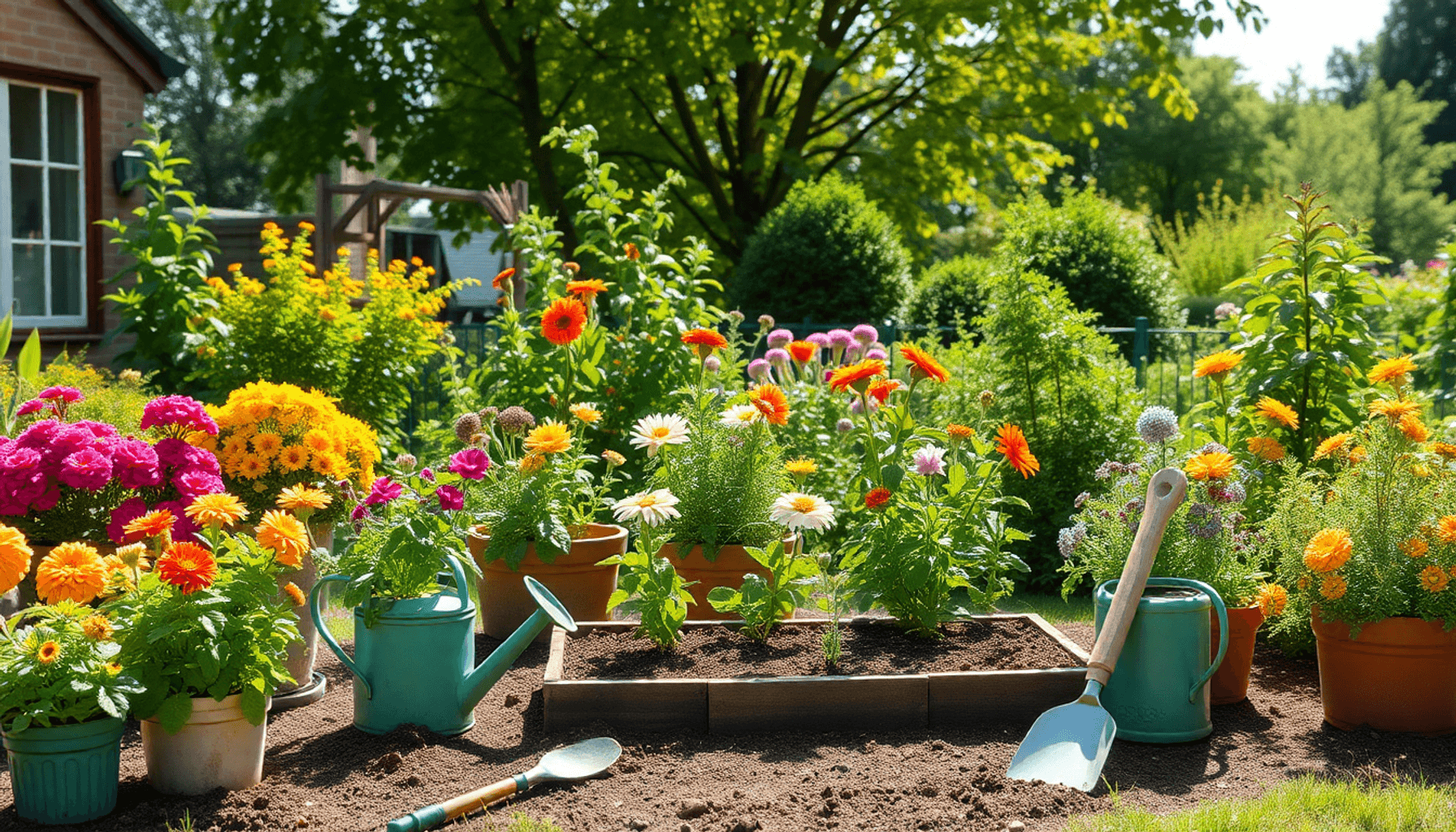

Gardening in the UK offers a unique and rewarding experience for beginners and seasoned gardeners alike. The UK's varied climate and rich soil provide excellent opportunities to grow a wide range of plants, from vibrant flowers to fresh vegetables. Engaging with nature through gardening not only enhances your outdoor space but also promotes well-being and a deeper connection to the environment.
Starting your gardening journey with the right knowledge is crucial. Without clear guidance, beginner gardeners often face challenges that can lead to frustration or abandoned projects. Understanding the basics of soil, plant selection, and garden maintenance sets a solid foundation for success.
This Beginner's Complete Guide to Gardening in the UK is designed to equip you with practical UK gardening tips tailored specifically for newcomers. You will learn how to:
- Assess and plan your garden space effectively
- Master essential gardening tasks throughout the seasons
- Choose plants suited for the British climate
- Grow edibles even in limited spaces
- Maintain your garden with minimal effort
- Support local wildlife through thoughtful planting
- Design an attractive garden reflecting your personal style
- Connect with useful resources and community support
By following this beginner gardening guide, you’ll gain confidence and enjoy watching your green space flourish. Whether you have a large backyard, a small balcony, or an allotment, this guide will help you cultivate a thriving garden adapted to your lifestyle and environment.
1. Planning Your Garden Space
Planning your garden space is the foundation of successful gardening in the UK. Whether you have a sprawling backyard, a small patio, or just a sunny windowsill, understanding your available space and conditions will shape your garden’s potential.
Assessing Available Outdoor or Indoor Space
Start by measuring the area you want to use for gardening. This might be a patch of soil, raised beds, containers on a balcony, or indoor pots by a sunny window.
- Outdoor spaces: Note the dimensions and boundaries of your garden plot.
- Indoor spaces: Identify spots with natural light and enough room for pots or vertical growing solutions.
- Sunlight exposure: Track how much direct sunlight each spot receives during the day—full sun (6+ hours), partial sun/shade (3-6 hours), or full shade (less than 3 hours).
Recording these details gives you clarity on what plants and gardening methods will suit your space.
Understanding Soil, Light, and Climate Conditions in the UK
The UK climate varies but generally features mild temperatures, regular rainfall, and distinct seasons. Knowing your local conditions helps you choose plants that will thrive.
-
Soil types: Common UK soils include clay (heavy and water-retentive), sandy (quick-draining but nutrient-poor), loamy (ideal balance), and chalky (alkaline).
You can test soil texture by feeling it when moist or using a simple home test kit. Checking soil pH is also useful; many plants prefer neutral to slightly acidic soil.
-
Light conditions: Most flowering plants need at least partial sun. Shadier areas can support ferns, hostas, and certain herbs.
-
Microclimates: Walls, fences, and buildings create warmer or cooler pockets that affect plant growth.
Creating a Simple Garden Plan Tailored to Lifestyle and Space Constraints
Your garden plan should reflect how much time you want to spend gardening and what you want from your space—relaxation, growing food, attracting wildlife.
Consider:
- Functionality: Will you grow mainly flowers, vegetables, herbs? Do you want seating areas?
- Maintenance: Busy schedules benefit from low-maintenance designs with hardy plants.
- Space usage: Use sketches or apps to map out beds, containers, paths.
Try dividing the space into zones for different purposes. For instance:
| Zone | Purpose | Example Plants/Features |
| Sunny border | Flowers & pollinators | Lavender, echinacea |
| Shady corner | Shade-tolerant plants | Ferns, hellebores |
| Container area | Vegetables/herbs | Tomatoes, basil |
Incorporating Urban or Small Space Gardening Options
Limited space doesn’t limit creativity. Urban gardening techniques let you maximise yields even with minimal room.
-
Container planting: Use pots, troughs, hanging baskets to grow flowers or edibles on balconies or patios.
Choose containers with drainage holes; raised planters can improve soil quality if ground soil is poor.
-
Vertical gardening: Install trellises or wall-mounted planters to grow climbers like peas or sweet peas vertically.
2. Getting Started with Basic Gardening Tasks
Starting your gardening journey involves mastering a few essential tasks that change with the seasons. Understanding what jobs to focus on each month helps you maintain a healthy garden and build confidence as a beginner.
Key Gardening Jobs by Month and Season in the UK
The UK’s temperate climate means your garden needs different care throughout the year. Here’s a simplified guide to beginner gardening tasks aligned with the typical UK climate:
Spring (March - May)**
- Prepare soil by digging and adding compost.
- Sow seeds indoors or in cold frames for vegetables like tomatoes and peppers.
- Plant early flowering bulbs and prune shrubs after flowering.
Summer (June - August)
- Water plants regularly, especially containers and newly planted areas.
- Deadhead flowers to encourage more blooms.
- Harvest early crops like lettuce, radishes, and peas.
Autumn (September - November)
- Clear fallen leaves to prevent disease.
- Plant bulbs for spring flowering (e.g., daffodils, tulips).
- Divide perennials to propagate new plants.
Winter (December - February)
- Protect tender plants from frost with fleece or cloches.
- Plan next year's garden layout and order seeds.
- Prune deciduous trees and shrubs during dormancy.
Keeping a monthly checklist can help you stay organised without feeling overwhelmed.
Using the RHS Grow App for Plant Identification and Care
The RHS Grow app is an excellent tool tailored for gardeners of all levels but particularly useful for beginners navigating plant identification and care routines.
Features include:
- Plant Identification: Snap photos of unknown plants to receive instant identification along with detailed descriptions. This helps avoid confusion between similar species or weeds versus desirable plants.
- Care Guidance: Provides customised advice on watering, feeding, pruning, and pest control based on the specific plant type.
- Seasonal Reminders: Alerts about which tasks should be done each month in your region.
- Plant Health Diagnostics: Helps diagnose common problems by analysing symptoms you report.
Using this app turns guesswork into informed gardening decisions, boosting your success rate.
Setting Up a Plant Tracking System
Tracking your plants’ progress lets you monitor growth patterns, spot issues early, and plan maintenance effectively.
You can set up a simple system using:
- Garden Journal or Notebook: Record sowing dates, watering frequency, fertilising schedules, pest observations, and harvest times.
- Digital Spreadsheets: Use Excel or Google Sheets to create tables with columns for plant names, planting dates, location (bed/container), growth stages, and notes.
- Apps and Software: Some gardeners prefer dedicated tracking apps that sync with calendars or reminders.
A well-maintained record helps identify what works best in your garden’s microclimate over time. It also encourages consistency—an important habit for beginners developing their green thumb.
Following these steps makes beginner gardening tasks manageable while building skills steadily through each season. The combination of practical monthly jobs, smart technology like the RHS Grow app, and organised tracking sets a strong foundation before moving on to selecting suitable plants for your UK garden conditions.
3. Choosing Plants Suitable for the UK Climate
Selecting the right plants is crucial for gardening success in the UK. The climate here is generally mild with cool summers, wet winters, and frequent rainfall throughout the year. Understanding these conditions helps you choose UK climate plants that will thrive without excessive effort.
Plant Types That Thrive in Typical UK Weather
Here are some plant types that tend to do well in the typical weather conditions of the UK:
- Perennials: These come back year after year and provide a reliable backbone to your garden. Examples include lavender, hostas, and foxgloves.
- Biennials: Plants like sweet Williams and wallflowers grow leaves first year, then flower in the second.
- Annuals: Quick-growing plants such as marigolds or petunias, ideal for adding seasonal color but require replanting each year.
- Evergreens: Offer year-round structure and greenery; boxwood and holly are popular choices.
- Flowering Trees and Shrubs: These add height and visual interest while adapting well to UK gardens.
Award-Winning Flowering Trees and Easy-Care Shrubs for Beginners
Some trees and shrubs have been recognised by horticultural societies for their resilience and beauty in UK gardens. These are excellent choices if you want beginner-friendly plants UK gardeners recommend:
- Magnolia ‘Susan’: A compact flowering tree known for striking pink-purple blooms in spring.
- Amelanchier lamarckii (Snowy Mespilus): Produces white flowers early in the season followed by colourful autumn foliage.
- Viburnum davidii: An evergreen shrub with lush leaves and attractive berries; low maintenance.
- Cornus kousa (Kousa Dogwood): Offers ornamental bracts resembling flowers from late spring into summer.
- Hydrangea macrophylla: Thrives in partial shade with large mophead blooms; easy to care for with regular watering.
These selections tolerate common UK pests and weather fluctuations well, reducing frustration for new gardeners.
Choosing Plants Based on Sun Exposure, Soil Type, and Maintenance Level
Your garden's microenvironment affects what will grow best:
Sun Exposure:
- Full sun: Areas receiving 6+ hours of direct sunlight daily suit sun-loving plants like roses, lavender, or tomatoes if growing edibles.
- Partial shade: Spots with 3–6 hours of sun benefit from ferns, hellebores, or camellias.
- Shade: Under trees or north-facing walls can support shade-tolerant species like ivy or bleeding hearts.
Soil Type:
Understanding your soil type is essential for successful gardening. For instance, testing your soil pH can help refine plant selection further, as some prefer acidic conditions (rhododendrons) while others thrive in alkaline soils (lavender). Here’s a brief overview of how different soil types affect plant growth:
- Sandy soils drain quickly but may lack nutrients; plants like rosemary or thyme do well here.
- Clay soils retain moisture but can become compacted;
4. Growing Edibles Even with Limited Space
Growing vegetables UK-style can be both satisfying and practical, even if your outdoor space is limited to a balcony, patio, or small allotment. Container vegetable gardening has become increasingly popular for urban dwellers and those with modest gardens. Knowing what to grow and how to care for edibles in these conditions makes all the difference.
Tips for Growing Vegetables in Containers or Small Allotments
- Choose the right containers: Use pots or grow bags with good drainage holes. Larger containers work well for root vegetables like carrots and parsnips, while smaller pots suit herbs and salad greens.
- Maximise vertical space: Climbing beans, peas, and cucumbers thrive on trellises or supports. This saves ground space and improves air circulation.
- Rotate crops: Avoid planting the same vegetable in the same container year after year to reduce soil depletion and disease risk.
- Use quality compost: A well-draining, nutrient-rich compost designed for vegetables encourages healthy root development.
For allotments, follow these practical tips:
- Prepare the plot: Remove weeds thoroughly before planting. Incorporate organic matter such as garden compost or well-rotted manure to improve soil structure.
- Plan your layout: Group plants by their water needs and height; taller crops like sweetcorn should not shade shorter ones.
- Protect from pests: Netting or fleece can shield young plants from birds and slugs common in UK gardens.
Best Vegetables for Beginners Considering Seasonal Factors and Space
Selecting beginner-friendly vegetables that suit the UK climate and your available space helps ensure success:
- Leafy greens: Lettuce, spinach, rocket, and kale mature quickly with minimal fuss.
- Root vegetables: Radishes are fast-growing and ideal for containers; carrots require deeper soil but reward patience.
- Peas and beans: These thrive in cooler weather and vertical growing setups.
- Herbs: Parsley, chives, mint, and coriander are low maintenance and enhance your cooking.
Planting times vary depending on whether you start indoors or sow directly outside. For example:
- Sow broad beans outdoors in late winter for an early summer harvest.
- Start tomatoes indoors in early spring before moving them outside once frost risk passes.
Basic Guidance on Soil Preparation, Watering Schedules, and Harvesting
Healthy soil forms the foundation of productive edible gardening.
- Soil preparation: Loosen compacted soil by digging or double-digging. Mix in organic matter to add nutrients and improve moisture retention.
- Watering: Containers dry out faster than garden beds. Water deeply but less frequently to encourage strong roots. Early morning is best to reduce evaporation.
- Mulching: Apply organic mulch like straw or bark chips around plants to conserve moisture and suppress weeds.
Harvest vegetables at their peak flavour:
- Pick leafy greens regularly to promote new growth.
- Harvest peas when pods are plump but still tender.
- Pull root crops when they reach desired size — size matters more than time alone.
You gain confidence each season by observing how your plants respond to local weather patterns. Growing edibles in confined spaces demands attention but rewards you with fresh produce right outside your door.
5. Caring for Your Garden Throughout the Year
Maintaining a garden in the UK requires attention to seasonal tasks that keep plants healthy and thriving. Understanding when and how to prune, feed, and water your garden is key to success.
Seasonal Maintenance Tasks
1. Pruning
Pruning times vary depending on plant type. Deciduous shrubs and trees are best pruned during late winter or early spring before growth starts. Summer-flowering plants generally benefit from pruning after flowering. Removing dead or diseased wood promptly reduces the risk of pests.
2. Feeding
Use slow-release fertilisers tailored to your plant types, applying them in early spring to support new growth. Liquid feeds can be applied during the growing season for extra nourishment, especially in container plants where nutrients deplete faster.
3. Watering
The UK's variable climate calls for flexible watering schedules. Early mornings or late evenings are ideal to minimise evaporation. Containers may need daily watering during dry spells, while well-established garden beds often require less frequent attention.
Composting Basics UK
Creating your own compost enriches soil naturally and reduces waste. Beginners can start simple with these steps:
- Collect kitchen scraps like vegetable peelings, coffee grounds, and eggshells.
- Add garden waste such as grass clippings and dead leaves.
- Maintain a balance between 'green' nitrogen-rich materials and 'brown' carbon-rich materials.
- Turn the compost weekly to aerate it and speed decomposition.
- Avoid adding meat, dairy, or diseased plants to prevent odours and pests.
A well-maintained compost heap provides nutrient-rich humus that improves soil structure, water retention, and fertility—essential for healthy plant growth.
Lawn Care Tips UK
Healthy lawns in British gardens demand regular care adapted to seasonal changes:
- Spring: Rake out moss and thatch buildup to allow air circulation. Apply fertiliser high in nitrogen to encourage lush growth.
- Summer: Water deeply but infrequently to promote deep root development. Avoid cutting grass too short during hot weather.
- Autumn: Overseed bare patches and apply autumn lawn feed rich in potassium to strengthen roots before winter.
- Winter: Minimise foot traffic on frosty or wet grass to avoid damage.
Using a lawn mower with sharp blades ensures clean cuts that reduce stress on grass plants.
Weed Control UK
Common weeds like dandelions, bindweed, and nettles compete with your plants for nutrients and space but can be controlled without harsh chemicals:
- Hand-pulling is effective for small infestations, especially after rain when soil is soft.
- Mulching with organic materials suppresses weed seed germination by blocking light.
- Regular hoeing prevents weed seedlings from establishing.
- Encourage dense planting which shades soil and limits weed growth naturally.
Identifying weeds early helps you target them before they spread extensively. Many wildlife-friendly solutions keep your garden eco-friendly while maintaining tidy beds.
Taking care of these routine maintenance tasks throughout the year builds a resilient garden that flourishes with less effort over time.
6. Keeping Gardening Simple and Low Maintenance
Gardening fits into your lifestyle best when it doesn’t become a chore. Busy gardeners need easy-care plants UK offers that thrive with minimal fuss. Choosing hardy, resilient plants can save time and energy while still creating a vibrant garden.
Hardy Plants for Minimal Upkeep
Select species known for their durability and low maintenance demands:
- Lavender: Drought-tolerant, pest-resistant, and fragrant. Perfect for sunny spots.
- Sedum (Stonecrop): Succulent leaves require little watering; ideal for borders or containers.
- Heathers: Evergreen shrubs that provide year-round colour and need little feeding.
- Ferns: Thrive in shady areas with minimal intervention.
- Boxwood (Buxus): Slow-growing evergreen shrub useful for structure and hedging.
- Grasses like Festuca or Stipa: Add movement and texture, requiring only occasional trimming.
These plants generally tolerate the UK climate well, needing less watering, feeding, or pruning than more delicate varieties.
Low-Maintenance Project Ideas
Implementing smart garden designs reduces upkeep significantly:
-
No-Dig Beds
Building beds without digging preserves soil structure and encourages healthy microorganisms. Layer organic matter like compost and mulch on top to suppress weeds and retain moisture. This method saves you from regular weeding and soil disturbance. -
Mulching Techniques
Applying a thick layer of mulch around plants keeps moisture in, limits weeds, and enriches soil as it breaks down. Organic mulches such as bark chips, straw, or leaf mould are especially beneficial. -
Container Gardening with Self-Watering Pots
Containers equipped with reservoirs reduce watering frequency—great if time is tight or you travel often. -
Ground Covers Instead of Lawn
Replace high-maintenance lawn areas with hardy ground covers like creeping thyme or clover that require less mowing and watering.
Creating a Sustainable Garden That Saves Time
A sustainable garden focuses on efficient use of resources which naturally cuts down maintenance:
- Use rainwater harvesting systems to reduce reliance on tap water.
- Plant native species adapted to local conditions; these generally need fewer inputs.
- Encourage biodiversity by adding insect hotels or bird feeders — natural pest control reduces chemical use and manual interventions.
- Group plants by water needs to avoid overwatering some while underwatering others.
- Incorporate perennial plants rather than annuals to minimize replanting efforts each year.
Low-maintenance gardening ideas are perfect for beginners who want success without stress. Combining easy-care plants UK with thoughtful design choices helps you enjoy your green space even when life gets busy. This approach builds confidence as your garden thrives steadily with less hands-on demand.
7. Wildlife Gardening Basics in the UK
Creating a garden that welcomes local wildlife enriches your outdoor space and supports important ecosystems. Wildlife gardening UK is about making intentional planting choices to provide food, shelter, and breeding habitats for native species such as bees, birds, and butterflies.
Why Support Local Wildlife?
- Boosts biodiversity by helping native species thrive amid urbanisation.
- Encourages natural pest control as many insects feed on garden pests.
- Enhances pollination, improving fruit and vegetable yields in your garden.
- Provides educational opportunities and increases enjoyment of your outdoor space.
Best Plants for a Wildlife-Friendly Garden
Selecting bee-friendly plants UK includes those rich in nectar and pollen, flowering at different times to offer continuous forage throughout the growing season. Examples:
- Lavender (Lavandula spp.) – Attracts bees with its fragrant purple flowers.
- Buddleia (Butterfly bush) – Loved by butterflies, especially peacocks and red admirals.
- Hedgerow natives like hawthorn and blackthorn provide food and shelter for birds and insects.
- Wildflowers such as oxeye daisy, cowslip, and red clover support a wide range of pollinators.
Shrubs and small trees also contribute habitat value:
- Holly offers berries for birds in winter.
- Rowan (Sorbus aucuparia) attracts birds with its red berries.
- Dogwood (Cornus sanguinea) provides dense cover for nesting.
Butterfly Garden Tips
Creating a butterfly-friendly area involves planting both nectar sources for adults and host plants for caterpillars:
- Plant nettles to support caterpillars of the peacock butterfly.
- Include milkweed or budleia to attract other butterfly species for nectar feeding.
- Provide sunny spots sheltered from wind where butterflies can bask.
Encouraging Biodiversity in Small Spaces or Balconies
Even limited space can contribute to wildlife gardening UK by using container planting or vertical gardens:
- Use pots filled with wildflowers or herbs like thyme and chives that attract pollinators.
- Add bird feeders or insect hotels to offer shelter in compact areas.
- Include water features like shallow dishes with stones for bees to land on safely while drinking.
Small changes such as leaving patches of bare soil help ground-nesting bees establish nests. Avoid pesticides that harm beneficial insects to maintain a healthy balance.
By integrating these principles, you create a thriving micro-habitat that supports wildlife while enhancing your garden’s beauty and productivity.
8. Garden Design Inspiration for Beginners
Designing your garden can be one of the most enjoyable parts of gardening, especially when you see your vision come to life. For beginners, focusing on garden borders planning UK helps create structure and rhythm in your outdoor space. Borders are not just edges; they set the tone for the whole garden.
Basic Principles for Designing Borders with Structure, Color & Scent
- Structure: Use a mix of evergreen shrubs and perennials to provide year-round shape and form. Plants like boxwood or lavender work well as low hedging, offering neat lines that keep borders tidy.
- Color: Combine early spring bulbs such as crocuses and daffodils with summer perennials like echinacea or rudbeckia. This layering ensures continuous bursts of color from March through September.
- Scent: Incorporate fragrant plants like sweet peas, rosemary, or honeysuckle near seating areas or pathways to enjoy delightful scents on warmer days.
Plant height variation adds depth—place taller plants at the back or centre and shorter ones towards the front. Group plants in odd numbers (3 or 5) for a natural look rather than symmetrical rows.
Creating Year-Round Interest Using Flowering Cycles and Foliage Variety
A garden that looks good all year round requires careful selection of plants with different flowering times and attractive foliage:
- Spring: Tulips, primroses, and hellebores brighten early months.
- Summer: Roses, dahlias, and lavender create vivid displays.
- Autumn: Sedums and asters extend flowering into cooler weather.
- Winter: Evergreen holly, pittosporum, or heathers add greenery when most other plants are dormant.
Foliage plays a crucial role beyond flowers. Silver leaves like those of Artemisia contrast beautifully against deep green ferns or purple-leaved heucheras. Textural contrasts between spiky grasses and soft-leafed plants make borders visually interesting even without blooms.
Incorporating Personal Style While Keeping Design Practical
Your garden should reflect what you enjoy while fitting your lifestyle and maintenance capacity:
- If you prefer low upkeep, choose hardy native plants adapted to UK conditions such as foxgloves or bluebells.
- For small gardens, use vertical elements like trellises or hanging baskets to maximize space without overcrowding.
- Mix ornamental features such as decorative stones or birdbaths with planting to add personality without complicating care routines.
Remember to keep paths accessible and allow room for growth when selecting plant sizes. Planning ahead prevents later frustration from overcrowded beds.
These beginner garden design ideas UK focus on balancing aesthetics with practicality. Thoughtful border planning combined with seasonal interest creates a dynamic yet manageable garden space tailored to your tastes.
9. Resources and Community Support for New Gardeners
Accessing the right resources can make a significant difference when you follow the Beginner's Complete Guide to Gardening in the UK. Reliable information and community support provide practical tips, motivation, and shared knowledge that enhance your gardening journey.
Recommended RHS Beginner Gardening Books
The Royal Horticultural Society (RHS) offers a collection of beginner-friendly books tailored to British gardening conditions. These books cover a wide range of topics:
- “RHS How to Garden”: A comprehensive guide covering everything from soil preparation to planting and seasonal care.
- “RHS Grow Your Own Fruit & Vegetables”: Focused on edible gardening with clear advice for beginners on what to grow and how.
- “RHS Plant Finder”: An excellent tool for identifying plants suitable for different UK climates, soils, and garden sizes.
- “RHS Pruning and Training”: Helps you master essential pruning techniques to keep plants healthy and productive.
Each book provides step-by-step instructions, vivid illustrations, and expert advice that align perfectly with the needs of new gardeners.
Finding Local Community Gardening Groups in the UK
Joining a local community gardening group connects you with people who share your interests and offers hands-on experience. These groups often organise:
- Workshops and training sessions on planting, composting, pest management, and more.
- Group gardening days where members collaborate on communal plots or allotments.
- Seed swaps and plant exchanges, enabling you to try out different varieties without extra cost.
To find these groups:
- Check websites like Garden Organic or Localgiving for listings.
- Visit local council websites or community centres, which often host urban gardening initiatives.
- Use social media platforms such as Facebook or Meetup to search for “community gardening groups UK” near you.
Online forums also provide valuable advice and peer support. Popular ones include:
These platforms allow you to ask questions, share progress photos, and learn from experienced gardeners across the country.
Benefits of Joining Allotments or Urban Gardens
If you lack traditional garden space, allotments or urban gardens offer practical alternatives:
- Hands-on cultivation experience in a dedicated plot with access to good soil and sunlight.
- Opportunities to grow larger crops than container gardening typically allows.
- Access to shared tools, water supplies, and sometimes greenhouses or cold frames.
- Social interaction with fellow gardeners who can offer advice based on local conditions.
Many cities have waiting lists for allotments but joining one can be very rewarding. To apply:
- Contact your local council’s allotment department.
- Explore community garden projects often run by charities or housing associations.
- Look into urban gardening schemes that encourage rooftop gardens or vertical planting in city environments.
Participation in these spaces encourages learning by doing while building connections within your neighbourhood.
Tap into these rich resources—from RHS beginner gardening books packed with expert guidance to vibrant community gardening groups across the UK—and take advantage of allotments or urban gardens where available. These supports help transform your gardening ambitions into thriving green spaces regardless of your starting point.
Conclusion
Gardening in the UK offers a unique and rewarding experience, especially when you start with the right knowledge. This Beginner's Complete Guide to Gardening in the UK has covered essential steps to help you build confidence and success in your gardening journey.
Key takeaways to keep in mind:
- Start small. Whether it’s a few pots on a balcony or a small patch in your garden, manageable beginnings reduce overwhelm and build steady progress.
- Stay consistent. Regular care, observation, and learning from each season improve your skills and plant health over time.
- Embrace mistakes as part of the process. Every gardener encounters challenges—these teach you what works best for your space and climate.
Gardening is more than just planting seeds—it’s about nurturing life, enhancing your environment, and creating personal green spaces that bring joy and wellbeing. Watching plants grow, harvesting your own vegetables, or simply enjoying the colours and scents connects you deeply to nature.
"To plant a garden is to believe in tomorrow." — Audrey Hepburn
You have all the tools and guidance needed to cultivate a thriving garden tailored to the UK climate and your lifestyle. Take pride in every bloom, every sprout, and every effort you invest. Your green space will grow alongside your knowledge and passion.
Get started today, enjoy each step, and watch how gardening enriches your life.
FAQs (Frequently Asked Questions)
Why is gardening in the UK rewarding for beginners?
Gardening in the UK is rewarding because it allows beginners to connect with nature, enjoy seasonal changes, and cultivate their own green space. With the right knowledge tailored to the UK's climate and soil conditions, new gardeners can successfully grow a variety of plants, enhancing their outdoor or indoor spaces.
How can I plan my garden space effectively in the UK?
To plan your garden space effectively in the UK, start by assessing your available outdoor or indoor area, considering soil quality, light exposure, and local climate. Create a simple garden layout that suits your lifestyle and space constraints. For urban or small spaces, explore container planting or allotments as practical options.
What are some beginner-friendly plants suitable for the UK climate?
Beginner-friendly plants for the UK climate include award-winning flowering trees and easy-care shrubs that thrive in typical weather conditions. When selecting plants, consider factors like sun exposure, soil type, and maintenance level to ensure successful growth and enjoyment.
How can I grow vegetables successfully even with limited space in the UK?
Growing vegetables successfully in limited spaces such as containers or small allotments involves choosing suitable vegetable varieties for beginners, preparing soil properly, following appropriate watering schedules, and harvesting at the right time. Seasonal factors should also be considered to optimize growth in the UK's climate.
What are essential garden maintenance tasks throughout the year in the UK?
Essential garden maintenance tasks in the UK include seasonal pruning, feeding, watering schedules, simple composting methods to enrich soil naturally, lawn care for healthy grass growth, and eco-friendly weed control. These practices help maintain a thriving and sustainable garden year-round.
How can I create a low-maintenance garden suitable for a busy lifestyle in the UK?
To create a low-maintenance garden ideal for busy lifestyles in the UK, choose hardy plants that require minimal upkeep, implement no-dig beds or mulching techniques to reduce weeding and watering needs, and design sustainable gardens that focus on reducing time spent on regular maintenance while still offering beauty and biodiversity.