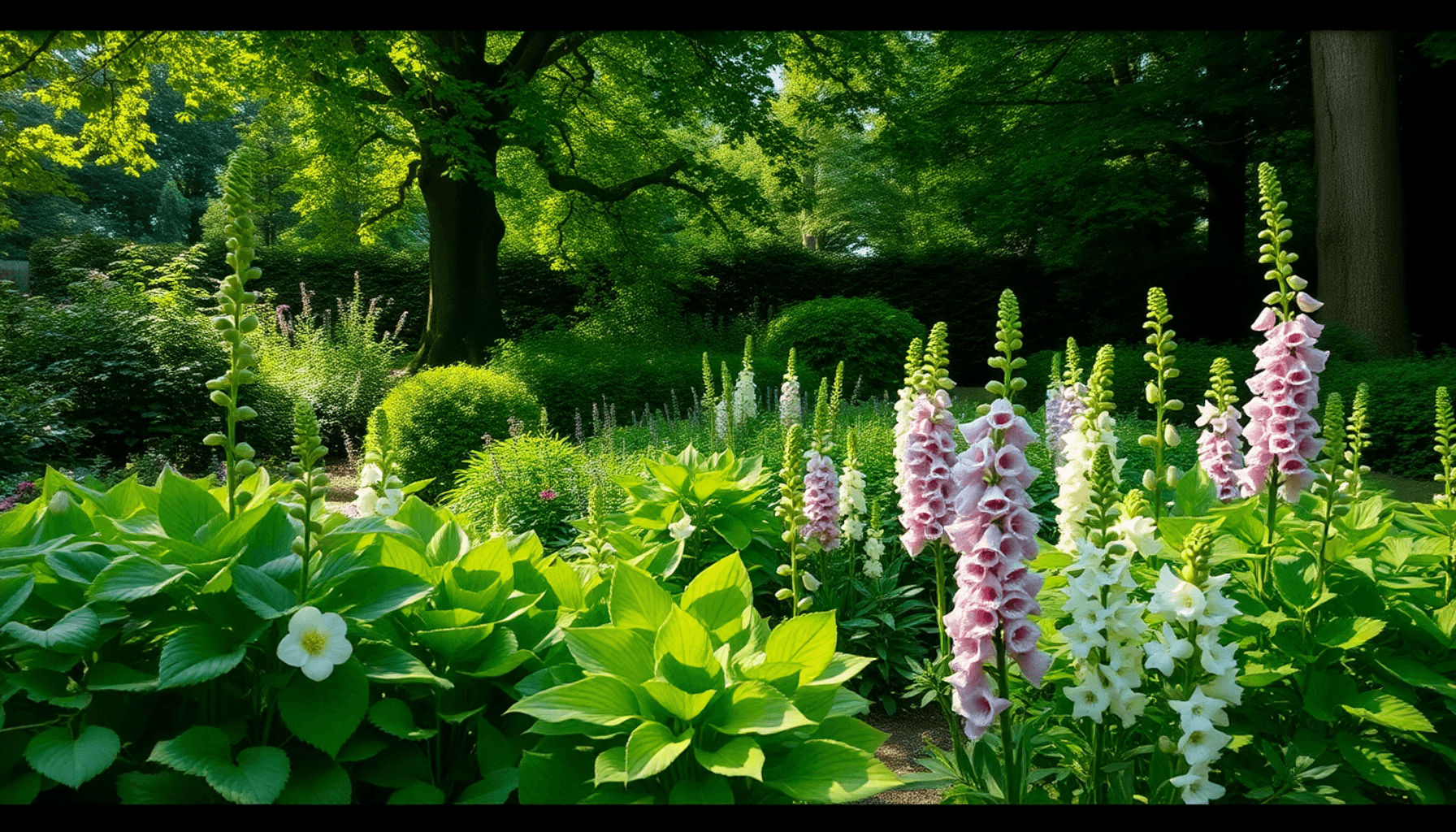

Gardening in shaded areas offers both opportunities and challenges, particularly in the UK where garden shade types can vary significantly. The Complete Guide to Gardening in Shade UK will provide you with all the information you need to turn those less sunny spots into vibrant, appealing parts of your outdoor space.
You will discover how to recognize and comprehend different kinds of shade—from light and partial to deep and heavy—and why this understanding is essential for successful plant growth. Pairing the appropriate plants with specific shade conditions not only improves their health but also enhances the overall beauty of your garden.
The basics of shade gardening involve realizing that shaded areas are not merely "empty" or "difficult" spaces but can transform into breathtaking, green hideaways when approached with effective strategies. Although growing plants in shade presents challenges such as limited sunlight and competition for moisture, it offers rewards like diverse textures, subtle colors, and seasonal interest that sun-soaked beds might lack.
By recognizing the unique qualities of your shady garden corners and understanding their requirements and possibilities, you can fully embrace their charm. This guide provides practical tips on selecting plants, caring for soil, designing spaces, and maintaining gardens specifically tailored for UK gardens with various shading conditions.
Understanding Shade in UK Gardens
Gardening successfully in shaded areas starts with a clear understanding of the types of garden shade UK gardeners commonly encounter. Shade is not uniform; it varies widely depending on factors like tree cover, buildings, and garden orientation. Knowing your garden’s light levels in garden shade helps you choose plants that will thrive rather than struggle.
Types of Garden Shade
1. Light Shade
Receives filtered sunlight or bright indirect light for most of the day. Typically found near tall fences or hedges that partially block direct sun.
Sunlight duration: Around 4 to 6 hours of direct sun during midsummer.
2. Partial Shade
Areas that get sun for half the day but are shaded for the rest. Often occurs on east-facing gardens or spots shielded by deciduous trees.
Sunlight duration: Approximately 2 to 4 hours of direct sun daily in midsummer.
3. Dappled Shade
Characterised by sunlight filtering through leaves, creating a pattern of light and shadow throughout the day. Common beneath deciduous trees with moderate leaf density.
Sunlight duration: Indirect sun almost all day, with brief bursts of direct sunlight totaling less than 3 hours.
4. Moderate Shade
Limited direct sunlight, usually under dense shrubbery or coniferous trees where light penetration is minimal but not completely blocked.
Sunlight duration: Less than 2 hours of direct sun; mostly indirect light.
5. Deep/Heavy Shade
Areas under dense evergreen trees, walls, or buildings where sunlight rarely reaches and the environment remains cool and damp.
Sunlight duration: Virtually no direct sunlight; often less than an hour or none at all.
Assessing Your Garden’s Shade
To evaluate your garden’s shade type:
- Observe your outdoor space at different times on a sunny midsummer day.
- Note how many hours each section receives direct sunlight.
- Pay attention to whether the sun is filtered (dappled) or fully blocked.
- Record these observations over several days to account for slight variations in weather.
This method helps pinpoint which zones are light, partial, dappled, moderate, or deep shade—critical information before selecting plants.
Why These Distinctions Matter
Plants have very specific light needs. A plant thriving in light shade may fail to bloom or grow in deep shade conditions due to insufficient photosynthesis. Conversely, a plant adapted to heavy shade can look scruffy if placed in full sun.
By accurately identifying the types of garden shade UK gardeners face and understanding their respective light durations during peak growing months, you gain a solid foundation for choosing suitable plants and designing a healthy garden environment tailored to your space's unique characteristics.
How Plants Adapt to Shade Conditions
Gardening in shade requires a clear understanding of plant adaptation to shade and how photosynthesis works in low light. Plants have developed two main strategies to cope with shaded environments: shade avoidance and shade tolerance.
Shade Avoidance: Growing Taller to Escape the Shade
Some plants respond to limited light by elongating their stems. This growth spurt helps them reach higher, less shaded areas where more sunlight is available. You might notice these plants appearing leggy or stretched out as they compete for light. This is common in fast-growing species that prioritize height over leaf density.
Key features of shade avoiders:
- Long, thin stems
- Smaller or fewer leaves concentrated at the top
- Tendency to grow quickly during early spring when light levels are higher
If you have a garden spot with partial or dappled shade, plants using this strategy can be a good choice because they can adapt by growing towards the light gaps.
Shade Tolerance: Leaf Adaptations for Low Light Efficiency
In contrast, shade-tolerant plants modify their leaves to maximize photosynthesis even when sunlight is scarce. Their leaves tend to be:
- Broader and thinner to capture more diffuse light
- Rich in chlorophyll, making them darker green for efficient light absorption
- Arranged horizontally or in layers to intercept as much light as possible
Such adaptations allow these plants to maintain steady growth under moderate to deep shade without needing to grow tall.
Effects of Dense Shade on Plant Growth
Dense shade significantly reduces photosynthesis rates due to limited light availability. This impacts several aspects of plant health:
- Slower growth: Plants produce less energy, resulting in reduced biomass accumulation.
- Delayed or reduced flowering: Many plants need sufficient light intensity and duration to trigger flowering; dense shade can suppress blooms.
- Smaller leaves with lower pigment production: Some species may struggle with nutrient uptake and chlorophyll synthesis under heavy shade.
Selecting Plants Based on Shade Levels
Choosing the right plants depends heavily on your garden's specific shade conditions:
| Shade Type | Suitable Plant Adaptation | Examples |
| Light / Partial | Shade avoiders or tolerant | Bleeding heart, foxglove |
| Dappled / Moderate | Mainly shade tolerant | Lungwort, hellebores |
| Deep / Heavy | Highly shade tolerant | Solomon’s seal, wood spurge |
When selecting plants, consider their natural habitat. Woodland species often excel in moderate to deep shade because they evolved under tree canopies.
Practical Tips for Gardeners
- Assess light levels during different times of day and seasons before planting.
- Avoid overcrowding; even shade-tolerant plants need airflow and some filtered light.
- Use pruning strategically to increase light penetration if possible.
- Monitor soil moisture closely since shaded areas often retain moisture but may also have competing root systems from nearby trees affecting water availability.
Understanding how plants adapt helps you pick species that will thrive rather than just survive in your garden’s shaded corners. This knowledge also informs maintenance practices that support healthy growth despite limited sunlight.
Best Plants for Shade Gardening in the UK
Choosing the right shade tolerant plants is essential for creating a thriving garden in low-light conditions. The diverse selection of perennials and woodland plants adapted to shady environments offers both beauty and resilience. These plants are specially suited to flourish where sunlight is limited, making them key choices for your shady garden spaces.
Perennials Suited for Shade
1. Hellebores
Known as Christmas or Lenten roses, hellebores provide winter and early spring interest with their nodding, saucer-shaped flowers. Their evergreen leathery leaves add texture year-round. Flower colours range from white through pink and purple to deep maroon. They prefer moist, well-drained soil and dappled shade.
2. Bleeding Heart (Dicentra spectabilis)
Recognizable by its delicate heart-shaped pink or white flowers that hang gracefully from arching stems in late spring to early summer. Bleeding heart thrives in rich, moist soil with partial to full shade, adding a romantic touch to shaded borders.
3. Lungwort (Pulmonaria officinalis)
Lungwort boasts attractive spotted or silvery foliage alongside clusters of small tubular flowers that shift colour from pink to blue as they mature. Flowering in early spring, it prefers damp, shady spots and enriches shade gardens with early-season colour.
4. Solomon's Seal (Polygonatum multiflorum)
This elegant perennial features arching stems with pairs of bell-shaped creamy-white flowers hanging beneath the leaves during late spring. Its graceful form works well under trees or shrubs, tolerating moderate shade and providing architectural interest.
Woodland Plants Thriving in Shade
1. Foxglove (Digitalis purpurea)
A biennial or short-lived perennial that thrives in partial shade found in woodland edges. Tall spikes of tubular flowers appear in summer, ranging from purple and pink to white. Foxgloves attract pollinators and add vertical structure.
2. Stinking Iris (Iris foetidissima)
Despite its name, this iris is valued for its glossy evergreen leaves and striking orange seed pods that persist into winter. It flourishes in full shade beneath trees where many other plants struggle.
3. Wood Spurge (Euphorbia amygdaloides)
With lime-green flowers appearing in spring, wood spurge suits dry shaded areas such as under deciduous trees. Its evergreen foliage provides year-round interest and forms dense groundcover.
4. Snowdrops (Galanthus nivalis)
One of the earliest bulbs to flower in late winter or very early spring. Snowdrops carpet woodland floors with delicate white blooms signaling the approach of spring. They perform best in moist, well-drained soils under deciduous trees.
Visual Inspiration
Including images can help you visualize how these plants enhance shaded areas:
- Close-up photograph of hellebores blooming in shaded beds, showcasing their delicate petals against dark green foliage.
- Cluster of woodland flowers under tree canopy, highlighting foxgloves, snowdrops, and wood spurge thriving together.
The careful selection of these shade tolerant plants enables you to build layered planting schemes full of seasonal interest and varying textures suited for your shaded garden corners. Woodland plants bring a naturalistic feel while perennials offer reliable flowering displays throughout the growing season.
Growing Edible Plants in Shaded Areas
Gardening with edible plants for shaded gardens UK requires careful selection and understanding of light availability. Many fruit bushes and vegetables can thrive in light or partial shade, expanding your growing options beyond sunny borders.
Fruit Bushes for Partial Shade
Certain fruit bushes tolerate partial shade well, allowing you to harvest fresh produce even where sunlight is limited.
1. Redcurrants and Whitecurrants
These are among the best fruit bushes for partial shade UK gardens. They prefer a position that receives at least 3 to 4 hours of sunlight daily but can withstand some shading from taller plants or structures.
- Tips for placement and care:
- Plant them in well-drained soil enriched with organic matter to support healthy root development.
- Avoid overly dry conditions by mulching around the base to retain moisture.
- Prune annually to maintain airflow and encourage fruit production.
- Position near south-facing walls or fences where reflected light boosts growth without full exposure.
2. Gooseberries and Blackcurrants
Gooseberries and Blackcurrants also manage well in part-shade environments, though they usually benefit from slightly more sun than redcurrants.
Vegetables Suitable for Light Shade
Lightly shaded areas can support a variety of vegetables, especially those that do not require intense sunlight to mature properly. You might wonder, "can I still grow vegetables and herbs if my garden is shaded?" The answer is yes!
1. Beetroot
Beetroot tolerates some shading but prefers at least 4 hours of indirect light. Shaded conditions may slow growth slightly but usually improve root tenderness.
- Soil preparation and watering advice:
- Work the soil deeply to break up compaction; beets develop better in loose, fertile ground.
- Maintain consistent moisture levels without waterlogging; use mulch to prevent rapid drying under tree cover or shaded beds.
2. Baby Carrots
Baby carrots grow well in light shade when soil is loose and rich in organic matter. Shaded environments help keep roots cool, reducing stress during warmer months.
- Care tips:
- Thin seedlings early to avoid overcrowding which can stunt root development.
- Water regularly but sparingly, ensuring soil remains moist but not soggy.
Other vegetables such as chard, kale, leaf salads, and spinach also perform reasonably well with limited direct sun, making them good candidates for shaded kitchen gardens.
Maximizing Success with Edible Plants in Shade
- Choose varieties known for shade tolerance or bred specifically for cooler, less sunny conditions.
- Improve soil fertility by adding compost or well-rotted manure before planting to compensate for slower nutrient cycling typical under shaded canopies.
- Regular watering is essential since shaded soils can dry out unevenly due to competition from nearby trees or shrubs.
Selecting the right edible plants combined with attentive care allows you to enjoy fresh harvests even in the more shadowed corners of your garden space.
Soil Preparation and Maintenance for Shaded Gardens
Gardening in shaded areas in the UK demands particular attention to soil care shaded gardens UK environments. Shade often results in cooler, damper conditions with less evaporation, but the soil beneath trees or dense shrubs can become compacted and nutrient-poor. Improving soil structure is essential to support healthy root development and maximize plant growth.
Key steps for optimal soil preparation:
- Add Organic Matter: Incorporate well-rotted compost, leaf mould, or garden manure into the soil. Organic matter improves drainage in heavy soils while increasing moisture retention in lighter soils. It also encourages beneficial microbial activity that enhances nutrient availability.
- Avoid Compaction: Shaded garden soils often suffer from compaction due to foot traffic or heavy tree roots. Use a garden fork or aerator to gently loosen the soil without disturbing tree roots excessively.
- Adjust pH if Needed: Some shaded areas, especially those under conifers or evergreen trees, may have acidic soils. Test your soil pH and amend accordingly with lime (to raise pH) or sulfur (to lower pH), depending on the plants you intend to grow.
Mulching benefits and application:
- Mulching is particularly important in shade gardens where natural leaf litter might be sparse or removed during maintenance.
- Apply a 5–7 cm layer of organic mulch such as shredded bark, leaf mould, or well-composted garden waste around plants and under trees.
- Mulch helps retain soil moisture, suppresses weeds that compete for nutrients, and gradually enriches the soil as it breaks down.
Watering considerations:
- Although shaded soils tend to retain moisture longer, root competition from mature trees can create dry pockets.
- Monitor soil moisture regularly; ensure watering penetrates deeply rather than shallow surface watering.
- Use soaker hoses or drip irrigation to deliver water efficiently without promoting fungal diseases common in damp shade conditions.
Proper soil care tailored to shaded environments enhances plant resilience by improving nutrient uptake and root health. This foundation supports the diverse range of shade-tolerant plants discussed in other sections and enables your shady garden to flourish despite limited sunlight.
Design Tips for Attractive Shady Gardens in the UK
Designing a garden that thrives in shade requires creativity and thoughtful plant selection. Shade can make a garden feel cool and tranquil, but it can also appear dull if not approached with the right design strategies. Here are key tips to transform your shaded outdoor space into an inviting and visually appealing area.
Brighten Dark Corners with Pale and Pastel Colors
Shade naturally mutes colours, so using plants with pale or pastel-colored foliage and flowers helps lift the gloom:
- Foliage: Choose plants with silvery, variegated, or light green leaves to reflect whatever light is available. Examples include hostas with their pale green or blue leaves, lamium with silver markings, and brunnera's heart-shaped silvery foliage.
- Flowers: Select blooms in soft pinks, whites, lavender, or pastel blues to contrast against darker green backgrounds. Plants such as hellebores, bleeding hearts, and lungwort offer delicate coloured flowers that brighten shady beds.
These color choices catch limited sunlight and create a gentle glow in shaded areas, making them feel more open and lively.
Layer Plants by Texture and Height for Depth
A flat planting arrangement can make shade gardens look sparse or uninteresting. Use layers of plants with varying heights and textures to add dimension:
- Height variation: Start with taller plants like foxgloves or Solomon’s seal at the back of beds or under taller trees. Mid-height plants such as lungwort and bleeding heart fill the middle layer. Low-growing groundcovers like ajuga, hostas, or mosses create a lush carpet beneath.
- Texture mix: Combine broad-leaved plants with fine-textured foliage for contrast. For example, pair large-leafed hostas with feathery ferns or spiky grasses adapted for shade.
- Repetition: Repeat certain plants or colors throughout the garden to unify different areas while maintaining interest.
This layering technique guides the eye through the garden space and avoids monotony despite low light.
Use Structural Elements to Complement Plantings
Incorporate hardscape features that work well in shade to enhance visual appeal:
- Pathways: Materials like gravel, slate chips, or stepping stones provide texture contrasts next to soft foliage.
- Garden furniture: A painted bench in pastel tones stands out beautifully amid shady greenery.
- Vertical features: Trellises or arches planted with shade-tolerant climbers such as English ivy add height without requiring sunlight.
These elements bring formality and structure to shady corners that might otherwise feel undefined.
Consider Seasonal Interest
Choose plants that stagger their peak times of interest so your shady garden remains engaging year-round:
- Early bloomers like snowdrops and winter aconites brighten late winter.
- Spring hellebores provide colour before many deciduous trees leaf out.
- Summer foxgloves offer vertical drama when shade deepens.
- Autumn colour from shrubs like hydrangeas extends the season's visual appeal.
By planning for seasonal shifts, you keep your shade garden dynamic rather than static.
These shady garden design ideas UK gardeners use combine color theory, plant layering, structural accents, and seasonal planning. They help unlock the full potential of shaded spaces often overlooked but rich in opportunity for creative gardening. The Complete Guide to Gardening in Shade UK encourages you to experiment boldly within these principles to craft your own unique shady retreat.
Conclusion
Gardening in shade UK presents a unique opportunity to cultivate a garden that is both tranquil and visually captivating. The key to successful gardening in shade UK lies in understanding the specific light conditions of your garden and matching them with the right plants. This approach transforms potential limitations into creative advantages.
Embrace the unique beauty of shady gardens by:
- Selecting plants known for their shade tolerance, such as hellebores, lungwort, or woodland species like foxgloves.
- Incorporating design strategies that use pale foliage and varied textures to enhance visual interest and brighten darker spots.
- Considering soil improvement techniques such as organic matter addition and mulching to support plant health and moisture retention.
Maintaining a shady garden requires consistent care tailored to these environments:
- Monitor soil moisture regularly, especially under tree canopies where roots compete for water.
- Prune sparingly to balance light availability without overly disturbing shade-loving plants.
- Refresh mulch layers seasonally to protect roots and suppress weeds.
Your shaded garden can flourish with thoughtful plant choices and attentive maintenance. This creates an outdoor space that thrives despite lower light levels and rewards your efforts with year-round charm.
Suggested Images for Article
Selecting the right images enhances the visual appeal and helps readers better understand key concepts from The Complete Guide to Gardening in Shade UK. Consider including:
-
Close-ups of hellebores blooming in shaded beds
Highlight their winter or early spring flowers with delicate saucer-shaped petals, showing how they brighten shaded garden areas. -
Woodland flower clusters under trees
Capture diversity with foxgloves, snowdrops, and wood spurge growing naturally beneath tree canopies to illustrate seasonal interest in shade. -
Shade garden design featuring pale or pastel-colored foliage and flowers
Display a layered planting scheme combining textures and heights that lift dark corners, emphasizing garden aesthetics discussed in the design tips section. -
Examples of fruits like redcurrants and whitecurrants growing in light or partial shade
Show these edible plants thriving in dappled sunlight, reinforcing advice on suitable fruit choices for shaded UK gardens. -
Vegetable patches with beetroot and baby carrots planted in lightly shaded spots
Visualize soil preparation and plant health under partial shade to complement the edible plants section. -
Mulching around tree bases and shade-loving plant beds
Illustrate soil moisture retention techniques crucial for maintaining healthy shaded gardens.
Images should be clear, vibrant, and closely related to the text's practical guidance. This will engage readers visually while reinforcing key points from The Complete Guide to Gardening in Shade UK.
FAQs (Frequently Asked Questions)
What are the different types of garden shade found in UK gardens?
In UK gardens, shade can be categorized into several types including light shade, partial shade, dappled shade, moderate shade, and deep or heavy shade. Each type varies based on the duration and intensity of sunlight received, especially during midsummer months, which is crucial for selecting appropriate plants for your shaded garden.
How do plants adapt to low light conditions in shaded areas?
Plants adapt to shaded environments primarily through two strategies: shade avoidance and shade tolerance. Shade avoidance involves stem elongation to reach more light, while shade tolerance includes leaf adaptations that optimize photosynthesis under low light. Understanding these adaptations helps gardeners choose plants that will thrive in specific shade levels.
Which perennial and woodland plants are best suited for shade gardening in the UK?
For UK shade gardens, perennials such as hellebores, bleeding heart, lungwort, and Solomon's seal are excellent choices due to their attractive features and flowering times. Woodland plants like foxglove, stinking iris, wood spurge, and snowdrops also thrive under shaded conditions, providing seasonal interest and enhancing garden aesthetics.
Can I grow edible plants in shaded areas of my UK garden?
Yes, certain edible plants tolerate light or partial shade in UK gardens. Fruit bushes like redcurrants and whitecurrants perform well with proper placement and care. Vegetables such as beetroot and baby carrots can also be grown in lightly shaded spots if soil is well-prepared and watering needs are met.
What soil preparation techniques are recommended for shaded gardens in the UK?
Improving soil structure by adding organic matter is vital for shaded gardens to enhance nutrient availability and moisture retention. Mulching is especially beneficial under trees to conserve moisture and suppress weeds. These practices support healthy plant growth despite lower light levels.
How can I design an attractive shady garden in the UK?
To brighten dark corners of a shady garden, use pale or pastel-colored foliage and flowers. Layering plants with varying textures and heights creates visual interest and depth. Incorporating these design tips helps maximize the unique beauty of shady outdoor spaces while complementing plant selection strategies.