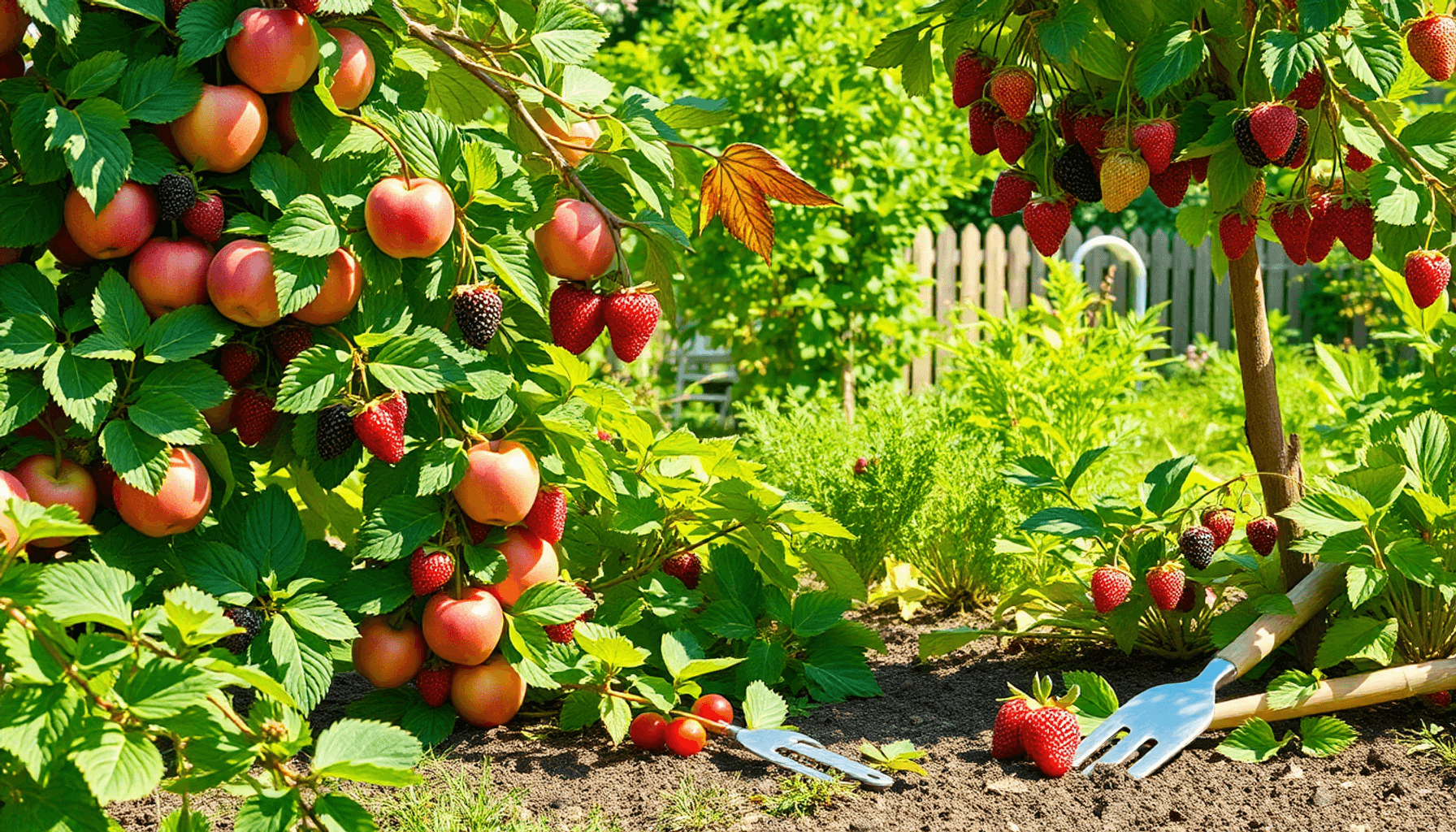

Growing fruit in the UK has become increasingly popular among gardeners who want to enjoy fresh, home-grown produce. Fruit gardening UK offers a rewarding experience, blending the satisfaction of nurturing plants with the joy of harvesting delicious fruits straight from your own backyard.
The Complete Guide to Growing Fruit in the UK is designed to equip you with the essential knowledge and techniques needed for successful fruit cultivation UK. Anyone, regardless of experience, can grow tasty fruits if they understand the basics of climate and soil conditions specific to the UK.
Key factors influencing success include:
- The local climate, which affects what types of fruit will thrive.
- Soil quality and drainage, crucial for healthy root development.
- Choosing varieties that suit your garden’s environment.
Home-grown fruit brings benefits beyond convenience. You gain superior taste and freshness compared to store-bought options, along with peace of mind knowing exactly how your fruit was grown—free from unnecessary chemicals or preservatives.
This guide covers everything you need to know:
- Planning your fruit garden according to space and preferences.
- Understanding soil and site requirements.
- Selecting appropriate varieties for the UK climate.
- Propagation methods for extending your crop.
- Best planting times and techniques.
- Maintaining plant health through proper care.
- Managing pests and diseases effectively.
- Harvesting to maximize yield while preserving fruit quality.
You’ll find practical advice rooted in real gardening experience alongside expert recommendations. Whether you want to grow strawberries on a sunny windowsill or establish an orchard of apples and plums, this guide will support your journey toward a fruitful harvest.
Planning Your Fruit Garden
Planning is the foundation of a successful fruit garden in the UK. Taking time to organise your garden layout, select suitable fruits, and understand your space will save effort and increase productivity.
Step 1: List Desired Fruits and Quantities
Start by deciding what fruits you want to grow. Consider:
- Your personal taste preferences.
- The amount of fruit your household consumes.
- Whether you want fruits for fresh eating, cooking, or preserving.
Writing down a list helps focus your efforts and prevents overcrowding. For example:
- Strawberries: 10 plants for fresh eating and jams.
- Raspberries: 6 canes for summer desserts.
- Apples: 2 dwarf trees for autumn harvest.
Quantities must balance with available garden space to avoid underutilisation or over-crowding.
Step 2: Assess Garden Space, Climate, and Soil Suitability
Evaluate your plot carefully:
- Space: Measure the area dedicated to fruit growing. Remember that trees like apples and pears need more room than berry bushes.
- Sunlight: Most fruit requires at least six hours of direct sun daily.
- Soil type: Sandy soils suit raspberries, while blackcurrants prefer fertile, moisture-retentive soils. Well-drained soil is crucial across the board to prevent root diseases.
- Microclimate: Sheltered spots protect tender fruits from wind damage; frost pockets may threaten early blossoms.
Knowing these factors lets you match fruit types with their ideal conditions.
Step 3: Choose Appropriate Fruit Varieties for the UK
Selecting varieties adapted to the UK climate increases success rates. Options include:
- Traditional varieties: Time-tested apples like 'Cox's Orange Pippin' or plums such as 'Victoria' offer reliable flavour but may need more care for disease control.
- Newer mildew-resistant cultivars: These reduce fungicide use and maintain healthy foliage—especially important for gooseberries and blackcurrants prone to powdery mildew.
Ask local nurseries or consult RHS resources to identify recommended cultivars suited to your region.
Fruit garden planning in the UK involves balancing preference, space, environment, and variety choice. This groundwork sets up every subsequent step from planting through maintenance.
Understanding Soil and Site Requirements
Choosing the right soil and site is crucial for growing healthy fruit plants. Different fruits have distinct preferences when it comes to soil types UK gardeners encounter. Knowing these preferences can significantly boost your success rate.
Soil Preferences by Fruit Type
- Raspberries: Thrive best in sandy soils that drain well. Sandy soil warms up quickly in spring, encouraging early root growth. It also prevents waterlogging, which raspberries are sensitive to.
- Blackcurrants and Gooseberries: Prefer fertile, shady soils that retain moisture but do not become waterlogged. These fruits benefit from slightly heavier soils rich in organic matter.
- Strawberries: Adaptable to a range of soils but perform best in light, well-drained loams with good fertility.
- Apples and Pears: Require deep, fertile soils with good drainage; avoid heavy clay that can cause root rot.
- Plums: Similar to apples, need well-drained sites but tolerate slightly heavier soils better than some other fruit trees.
Key Characteristics of Best Soil for Fruit Growing
- Well-drained: Essential to prevent root diseases caused by standing water or poor aeration.
- Loamy texture: Offers balance between moisture retention and drainage, supporting nutrient availability.
- Rich in organic matter: Improves soil structure and provides nutrients for vigorous growth.
- pH level: Most fruit plants prefer slightly acidic to neutral soils (pH 6.0–7.0).
Site Selection for Fruit Plants
Selecting the right site influences microclimate conditions that affect fruit development:
- Choose a location with full sun exposure where possible; more sunlight improves flowering and fruit ripening.
- Avoid frost pockets or exposed windy areas that can damage blossoms or stunt growth.
- Consider soil drainage—sloping ground often drains better than flat areas prone to waterlogging.
- For shade-tolerant fruits like blackcurrants and gooseberries, partial shade is acceptable and sometimes preferable.
Why Well-Drained Soil Matters
Waterlogged soil creates anaerobic conditions harmful to roots, leading to:
- Poor root development
- Increased susceptibility to fungal diseases such as root rot
- Nutrient deficiencies due to impaired uptake
Improving drainage might involve:
- Adding organic matter like compost or well-rotted manure
- Installing raised beds or mounding planting areas
- Incorporating grit or sand into heavy soils
Understanding these soil types UK gardeners face along with careful site selection equips you with the foundation needed for a thriving fruit garden tailored to each plant’s needs.
Choosing the Right Fruit Varieties for the UK Climate
Selecting UK fruit varieties that thrive in local conditions is a critical step for a productive garden. The British climate, characterized by mild summers and cool winters, suits a range of fruits well. Understanding which varieties perform best can save you time and effort while maximizing your harvest.
Common Fruits Suited to the UK Climate
Here are some common fruits that do well in the UK climate:
- Strawberries: Popular for their sweet flavor and versatility, strawberries do well in most parts of the UK. They can be grown in containers or garden beds. Early varieties like 'Honeoye' produce from late May, extending the season with remontant types.
- Raspberries: Two main types exist—summer fruiting and autumn fruiting. Summer fruiting raspberries yield on 2-year-old canes, while autumn types produce on new canes. Varieties such as 'Glen Ample' are widely recommended by the RHS for their robustness and flavor.
- Blackberries: Thriving on arching stems requiring support, blackberries tolerate some shade if soil fertility is high. Compact cultivars like 'Loch Ness' suit smaller spaces without sacrificing yield.
- Gooseberries: Traditionally prone to powdery mildew, gooseberries have seen improvements with newer mildew-resistant varieties like 'Invicta' and 'Hinnonmaki Red.' These reduce disease management efforts and improve crop reliability.
- Apples: Diverse apple varieties flourish across the UK, from dessert apples like 'Bramley’s Seedling' to cooking types such as 'Egremont Russet.' Rootstock selection influences tree size and vigor.
- Pears: Pear trees require slightly warmer sites but many cultivars such as 'Conference' adapt well to UK gardens.
- Plums: Suitable for milder areas, plums like 'Victoria' provide a reliable crop with good disease resistance.
Traditional vs Newer Mildew-Resistant Varieties
Powdery mildew has long been an issue with certain fruits, particularly gooseberries. Traditional varieties often demand vigilant spraying or pruning to manage outbreaks. The development of mildew-resistant gooseberries offers a practical alternative:
- Resistant cultivars maintain healthy foliage without chemical treatments.
- They encourage gardeners who previously avoided gooseberries due to disease susceptibility.
- These new varieties still deliver excellent taste and productivity comparable to traditional types.
The RHS endorses several mildew-resistant selections as part of its recommended plant lists, helping home gardeners choose reliable options aligned with sustainable practices.
Choosing fruit varieties adapted specifically to local climate challenges and soil conditions forms the backbone of successful fruit growing in the UK. Paying attention to these details ensures your garden thrives throughout the seasons.
Propagation Methods for Popular Fruits
Increasing your stock of fruit plants is a rewarding part of gardening. Understanding propagation techniques for strawberries, raspberries, and blackberries lets you multiply your harvest without buying new plants each season.
Propagating Strawberries Runners
Strawberries spread naturally through runners — long, thin stems that grow horizontally from the main plant. These runners develop small daughter plants at their tips.
- Identify healthy runners with small plantlets.
- Pin the plantlets gently to the soil surface in pots or directly in the garden.
- Keep the soil moist until roots develop, which usually takes 2–3 weeks.
- Once rooted, sever the runner connecting the new plant to the mother plant.
- Transplant these new strawberry plants to their permanent growing spots.
This method is simple and effective for expanding strawberry beds quickly. It also ensures genetic consistency since runners produce clones of the parent plant.
Raspberry Cane Propagation
Raspberries propagate differently. They grow from underground suckers and can be propagated by lifting young shoots or using tip layering techniques.
- Lifting suckers: In early spring or autumn, dig up young shoots (primocanes) with a good root system from established raspberry patches.
- Transplant these shoots to a prepared site with well-drained soil.
- Tip layering: Bend a healthy cane down to touch the soil surface during summer. Cover about 10cm of the tip with soil while leaving the rest exposed.
- Roots will form at this buried tip by autumn; cut it from the parent cane and transplant when dormant.
Propagation via canes maintains variety quality and helps rejuvenate older raspberry patches by replacing worn-out plants.
Blackberry Propagation Techniques
Blackberries spread through arching canes which root when their tips touch the ground. Gardeners use tip layering and stem cuttings to propagate blackberries.
- Tip layering: Bend vigorous blackberry canes so their tips rest on moist soil. Cover them lightly.
- After roots form over several weeks, sever rooted tips from parent canes and transplant.
- Stem cuttings: Take semi-ripe cuttings in mid-summer. Cut 10–15cm sections of healthy stems just below a leaf node.
- Remove lower leaves, dip cut ends in rooting hormone, and place cuttings in moist compost under shade.
- Roots should develop within a few weeks; then transfer to larger pots or garden beds.
These propagation methods help maintain productive blackberry varieties while controlling growth habits in smaller gardens.
Mastering these propagation techniques enables you to expand your fruit garden efficiently while preserving preferred cultivars adapted to your local conditions.
Planting Techniques and Seasonal Timing
Knowing when to plant raspberries UK or other fruit crops, and how to position them in your garden, significantly affects their growth and yield. Fruit trees and berry bushes have distinct planting needs that you must respect for successful establishment.
Planting Fruit Trees in the UK
- Timing: The dormant season planting period, typically from November to March, is ideal. This is when trees are leafless and less stressed by transplant shock.
- Site Preparation: Choose a sunny position with well-drained soil. Dig a hole twice as wide as the root ball but no deeper.
- Planting Depth: Set the tree so that the graft union (the bulge near the base of the stem) sits just above soil level.
- Watering: Water thoroughly after planting to settle the soil around roots and remove air pockets.
- Support: Stake young trees to protect them from wind damage but avoid tight ties that restrict movement.
Planting Berry Bushes
- Raspberries: Best planted during their dormant period between October and March. When planting, space canes about 45cm apart in rows 1.8m apart to allow airflow and ease of picking.
- Blackberries: Similar timing to raspberries. Provide support like a trellis or fence as they grow on arching stems.
- Gooseberries and Currants: Plant in early spring or late autumn, spacing bushes about 1.2m apart.
General Tips for Successful Establishment
- Soil Moisture: Ensure soil is moist but not waterlogged at planting time. Avoid planting during drought or frozen ground conditions.
- Mulching: Apply an organic mulch layer around plants after planting to conserve moisture and suppress weeds.
- Avoid Root Damage: Handle roots carefully; prune any broken roots cleanly before planting.
- Planting Depth for Berries: Set crowns (where roots meet shoots) about 2.5cm below soil surface for raspberries and blackberries.
Mastering these planting techniques aligned with seasonal timing boosts your fruit garden's chances of thriving in UK conditions. Each plant type has its nuances, so following these guidelines ensures your young fruit plants develop strong roots and healthy growth from the start.
Maintenance and Care for a Healthy Fruit Garden
Maintaining a productive fruit garden in the UK requires consistent care tailored to the specific needs of your plants. Paying attention to watering, feeding, and pruning helps maximize fruit yield and keeps plants resilient against pests and diseases.
Watering Fruit Plants UK
Water is essential for healthy fruit development. In the UK's often variable climate, watering schedules should adapt to rainfall patterns and soil moisture levels:
- Frequency: Water deeply but less often to encourage strong root growth. During dry spells, fruit plants typically need watering once or twice a week.
- Method: Use drip irrigation or soaker hoses to deliver moisture directly to the roots, reducing fungal risks on leaves.
- Timing: Early morning watering is best to minimize evaporation and allow foliage to dry during daylight hours.
Foliar Feeding with Seaweed Extract
Seaweed extract foliar feeding adds vital trace elements and growth hormones that support plant vigor:
- Application: Spray diluted seaweed extract onto leaves every 3–4 weeks during the growing season.
- Benefits: Enhances nutrient uptake, improves drought tolerance, and stimulates flowering and fruit set.
- Compatibility: Works well alongside regular soil feeding but should not replace balanced fertilizer applications.
Pruning Fruit Bushes
Pruning shapes fruit bushes, improves air circulation, and directs energy into fruit production rather than excessive leaf growth. Prune most berry bushes in late winter or early spring while they are dormant, using clean, sharp secateurs or loppers for precise cuts that heal quickly.
Pruning Techniques by Plant
- Strawberries: Remove old leaves after harvest to prevent disease buildup.
- Raspberries: Cut out old canes after fruiting and thin remaining shoots to avoid overcrowding.
- Blackberries: Trim trailing stems after harvest and remove weak or diseased wood.
- Gooseberries: Thin branches yearly to maintain an open structure for light penetration.
Additional Maintenance Tasks
Several other routine actions contribute significantly to maintaining a thriving garden environment:
- Mulching: Apply organic mulch around the bases of fruit plants to conserve moisture, regulate soil temperature, and suppress weeds.
- Weeding: Regularly remove competing weeds that rob nutrients and water from your fruit crops.
- Monitoring: Inspect plants frequently for signs of pests or disease; early detection allows for targeted interventions without heavy chemical use.
- Soil Management: Conduct soil tests periodically to check pH and nutrient status, and amend soil with compost or well-rotted manure as needed.
Implementing these maintenance practices consistently will keep your fruit garden productive year after year. They form the foundation of successful home fruit cultivation described throughout The Complete Guide to Growing Fruit in the UK.
Managing Pests and Diseases in Fruit Gardens
You need a solid plan for pest control in UK fruit gardens to protect your crops from common threats. Many fruit plants attract a variety of pests, which can reduce yield and quality if left unmanaged. Understanding the typical pests and their life cycles helps you apply targeted strategies that keep your fruit healthy.
Common Pests in UK Fruit Gardens
- Aphids: These small insects cluster on young shoots and leaves, sucking sap and weakening plants. They can also transmit viruses.
- Codling moth: A major problem for apples and pears. Larvae bore into fruits, causing internal damage.
- Vine weevil: Adults feed on foliage while larvae attack roots, leading to poor plant vigor or death.
- Spider mites: Thrive in dry conditions, causing stippling and leaf drop, especially on strawberries and gooseberries.
- Sawfly larvae: Feed on blackcurrant and gooseberry leaves, skeletonizing them rapidly.
- Fruit flies: Lay eggs in soft fruits like strawberries, leading to rotting.
Disease Prevention in Fruit Plants
Fungal diseases such as powdery mildew, apple scab, and brown rot are widespread challenges. Mildew-resistant varieties help but do not eliminate the need for vigilance. Good hygiene practices reduce disease pressure:
- Remove fallen leaves and pruned material promptly.
- Avoid overhead watering to minimize leaf wetness.
- Space plants adequately for air circulation.
Effective Management Strategies
You can rely on a combination of cultural practices, physical controls, and careful monitoring before resorting to chemical options.
Cultural Practices
- Crop rotation: Moving fruit crops or alternating with non-host plants interrupts pest life cycles. Although perennial fruit bushes are fixed, rotating companion annuals nearby can help reduce soil-borne pests.
- Companion planting: Certain plants repel pests or attract beneficial insects. Marigolds deter aphids, nasturtiums draw aphids away from fruit bushes, and herbs like mint and chives repel codling moth adults.
- Sanitation: Clean tools between uses to prevent disease spread. Remove weeds that may host pests.
Physical Controls
- Use netting to prevent birds from damaging soft fruits like strawberries or raspberries.
- Sticky traps catch flying adults such as sawflies or codling moths early in their life cycle.
- Handpick visible pests like vine weevils or caterpillars during regular inspections.
Biological Controls
You can encourage natural predators by creating a wildlife-friendly garden environment. Ladybirds consume aphids voraciously, lacewings target soft-bodied insect larvae, and parasitic wasps attack codling moth larvae inside fruits.
Monitoring and Early Detection
Regularly observe your fruit plants for signs of infestation or disease symptoms:
Yellowing leaves with sticky residue often indicate aphid presence
Small exit holes in apples suggest codling moth activity
Early detection allows prompt intervention before damage escalates.
Adopting an integrated pest management approach tailored to your garden's conditions will enhance success in keeping pests and diseases under control while maintaining ecological balance.
Harvesting Techniques to Maximize Yield Potential
Harvesting fruit at the right time and in the right way plays a significant role in maximizing fruit yield UK gardeners can achieve. Different fruits demand specific timing and methods to ensure quality, flavour, and shelf life while reducing damage.
Harvesting Strawberries UK
- Timing: Strawberries are best harvested when fully ripe, which means they have developed a deep red colour all over. Picking too early results in less sweet fruit.
- Frequency: Pick strawberries every 2-3 days during peak season from late May to first frosts to avoid overripe fruit on the plants.
- Technique: Gently hold the berry between thumb and forefinger and snip or pinch the stem just above the berry, leaving a small calyx attached to prolong freshness.
- Containers: Use shallow containers to prevent squashing berries during collection.
Picking Raspberries Timing
- Ripeness: Raspberries do not continue ripening once picked. Harvest when they detach easily from the receptacle with a gentle tug and display full colour (red, yellow, black depending on variety).
- Seasonality: Summer-fruiting raspberries are usually ready from June to July; autumn-fruiting types ripen later from August onwards.
- Harvest technique: Pick raspberries carefully to avoid bruising. Support the fruit with one hand while picking with the other.
- Daily picking: Frequent harvesting every 1-2 days encourages continuous production and reduces losses.
Harvesting Blackberries and Gooseberries
- Blackberries: Pick when fully black and glossy without red hints for best taste. They should come off easily but firmly when gently pulled.
- Gooseberries: Harvest depends on use—pick earlier for pies (firm berries) or later for jams (softer, sweeter). Avoid overripe berries which split easily.
Maximizing Fruit Yield UK Tips
- Regular harvesting prevents waste and stimulates further fruit production by removing mature fruits promptly.
- Use sharp scissors or pruning shears where necessary to reduce stem damage.
- Handle fruit gently; bruised fruits spoil faster and reduce overall quality.
- Harvest in cool parts of the day like early morning or late afternoon to maintain freshness.
- Store picked fruit in ventilated containers away from direct sunlight immediately after picking.
Following these guidelines helps you enjoy bountiful harvests of high-quality fruit while encouraging repeat cropping throughout the season. Proper harvesting techniques complement planting and care practices covered earlier, ensuring your UK garden’s productivity reaches its full potential.
Conclusion
Growing your own fruit in the UK offers both rewarding successes and inevitable challenges. The journey from planning your garden to harvesting ripe, flavorful produce connects you deeply to the rhythms of nature and the satisfaction of sustainable gardening practices UK enthusiasts value.
Key points to remember for successful fruit growing tips UK:
- Patience matters. Fruit plants often take time to establish before yielding abundant crops.
- Adaptability is crucial. Each garden space has unique conditions—soil type, microclimate, and available sunlight—that influence what grows best.
- Learning through experience enhances results. Experiment with different varieties and techniques to discover what thrives in your outdoor space.
- Sustainable methods protect your garden ecosystem. Emphasizing organic care and pest management supports long-term health.
The Royal Horticultural Society (RHS) stands as an excellent resource hub for gardeners seeking detailed advice on growing fruits suited for UK climates. Their guidance complements personal observation and hands-on practice, helping you refine your approach year after year.
“Gardening is a series of joyful experiments.” Embrace this spirit as you apply the insights from The Complete Guide to Growing Fruit in the UK. Let curiosity lead you toward bountiful harvests that reward both palate and passion. Your backyard orchard or berry patch can become a thriving example of how dedicated care transforms ordinary soil into a source of delicious abundance.
FAQs (Frequently Asked Questions)
What are the key factors for successfully growing fruit in the UK?
Successful fruit growing in the UK requires understanding the local climate and soil conditions, selecting appropriate fruit varieties suited to these conditions, and applying proper gardening techniques from planting to maintenance.
How do I plan my fruit garden effectively in the UK?
Effective planning involves listing your desired fruits and quantities based on preferences and space, assessing your garden's soil and climate suitability, and choosing fruit varieties that thrive in UK conditions, including mildew-resistant options.
Which soil types are best for growing different fruits in the UK?
Different fruits prefer specific soils; for example, raspberries thrive in sandy soils, while blackcurrants and gooseberries grow well in fertile shady soils. Well-drained soil is crucial for healthy root development and disease prevention.
What are some recommended fruit varieties suitable for the UK climate?
Common fruits suited to the UK include strawberries, raspberries, blackberries, gooseberries, apples, pears, and plums. Both traditional varieties and newer mildew-resistant types, especially gooseberries, are recommended by RHS guidelines.
When is the best time to plant fruit trees and berry bushes in the UK?
Planting during the dormant season is ideal for establishing fruit trees and berry bushes successfully. Timing varies slightly depending on the specific fruit but generally aligns with late autumn to early spring periods.
How can I manage pests and diseases effectively in my UK fruit garden?
Effective pest and disease management includes identifying common local pests, employing cultural practices such as crop rotation and companion planting, maintaining plant health through proper care, and using targeted treatments when necessary.