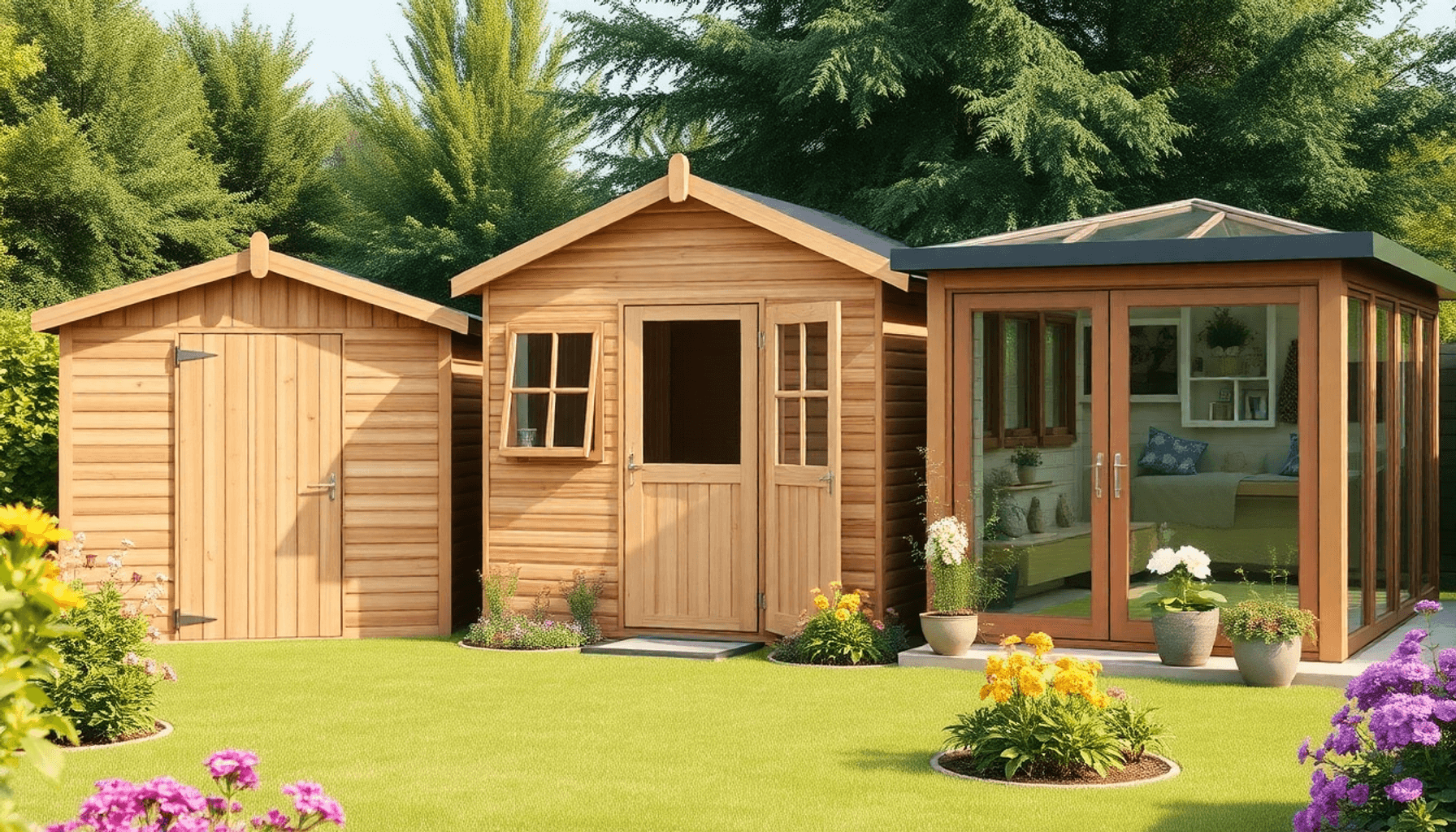

Garden structures have become increasingly popular as homeowners seek to maximize outdoor space for storage, leisure, or additional living areas. The choices available can be overwhelming, especially when deciding between a garden room vs shed vs summer house. Each type of building offers distinct benefits and serves different purposes within your garden.
This article provides a detailed garden buildings comparison to help you navigate these options. You will find clear explanations of what sets garden rooms, sheds, and summer houses apart. The goal is to equip you with the knowledge needed for choosing garden structures that best fit your lifestyle, budget, and intended use.
Key points to consider include:
- Primary function and usability
- Construction quality and materials
- Comfort levels across seasons
- Maintenance demands
- Legal considerations such as planning permission
- Cost implications
- How each structure complements your garden’s aesthetics
Understanding these factors will empower you to make an informed decision when selecting the ideal garden structure for your home.
Understanding Garden Structures: Definitions and Uses
Gardens often feature additional buildings that serve specific purposes. Knowing the shed definition, summer house meaning, and what a garden room entails will help you decide which structure fits your needs best.
Shed Definition
A shed is primarily a practical garden building used for storage or as a basic workspace. Its main role is to keep gardening tools, equipment, and outdoor supplies organized and protected from the elements. Sheds tend to have simple construction with thinner walls and minimal insulation, focusing on function rather than comfort or aesthetics. You might find shelves, hooks, or racks inside to maximize storage efficiency. While some use sheds as small workshops for DIY projects, their design rarely supports extended leisure or living use.
Summer House Meaning
A summer house is a garden structure designed with leisure in mind. It serves as a seasonal retreat where you can relax, entertain guests, or pursue hobbies like reading or painting. Unlike sheds, summer houses often come with decorative timberwork and larger windows to let in natural light, enhancing the connection with the garden environment. They are usually lightweight constructions with limited insulation, making them most suitable for use during warmer months. Some summer houses offer basic heating options but generally don’t provide year-round comfort without extra modifications.
Garden Room Explained
A garden room represents the luxury end of garden structures. It acts as an extension of your home, providing fully insulated space that supports year-round living or working environments. Garden rooms often include modern amenities such as electricity, heating systems, Wi-Fi access, and high-quality glazing to maximize natural light while maintaining temperature control. This makes them versatile for uses like home offices, guest bedrooms, or multi-purpose living spaces that require comfort regardless of weather conditions. Their robust construction materials distinguish them from sheds and summer houses by offering durability alongside aesthetic appeal.
Each type of garden building fulfills different roles—from pure storage in sheds to seasonal leisure in summer houses and comfortable all-season living in garden rooms—making understanding these definitions crucial before making your choice.
Construction and Materials Comparison
When choosing between a shed, summer house, or garden room, understanding the differences in garden building materials and construction quality is crucial. These factors directly influence durability, insulation, and suitability for year-round use.
Shed Construction
Sheds are typically built using practical materials such as wood, metal, or plastic. Here are some key characteristics of shed construction:
- Walls tend to be thin and often uninsulated, focusing on basic protection rather than comfort.
- Designed for functionality and ease of assembly rather than aesthetics or longevity.
- Roofs typically feature simple felt or metal sheeting.
- This kind of construction suits storage needs but limits use in colder weather due to lack of thermal protection.
Summer House Build Quality
Summer houses are mainly constructed from timber, offering a warmer and more natural feel compared to sheds. Here are some features of summer house build quality:
- Incorporates decorative elements like carved trims or latticework to enhance visual appeal.
- Features larger windows made from standard glass, increasing natural light but providing minimal insulation.
- Lightweight frame supports easier installation but compromises thermal efficiency.
- Typically includes basic roofing with shingles or felt; some models allow for additional insulation upgrades.
Summer houses are suitable for seasonal leisure activities where moderate weather protection is acceptable.
Garden Room Build
Garden rooms are characterized by thick insulated walls using high-performance materials designed for all-season comfort. Here are the key aspects of garden room build:
- Utilizes durable cladding options including timber, composite panels, or even brick slips for increased lifespan.
- Incorporates high-quality glazing such as double or triple-glazed windows with low-emissivity coatings to retain heat and reduce energy loss.
- Roofs are robust and insulated, often matching the standards of traditional home extensions.
- Electrical wiring, heating systems, and ventilation are integrated within the build to support versatile uses.
- Construction standards meet building regulations in many cases due to their permanent nature.
Each structure’s construction aligns closely with its intended function. Sheds prioritize simplicity and cost-effectiveness through practical materials. Summer houses balance aesthetics with lightweight timber framing but fall short on full insulation. Garden rooms invest heavily in insulation and durable materials to ensure usability throughout the year without sacrificing style or comfort. Understanding these construction differences helps clarify which structure fits your lifestyle and climate challenges best.
Functionality and Intended Use Cases
When deciding between a shed, summer house, or garden room, understanding garden building uses is essential as each structure serves distinct purposes tailored to different needs.
Shed Functionality
- Primarily designed for storage of tools, gardening equipment, and outdoor essentials.
- Interior often features organizational solutions such as shelves, hooks, and racks to maximize space utility.
- Some sheds double as basic workspaces for DIY projects or potting plants but remain utilitarian rather than comfortable.
- Not intended for leisure or extended occupancy due to lack of insulation and minimal amenities.
Summer House Leisure Use
- Created mainly as a seasonal retreat to enjoy the garden environment during warmer months.
- Ideal for relaxing, pursuing hobbies like painting or reading, and entertaining guests in a cozy setting.
- Often furnished with comfortable seating and decorative touches that enhance the ambiance.
- May include basic amenities such as electricity and lighting to support leisure activities.
- Limited insulation restricts use primarily to spring and summer seasons unless additional heating is installed.
Garden Room Multipurpose Space
- Offers exceptional versatility beyond simple leisure or storage.
- Functions effectively as a home office, guest room, gym, art studio, or entertainment area thanks to full insulation and modern comforts.
- Year-round usability supported by heating systems, electricity, Wi-Fi connectivity, and high-quality glazing that blends indoor-outdoor living.
- Designed to be an extension of your home lifestyle rather than just a separate garden building.
In the comparison of Garden Room vs Shed vs Summer House: Which to Choose?, consider how each structure's functionality aligns with your intended use:
- Need secure storage? The shed’s straightforward design fits best.
- Seeking a charming seasonal getaway? The summer house offers style with leisure focus.
- Want flexible living or working space all year round? The garden room delivers comfort and adaptability.
Understanding these functional differences helps pinpoint which garden building will best support your lifestyle demands.
Insulation and Comfort Levels in Different Garden Structures
When comparing garden building insulation, the differences in comfort levels between sheds, summer houses, and garden rooms become clear. Your choice here will directly affect how often and comfortably you can use the structure throughout the year.
Sheds:
- Typically, sheds have thin walls with no insulation.
- Designed primarily for storage or occasional workspace, they lack thermal protection.
- In cold weather, sheds become uncomfortably chilly and unsuitable for extended use.
- Moisture and condensation can be an issue due to poor insulation and ventilation.
- Using a shed as a living or leisure space during colder months is generally impractical.
Summer Houses:
- Summer house insulation limits their usability mostly to warmer months.
- Constructed with lightweight timber and often single-glazed windows, offering minimal thermal resistance.
- Some models offer options to add insulation or heating systems, but these modifications are usually basic.
- Even with added heating, summer houses do not provide the same level of all-season comfort as garden rooms.
- Ideal for seasonal relaxation, hobbies, or entertaining when temperatures are mild.
Garden Rooms:
- Feature full insulation in walls, roofs, and floors designed for year-round comfort.
- High-quality double or triple glazing reduces heat loss while maximizing natural light.
- Heating systems (electric radiators, underfloor heating) integrate seamlessly to maintain consistent indoor temperatures.
- Materials used ensure good airtightness and energy efficiency.
- Suitable for diverse uses irrespective of outdoor weather conditions—whether working from home during winter or hosting guests on chilly evenings.
Your decision should weigh how important year-round comfort is against your intended function for the garden structure. A garden room’s insulation will keep you comfortable through cold winters and hot summers alike. Summer houses offer a pleasant retreat during warm seasons but fall short when temperatures drop. Sheds remain practical storage solutions without any expectation of comfort beyond basic shelter.
Maintenance Requirements and Durability of Garden Structures
When considering garden building maintenance, you need to factor in the materials, build quality, and how often upkeep will be necessary to keep your structure functional and attractive.
Sheds: Practicality Over Longevity
- Built primarily for function, sheds usually feature simple construction with materials like thin wood panels or metal.
- Require minimal maintenance: occasional cleaning, checking for rust or rot, and basic repairs suffice.
- Not designed to withstand harsh weather conditions for long periods without showing wear.
- Aesthetic appeal tends to be low priority, so cosmetic upkeep is rarely required.
- If left unattended, sheds may deteriorate faster due to exposure, especially if made from untreated wood.
Summer Houses: Regular Upkeep Essential
- Timber construction demands regular painting or staining to protect against moisture and UV damage.
- Proper ventilation is crucial to prevent mold and rot caused by trapped dampness inside the lightweight frame.
- Decorative elements and larger glass areas can increase vulnerability to weather-related wear.
- You should inspect seals around windows and doors frequently to maintain insulation efficiency.
- While summer houses aim for charm and leisure, their build quality means they are less durable without consistent care.
Garden Rooms: Built for Durability with Low Maintenance
- Constructed using high-grade materials like insulated panels, weather-resistant cladding, and durable roofing systems.
- Designed for year-round use, these buildings handle exposure better than sheds or summer houses.
- Require less frequent maintenance due to superior finishes that resist moisture, pests, and temperature fluctuations.
- High-quality glazing and robust seals reduce the risk of drafts or water ingress.
- When maintenance is needed, it's usually limited to seasonal checks rather than constant repairs or repainting.
Choosing a garden structure involves weighing the balance between how much time you want to invest in upkeep versus your expectations for durability. Sheds offer a low-maintenance option but don't hold up as well over time. Summer houses require more attention but reward with style. Durable garden rooms minimize hassle with premium construction designed to last.
Planning Permission and Legal Considerations for Garden Buildings
When deciding between a garden room, shed, or summer house, understanding the legal framework is essential. The planning permission requirements vary based on the structure's size, purpose, and permanence.
Sheds
Most sheds do not require planning permission. Their small footprint and simple design typically place them within permitted development rights. These structures are usually considered temporary and functional, aimed solely at storage or basic workspace needs.
- Height limits generally apply (often under 2.5 meters).
- Location matters; sheds near property boundaries may face stricter rules.
- Check local council guidelines to confirm specifics.
Summer Houses
Summer houses fall into a grey area depending on their size and placement. Many benefit from permitted development rights, allowing installation without formal permission if they meet certain criteria:
- Usually single-storey with a maximum height around 2.5 to 3 meters.
- Non-permanent foundations often help avoid planning constraints.
- Must not cover more than half the garden area combined with other outbuildings.
Larger or more elaborate summer houses, especially those with multiple windows or close proximity to neighboring properties, could require planning approval due to potential visual impact or overshadowing concerns.
Garden Rooms
These are treated more like permanent extensions rather than simple outbuildings because of their scale, insulation, and utility connections (heating, electricity). This status increases the likelihood of needing planning permission or at least building regulations approval. Factors influencing legal requirements include:
- Size and height exceeding typical outbuilding thresholds.
- Foundations designed for permanent use rather than temporary setup.
- Impact on neighbors’ light and privacy due to glazing or elevated position.
Local authorities differ in how strictly they enforce these rules — some areas have relaxed policies encouraging garden rooms as flexible living spaces, while others maintain tight controls to preserve neighborhood character.
Permitted development rights garden buildings provide useful guidelines but always verify before installation to avoid costly enforcement actions or forced removal.
Checking council websites or consulting planning officers ensures compliance specific to your location when choosing between a shed, summer house, or garden room.
These considerations play a critical role alongside cost, maintenance, and insulation factors when deciding which garden structure best fits your needs in the debate of Garden Room vs Shed vs Summer House: Which to Choose?.
Cost Comparison and Budget Considerations for Garden Structures
When deciding between a shed, summer house, or garden room, understanding the cost of sheds vs summer houses vs garden rooms is crucial. Your budget will heavily influence which option fits your needs without compromising on essential features.
Shed: The Most Affordable Option
- Focuses on functionality: Sheds are designed primarily for storage or basic workspace. Their straightforward construction keeps costs low.
- Materials and finishes: Typically made from economical materials like standard timber, metal, or plastic with minimal detailing.
- No luxury features: Lack of insulation, heating, or advanced glazing reduces price significantly.
- Typical cost range: You can expect to pay considerably less for a shed compared to other garden buildings — making it an excellent choice when budget constraints are tight.
Summer House: Mid-Range Investment
- Balancing style and comfort: Summer houses offer decorative timberwork and more extensive glazing than sheds, adding aesthetic value without the full expense of a garden room.
- Basic insulation and amenities: Some models include limited insulation and optional heating, which adds to the price but remains affordable.
- Materials: Higher quality timber with finer finishes increases cost but retains a focus on seasonal use rather than year-round comfort.
- Cost positioning: Positioned between sheds and garden rooms in terms of investment, ideal if you want a stylish leisure space without breaking the bank.
Garden Room: Premium Investment Reflecting Luxury
- High-end materials and construction: Garden rooms use thick insulated walls, durable cladding, and premium glazing to ensure all-season usability.
- Comprehensive amenities: Heating systems, electrical wiring, Wi-Fi connectivity, and sometimes plumbing contribute significantly to overall costs.
- Longevity and comfort justified by price: This level of finish demands a higher initial outlay but offers a versatile space that functions as a genuine home extension.
- Cost considerations: Expect to invest substantially more upfront; however, this reflects enhanced durability and year-round livability.
Budget Garden Buildings Comparison Summary
| Structure | Primary Use | Typical Cost Level | Features Impacting Cost |
| Shed | Storage/Basic Work | Low | Simple materials, no insulation |
| Summer House | Leisure/Seasonal | Medium | Decorative timberwork, partial insulation |
| Garden Room | Year-round Living | High | Full insulation, heating, premium materials |
Understanding these distinctions helps align your budget with realistic expectations for style, comfort, and functionality. Choosing wisely ensures you invest appropriately without overspending on unnecessary features or underspending on vital comforts.
Aesthetic Appeal and Integration with Garden Design in Different Structures
When comparing the aesthetics of different garden buildings, it's clear that each structure has a specific visual role in your outdoor space. The way these buildings fit into and enhance your garden can greatly impact the overall atmosphere.
Sheds: Practical but Uninspired
Sheds are primarily functional. Their design tends to prioritize function over form, often resulting in a boxy, straightforward look. Materials like corrugated metal or plain wood panels do not typically blend with landscaped gardens or carefully curated outdoor environments. While some sheds can be painted or modified to better suit the garden’s style, they usually remain an obvious, practical addition rather than a design feature.
Summer Houses: Charming and Inviting
Summer houses offer a significant improvement when it comes to integrating with gardens and being visually appealing. Made from timber, their decorative elements — such as carved trims, lattice work, and charming window designs — contribute to enhancing garden beauty with summer houses or rooms. These buildings often feature cozy interiors that invite relaxation and socializing, creating an attractive focal point within the green space. Their larger windows and natural wood finishes help them blend more harmoniously into floral borders or leafy surroundings, making them more than mere structures; they become part of the garden's character.
Garden Rooms: Modern and Seamless
Garden rooms combine modern architectural trends with thoughtful landscaping integration. They typically feature clean lines, high-quality glazing, and materials designed to complement both traditional and contemporary home styles. The extensive use of glass allows natural light to flood the interior while visually connecting indoor and outdoor spaces — this seamless connection enhances both the home environment and garden aesthetics. Garden rooms can be customised with exterior finishes that match your house or outdoor décor, effectively tying your property together as a cohesive whole. The result is a stylish extension that respects the landscape while elevating the garden’s overall design statement.
Choosing between these options involves weighing how much you value visual harmony alongside functionality. If your priority lies in enhancing the garden’s beauty through architectural charm, summer houses or garden rooms offer superior aesthetic appeal compared to sheds.
Making Your Choice: Shed, Summer House, or Garden Room? Factors to Consider Carefully Before Deciding!
Choosing between shed summer house garden room involves evaluating several key factors that directly affect how well the structure fits your lifestyle and garden environment. Reflecting on these points helps you make a decision that balances practicality, comfort, and investment.
Assess Your Primary Need
- Storage: If your focus is simply storing tools, equipment, or seasonal items, a shed offers straightforward functionality without unnecessary extras.
- Leisure: For those wanting a space to relax, entertain guests, or pursue hobbies during warmer months, a summer house provides an inviting atmosphere with aesthetic appeal.
- Year-Round Living or Workspace: When you require a versatile, comfortable area usable throughout the year—whether as an office, guest room, or hobby room—a garden room delivers on insulation and amenities.
Consider Climate Impact on Usability
- Sheds usually lack insulation and are impractical for extended cold weather use.
- Summer houses can be suitable for spring through autumn but may need additional heating or insulation for winter comfort.
- Garden rooms come fully insulated with heating options, allowing pleasant use regardless of weather extremes.
Weigh Budget Constraints Versus Desired Features
- Sheds represent the most budget-friendly option focused on basic functionality.
- Summer houses sit in the mid-range price bracket offering style and moderate comfort without the full expense of luxury finishes.
- Garden rooms require the highest investment but provide long-term value through durability and year-round usability.
Think About Planning Permission Implications
- Most sheds fall under permitted development rights with minimal legal hurdles due to their size and simplicity.
- Summer houses may need permission based on size and location but often qualify as permitted development unless unusually large or obstructive.
- Garden rooms are more likely to trigger planning requirements because of their permanent nature and scale; verifying local regulations before proceeding is essential to avoid complications.
Evaluate Maintenance Willingness Versus Durability Expectations
- Sheds demand minimal upkeep but typically have shorter lifespans due to practical construction.
- Summer houses require consistent maintenance like painting and ventilation to protect timber from moisture damage and preserve appearance.
- Garden rooms use high-quality materials designed for longevity and low maintenance, reducing ongoing effort though increasing initial costs.
Making an informed choice in the Garden Room vs Shed vs Summer House dilemma means matching your priorities against these considerations. Taking stock of what matters most—whether it’s cost efficiency, year-round comfort, aesthetic integration, or legal compliance—guides you toward the right garden structure tailored to your needs.
Conclusion
Choosing between a garden room, shed, or summer house depends heavily on your unique lifestyle needs and budget. Each structure offers distinct advantages tailored to different purposes:
- Sheds excel in practicality and affordability, perfect if storage or a simple workspace is your priority.
- Summer houses combine leisure with style, suitable for seasonal enjoyment and garden enhancement without the commitment of year-round use.
- Garden rooms provide a luxurious, insulated space that functions as a true extension of your home, ideal for those seeking comfort and versatility throughout the year.
Before making the final decision shed vs summer house vs garden room, take time to review these critical factors:
- Your main intended use—storage, leisure, or living/working space.
- Climate considerations influencing insulation and comfort.
- Budget limits aligned with desired features and quality.
- Planning permission requirements based on size and location.
- Willingness to maintain the structure balanced against durability expectations.
This deliberate approach ensures you select a garden structure that not only fits your current needs but adds lasting value to your outdoor space. Reflect on how each option aligns with your day-to-day life and long-term plans. Thoughtful evaluation leads to satisfaction with the investment in your garden’s future.
The question Garden Room vs Shed vs Summer House: Which to Choose? finds its answer in understanding what matters most to you. Use this knowledge as a foundation to make an informed choice that complements your home and lifestyle seamlessly.
FAQs (Frequently Asked Questions)
What are the main differences between a garden room, shed, and summer house?
A shed is primarily used for storage or as a basic workspace with practical materials and minimal insulation. A summer house serves as a leisure-focused garden building, often timber-built with decorative elements and limited insulation suitable for warmer months. A garden room is a luxury extension designed for year-round living or working, featuring thick insulated walls, durable materials, and high-quality glazing.
Which garden structure is best suited for year-round use in varying weather conditions?
Garden rooms are best suited for year-round use due to their full insulation and durable construction that provides comfort regardless of weather. Sheds lack insulation making them unsuitable for extended use in cold weather, while summer houses have minimal insulation and are mainly suitable for warmer seasons unless specially heated or insulated.
How do maintenance requirements vary among sheds, summer houses, and garden rooms?
Sheds require minimal maintenance but focus on practicality rather than aesthetics or longevity. Summer houses need regular painting and ventilation to prevent moisture damage because of their timber construction and lighter build quality. Garden rooms demand less frequent maintenance thanks to their superior construction quality and durable materials.
Do I need planning permission to install a shed, summer house, or garden room?
Most sheds do not require planning permission due to their small size and simple nature. Summer houses may require permission depending on size and location but often fall under permitted development rights unless they are very large or obstructive. Garden rooms might face stricter regulations because of their size and permanence; it is important to check local rules before installation.
How do the costs compare between sheds, summer houses, and garden rooms?
Sheds are the most affordable option focusing on functionality without luxury features. Summer houses fall into a mid-range cost category offering style and some comfort at a price lower than fully insulated buildings. Garden rooms represent the highest investment reflecting their luxury status with insulation, amenities, durability, and high-quality finishes.
What factors should I consider when choosing between a shed, summer house, or garden room?
Key considerations include your primary need (storage vs leisure vs year-round living/workspace), climate impact on usability (insulation needs), budget constraints versus desired features, planning permission implications based on size/location, and your willingness toward maintenance versus durability expectations.