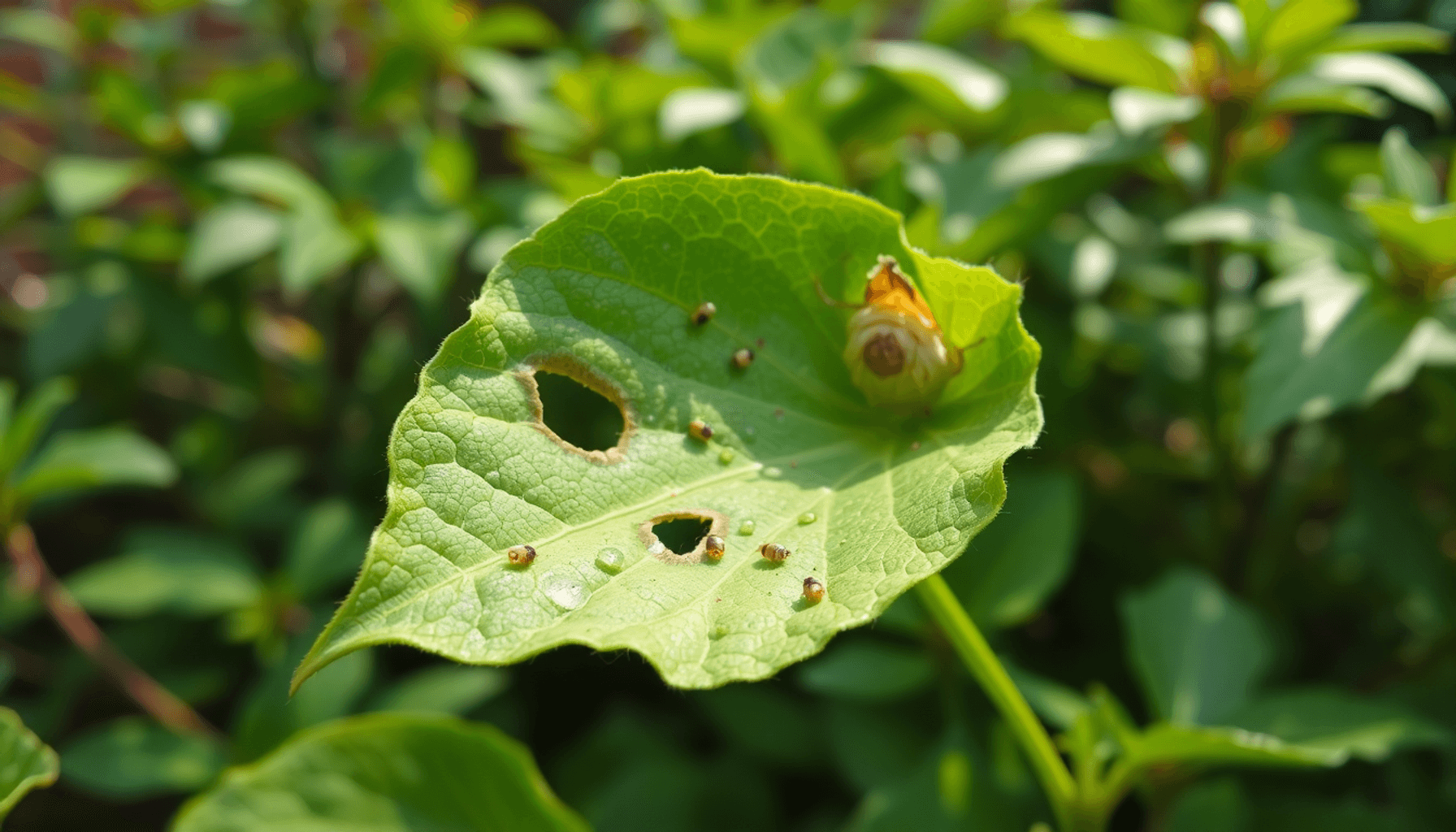

Identifying common UK garden pests is essential for maintaining healthy and productive gardens. Garden pest identification allows you to spot problems early, preventing extensive damage to your plants. Many UK garden insects are small and easily overlooked until the harm becomes visible, which can be too late to save vulnerable crops or ornamental plants.
Photo identification plays a crucial role in early pest detection and control. Clear images of pests and the damage they cause help you recognize specific threats quickly. This visual approach improves accuracy compared to relying on textual descriptions alone, enabling timely and targeted intervention.
With this guide, you will gain practical knowledge about the most prevalent pests in UK gardens, supported by photos that make recognizing these unwelcome visitors straightforward. Mastering garden pest identification empowers you to protect your plants effectively while minimizing unnecessary pesticide use.
Understanding Garden Pest Damage Signs
Recognizing garden pest damage signs is crucial for effective pest management. These signs often reveal themselves through visible changes to plant leaves and overall health. Knowing what to look for helps you identify the specific pests causing trouble before the damage becomes severe.
Common Leaf Damage Signs
- Holes and notches: Many chewing insects like caterpillars, beetles, and slugs create irregular holes or distinct notches along leaf edges. These feeding patterns vary depending on the pest but often result in weakened foliage that reduces photosynthesis.
- Curling leaves: Leaf curling typically indicates sap-sucking pests such as aphids or whiteflies. They inject saliva while feeding, which causes distorted growth and curling of leaves.
- Yellowing leaves: This symptom can arise from several causes, but when paired with other signs like sticky residues or stunted growth, it points toward pest infestation. Yellowing occurs as pests drain nutrients, leaving the plant stressed.
- Wilting or stunted growth: Persistent pest damage can cause leaves to wilt prematurely or plants to grow poorly due to nutrient loss and tissue damage.
Sticky Residues and Mold Growth
Sap-sucking pests secrete a sugary substance called honeydew. This sticky residue coats leaves and stems, creating a shiny film that attracts sooty mold fungi. The mold itself doesn’t directly harm plants but blocks sunlight, impairing photosynthesis and reducing plant vigor.
Honeydew presence often signals aphids, scale insects, or mealybugs are active on your plants.
You might also notice ants farming these sap feeders because they feed on honeydew, further indicating pest activity. Monitoring for honeydew and associated black mold is an effective way to spot hidden infestations early.
These plant pest symptoms act as early warning signals. By closely examining your garden for such signs regularly, you increase your chances of identifying the culprit pests swiftly.
Common UK Garden Pests: Visual Identification Guide
1. Aphids
Aphids are one of the most prevalent common UK garden pests you will encounter. These tiny insects vary in size, generally measuring between 1 to 7 millimeters. Their colors span a broad spectrum, including green, black, yellow, pink, and white. This color diversity can sometimes make aphid identification challenging without close inspection.
You typically find aphids clustered on the tender parts of plants—soft new shoots, leaf undersides, and flower buds are their favorite spots in your garden. Because they reproduce rapidly, infestations can escalate quickly if not caught early.
Damage caused by aphids is distinctive:
- Leaves curl and twist as the insects feed on sap.
- Yellowing occurs due to nutrient depletion.
- Growth may become stunted or distorted.
Aphids secrete a sticky substance known as honeydew, which coats leaves and stems. This sugary residue encourages the growth of sooty mold fungus, a black layer that covers foliage and reduces photosynthesis efficiency. The combination of direct feeding damage and mold growth can seriously weaken plants and lower their aesthetic appeal.
Recognizing aphid damage on plants is crucial for timely intervention. The presence of curled leaves combined with sticky patches often signals an aphid infestation. Using this pest identification guide helps you spot aphids early before severe damage occurs.
2. Cabbage Worms
Cabbage worms are one of the most easily identifiable common UK garden pests, especially known for their impact on Brassica crops. They are often featured in pest identification guides due to their significance in agriculture. These caterpillars, commonly known as cabbage worm caterpillars UK, are the immature form of the small white butterfly (Pieris rapae).
Appearance and Size:
- Light green color blending well with cabbage leaves
- Soft-bodied, smooth texture
- Typically measure around 1 inch (25mm) when fully grown
- Sometimes display a faint yellow stripe running down their backs
Target Plants:
Cabbage worms primarily feed on Brassicas, which include:
- Cabbage
- Broccoli
- Cauliflower
- Brussels sprouts
- Kale
Their preference for these plants makes them a significant concern for gardeners growing these vegetables.
Feeding Behavior and Crop Impact:
The feeding habits of cabbage worms cause visible damage to leaves and heads:
- Chew large irregular holes in leaves, reducing leaf surface area and photosynthesis efficiency
- Consume tender inner leaves and developing heads, directly affecting the quality and marketability of crops
- Damage can lead to stunted growth or malformed vegetables if infestations are severe
Feeding activity lowers crop quality by making produce less attractive and sometimes unsuitable for sale or consumption. This pest’s presence is a key factor in yield reduction, emphasizing the importance of early detection through visual cues in any Common UK Garden Pests: A Photo Identification Guide.
Identifying cabbage worms early helps you target interventions more effectively, minimizing crop loss and maintaining healthy Brassica plants in your garden.
3. Colorado Potato Beetle
The Colorado potato beetle is a distinctive and notorious member of common UK garden pests, especially recognized in potato plant pests and a crucial entry in any pest identification guide.
Adult Appearance
The adult beetle measures around 10–12 mm in length. It has a tan or yellowish body with five bold black stripes running lengthwise down each wing cover. This striped pattern makes it quite conspicuous against the green foliage of potato plants.
Larvae Description
The larvae are strikingly different from adults, appearing reddish-orange with black spots along their sides. They grow up to 15 mm long and cluster on the undersides of potato leaves where they feed voraciously.
Feeding Impact
Both adults and larvae consume large quantities of potato leaves, skeletonizing foliage and severely reducing the plant's ability to photosynthesize. This feeding damage directly lowers crop quality and yield, posing a significant threat to gardeners growing potatoes.
Control Challenges
Managing Colorado potato beetles can be difficult due to their rapid reproduction rate and ability to develop resistance to many chemical insecticides. Their mobility allows them to quickly recolonize treated areas, making physical removal and crop rotation essential components of effective control strategies.
Identification of this pest by its distinctive adult stripes and the reddish spotted larvae is critical within the Common UK Garden Pests: A Photo Identification Guide framework for early detection and timely intervention.
4. Cutworms
Cutworms are one of the common garden pests in the UK that can cause significant damage, especially to young plants and seedlings. It's important to be able to recognize cutworms in order to effectively protect your garden.
Appearance and Behavior:
- Cutworms are usually caterpillar larvae that measure between 1 to 2 inches long.
- They can be various colors, ranging from greenish-brown to grey or black, sometimes with faint stripes or spots.
- When disturbed, cutworms display a unique defensive behavior by curling tightly into a C-shape, making them easier to spot during inspection.
- These pests are active at night and hide in the soil or under debris during the day, coming out at night to feed.
Damage Caused:
- Cutworms specifically target seedlings by cutting through their stems at or just below soil level.
- This action disconnects the plant from its roots, resulting in sudden wilting and eventual death of the plant.
- You may observe multiple young plants in an area collapsing overnight—this is a typical sign of cutworm damage.
- Damage can be widespread in vegetable beds and flower borders where seedlings are planted closely together.
Identifying cutworm activity early on allows you to take action before extensive seedling loss occurs. Monitoring the surface of the soil at dusk or dawn for these curled larvae helps confirm their presence. Implementing methods such as protective collars around seedlings or targeted organic treatments can help reduce their impact.
For more detailed information on recognizing and managing these pests, you can refer to this resource on cutworms. This section adds to your knowledge of common garden pests in the UK along with other frequent threats like aphids and Colorado potato beetles discussed earlier. Being able to visually distinguish pests and recognize their specific damage patterns strengthens your strategy for defending your garden.
5. Flea Beetles
Flea beetles are one of the common UK garden pests you need to watch out for because of their small size and ability to blend into plant leaves. Measuring about 1/16 inch (1.5–3 mm), these beetles have a dark, shiny appearance, often black or metallic, which makes them hard to see at first glance. Their strong hind legs allow them to jump like fleas when disturbed—hence their name.
Identification Features:
- Tiny, glossy bodies usually black or brown with some species showing metallic blue or green hues.
- Powerful jumping legs used as a quick escape mechanism.
- Often found on young plants, especially in vegetable gardens where they target crops like cabbages, radishes, and potatoes.
Feeding Damage:
Flea beetles cause distinctive feeding damage easily recognized in this pest identification guide:
- Leaves display numerous small round holes, often described as "shot holes," which can drastically reduce photosynthesis.
- Damage is most severe on seedlings and young plants because the holes stunt growth and weaken plant health.
- Heavy infestations result in leaves appearing lace-like or skeletonized.
- This type of injury is commonly referred to when gardeners mention leaf hole pests UK.
Impact on Plants:
Young vegetable seedlings suffer most from flea beetle attacks. The feeding damage reduces vigor and can lead to stunted development or even plant death if infestations are intense. This pest’s subtle presence often goes unnoticed until damage becomes obvious, highlighting the importance of early detection through close inspection.
Recognizing flea beetle activity quickly allows you to implement control measures before your garden plants are severely compromised. Keep an eye out for the characteristic tiny holes and shiny little jumpers hiding among leaves in your Common UK Garden Pests: A Photo Identification Guide.
6. Leaf Miners
Leaf miners are one of the common UK garden pests that can cause distinctive damage to plants without obvious external signs on the leaf surface. These pests are actually the larvae of various insects such as flies, moths, or beetles. The larvae live inside leaves, feeding on the internal tissues and creating visible winding trails known as leaf tunnels.
Identifying Leaf Miner Infestations:
- Larvae are small and pale green or yellow, found within the leaf layers.
- Damage appears as serpentine or blotchy trails running through the leaf blade.
- Unlike chewing pests, leaf miners do not produce holes on the leaf surface; damage is internal.
- Infested leaves may show discoloured or transparent areas following the larval tunnels.
- Plants commonly affected include vegetables like spinach, chard, and beetroot.
Recognising these characteristic patterns is crucial in this pest identification guide, especially when differentiating from other damage caused by aphids or flea beetles. Leaf miner larvae in the UK often go unnoticed until these winding trails become prominent.
Gardeners should routinely inspect leaves for these internal tunnels to detect leaf miner activity early. Prompt identification allows for targeted control measures before significant damage reduces plant health and crop yield.
7. Slugs
Slugs are one of the common UK garden pests that can cause significant damage, especially during damp and mild conditions. These creatures are soft-bodied mollusks without shells, which makes them vulnerable but also highly adaptable to various garden environments. Their bodies are moist and slimy, allowing them to move easily across soil, plants, and hard surfaces.
Key characteristics of slugs include:
- Primarily nocturnal activity: Most slug species feed at night or during cool, wet weather to avoid dehydration.
- Leave behind distinctive silvery slime trails, which serve as a tell-tale sign of their presence even when you don’t spot the pest directly.
- Size varies depending on species, ranging from small (around 1 cm) to large garden slugs exceeding 10 cm in length.
Slug identification UK involves looking for these soft-bodied creatures in shaded, damp areas such as under pots, stones, or dense foliage during daylight hours. Gardeners often discover their presence by spotting slime trails or damaged plant material rather than the slugs themselves.
Damage caused by slugs in gardens includes:
- Irregular holes on leaves: Unlike some pests that leave neat holes or notches, slug feeding results in ragged edges and uneven patches of missing leaf tissue.
- Seedling loss: Young plants are particularly vulnerable; slugs can sever stems at soil level or consume entire seedlings overnight.
- Fruit and vegetable harm: Soft fruits like strawberries and tender vegetables such as lettuce suffer from slug feeding scars, reducing crop quality and marketability.
- Signs of slime on damaged plant surfaces often accompany feeding damage, making it easier to link symptoms directly to slug activity.
Identifying damage caused by slugs is crucial for timely intervention. This section of the Common UK Garden Pests: A Photo Identification Guide emphasizes recognizing both the visible pests and the characteristic feeding patterns they leave behind. Such knowledge complements other pest recognition skills like aphid identification UK and understanding aphid damage on plants, equipping gardeners with a comprehensive approach to managing their outdoor spaces effectively.
8. Spider Mites
Spider mites are one of the common UK garden pests that often go unnoticed because they are so small. These tiny creatures can be reddish-brown or pale in color, depending on the species. Since they are so small, it's hard to see them with just our eyes, but if their infestations are not controlled, they can cause serious damage to plants.
What do spider mites look like and where can you find them?
You will usually find spider mites forming dense colonies on the undersides of leaves, where they feed by piercing plant cells and sucking out the contents. This sap-feeding behavior results in distinctive damage symptoms that serve as key indicators in a practical pest identification guide:
- Yellowing foliage: Leaves begin to develop yellow speckles or stippling as cells are destroyed.
- Fine webbing: A delicate silk-like network often covers affected areas, giving away the presence of spider mites even before plant damage is obvious.
- Leaf drop and decline: Prolonged feeding weakens plants, causes premature leaf loss, and stunts growth.
These signs differentiate spider mite damage from other pests such as aphids, which also cause yellowing but do not produce webbing. In terms of spider mite identification UK, spotting this fine webbing alongside leaf discoloration is a reliable diagnostic clue.
Gardeners familiar with aphid identification UK and aphid damage on plants will recognize that although both pests suck sap, spider mites tend to thrive in warmer, drier conditions and leave behind webbing—something aphids do not produce. This makes spider mite recognition important within any comprehensive guide like Common UK Garden Pests: A Photo Identification Guide.
How to monitor for spider mites?
Monitoring for these symptoms regularly helps detect infestations early and prevents extensive damage. Checking leaf undersides with a magnifying glass reveals the tiny moving specks of spider mites, confirming their presence before the webbing becomes widespread.
How can you control spider mites?
Identifying spider mites promptly allows gardeners to implement targeted control methods such as:
- Increasing humidity around plants
- Encouraging natural predators like predatory mites
- Applying miticides specifically designed for these pests without harming beneficial insects
9. Tomato Hornworms
Tomato hornworms are one of the more striking common UK garden pests, easily recognizable due to their large size and vivid coloring. These caterpillars have:
- Bright green bodies that blend well with tomato plants.
- Distinctive white diagonal stripes running along each side, a unique identification marker for this species.
- A prominent horn-like projection at the rear end, giving them their name.
Their presence is often revealed by heavy feeding damage on tomato foliage. You will notice:
- Large, irregular bite marks or missing leaf sections.
- Stripped stems and chewed fruit in extreme cases.
- Rapid defoliation if infestations go unchecked.
Tomato hornworm caterpillars in the UK can grow quite large, sometimes reaching up to 4 inches in length. Their size and voracious appetite make them a serious threat to tomato crops. Identifying these pests early through visual confirmation or by spotting characteristic damage is essential for effective control.
Recognizing tomato hornworms is a crucial part of any pest identification guide focused on protecting your garden’s health. Unlike smaller pests such as aphids, which cause subtle curling or yellowing leaves, tomato hornworms leave bold signs that are hard to miss but require prompt action.
Understanding the appearance of the tomato hornworm caterpillar UK gardeners often face helps differentiate it from other green caterpillars that might be less harmful. This clear identification supports timely intervention and reduces crop loss significantly.
10. Vine Weevils
Vine weevil beetles are common pests in UK gardens, known for their unique appearance and harmful behavior. Adult vine weevils are black and about 10mm long, with a matte finish and a noticeable snout that makes them easy to identify.
How to Identify Adult Vine Weevils
- Look for black beetles measuring around 10mm in length.
- Check for irregular notches on the edges of leaves, which indicate adult feeding.
The adult vine weevils primarily feed on the edges of leaves, creating distinct notches that are easily recognizable. This damage can weaken ornamental plants and vegetables by reducing the area available for photosynthesis, ultimately impacting their overall health. Spotting these feeding marks is often the first sign of their presence.
The Threat Posed by Vine Weevil Larvae
While adult vine weevils cause visible damage to foliage, it is the root-feeding larvae that pose a more significant threat. These creamy-white grubs with brown heads live underground and directly target plant roots.
Signs of Larval Infestation
- Sudden wilting or yellowing of plants despite proper watering
- Difficulty pulling plants from the soil due to root damage
- Discovery of small white grubs when gently disturbing the soil
Larval feeding disrupts the uptake of water and nutrients, leading to wilting, stunted growth, and potentially death of the plant if the infestation is severe.
Early Identification and Control Measures
Using this identification guide can help gardeners spot vine weevils early on and take action before extensive root damage occurs. Effective management often requires targeting both adult and larval stages through various control methods.
Understanding how vine weevil adults munch on leaves while their larvae feast on roots is essential in dealing with these common garden pests. By recognizing their physical characteristics along with the type of harm they inflict, you can take prompt measures to safeguard your garden's health.
Other Notable Garden Pests in The UK Worth Mentioning
Several garden pests deserve attention beyond the common ones already discussed. Learning to identify these additional species helps you respond promptly and protect your plants effectively.
Earwigs & Lily Beetles
- Earwigs are recognizable by their elongated bodies and pincers at the rear. In the UK, earwig identification involves noting their dark brown color and nocturnal habits. They feed on a variety of plants, occasionally causing ragged holes in leaves and flowers.
- Lily beetles stand out with their bright red wing covers and black legs. Their damage is distinctive—lily beetle damage appears as skeletonized leaves and chewed stems, particularly targeting lilies and fritillaries. Early detection is crucial to prevent severe defoliation.
Scale Insects & Woolly Aphids
- Scale insects often go unnoticed due to their small size and waxy, shell-like coverings. Scale insect identification UK mainly relies on spotting these immobile pests clustered on stems or leaves. They suck sap, weakening plants gradually while secreting honeydew that can encourage sooty mold growth.
- Woolly aphids are covered in a fluffy white wax, making woolly aphid garden pests visually distinctive. These sap feeders produce galls or distorted growths on trees like apples, elms, and willows, complicating plant health if left unmanaged.
Tortrix Moth Caterpillars & Chafer Grubs
- Tortrix moth caterpillars cause noticeable harm known as tortrix moth caterpillar damage UK. They roll or tie leaves together with silk and feed inside these shelters, leaving ragged edges and browning foliage on fruit trees and ornamentals.
- Chafer grubs live underground feeding on roots—a process termed chafer grub root feeding. These creamy-white larvae can severely reduce turf health and stunt plant growth by damaging root systems before pupating into adult beetles.
Recognizing these lesser-known pests equips you with a broader awareness of threats lurking in your garden environment. Awareness combined with regular inspection allows you to spot early signs of infestation that may otherwise be overlooked. Keeping an eye out for both familiar and emerging pest species maximizes your ability to maintain healthy, thriving plants throughout the growing season.
Integrated Pest Management Strategies for A Healthy And Thriving UK Garden
Adopting a holistic approach is essential in managing garden pests effectively. Relying on a single control method often leads to limited success and potential harm to your garden’s delicate balance. Combining various techniques ensures sustainable pest control while protecting beneficial organisms.
Encouraging Natural Pest Predators
Encouraging natural pest predators in UK gardens boosts your garden’s resilience. Ladybirds, lacewings, hoverflies, birds, frogs, and hedgehogs play critical roles in keeping pest populations in check. Creating habitats such as wildflower patches, log piles, or small ponds invites these allies to thrive. Their presence reduces the need for chemical interventions and supports biodiversity.
Implementing Physical Barriers
Implementing physical barriers provides straightforward protection against common pests:
- Use copper tape around pots or raised beds to deter slugs; their slime reacts with copper creating an unpleasant sensation.
- Install netting over vulnerable crops to block leaf miners or cabbage worms from laying eggs.
- Deploy slug traps using beer or fruit peel baits to capture these nocturnal feeders.
- Set up sticky cards near plants prone to whitefly infestations for early detection and control.
Companion Planting with Herbs
Companion planting with herbs offers natural pest-repellent properties that complement other management strategies. For example:
- Planting dill attracts beneficial predatory insects while confusing pests like aphids.
- Growing basil alongside tomatoes helps repel whiteflies and improves overall plant health.
- Marigolds planted near vegetables can reduce nematode populations harmful to roots.
Hand-Picking Garden Pests
Hand-picking garden pests remains one of the most immediate and eco-friendly methods available. Removing larger individuals such as caterpillars, beetles, or slugs directly off plants quickly lowers their numbers without affecting beneficial insects around them.
Using Natural Insecticides
Natural insecticides like neem oil and insecticidal soap serve as gentle yet effective options when infestations become severe. These products target soft-bodied pests like aphids and spider mites while minimizing environmental impact compared to synthetic chemicals.
This integrated approach blends observation, prevention, and intervention tailored to your garden’s unique ecosystem. Using the knowledge gained from the Common UK Garden Pests: A Photo Identification Guide allows you to respond promptly and appropriately—ensuring your garden remains healthy and thriving throughout the seasons.
FAQs (Frequently Asked Questions)
Why is identifying common UK garden pests important for gardeners?
Identifying common UK garden pests is crucial as it enables early detection and effective control, preventing significant damage to plants and ensuring a healthy garden environment.
What are the common signs of garden pest damage in the UK?
Common signs include leaf damage such as holes, notches, curling, yellowing leaves, sticky residues known as honeydew caused by sap-sucking pests, and mold growth encouraged by these secretions.
How can aphids be identified in UK gardens and what damage do they cause?
Aphids are small insects varying in color, commonly found on plant leaves and stems. They cause leaf curling and yellowing by feeding on sap and secrete honeydew that encourages mold growth, impacting plant health.
What are cabbage worms and how do they affect Brassica plants in the UK?
Cabbage worms are caterpillars targeting Brassicas like cabbage and broccoli. They feed on leaves, reducing crop quality by creating holes and damaging plant tissues essential for growth.
How does the Colorado potato beetle impact potato crops in the UK?
The adult Colorado potato beetle is tan with black stripes, while its reddish larvae feed on potato leaves. Their feeding damages plants severely and makes control challenging due to their resilience.
What distinguishes flea beetles from other garden pests and what damage do they cause?
Flea beetles are tiny (about 1/16 inch), dark shiny insects that blend easily into surroundings. They create small round holes in leaves which can significantly hinder young plants' growth, making them a notable pest.