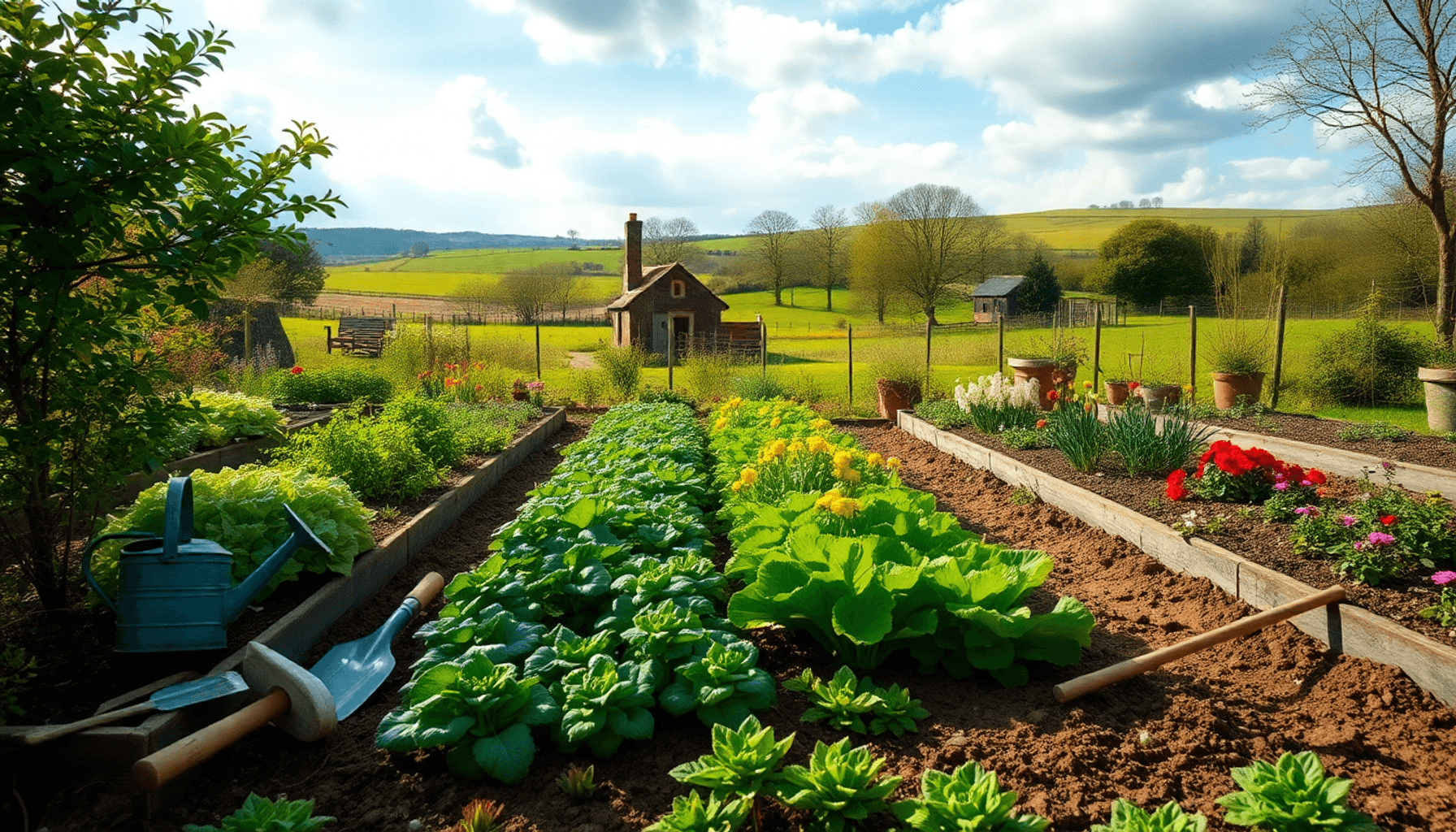

Gardening in the UK has its own set of challenges and opportunities due to its mild climate and distinct seasons. The changes in temperature and rainfall throughout the year require careful planning to ensure that plants grow well and produce abundantly.
Using a UK gardening calendar specifically designed for these conditions can help you:
- Align your garden tasks with the natural flow of the seasons.
- Optimize planting, sowing, and harvesting times for better yields.
- Prevent common problems like frost damage or poor soil conditions.
This month-by-month gardening guide breaks down essential jobs to perform throughout the year, making it easier to manage your garden efficiently. You will discover when to start sowing indoors, which vegetables to plant outdoors, optimal harvesting windows, and key maintenance activities that keep your garden healthy.
By following this structured approach, you set yourself up for a thriving garden that responds well to the UK’s climate. Whether you are an experienced gardener or just starting out, this calendar provides practical steps to get the most from every month in your garden.
Understanding the UK Gardening Climate
The UK climate gardening experience is shaped by distinctive characteristics that gardeners must understand to succeed. The UK enjoys a temperate maritime climate, meaning it rarely experiences extreme temperatures but has relatively high humidity and regular rainfall throughout the year.
Key Features of the UK Climate Affecting Gardening
- Mild Winters: Frosts occur but are usually short-lived and not too severe, allowing for cultivation of hardy winter crops like kale, Brussels sprouts, and parsnips.
- Cool Summers: Warm enough for many vegetables and flowers to thrive but without extreme heat stress. This favors crops such as peas, lettuce, and broad beans.
- Seasonal Variation: Distinct seasons bring varying amounts of sunlight and temperature shifts that influence plant growth stages—from dormancy in winter to rapid development in spring and summer.
- Unpredictable Rainfall: Frequent showers mean soil moisture levels fluctuate, making water management important especially during drier spells or heatwaves.
Aligning Gardening Tasks with Seasonal Changes
Gardening success in the UK depends heavily on syncing your activities with these seasonal rhythms. For example:
- Sowing seeds indoors during late winter or early spring helps give plants a head start before outdoor conditions become favourable.
- Outdoor sowing aligns with warming soil temperatures from March onwards when frost risk diminishes.
- Harvesting is timed according to crop maturity but also seasonal weather patterns; some vegetables can be harvested late into autumn or even winter due to mild conditions.
- Soil preparation and pruning tasks are best scheduled during dormant periods to encourage healthy regrowth.
Understanding this cyclical pattern means you avoid wasting effort on planting when conditions are unsuitable or risking damage by leaving tasks too late. Careful planning based on the seasonal gardening UK calendar supports healthier plants, more abundant yields, and efficient use of resources like water and fertilisers.
Practical Implications for Gardeners
- Selecting varieties suited to the UK's cooler summers and mild winters improves survival rates.
- Incorporating crop rotation respects seasonal nutrient demands and pest cycles influenced by climate.
- Using protective measures such as cloches or cold frames extends growing seasons by shielding tender plants from unpredictable chills.
Mastering how the UK's temperate climate interacts with your garden’s microclimate leads to better timing for every job—whether sowing, planting, harvesting, or maintenance—setting you up for a productive gardening year.
January
January gardening jobs in the UK focus on using the quieter winter period to get ready for a productive growing season. The month offers opportunities both indoors and outdoors, tailored to the UK’s cooler climate.
Indoor Sowing
Indoor sowing is key in January to get an early start on crops that require longer growing periods or warmer conditions than the outdoors can provide at this time. You should consider sowing:
- Aubergine – needs warmth and a long growing season; starting indoors now helps seedlings develop strong roots.
- Cauliflower – benefit from early indoor sowing for transplanting later into the garden.
- Lettuce – choose hardy varieties for indoor germination to ensure early spring salads.
- Onion – begin with seeds or sets indoors to get ahead before outdoor planting in spring.
Outdoor Sowing
Outdoor sowing in January is limited but broad beans stand out as a hardy crop well-suited to being sown directly into prepared soil. Their tolerance for cold allows them to establish early, which leads to stronger plants and earlier harvests compared to spring sowings.
Harvesting Winter Vegetables
Harvesting continues for hardy winter vegetables, which thrive despite low temperatures. These include:
- Jerusalem artichoke
- Brussels sprouts
- Kale
- Leeks
- Parsnips
These vegetables provide fresh produce during months when many other crops are dormant. Regular harvesting also encourages plant health and productivity.
Other Garden Tasks
Maintaining garden tasks like protecting tender plants from frost and checking stored crops will complement your January work. Preparing seed trays and ensuring adequate light for indoor seedlings supports successful germination and robust early growth.
The combination of indoor sowing, strategic outdoor planting, and harvesting hardy crops makes January a productive month in the UK gardening calendar. This foundation sets you up well for the coming months’ tasks.
February
February sowing UK activities focus on extending the growing season by continuing indoor seed starting and preparing outdoor beds for hardy crops. This month is vital for setting up strong foundations in your garden, following the groundwork laid in January.
Indoor Sowing: Globe Artichokes and More
- Globe artichokes thrive when sown indoors in February. Starting them early allows you to get a head start on their long growing season, leading to a later summer or autumn harvest.
- Other vegetables suitable for indoor sowing at this time include early lettuce, onion sets, and cauliflower varieties. These benefit from controlled conditions, protecting them from unpredictable weather.
- Use seed trays with good-quality compost and maintain temperatures around 15-18°C to encourage healthy germination.
Outdoor Sowing: Broad Beans
- Broad beans are hardy enough to be sown outdoors in February, especially in well-drained soil that’s not frozen or waterlogged.
- Sowing broad beans now supports crop rotation strategies, helping to replenish nitrogen levels in the soil and reduce pests or diseases associated with planting similar crops repeatedly.
- Choose disease-resistant varieties such as 'Aquadulce Claudia' for reliable results in cooler conditions.
Harvesting and Maintaining Winter Crops
- Broccoli planted earlier can be harvested this month before warmer weather triggers bolting. Look for heads that are firm and tightly closed.
- Continue harvesting other winter-hardy crops like kale and Brussels sprouts, which often improve in flavour after exposure to frost.
- Maintain these crops by removing yellowed leaves and applying mulch to protect roots from temperature fluctuations.
This phase of the UK Gardening Calendar: Month-by-Month Jobs for Every Garden keeps your garden productive through late winter by balancing sowing with careful crop management. February’s tasks pave the way for vigorous growth once spring arrives.
March
March is an important month for gardeners in the UK, especially when it comes to planting vegetables. This is the time when both indoor and outdoor planting activities become crucial for ensuring a successful growing season.
Indoor and Outdoor Sowing of Artichokes and Asparagus
Artichokes
Starting artichokes indoors in March gives you an advantage with these long-term crops. Use seed trays or pots filled with seed compost, placing them in a warm, well-lit environment. Outdoors, established crowns can be planted into prepared beds with rich, well-drained soil.
Asparagus
This perennial vegetable benefits from early sowing. Sow asparagus seeds indoors or plant young crowns directly outdoors if conditions are suitable. Choose a sunny spot with deep soil enriched with organic matter to encourage strong root development.
Preparation for Spring Planting
March is ideal for preparing your garden beds for a variety of spring and summer vegetables. Key steps include:
- Soil Preparation: Clear debris from beds and incorporate organic matter such as well-rotted compost or manure to improve soil structure and fertility. Lightly fork over the soil to aerate it without disturbing emerging shoots.
- Pruning: Prune fruit bushes and trees now to promote healthy growth and maximize fruit production later in the year. Remove any dead or damaged wood while shaping plants for better air circulation.
Harvesting Late Winter Crops
Broccoli planted during autumn or winter is ready for harvesting before warmer weather arrives. Picking broccoli heads promptly encourages side shoot development, extending your harvest period. Keep an eye on other hardy crops that might still be producing, such as leeks or kale, ensuring you utilize available produce before spring fully takes hold.
This month's activities lay the groundwork for a thriving garden through careful sowing, preparation, and timely harvesting aligned with UK's temperate climate.
April
April is an important month for gardening in the UK, especially for those who want to plant and grow their gardens successfully.
Planting Asparagus Outdoors
- April is the best time to plant asparagus crowns outside. This vegetable takes time to grow but will give you harvests for many years.
- Find a sunny spot with well-drained soil. Prepare the area by mixing in organic matter to help the roots develop.
- Dig trenches about 20cm deep and space the crowns 30cm apart. Cover them with soil at first and gradually fill it in as the shoots grow.
- Once the asparagus plants are established, avoid disturbing them. This will ensure your garden produces more crops in the long run.
Continuing Broccoli Harvests and Summer Bed Preparation
- Broccoli that was planted earlier will continue to grow and can be picked throughout April. Look out for heads with tight, firm florets.
- After harvesting broccoli, remove any leftover plants quickly. This will prevent diseases and make room for upcoming summer vegetables.
- Raised beds or containers will benefit from new compost and regular watering as temperatures rise.
Preparing Beds for Summer Crops
Once broccoli has been cleared, get the beds ready for summer crops like tomatoes, courgettes, beans, and peppers by following these steps:
- Pull out weeds completely to stop them from competing with your plants.
- Use a fork or spade to loosen the soil so air and water can move freely.
- Add compost or manure that has rotted well to make the soil more fertile.
General Garden Maintenance
Taking care of your garden in April sets a good foundation for the growing season:
- Weed Control: Removing weeds early on stops them from spreading seeds later. Hand-weeding or shallow hoeing keeps beds clean without damaging crop roots.
- Soil Conditioning: Testing soil pH can help you decide if lime or sulfur needs to be added. Lightly mulching after sowing helps retain moisture and naturally suppresses weeds.
- Pruning: Trim spring-flowering shrubs after they bloom to encourage healthy growth without sacrificing flowers next year. Remove any dead or damaged stems from perennials.
April is all about planting long-term crops like asparagus while also getting ready for the busy summer growing season. By focusing on soil health and planting at the right time, you'll see better crop yields later on in your UK garden.
May
May is a busy month in the UK Gardening Calendar: Month-by-Month Jobs for Every Garden, when outdoor conditions become more suitable for various planting and harvesting activities. The warmer temperatures encourage sowing climbing beans both indoors and outdoors. These beans benefit from early indoor sowing under glass or on a windowsill to give them a head start, then can be transplanted outside once the risk of frost has passed. Direct sowing outdoors is also effective by mid-May, taking advantage of the longer daylight hours and rising soil temperatures.
Planting and Sowing Activities
- Climbing Beans: Sow climbing beans indoors under glass or on a windowsill for an early start. Transplant them outside once the frost risk has passed. By mid-May, you can also directly sow climbing beans outdoors.
- Other Vegetables: May is a great time to sow other vegetables like courgettes, squashes, and pumpkins directly into the ground. These crops thrive in warm weather and will benefit from the increased soil temperatures.
Harvesting Activities
- Asparagus: May is the peak month for harvesting asparagus. Be careful not to over-harvest as it can weaken the plant for future years. Cut spears when they are young and tender, about 6 to 8 inches tall, for the best flavour and texture.
- Salad Leaves: If you've sown salad leaves earlier in the season, you can start harvesting them in May. Pick leaves regularly to encourage new growth and prevent bolting.
Care for Seedlings
Seedlings that were started earlier in the year need special attention throughout May. Here are some tasks to focus on:
- Watering: Ensure your seedlings receive regular watering to keep them hydrated.
- Feeding: Use a balanced liquid fertiliser to provide essential nutrients to your plants.
- Hardening Off: Before transplanting seedlings outdoors, gradually expose them to outdoor conditions over 7-10 days. This process, known as hardening off, helps reduce shock and improves their establishment success.
Additional Tasks
In addition to planting, harvesting, and caring for seedlings, there are other important tasks to tackle in May:
- Weed Control: Keep your garden beds free from weeds that compete with your vigorous seedlings.
- Support Structures: As climbing beans begin to grow rapidly, install pea sticks or bean poles for support.
- Pest Monitoring: Regularly check for aphids and slugs that target tender new growth. Take prompt action if you spot any pests.
- Soil Moisture Management: Maintain consistent moisture levels in your soil to support healthy root development.
May is an active month where nurturing your plants ensures strong growth as we move into summer. The efforts you put in now will lay the groundwork for abundant yields in the months ahead.
June
June is a busy month for gardeners in the UK, especially those who love to sow seeds. During this time, there's a lot to do both inside and outside the house. We'll be planting seeds extensively and also starting to harvest some important crops.
Sowing Tasks in June
Indoors
Pumpkins are an excellent choice to start inside during June. They require warmth and space to develop before transplanting outside later in the summer.
Outdoors
A wide variety of vegetables thrive when sown directly in the soil this month:
- Beetroot
- Cabbage
- Carrots
- Cauliflower
- Peas
These crops benefit from the longer daylight hours and steadily warming soil temperatures, encouraging strong germination and growth.
Harvest Season Begins
Asparagus
Peak harvesting begins in June as this perennial vegetable reaches its prime. Cutting asparagus spears regularly encourages continued production throughout the season.
Tomatoes
Early tomato varieties started indoors or in greenhouses are ready to pick. Tomatoes need consistent warmth and sunlight; harvesting as they ripen helps maintain plant vigor.
Watering Management
With rising temperatures, managing watering needs becomes crucial. Gardens can dry out quickly, especially containers and raised beds. Consider these watering tips for June:
- Water deeply but less frequently to encourage strong root development.
- Early morning or late evening watering reduces evaporation loss.
- Mulch around plants retains moisture and suppresses weeds.
Regularly monitor soil moisture levels, particularly for newly sown seeds and young seedlings that have less established roots.
By taking care of these tasks related to sowing, harvesting, and watering, you can ensure that your garden stays productive and healthy throughout June's challenging growing conditions.
July
July is one of the busiest and most rewarding months for gardeners in the UK. The garden is full of life, with a wide variety of fresh vegetables ready to be picked.
Key crops to harvest in July include:
- Beans: Both climbing and bush varieties reach full maturity.
- Carrots: Early-sown carrots develop their sweet flavour and tender texture.
- Courgettes: These prolific plants produce an abundant crop.
- Cucumbers: Greenhouse or outdoor cucumbers flourish in warmer conditions.
- Garlic: Early harvested garlic can be pulled once the foliage begins to yellow.
- Lettuce: Successive sowings provide continuous leafy greens.
- Peas: Early peas are ready for picking before pods become tough.
- Potatoes: First earlies mature; digging carefully reveals new potatoes.
- Tomatoes: Greenhouse or sheltered outdoor tomatoes ripen under summer sun.
Maintaining plant health is crucial during this time when everything is growing rapidly. Plants need regular watering to avoid stress, especially when temperatures rise. Putting mulch around the base of vegetables helps retain moisture and keep weeds at bay, which means they won't compete with your plants for nutrients.
Pest Control
July is also a critical month for keeping an eye out for pests. Aphids, slugs, and caterpillars can quickly ruin your crops if you don't take action. By checking your plants regularly, you can catch any problems early on and use organic methods or manual removal to deal with them. Additionally, planting certain companion plants can attract beneficial insects that will help control pests naturally:
Planting marigolds near tomatoes helps repel whiteflies.
Nasturtiums attract aphids away from beans.
Borage draws pollinators and predatory insects like ladybirds.
These companion plants not only assist with pest management but also promote biodiversity and resilience in your garden.
Harvesting and Ongoing Care
In July, it's important to pay attention to both harvesting and taking care of your plants. Regularly picking crops encourages them to produce more while preventing overripening that attracts pests. To reduce the risk of fungal diseases common in warm, humid weather, make sure to keep foliage dry by allowing good airflow around your plants.
The burst of growth in July sets the stage for tasks you'll need to tackle later in the summer while also rewarding you with a plentiful harvest that's characteristic of UK gardens during this time of year.
August
August gardening jobs in the UK focus on sustaining productivity as summer winds down and preparing for the cooler months ahead. This month is crucial for extending your garden’s growing season and ensuring a smooth transition into autumn planting.
Outdoor sowing
Outdoor sowing remains active in August. You can plant leafy greens such as lettuce varieties that thrive in cooler weather, enabling you to enjoy fresh salads well into autumn. Root vegetables like carrots, radishes, and beetroot also respond well to late sowing during this period. These crops benefit from the lingering warmth while developing steadily before the first frosts arrive.
Harvesting summer crops
Harvesting continues at a high pace with a wide variety of summer crops ready to be gathered:
- Courgettes remain prolific, so pick regularly to encourage ongoing production.
- Beans provide a steady supply; both runner and French beans are typically abundant now.
- Cucumbers and tomatoes still yield fruit, especially if grown in protected conditions.
- Garlic bulbs begin maturing, signaling harvest time for early-planted cloves.
- Lettuce and peas planted earlier may still be producing tender leaves or pods.
This harvest phase requires consistent attention to avoid overripe or bolted crops that lose quality quickly in warmer temperatures.
Preparing for autumn planting
Gardeners should use August to prepare beds for autumn planting:
- Clear spent plants and remove weeds promptly to reduce pest habitats.
- Incorporate organic matter such as well-rotted compost or manure to enrich soil structure.
- Lightly fork over beds to improve aeration without disturbing beneficial soil life.
- Consider applying mulch or green manures suited for autumn growth cycles.
These practices optimize soil fertility and moisture retention, setting a strong foundation for winter vegetables like Brussels sprouts, kale, and winter lettuces sown later.
August in the UK gardening calendar: month-by-month jobs for every garden emphasize balance—maximizing current yields while laying groundwork for continued success through colder months. Keeping up with these tasks guarantees your garden remains productive and healthy beyond summer’s peak.
September
September garden tasks in the UK focus strongly on harvesting and sowing activities that prepare your garden for the coming months. This month plays a critical role in securing late summer crops and getting a head start on next year’s produce.
Harvesting Late Summer Crops
- September is prime time to gather a wide range of vegetables reaching maturity after the summer heat, including courgettes, beans, tomatoes, and peppers.
- Keep an eye on fruiting plants to pick crops at their peak flavor and nutrition.
- Regular harvesting encourages continued production in some plants, extending your yield window.
Sowing Radishes and Spring Onions
- Sow radish seeds both indoors and outdoors to ensure a steady supply of these quick-growing root vegetables for early next year.
- Spring onions also benefit from September sowing; starting them indoors or in sheltered outdoor spots helps establish strong seedlings before winter.
- These early sowings take advantage of the remaining warmth while preparing your garden for a smooth transition into spring.
Indoor Sowing of Lettuce
- Maintaining fresh salad leaves through autumn and winter is possible by continuing indoor sowing of lettuce.
- Use heated propagators or place seed trays on sunny windowsills to provide consistent warmth essential for germination.
- Choose varieties suited to cooler conditions to maximize growth during shorter daylight hours.
These September garden tasks in the UK help you keep your growing calendar active despite the shortening days. By combining harvest with strategic sowing—both indoors and outdoors—you maintain productivity and set the stage for a healthy spring crop cycle.
October
October is a crucial month for gardeners in the UK. It marks the end of harvesting summer crops and the beginning of preparations for the colder months ahead. As temperatures drop, the risk of frost increases, making it essential to take timely action to protect your plants and secure your harvest.
October Harvesting UK
Here are some key harvesting tasks to focus on during October:
- Continue harvesting remaining summer crops such as tomatoes, courgettes, beans, and cucumbers. These vegetables often thrive until the first frost appears. Keep a close eye on weather forecasts to pick crops before cold damage occurs.
- Lift root vegetables like carrots and beetroot this month. Their flavour usually improves after exposure to light frosts, but be careful not to leave them in soggy soil which may cause rot.
- Harvest brassicas such as Brussels sprouts and kale throughout October. Regularly pick leaves to encourage further growth and prevent pest buildup.
Indoor Seed Sowing for Early Spring
October is also a great time to start sowing seeds indoors for early spring crops:
- Begin indoor sowing of broad beans to give yourself a head start on spring planting. Choose disease-resistant varieties and use seed trays or pots placed in a cool but frost-free environment.
- Other early spring vegetables like lettuce and onions can also be started indoors this month. These crops benefit from an early germination period so they are ready to transplant when outdoor conditions improve.
Garden Preparation Tasks
In addition to harvesting and sowing, there are several important tasks you should tackle in the garden this month:
- Mulch beds with organic materials such as well-rotted compost or leaf mould. This helps protect soil structure during winter, retains moisture, and suppresses weed growth.
- Clear away plant debris to reduce habitats for overwintering pests and diseases. Remove any diseased leaves or stems promptly to maintain garden health.
- Inspect and repair garden tools before storing them; clean pruning shears, sharpen blades, and oil moving parts to ensure they are ready for next season’s work.
- Consider covering vulnerable plants with horticultural fleece or cloches as a precaution against early frosts.
This proactive approach balances late-season productivity with preparation for winter, ensuring your garden remains healthy and productive throughout the year.
November
November garden jobs in the UK focus on securing the garden for winter while preparing for the next growing season. With colder weather setting in, your attention shifts to harvesting remaining crops, sowing indoors, and protecting vulnerable plants.
Gather Last Harvests from Hardy Vegetables
- Harvest hardy vegetables such as Brussels sprouts, kale, leeks, parsnips, and late-season cabbage. These crops tolerate frost well and often improve in flavor after exposure to cold.
- Jerusalem artichokes can also be dug up this month. They store well in the ground but can be lifted to make room for winter preparations.
- Keep an eye on any remaining root vegetables and brassicas to avoid damage from early frosts.
Indoor Sowing of Lettuce and Onions
- November is an ideal time for indoor sowing of lettuce varieties suited to early spring growth. Use seed trays or pots in a heated propagator or on a sunny windowsill.
- Onions started indoors now will develop strong seedlings ready for planting out as soon as conditions allow in early spring.
- Sow with good-quality seed compost and maintain consistent moisture levels to encourage healthy germination.
Preparing Greenhouses or Cold Frames for Winter Protection
- Clear out old plant debris from greenhouses and cold frames to reduce disease risk.
- Check glass panes, door seals, and ventilation systems to ensure they are secure against cold drafts.
- Add insulating materials such as bubble wrap or horticultural fleece around structures to retain warmth during freezing nights.
- Position heaters or heat mats if available, especially for tender overwintering crops started indoors.
- Regularly monitor humidity levels to prevent fungal growth while maintaining adequate moisture for plants inside.
November garden jobs in the UK highlight the balance between finishing outdoor tasks and initiating indoor activities that set you up for success in spring. Preparing your garden structures now reduces winter losses and supports earlier crop production next year.
December
Indoor Sowing and Early Starts
- Sow seeds indoors for lettuce and onions to get a head start on spring growth.
- Use heated propagators or well-lit windowsills to encourage germination and strong seedling development.
- Starting these crops indoors in December helps you avoid the unpredictable early spring weather outside.
Greenhouse and Cold Frame Maintenance
- Inspect greenhouses and cold frames for any damage or wear.
- Repair broken panes, clean glass and frames to maximize light penetration.
- Ensure ventilation systems are working properly to reduce humidity and prevent fungal diseases.
- Add insulation such as bubble wrap around frames to retain warmth during frosty nights.
Planning Your Garden Layout
- Review your garden’s crop rotation plan to avoid pest build-up and nutrient depletion.
- Select varieties suitable for the coming year based on last season’s successes or challenges.
- Sketch out planting schedules incorporating early sowings, main crops, and late harvests.
Soil Care During Winter
Avoid heavy foot traffic on wet soil to maintain good structure. Apply organic mulches like compost or well-rotted manure to improve soil fertility gradually. Consider cover crops if space allows, which protect soil from erosion and add nutrients.
December is a quieter month outdoors but critical for setting up success. By using this time efficiently—through indoor sowing, greenhouse preparation, and thoughtful planning—you’ll ensure your garden thrives throughout the year.
The UK Gardening Calendar: Month-by-Month Jobs for Every Garden guides you through these seasonal rhythms with clear tasks designed for the UK's temperate climate. December’s focus on groundwork and early sowing provides a solid foundation for vigorous growth when spring arrives.
FAQs (Frequently Asked Questions)
What is the importance of following a UK gardening calendar month-by-month?
Following a structured UK gardening calendar month-by-month ensures gardeners perform essential tasks at the optimal times, aligning with the UK's temperate climate and seasonal variations to achieve a thriving garden throughout the year.
How does the UK climate impact gardening activities throughout the year?
The UK's temperate climate with distinct seasonal changes influences when to sow, plant, harvest, and maintain crops. Aligning gardening tasks with these seasonal variations leads to better growth outcomes and healthier plants.
What are key gardening jobs to do in January in the UK?
In January, UK gardeners should focus on indoor sowing of aubergine, cauliflower, lettuce, and onion for an early start; outdoor sowing of hardy broad beans; and harvesting winter vegetables like Jerusalem artichoke, Brussels sprouts, kale, leeks, and parsnips.
Which vegetables are suitable for sowing indoors and outdoors during February in the UK?
February indoor sowing includes globe artichokes for later harvests, while outdoor sowing continues with broad beans to strengthen crop rotation plans. Gardeners also harvest broccoli and maintain winter crops during this month.
What are recommended planting and maintenance tasks in April for UK gardens?
April involves planting asparagus outdoors for long-term success, continuing broccoli harvests, preparing beds for summer vegetables, controlling weeds, and conditioning soil to support healthy plant growth as temperatures rise.
How can gardeners extend their growing season into late summer and autumn in the UK?
To extend the growing season into late summer and autumn, gardeners can sow leafy greens like lettuce and various root vegetables outdoors in August, harvest a wide variety of summer crops before autumn arrives, and prepare beds for autumn planting.