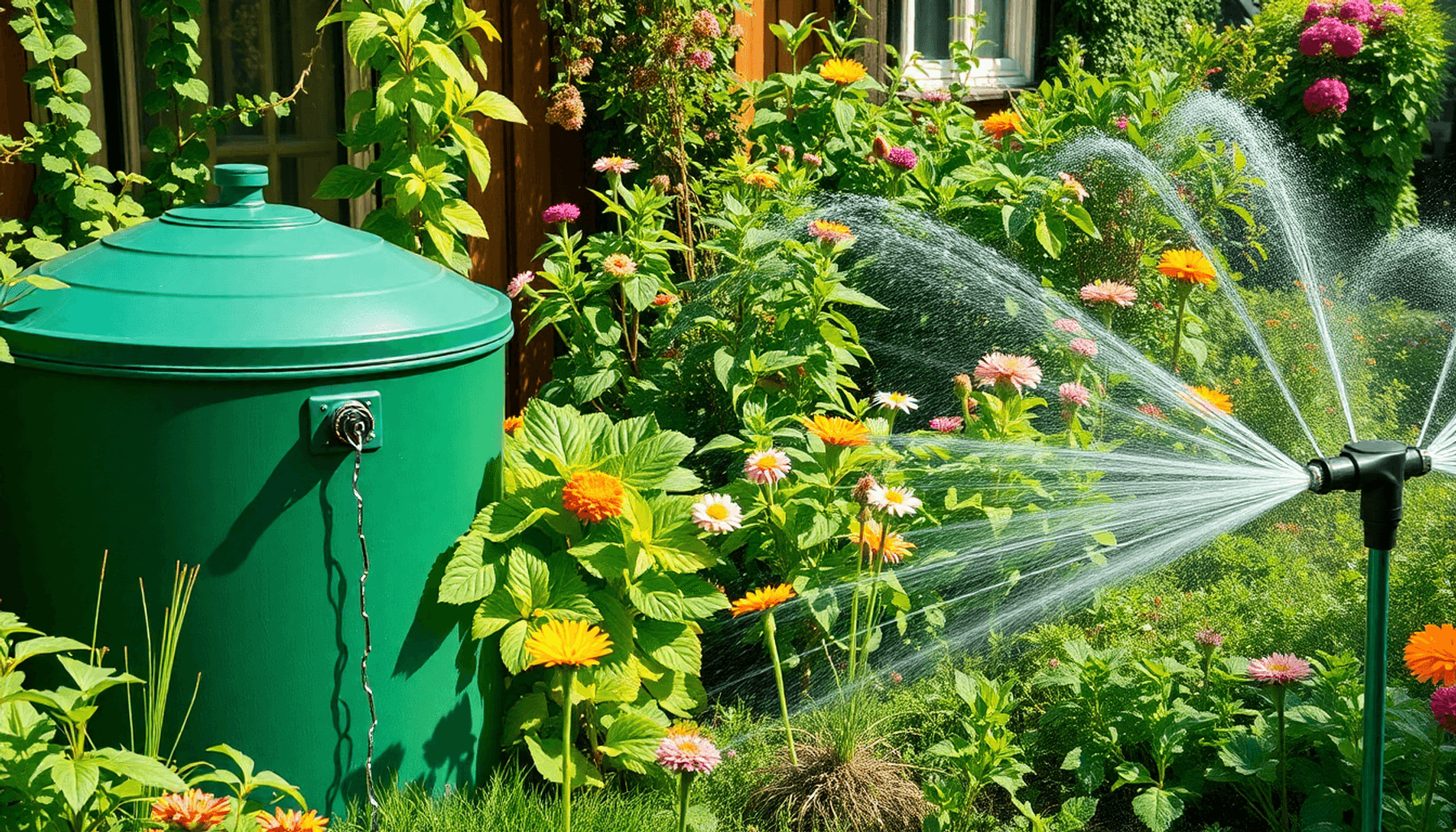

Efficient garden watering is essential for maintaining healthy plants in UK gardens. The climate often brings unpredictable rainfall, making water conservation a priority for gardeners. Choosing the right watering method helps protect plants during dry spells while reducing water waste and environmental impact.
This article explores two popular garden watering methods in the UK: water butts and irrigation systems. Both options offer distinct advantages but serve different needs depending on your garden size, plant types, and personal preferences.
You will learn about:
- How water butts collect and store rainwater for manual or automated use
- The features and benefits of irrigation systems designed for precise, efficient watering
- Key differences in cost, complexity, and automation between these options
By comparing water butt vs irrigation system, this guide aims to help you decide which method best suits your UK garden’s watering needs.
Understanding Water Butts
Water butts are essential tools for rainwater harvesting and sustainable gardening in the UK. They collect rainwater from roofs through gutters and downpipes, storing it for later use in watering your garden. Effective water butt installation and maintenance ensure you harness this resource efficiently and keep your garden healthy.
Installation and Maintenance of Water Butts
Proper installation sets the foundation for effective use. Place your water butt on a firm, level stand capable of supporting its full weight when filled with water. This positioning improves water flow and prevents damage caused by ground moisture or instability.
Covering the water butt with a secure lid is crucial to prevent contamination by debris, leaves, or insects. It also helps reduce algae growth inside the barrel by limiting sunlight exposure. Algae can quickly develop in standing water exposed to light, reducing water quality and clogging irrigation systems if connected.
Regular usage of collected rainwater avoids stagnation, which can attract mosquitoes or promote unpleasant odors. Using the stored water consistently encourages fresh turnover and maintains the health of plants watered from the butt.
Annual cleaning of your water butt is recommended to remove sediment and algae buildup that accumulates over time. Cleaning involves:
- Emptying the butt completely
- Scrubbing interior walls with a brush and mild detergent
- Rinsing thoroughly before refilling
Proper maintenance extends the lifespan of your water butt while ensuring clean, fresh water for your plants year-round.
Water butts can be linked together to increase storage capacity if needed. This setup requires careful planning around overflow management and connection points but significantly boosts rainwater harvesting potential.
Water collected in butts is naturally soft and low in minerals, ideal for acid-loving plants like rhododendrons or camellias. Utilizing harvested rainwater reduces dependency on mains supply, lowering your environmental footprint while managing rainfall runoff effectively within your garden space.
Efficient maintenance paired with correct installation unlocks the full benefits of using a water butt as part of your sustainable gardening strategy.
Water Butt Irrigation Options
A water butt is an important part of rainwater harvesting. It collects rainwater from roofs through gutters and downpipes. This stored water is a great resource for sustainable gardening because it is soft and low in minerals, making it perfect for many plants, including those sensitive to hard tap water.
Using rainwater from a water butt has several advantages:
- Reduces dependence on mains water supplies
- Helps manage heavy rainfall runoff, preventing soil erosion or flooding in your garden
- Conserves potable water
- Lowers your water bills
- Reduces the overall ecological footprint of your garden
Two Approaches to Water Butt Irrigation
There are two main ways to use water butts for watering your garden:
- Manual Use: With this method, you collect water manually using watering cans or buckets to irrigate flower beds, vegetable plots, pots, and greenhouse plants. It is simple and requires minimal setup. You have control over how much water each plant gets, but it requires regular effort and time.
- Integration with Drip Irrigation Lines or Soaker Hoses: Many gardeners connect drip irrigation kits directly to their water butts for more efficient watering. These systems deliver water straight to the plant roots through hoses or tubes with tiny emitters. Compared to overhead sprinklers or manual watering, this method significantly reduces evaporation losses.
Benefits of Drip Irrigation with Water Butts
When drip irrigation is used with water butts, the efficiency gains are impressive. Studies show that this combination can save up to 90% of water compared to traditional watering methods. By delivering water slowly and precisely, it also reduces weed growth by limiting excess moisture around non-target areas.
Drip irrigation combined with rainwater harvesting creates an eco-friendly watering system that supports plant health while maximizing resource use. This integration ensures consistent moisture levels without overwatering or wastage, making it ideal for vegetable patches, raised beds, and hanging baskets.
Components of Water Butt Irrigation Kits
Water butt irrigation kits typically include:
- Connectors compatible with standard water butt outlets
- Adjustable drip emitters for varying flow rates
- Soaker hoses that release water along their length for even coverage
- Simple timer options (sometimes included) for basic automation
Choosing between manual use and integrating drip irrigation depends on your garden's size, layout, and how much time you want to invest in watering tasks. The combination of a well-installed water butt, proper maintenance, and drip irrigation offers a scalable solution that fits most UK gardens aiming for sustainability.
Overview of Irrigation Systems for UK Gardens
Features and Benefits of Automated Irrigation Systems
Choosing an irrigation system can transform how you care for your garden. Automated irrigation systems come with a range of features designed to simplify watering while improving efficiency.
Key benefits include:
- Precise delivery: Drip irrigation and sprinklers distribute water directly to the root zone, reducing waste from evaporation or runoff.
- Timer settings: Many systems offer programmable timers that let you set multiple watering durations and frequencies. This flexibility allows tailoring your garden’s watering schedule to seasonal needs or specific plant requirements.
- Water conservation: Automated systems minimize water use compared to manual watering by applying only the necessary amount at ideal times, often early morning or late evening.
- Consistent moisture: Maintaining steady soil moisture promotes healthier plants and reduces stress caused by irregular watering.
- Labor savings: Automation reduces the need to manually water each day, freeing up your time without sacrificing garden health.
Irrigation options vary from simple drip lines controlled by basic timers to advanced sprinkler setups with multiple zones and smartphone control. Drip irrigation remains popular for vegetable plots, flower beds, and container gardens because it delivers water slowly and steadily. Sprinkler systems suit larger lawns or mixed planting areas requiring broad coverage.
Many automated irrigation systems integrate well with existing water sources like mains supply or water butts, enhancing sustainability by using stored rainwater whenever possible.
Selecting a system with flexible timer settings provides the advantage of adapting watering schedules based on weather conditions or changes in plant growth stages. This adaptability ensures your UK garden receives optimal hydration year-round without overwatering or neglect.
Integrating Irrigation Systems with Water Butts
Connecting an irrigation system to a water butt leverages rainwater for efficient garden watering while maintaining eco-friendly practices. The key is to use gravity or low-pressure pumps that draw water from the butt and distribute it through the chosen irrigation setup.
Types of irrigation systems commonly used in UK gardens:
- Drip pipes: Deliver water directly to plant roots, reducing evaporation and runoff.
- Sprinklers: Cover larger areas with overhead spray, suitable for lawns and flower beds.
- Soaker hoses: Release water slowly along their length, ideal for vegetable patches and borders.
Each type can be linked to a water butt by setting up a simple connection at the outlet. The height of the water butt often provides enough pressure for gravity-fed drip irrigation or soaker hoses. For sprinklers and more extensive systems, a low-pressure pump can boost flow without excessive energy use.
Advantages of combining irrigation systems with water butts:
- Efficient water delivery: Automated irrigation ensures precise watering schedules using timer settings that control duration and frequency.
- Water conservation: Direct root watering minimizes waste compared to manual watering or traditional hose methods.
- Eco-friendly operation: Utilizing collected rainwater reduces mains water demand and lowers environmental impact.
You can install timer-controlled valves on your irrigation system connected to the water butt. This automation allows you to customize watering sessions tailored to specific plants' needs without manual intervention.
With this integration, the benefits of automated irrigation—such as consistent moisture levels and reduced labor—combine with the sustainability of rainwater harvesting. This approach suits UK gardens looking for smart, green solutions.
The choice between standalone water butts or full-scale irrigation setups often depends on garden size and complexity. Integrating both offers an adaptable solution that maximizes efficiency by pairing natural resource use with technology-driven control.
This synergy between a rainwater irrigation system and automated irrigation brings practical advantages that fit well within the UK's variable climate conditions.
Comparing Water Butts and Irrigation Systems for UK Gardens
When evaluating a water butt vs irrigation system comparison, several key factors stand out. These include cost, complexity, and the level of automation each option offers.
Cost Differences
Water Butts: Typically, water butts are low-cost investments. Basic models range from £30 to £100 depending on capacity and material. Installation is minimal, often requiring just a firm stand and connection to a downpipe.
Irrigation Systems: Full irrigation setups represent a higher initial expenditure. Automated drip or sprinkler systems start around £150 for simple kits but can exceed £500 for larger, more sophisticated installations with timers and pumps.
Complexity of Setup
Water Butts: Installation is straightforward. You position the butt under a downpipe, secure it on a stable stand, and ensure it has a lid to prevent debris and pests. Maintenance involves occasional cleaning and monitoring water quality.
Irrigation Systems: These require planning of pipe layout, connections to water sources (including possibly to the water butt), and installation of components such as timers, pumps, valves, and emitters. For detailed guidance on how to set up a garden irrigation system, you can refer to this comprehensive guide. Setup demands more technical understanding or professional help.
Automation Level
Water Butts: Manual usage dominates here unless you integrate drip irrigation lines or add pumps and timers. Without these additions, watering relies on personal effort.
Irrigation Systems: Automation is the main advantage. Timers control watering schedules precisely, adapting frequency and duration as needed without manual intervention. This ensures consistent moisture levels even during busy periods or holidays. Moreover, automated irrigation systems optimize water use further by minimizing evaporation and runoff through precise delivery.
Suitability by Garden Scale
Smaller gardens benefit from standalone water butts due to their simplicity and lower cost.
Larger gardens or those with diverse plantings gain efficiency from automated irrigation systems that deliver targeted watering with minimal waste.
Environmental Impact
Both options promote sustainable gardening by reducing reliance on mains water:
Water butts capture rainwater effectively but require regular use to prevent stagnation.
This comparison highlights clear trade-offs between simplicity and control when choosing between just a water butt or investing in a full irrigation system for your UK garden needs.
Pros and Cons Summary
Understanding the advantages and disadvantages of water butt and irrigation system use in UK gardens helps you decide which suits your gardening needs best.
Water Butt Advantages
- Environmental impact: Collecting rainwater reduces mains water consumption, helping conserve a precious resource.
- Cost-effective: Initial purchase and installation costs are low compared to automated systems.
- Simple maintenance: Cleaning once a year and occasional checks prevent algae buildup and contamination.
- Plant-friendly water quality: Rainwater is naturally soft, free of chemicals, ideal for acid-loving plants common in UK gardens.
- Reduces runoff: Capturing rainwater mitigates garden flooding and soil erosion during heavy UK rains.
Water Butt Disadvantages
- Manual operation: Filling watering cans or connecting hoses requires time and effort.
- Limited capacity: Storage volume depends on barrel size; may not meet demands during dry spells or large gardens.
- Water stagnation risk: Infrequent use can lead to algae growth or mosquito breeding without proper lids and cleaning.
- No automation: Requires personal attention to watering schedules, which can be inconsistent.
Irrigation System Advantages
- Water efficiency: Drip irrigation delivers water directly to roots, reducing evaporation and waste by up to 90%.
- Convenience: Automated timers manage watering frequency and duration without manual input.
- Consistent moisture levels: Improves plant health by maintaining steady soil hydration.
- Scalability: Suitable for small pots to extensive vegetable plots with tailored system designs.
- Integration possibilities: Can be connected to water butts using pumps or gravity-fed setups for eco-friendly operation.
Irrigation System Disadvantages
- Higher upfront costs: Equipment, installation, and timer units require a larger initial investment than simple water butts.
- Complex setup: Installation may need technical know-how or professional help, especially with pump connections.
- Maintenance needs: Regular checks for leaks, clogs, and timer calibration add ongoing tasks.
- Dependence on power/pumps: Some systems rely on electricity or batteries; power failures impact operation.
Both methods offer distinct benefits tailored to different gardening styles. Water butts excel in environmental sustainability with minimal cost but demand manual involvement. Irrigation systems provide advanced efficiency and hands-off convenience at the price of complexity and higher setup expenses. Balancing these pros and cons will guide your choice in creating a thriving UK garden watering solution.
Conclusion
Choosing the best garden watering method UK depends on several factors including your personal preferences, budget, and the size of your garden. The choice between a water butt and an irrigation system is not always clear-cut but guided by practical needs.
-
Manual vs Automated Watering
If you enjoy hands-on gardening and have a smaller or moderately sized garden, a water butt offers a simple, eco-friendly way to collect and reuse rainwater. It requires manual effort but keeps costs low and supports sustainable gardening practices.
For gardeners who prefer convenience, consistent moisture levels, and have larger spaces or more demanding plants, automated irrigation systems bring precision and time savings. Timers and drip lines ensure your garden receives regular watering without daily attention. -
Budget Constraints
Water butts typically involve lower initial investment and maintenance costs, making them accessible for most gardeners. Irrigation systems require higher upfront expenses for equipment like pumps, timers, and tubing, plus occasional servicing. Your budget will influence whether you start with just a water butt or invest in a full irrigation setup. -
Garden Scale and Complexity
Small to medium-sized gardens thrive with water butts alone or combined with simple drip irrigation attachments. Larger gardens with diverse plantings benefit from comprehensive irrigation systems that can be programmed according to specific watering needs across different zones.
“Consider combining both approaches when possible.” Using a water butt as the primary water source feeding into an automated irrigation system maximizes environmental benefits while delivering efficient watering performance. This synergy reduces mains water use dramatically and ensures your garden stays healthy with minimal waste.
Your decision about Water Butt vs Irrigation System: Best for UK Gardens? is best made by weighing how much automation you desire against your budget and garden requirements. Embracing both technologies together offers a balanced solution that supports sustainability without sacrificing convenience or effectiveness.
FAQs (Frequently Asked Questions)
What is a water butt and how does it benefit UK gardens?
A water butt is a container used to collect rainwater from roofs, providing a sustainable gardening method in UK gardens. It offers environmental benefits by supplying soft, low-mineral water, reduces mains water usage, and helps manage heavy rainfall runoff effectively.
How should I install and maintain a water butt for optimal performance?
For proper installation, place the water butt on firm stands and cover it with lids to prevent contamination and algae growth. Regular usage is important to avoid water stagnation, and an annual cleaning routine is recommended to maintain its efficiency.
Can irrigation systems be integrated with water butts for garden watering?
Yes, irrigation systems such as drip pipes, sprinklers, and soaker hoses can be connected to water butts using gravity or low-pressure pumps. This integration creates eco-friendly watering solutions that deliver water efficiently directly to plant roots for better absorption.
What are the advantages of automated irrigation systems in UK gardens?
Automated irrigation systems offer timer options with multiple duration and frequency settings, allowing tailored garden care. They enhance convenience by automating watering schedules, improving efficiency and ensuring plants receive consistent moisture without manual intervention.
How do water butts compare to full irrigation systems in terms of cost and complexity?
Standalone water butts generally have lower initial costs and simpler setup but require manual operation. Full irrigation systems involve higher investment and complexity due to automation features but provide greater efficiency and convenience through automated watering.
Which garden watering method is best for UK gardens: water butt or irrigation system?
The best choice depends on personal preferences such as manual versus automated watering, budget constraints, and garden scale. Combining both approaches where possible maximizes efficiency and environmental benefits, making it an ideal solution for many UK gardeners.