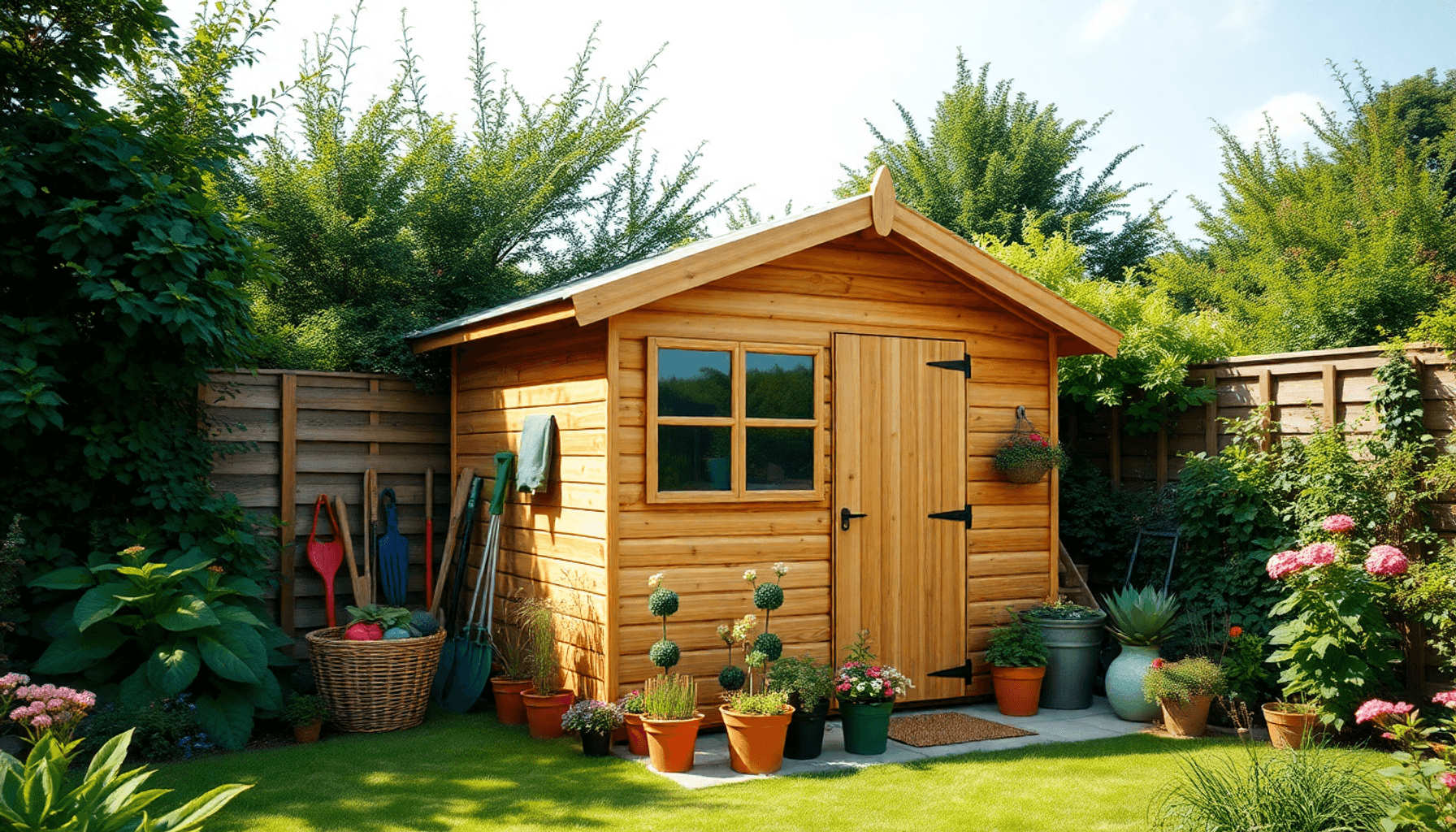

Garden sheds have become a staple feature in many UK gardens, serving as practical storage spaces, hobby workshops, or even tranquil retreats. Their popularity stems from the versatility they offer to homeowners seeking to maximise outdoor space without extensive renovations.
You might be asking: How much does a garden shed cost in the UK? This question gains particular relevance in 2026, as market prices for materials and labour fluctuate. Understanding garden shed cost UK trends helps you make an informed decision when planning your own installation.
Garden shed prices 2026 vary significantly depending on several factors. These include the size of the shed, choice of materials, installation complexity, and location-specific considerations. This article breaks down these elements to give you a clear picture of the average garden shed cost and what influences it.
Average Cost of a Garden Shed in the UK
When considering the average garden shed cost UK in 2026, you can expect to pay around £1,020. This figure includes both the price of materials and the labour involved in installation. It serves as a useful benchmark if you're budgeting for a new garden shed.
Breaking down this amount:
- Materials: Approximately £620
- Labour: Around £400
These numbers reflect typical prices for sheds of moderate size and standard materials. The garden shed installation cost covers site preparation, assembly, and any finishing touches needed to ensure your shed is secure and weatherproof.
Keep in mind, this average is influenced by several variables:
- Size: Larger sheds require more resources, pushing costs upward.
- Material choice: Timber, metal, brick, or plastic each come with different price tags.
- Location: Accessibility and ground conditions affect labour time and complexity.
- Additional features: Electrical wiring or custom fittings add to overall expense.
This general cost gives you a starting point but expect variations depending on the specifics of your project. Understanding these factors helps you plan realistically for your garden shed investment.
Breakdown of Typical Garden Shed Costs by Size
The cost of a small garden shed typically starts around £820 for a budget model measuring 6ft x 4ft. This includes approximately £580 for materials and £240 for labour. Small sheds are suitable for limited storage needs, requiring fewer raw materials and shorter installation times. Their compact size means less groundwork and simpler assembly, resulting in lower costs.
For a medium-sized shed, such as an 8ft x 6ft structure, the average price in the UK is about £960. Materials account for roughly £640, while labour costs around £320. Medium sheds offer increased capacity, which requires more wood or metal panels, windows or doors, and stronger framing. Labour expenses rise due to the additional installation steps and time needed.
Large garden sheds measuring 12ft x 8ft have a price close to £1,280. Material costs can reach £780, while labour may be about £500. The increase in size leads to significantly larger quantities of materials: thicker timber beams or larger metal sheets, more complex roofing elements, and sometimes enhanced flooring solutions like concrete bases. Installation becomes more labour-intensive because of heavier components and longer build durations.
Size directly impacts both:
- Material volume: Larger sheds need more panels, framing parts, roofing materials, and fasteners.
- Labour time: Bigger builds require extended cutting, fitting, finishing, and often multiple workers.
Choosing the right size depends on how much space you need versus your budget constraints. Understanding these cost differences helps you plan effectively before committing to a garden shed project.
Factors Influencing Garden Shed Costs
To understand how much does a garden shed cost in the UK?, we need to look at several key factors that directly affect the price you'll pay.
Size and Scale
The size of your garden shed has a significant impact on its cost. Bigger sheds require greater quantities of materials like timber, metal, or bricks, as well as longer assembly times from builders or installers. Labour expenses increase with complexity and time required, not just raw materials. For example, doubling the footprint often increases costs by more than double due to structural reinforcement and additional finishing touches.
Material Choices and Their Cost Implications
The materials you choose for your garden shed affect both your budget and maintenance routine.
- Timber Sheds: Mid-range in price and popular for their natural look and versatility. They require regular treatment against weathering and pests, which adds ongoing costs.
- Metal Sheds: Durable with low maintenance needs, but typically carry a higher upfront cost than timber. Resistant to rot, though prone to rust if not properly coated.
- Brick Sheds: The most expensive option at around £3,800 or more. Extremely long-lasting and sturdy, brick sheds are considered permanent outbuildings and may require planning permission.
- Plastic/PVC Sheds: The cheapest upfront option, lightweight and quick to install. However, they may be less durable over time and can warp or crack in harsh weather.
Location-Based Cost Variations
Site conditions can heavily influence installation expenses. Uneven terrain may require ground levelling or stump removal before construction begins. Difficult access — such as narrow paths or steep slopes — extends labour time as equipment and materials become harder to move. Proximity to power sources or water supply for optional extras also plays a role in overall pricing.
Additional Features Adding to Overall Expenses
Custom extras can quickly escalate your total spend. Installing an electrical supply requires a qualified electrician, adding both labour and parts costs. Other add-ons that enhance functionality but increase the final price include:
- Insulation for temperature control
- Windows or skylights for natural light
- Shelving units or built-in storage solutions
- Security systems for protecting valuable tools
These variables combine uniquely depending on your property and preferences. Considering them carefully will clarify the garden shed size cost impact on your project budget.
Benefits of Investing in a Garden Shed
Garden sheds provide practical solutions that enhance your outdoor space in multiple ways. Understanding the benefits of garden sheds UK homeowners enjoy can help you decide if this investment suits your needs.
1. Increased Storage Space
A garden shed offers valuable extra room to store tools, garden equipment, and seasonal items. This frees up space inside your home and garage, reducing clutter. When properly organised, you can access everything quickly, saving time and effort.
2. Improved Organisation
Storage solutions garden shed options often include shelves, hooks, and workbenches tailored to keep items neatly arranged. This organisation prevents damage to tools and extends their lifespan by protecting them from weather exposure.
3. Enhanced Security
A lockable garden shed safeguards valuable equipment like lawnmowers, power tools, and bicycles against theft. This security feature is particularly important in urban or suburban areas where garden tools may be targeted.
4. Dedicated Gardening Workspace
Many gardeners prefer having a specific area for potting plants, mixing compost, and storing seeds. A garden shed can be customised as a mini workshop or hobby room — providing shelter and comfort while working outdoors.
5. Aesthetic Enhancement to Outdoor Space
Modern sheds come in various styles and finishes that complement different garden designs. Choosing materials and colours that blend with your landscape adds charm and increases the overall appeal of your property.
These advantages highlight why investing in a garden shed goes beyond mere storage—it transforms how you use and enjoy your garden. The right shed integrates seamlessly into your outdoor lifestyle while offering practical benefits every day.
Installation Process Overview and Its Impact on Cost
The garden shed assembly process UK involves several critical steps that influence both the quality of the final structure and the total cost you can expect to pay. Understanding these phases helps you budget effectively and avoid unexpected expenses.
Preparing a Solid Base
A level, solid base is essential for the stability and longevity of your garden shed. Common base options include:
- Concrete slab: Offers durability and excellent support but comes with higher installation costs due to materials and labour.
- Paving slabs: A more affordable alternative, suitable for smaller sheds; requires careful leveling.
- Timber or composite bases: Less common, may be used for specific shed types but usually need professional installation.
Uneven or soft ground requires additional groundwork like levelling or excavation, which increases preparation costs. Proper base preparation prevents issues such as sagging or water pooling beneath the shed that lead to damage over time.
Assembly Steps Affecting Labour Costs
Labour intensity varies depending on the complexity of assembling your chosen shed. Key stages include:
- Frame Construction: Building a sturdy frame is fundamental. Timber frames require precise joining and alignment; metal frames may need specialised tools.
- Wall Installation: Attaching walls demands accuracy to ensure weather resistance. Panelled walls simplify this step but custom-built sheds take longer.
- Door and Window Fitting: Installing doors and windows adds to labour time, especially if they include locking mechanisms or glazing.
- Waterproofing and Treatment: Timber sheds must be treated with preservatives or sealants during assembly to protect against rot and insects.
- Ventilation and Drainage: Proper airflow reduces condensation inside the shed; drainage solutions around the base prevent water accumulation.
Each stage requires skilled craftsmanship to maintain structural integrity, impacting total labour charges. Sheds with intricate designs or added features take longer to assemble, raising costs accordingly.
The choice of materials also affects assembly complexity—metal sheds demand welding expertise whereas plastic models often come in snap-fit kits requiring minimal effort.
Investing in professional installation ensures each step meets safety standards, reducing future repair expenses related to poor assembly practices.
Planning Permission Considerations Related to Cost
Understanding planning permission garden sheds UK regulations is essential when budgeting for your project. Most garden sheds fall within permitted development rights, meaning you do not need planning permission if they meet certain criteria:
- The shed is less than 2.5 metres high if within 2 metres of a boundary.
- The shed occupies no more than 50% of the garden’s total area.
- It is used solely for domestic purposes, not commercial activities.
If your shed exceeds these limits, or if it is intended for commercial use, planning permission will likely be required. This process involves submitting an application to your local council and waiting for approval, which can add weeks or even months to your project timeline.
Costs associated with obtaining planning permission include:
- Application fees charged by the local authority (typically between £200 and £400).
- Potential expenses for professional drawings or site plans prepared by architects or surveyors.
- Possible fees for consultations or environmental assessments in certain areas.
Failure to secure necessary permissions can result in enforcement actions, which may require you to remove the structure, leading to unexpected costs.
When considering How Much Does a Garden Shed Cost in the UK?, factor in these potential planning-related expenses as part of your overall budget. For smaller sheds that comply with regulations, you can avoid these additional costs and streamline installation. For larger or bespoke builds, allowing extra time and funds for planning permission safeguards your investment and ensures compliance with local laws.
Hiring Professional Shed Builders vs DIY Costs
Choosing between professional garden shed installation UK services and a DIY approach significantly impacts your project’s outcome and budget. You face a trade-off between upfront costs, quality, safety, and potential risks.
Advantages of Hiring Professionals
Professional shed builders offer several benefits that can enhance the overall quality and efficiency of your shed installation project:
- Expertise and Quality Workmanship: Professionals bring experience in assembling sheds to manufacturer specifications, ensuring structural integrity and longevity.
- Safety Compliance: Qualified installers follow building regulations and health and safety standards, reducing risks during construction.
- Time Efficiency: Skilled teams complete the job faster than most DIYers, minimizing disruption to your garden.
- Comprehensive Service: Many providers handle site preparation, base laying, assembly, waterproofing, and finishing touches.
- Warranty & Support: Professional installation often includes guarantees on workmanship, offering peace of mind if issues arise.
The higher initial cost for professional installation can be justified by fewer mistakes, reduced need for repairs or rework, and better long-term durability. Labour charges typically range from £240 for smaller sheds to £500 or more for larger builds but reflect the value of expert handling.
Considerations with DIY Installation
While DIY shed installation may seem like an attractive option due to its cost-saving potential, it's essential to weigh the following factors:
- Cost Savings: Avoiding labour fees can reduce total expenses substantially; materials remain the primary cost factor.
- Control Over Process: You decide pace and methods without relying on external schedules.
- Learning Experience: For handy homeowners, building a shed offers skill development and personal satisfaction.
Risks involve potential errors in assembly compromising stability or waterproofing. Improper base preparation or neglecting ventilation can shorten shed lifespan. Time investment is considerable; novices may spend days or weeks compared to professionals’ hours. Safety hazards increase without proper tools or knowledge.
Balancing Factors
Deciding whether to hire professional garden shed installation UK specialists depends on:
- Your confidence in DIY skills
- Available time for project completion
- Complexity of the chosen shed design
- Value placed on guaranteed workmanship versus upfront savings
Many opt for a hybrid approach—preparing the base themselves to save money but hiring experts for critical assembly tasks—to balance cost with quality assurance.
Conclusion
Understanding How Much Does a Garden Shed Cost in the UK? involves more than just looking at a single price tag. You need to factor in several key elements that directly impact the final cost:
- Size: Larger sheds require more materials and longer labour time, increasing costs.
- Material: Choices range from budget-friendly plastic to premium brick, each with distinct price points and maintenance needs.
- Location: Site conditions like uneven ground or difficult access can add extra expenses for preparation and installation.
- Additional Features: Extras such as electrical wiring or custom finishes will raise the total investment.
Making informed decisions means matching your shed’s specifications with your actual needs and budget. Prioritize what matters most—whether it’s durability, aesthetics, or functionality—and plan accordingly to avoid unexpected costs.
A well-planned garden shed is not just a storage solution; it’s an investment in your outdoor space’s utility and appeal.
Use this summary garden shed costs UK guide as your reference point. Take time to explore different options, request multiple quotes if hiring professionals, and consider DIY only if you have the skills and time. Thoughtful budgeting leads to a shed that fits both your garden and wallet.
FAQs (Frequently Asked Questions)
What is the average cost of a garden shed in the UK in 2026?
The average total cost of a garden shed in the UK in 2026 is approximately £1,020, which includes both materials and labour. However, this figure can vary depending on specific factors such as size, material choice, and installation requirements.
How does the size of a garden shed affect its cost in the UK?
Garden shed costs increase with size due to the greater amount of materials and longer labour time required. For example, a small 6ft x 4ft shed may cost around £820, a medium 8ft x 6ft shed about £960, and a large 12ft x 8ft shed approximately £1,280 including materials and labour.
What materials are commonly used for garden sheds in the UK and how do they impact cost?
Common materials include timber, metal, brick, and plastic/PVC. Timber offers mid-range costs but requires maintenance; metal is durable but pricier; brick sheds are expensive at around £3,800 but very long-lasting; plastic/PVC options are cheaper but less permanent. Material choice significantly influences overall shed cost.
Are there additional costs related to location when installing a garden shed in the UK?
Yes, location-based factors such as uneven terrain or stump removal can add to ground preparation costs. Difficult access to the site may increase labour time and expenses. These factors should be considered when budgeting for installation.
Do I need planning permission for a garden shed in the UK and how does it affect cost?
Most garden sheds under certain size limits do not require planning permission. However, larger sheds or those intended for commercial use may need approval, which can add to both project time and expenses. It's important to check local regulations before installation.
Is it better to hire professional builders or install a garden shed myself in the UK?
Hiring professional garden shed builders ensures quality workmanship and compliance with safety standards despite higher upfront costs. DIY installation may save money initially but carries risks such as improper assembly or non-compliance. Consider your skills and budget carefully when deciding between professional installation and DIY.