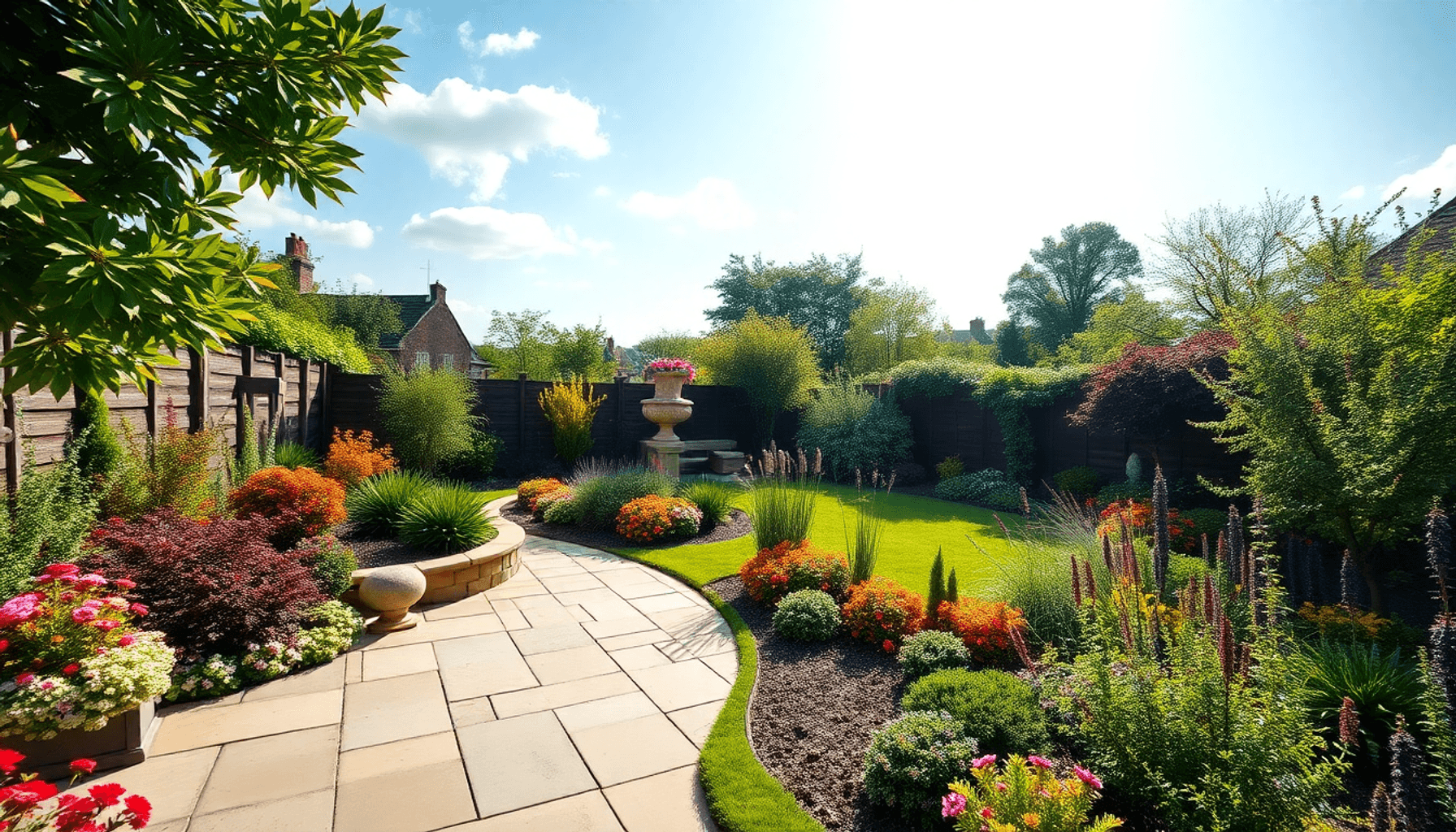

Landscaping a garden in the UK involves more than just planting flowers or mowing the lawn. It is a comprehensive process of designing and modifying outdoor spaces to create attractive, functional, and sustainable environments. This can include installing patios, paths, water features, planting trees and shrubs, or even building retaining walls. The goal is to enhance the aesthetic appeal and usability of your garden while complementing your home’s style.
Understanding how much does landscaping a garden cost in the UK? is crucial before starting any project. Knowing the landscaping cost UK helps you plan your budget realistically and avoid unexpected expenses. It also allows you to prioritize elements that matter most to you, whether it’s a simple flower bed or a full garden makeover.
Several factors influence the garden landscaping price:
- Size of the garden: Larger areas require more materials and labour, increasing costs.
- Type of landscaping work: Simple planting differs significantly in cost from building complex structures like patios or retaining walls.
- Materials chosen: Premium natural stone costs more than basic concrete paving.
- Labour rates: Skilled professionals charge differently depending on location and expertise.
- Design complexity: Custom or bespoke features add to both design and execution expenses.
- Existing conditions: Gardens needing clearance, drainage solutions, or groundwork will incur additional charges.
Knowing these cost drivers equips you with the insight needed to make informed decisions about your landscaping project. This article breaks down these elements in detail, guiding you through typical costs and budgeting strategies for transforming your garden without overspending.
Understanding Landscaping: Hard vs. Soft Landscaping
Landscaping a garden in the UK involves two primary categories of garden design elements: hard landscaping and soft landscaping. Each plays a distinct role in shaping the look, feel, and functionality of your outdoor space, while also impacting costs in different ways.
Hard Landscaping UK
Hard landscaping refers to the structural and non-living components of a garden. These elements form the framework or backbone of your garden’s layout and often require skilled labor and durable materials.
Common examples include:
- Paving and patios: Stone, concrete, or brick surfaces used for seating areas, walkways, or driveways.
- Retaining walls: Built to manage slopes or create raised beds; made from stone, timber, or concrete blocks.
- Paths: Defined walkways that guide movement through the garden.
- Driveways: Durable surfaces designed to support vehicles.
- Water features: Ponds, fountains, or streams that add an aesthetic or calming effect.
Hard landscaping usually involves higher upfront costs due to material expenses and installation complexity. It requires precision work and often specialized equipment. The longevity and maintenance needs can vary depending on material choice—natural stone tends to cost more but lasts longer compared to some concrete options.
Soft Landscaping UK
Soft landscaping focuses on the living elements that bring life and colour to your garden. This includes planting schemes designed around plants’ growth habits, seasonal appeal, and ecological benefits.
Examples include:
- Plants: Perennials, annuals, ground covers providing texture and flowers.
- Trees: From small ornamental varieties to larger shade trees.
- Shrubs: Add structure, privacy screens, or flowering interest.
Soft landscaping costs are influenced by plant types (mature trees cost more than young saplings), quantity, and sourcing. Labour may involve planting expertise but generally requires less heavy equipment than hard landscaping.
Cost and Design Contributions
Hard landscaping often represents a significant portion of landscaping budgets because it shapes the garden’s physical structure. It dictates paths for movement, usable outdoor spaces like patios or seating areas, drainage solutions, and boundaries.
Soft landscaping complements this structure by providing natural beauty, seasonal variation, habitat for wildlife, and softening hard edges with greenery. It can be adjusted more easily over time as plants mature or seasons change.
A balanced garden design integrates both components thoughtfully:
- Relying heavily on hard landscaping might increase initial costs but reduces ongoing maintenance.
- Focusing mainly on soft landscaping can lower upfront expenses but may require regular upkeep such as pruning or replanting.
Understanding how these two elements interact helps you make informed decisions about where to allocate your budget for maximum impact in both aesthetics and function.
Key Factors Affecting the Cost of Landscaping a Garden in the UK
When planning your garden transformation, understanding the landscaping cost factors UK is crucial. Several elements directly influence how much you will spend.
Size of the Garden and Its Impact on Costs
The garden size cost impact is one of the most straightforward influences on your budget. Larger gardens require:
- More materials such as soil, plants, paving stones, and timber.
- Increased labor hours for installation and maintenance.
- Potentially larger equipment or machinery to handle the workload.
A small urban garden might need only a few hundred pounds worth of materials and hours of work, while an expansive country garden could push costs into the tens of thousands.
Type of Work Involved
Different types of landscaping tasks carry vastly different price tags. Simple planting schemes involving flower beds or lawn installation are generally more affordable compared to structural work. Complex features like retaining walls, water features, or extensive patios increase costs due to:
- Specialized skills required.
- Heavier materials like stone or concrete.
- Additional groundwork or foundations needed.
Choosing between basic gardening tasks and major construction projects significantly shifts your budget expectations.
Quality and Availability of Materials
Material choice influences costs heavily. Selecting premium natural stone for a patio will cost more than budget-friendly alternatives like gravel or concrete slabs. Availability also matters; locally sourced materials tend to be cheaper than exotic imports that incur shipping fees.
Material quality cost considerations include:
- Durability and lifespan — investing in high-quality materials reduces replacement frequency.
- Aesthetic appeal — premium products often deliver a more polished look.
- Maintenance needs — some materials require more upkeep, adding to long-term expenses.
Balancing initial outlay with future savings is essential when selecting materials.
Labour Costs Vary by Location and Expertise
Labour charges fluctuate depending on where you live in the UK. Urban areas like London or Manchester usually have higher rates compared to rural regions due to living costs and demand for skilled workers.
Specialist expertise can also add to labour expenses. For example:
- Installing irrigation systems.
- Constructing complex retaining walls.
- Creating bespoke garden structures or water features.
Skilled professionals command higher fees but deliver quality results that last longer.
Design Complexity and Custom Features
A straightforward garden design with standard layouts will be less costly than one featuring custom elements such as built-in seating, intricate lighting schemes, or themed planting plans. Bespoke designs often require:
- More detailed planning time.
- Custom-fabricated components.
- Coordination across multiple tradespeople.
Complexity adds layers of expense both in design fees and implementation costs.
Pre-existing Garden Conditions
Before any landscaping starts, consider what’s already there. If your garden requires clearing overgrown vegetation, removing old structures, or dealing with drainage problems, these add unexpected costs. Examples include:
- Tree stump removal.
- Soil remediation or levelling.
- Installing drainage systems to prevent waterlogging.
Addressing these issues upfront ensures a smoother project but increases initial expenditure.
Understanding these factors helps you estimate realistic budgets tailored to your garden’s unique requirements. Each element—from size through soil condition—plays a vital role in shaping your overall landscaping investment.
Typical Cost Ranges for Different Landscaping Projects in the UK
Understanding how much does landscaping a garden cost in the UK depends heavily on the scale and complexity of your project. The landscaping budget UK can vary widely, but breaking it down into typical project sizes helps give a clearer picture.
Small-Scale Projects (£1,000 Range)
Small gardening projects usually focus on simple additions or enhancements to an existing space. Examples include:
- Planting flower beds with seasonal or perennial plants
- Installing small garden features like borders or edging
- Basic lawn improvements such as reseeding or aeration
These projects tend to require fewer materials and less labour, making them accessible for most homeowners working within a modest budget. The average garden landscaping prices UK for these tasks often fall around the £1,000 mark, depending on plant selection and site preparation needs.
Medium Projects (£3,000 to £7,000)
Medium-scale landscaping introduces more structural elements that add both function and aesthetic appeal. Common undertakings include:
- Laying patios using paving slabs or block paving
- Constructing paths that connect different garden areas
- Creating raised flower beds or simple retaining walls
- Installing basic water features like small ponds or fountains
Costs in this range reflect increased material expenses and additional labour time. Quality of materials plays a key role: opting for natural stone versus concrete paving can shift costs noticeably. Labour rates also impact final prices, especially if specialist skills are needed for precise installations.
For those looking for inspiration on how to make these medium projects look more professional, consider exploring some backyard landscaping tips.
Large or Complex Projects (£10,000 to £15,000+)
Extensive landscaping projects involve significant redesigns with multiple hard landscaping features combined with soft landscaping elements. These can include:
- Building substantial retaining walls to manage slopes
- Installing large patios with intricate patterns or multi-level designs
- Incorporating elaborate water features such as ponds with pumps or waterfalls
- Full garden redesigns including driveways, lighting systems, and mature tree planting
This price bracket accounts for high-quality materials, specialist labour, and longer project durations. Custom bespoke features tailored to your garden’s unique layout will push costs towards the higher end of the spectrum.
Your landscaping budget UK should reflect your priorities. Smaller projects are ideal for refreshing a garden without heavy investment. Medium projects balance aesthetics and functionality while remaining affordable. Large-scale works demand commitment but transform outdoor spaces dramatically.
Knowing these typical cost ranges helps you set realistic expectations when planning your garden transformation based on your available funds and desired outcome. For those considering a full garden redesign, understanding these cost ranges will be particularly beneficial.
Budgeting Tips to Manage Landscaping Costs Effectively
Managing your landscaping budget wisely can make a significant difference in the final cost of your garden project. Here are practical strategies to help you save money landscaping UK while still achieving a beautiful outdoor space.
Plan Your Own Garden Layout
Taking time to design your garden layout on your own can reduce or even eliminate the need for costly professional design fees. Sketching out ideas, measuring your space accurately, and deciding where key features will go puts you in control of expenses. Online tools and garden planning apps offer user-friendly ways to visualise your ideas before any work begins.
DIY Tasks to Cut Labour Costs
You don’t have to hire professionals for every task. Simple jobs like:
- Weeding
- Clearing debris
- Removing old plants or turf
- Preparing soil for planting
can be done yourself, significantly reducing labour bills. These tasks also give you a personal connection with your garden’s transformation.
Choose Budget-Friendly Materials
Material choice plays a big role in cost control. Gravel is a popular alternative to full paving slabs and patios because it costs less and is easier to install. Other affordable options include:
- Mulch instead of expensive bark chippings
- Concrete sleepers rather than stone walls for borders
- Recycled bricks or reclaimed wood for edging
Opting for these materials doesn’t mean sacrificing style; creative use can add charm and texture.
Upcycle Materials for Unique Features
Repurposing materials not only saves money but adds character and sustainability to your garden design. Examples:
- Using old pallets to create seating or planters
- Turning broken pottery into mosaic stepping stones
- Salvaging bricks from demolition sites for paths or raised beds
Upcycling reduces waste and gives your garden a one-of-a-kind look without the premium price tag.
Select Low-Maintenance Plants Suited to Local Climate
Choosing plants that thrive naturally in the UK climate cuts down on watering, feeding, and replacement costs over time. Perennials, native shrubs, and drought-tolerant species require less upkeep. This approach lowers ongoing maintenance expenses while creating a resilient, healthy garden.
Invest in Durable Materials That Last
Spending a bit more upfront on high-quality materials can save money long term by reducing repair or replacement needs. Durable options include:
- Hard-wearing natural stone for patios
- Weather-resistant decking boards like composite materials
- Long-lasting fencing treated against rot and pests
Durability means fewer disruptions and lower maintenance budgets later on.
Applying these budget garden design tips UK helps balance cost-saving with quality results. Thoughtful planning combined with selective DIY efforts keeps projects manageable without compromising aesthetics or function.
Hiring Professional Landscapers vs. DIY Approaches
Deciding whether to hire a professional or tackle garden landscaping yourself is a key choice affecting both the budget and outcome. Understanding the pros and cons of each approach helps you make an informed decision.
Benefits of Hiring Professionals
1. Expertise and Experience
Professional landscapers bring specialist knowledge in design, plant care, and construction techniques. Their experience ensures your garden layout is both attractive and functional, avoiding costly mistakes.
2. Access to Equipment and Materials
Professionals have access to industry-grade tools and materials that may be difficult or expensive for homeowners to acquire. This can speed up the project and improve quality.
3. Project Management
A hired landscaper coordinates all aspects—from sourcing materials to scheduling labor—reducing stress and saving your time.
Higher Costs Associated with Professional Services
Hiring a landscaper UK cost varies widely depending on the project's scale, complexity, and location. Expect to pay more than DIY due to:
- Labour charges for skilled workers
- Design fees if bespoke plans are needed
- Costs for premium materials recommended by experts
Budgeting for these higher upfront expenses is essential when considering professional help.
Researching Landscapers Effectively
Finding the right landscaper involves thorough research:
- Read Reviews: Check platforms like Trustpilot or local forums for honest client feedback.
- Request Multiple Quotes: Compare pricing details to understand what’s included.
- Ask for References: Talk directly with previous customers about their experience.
- Verify Credentials: Look for membership in professional bodies such as the Association of Professional Landscapers (APL).
Gathering this information helps avoid scams or subpar work.
Clear Communication About Budget and Expectations
Discuss your budget openly before work begins. Clear conversations about:
- Project scope
- Material preferences
- Timeline constraints
prevent misunderstandings. Agreeing on milestones or payment schedules keeps the project on track financially.
Aftercare and Maintenance Services Offered by Professionals
Some landscapers provide ongoing maintenance packages post-installation. Services might include:
- Regular pruning or lawn care
- Seasonal planting updates
- Irrigation system checks
Inquiring about these options can ensure your garden stays in top condition without additional hassle.
DIY Garden Landscaping Pros Cons UK
Opting for DIY has advantages such as cost savings on labour and the satisfaction of personal involvement. However, it requires time, physical effort, and some technical know-how. Mistakes like improper drainage or plant selection can add costs later.
You should weigh your skills against project demands realistically. Small projects like flower beds or simple paths often suit DIY well, whereas complex structures typically need professional input.
Choosing between hiring a landscaper or going DIY depends on your budget flexibility, available time, skill level, and desired outcome quality—each path impacts how your garden takes shape.
Timeframe Considerations for Landscaping Projects in the UK
Understanding how long landscaping projects take in the UK helps you set realistic expectations and plan accordingly. The time required can vary greatly depending on the size and complexity of the work involved.
Typical Duration for Different Project Sizes
Here's a breakdown of how long different types of landscaping projects usually take:
- Small jobs: These include tasks like planting flower beds or laying simple garden paths. They usually take a few days to complete since they often require minimal groundwork and fewer materials.
- Medium-sized projects: This category includes installing patios, driveways, or modest retaining walls. These projects can span from one to three weeks as they involve more preparation, precise measurements, and sometimes coordinating multiple trades.
- Extensive redesigns: If you're planning complex features like large water elements, multi-level terraces, or custom-built garden structures, expect these projects to take several weeks to a couple of months. This timeframe accounts for groundwork, construction, planting phases, and curing or settling times for materials.
When scheduling your project, it's important to consider not just the physical work but also potential delays caused by weather conditions or material availability.
Seasonal Factors Affecting Timing
The best season for landscaping in the UK is critical when planning your project. It ensures plant survival and efficient work progress.
Spring
Spring stands out as an ideal time because soil conditions improve with warming temperatures, encouraging root growth. Planting in spring gives flowers, shrubs, and trees a full growing season to establish before winter.
Autumn
Autumn is another prime window for landscaping activities. Cooler weather reduces stress on plants during transplantation. Soil remains workable after summer rains, making it suitable for digging and groundwork. Autumn planting allows roots to develop over winter without the immediate pressure of summer heat.
Winter and Summer Challenges
Winter months often bring challenges like frozen ground and heavy rain, which can delay work or damage newly planted areas. Summer can be dry and hot, increasing irrigation needs and risking plant stress if landscaping is done without proper planning.
Impact on Costs
Scheduling your project around these seasonal considerations affects not only your timeline but also influences the question: How Much Does Landscaping a Garden Cost in the UK? Efficient timing reduces risks of plant loss or material damage that could increase overall expenses.
By planning your landscaping timeline with awareness of project size and seasonal impact, you can ensure smoother execution while protecting your investment in creating a beautiful garden space.
Conclusion
Creating an affordable garden landscaping UK project that balances quality and budget is achievable with careful planning and informed choices. Understanding How Much Does Landscaping a Garden Cost in the UK? empowers you to make decisions that reflect your priorities without compromising on beauty or functionality.
Key takeaways to keep in mind:
- Thoughtful budgeting helps allocate funds effectively across hard and soft landscaping elements.
- Smart design choices ensure you focus spending on features that add lasting value and enjoyment.
- You can achieve a stunning garden by combining professional expertise with selective DIY efforts.
- Prioritising durable materials and low-maintenance plants reduces ongoing costs while enhancing appeal.
Gardens transformed through this balanced approach demonstrate how quality landscaping and budget constraints need not be opposing forces. With clear goals and realistic expectations, your outdoor space can become a valuable extension of your home — reflecting style, comfort, and practicality within a reasonable financial framework.
FAQs (Frequently Asked Questions)
What is the typical cost range for landscaping a garden in the UK?
Landscaping costs in the UK vary depending on project size and complexity. Small-scale projects like flower bed planting typically cost around £1,000, medium projects involving patios or paths range from £3,000 to £7,000, while large or complex projects with retaining walls and water features can exceed £10,000 to £15,000.
What are the main differences between hard landscaping and soft landscaping in the UK?
Hard landscaping in the UK includes structural elements such as paving, patios, retaining walls, paths, driveways, and water features. Soft landscaping involves living elements like plants, trees, and shrubs. Both components contribute differently to design and overall landscaping costs.
Which factors most significantly affect garden landscaping costs in the UK?
Key factors influencing landscaping costs include garden size, type of work (simple planting versus complex structures), quality and availability of materials chosen (budget vs. premium), labour costs based on location and expertise required, design complexity including bespoke features, and pre-existing garden conditions such as clearance or drainage needs.
How can I effectively manage my garden landscaping budget in the UK?
To manage costs effectively, plan your own garden layout to reduce design fees, undertake DIY tasks like weeding and debris clearing to cut labour expenses, choose budget-friendly materials such as gravel instead of full paving slabs, upcycle materials for unique features, select low-maintenance plants suited to the local climate to reduce long-term costs, and invest in durable materials that require less repair over time.
Should I hire professional landscapers or attempt a DIY garden landscaping project in the UK?
Hiring professional landscapers offers expertise and access to specialized equipment but comes with higher costs. DIY approaches can save money but require time and effort. When hiring professionals, research thoroughly by checking reviews, obtaining quotes and references, communicate clearly about your budget and expectations, and inquire about aftercare or maintenance services.
When is the best time for landscaping projects in the UK and how long do they typically take?
The ideal seasons for landscaping work in the UK are spring and autumn due to favorable planting conditions. Project duration varies: small jobs may be completed quickly within days or weeks whereas extensive redesigns can take several weeks or months depending on complexity.