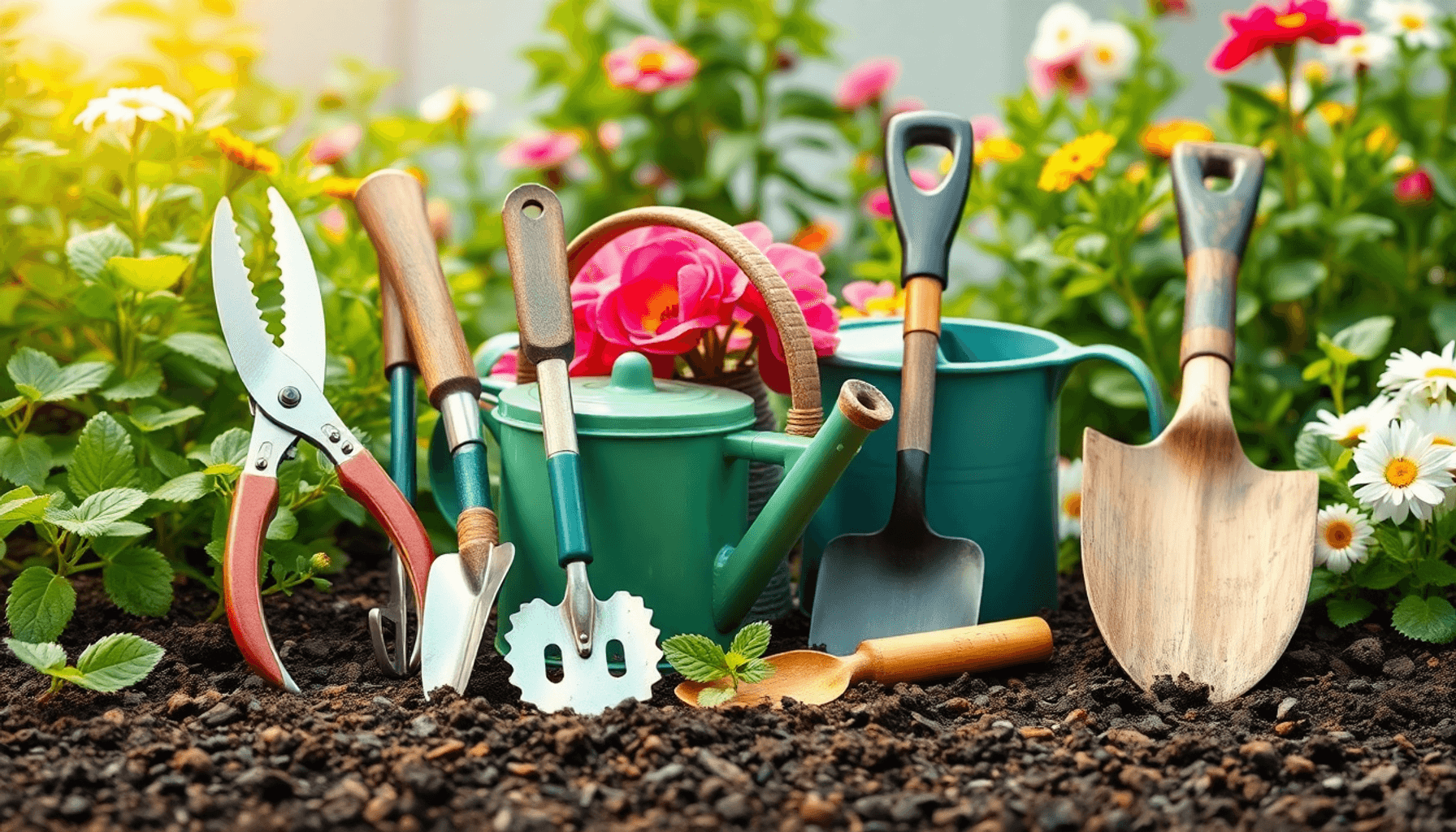

Gardening requires more than just passion and patience—it demands the right tools. This Complete A-Z Guide to Garden Tool Names and Uses is designed to help you navigate the essential garden tools every gardener should know. Whether you're a beginner or an experienced green thumb, understanding these gardening essentials will empower you to work smarter, not harder.
You will learn about a wide range of tools categorized alphabetically, from Anvil Loppers for pruning thick branches to Watering Cans for precise hydration. Each tool comes with a clear description and practical uses, helping you choose the right equipment for your specific gardening tasks.
Expect to discover:
- Essential planting and pruning tools
- Protective and maintenance gear
- Comfort-enhancing accessories
- Precision cutting instruments
- Space-saving solutions
By mastering this garden tool guide, you will improve efficiency in your gardening routine while ensuring healthier plants and a more enjoyable experience.
A to D: Essential Tools for Planting and Pruning
Gardening requires specific tools for successful planting and pruning. The right tools can significantly improve your efficiency and the health of your plants. This section will discuss four essential tools that every gardener should have: Anvil Lopper, Bulb Planter, Compost Scoop, and Dibblet.
1. Anvil Lopper
The Anvil Lopper is a heavy-duty pruning tool designed to cut through thick branches and tough stems. It has two blades: one sharp cutting blade and one flat anvil plate that provides support during the cut. This design allows you to apply significant force with less effort, making it ideal for pruning mature trees, shrubs, and shaping hedges. The long handles offer excellent leverage, reducing strain on your hands and wrists while ensuring clean cuts that promote healthy regrowth.
- Best for branches thicker than those manageable by regular secateurs.
- Prevents bark tearing due to its single-cut action against the anvil.
- Suitable for maintaining orchard trees, large shrubs, or clearing overgrown areas.
2. Bulb Planter
The Bulb Planter simplifies planting bulbs by allowing you to create uniform holes quickly without bending or dirtying your hands. Its ergonomic design typically includes a comfortable grip handle and a cylindrical metal barrel with depth markings. This tool scoops out soil precisely suited for bulbs like tulips, daffodils, or crocuses.
- Ensures consistent planting depth, crucial for bulb development.
- Speeds up the sowing process compared to manual digging with trowels or fingers.
- Ideal for gardeners who regularly plant bulbs in flowerbeds or borders.
3. Compost Scoop
Managing compost efficiently requires the right scoop. The Compost Scoop features high, rounded edges that prevent spillage while transferring compost from bins or heaps into soil beds or pots. Using this tool encourages enriching your garden soil without mess or waste.
- Facilitates even distribution of nutrient-rich organic matter.
- Reduces contamination of compost by avoiding direct hand contact.
- Durable materials withstand abrasive compost textures and moisture.
4. Dibblet
The Dibblet excels at precision planting by creating small holes for individual seeds with accurate spacing. This handheld tool improves germination rates through consistent seed placement and depth control. Gardeners growing vegetables, herbs, or flowers from seed benefit greatly from its use.
- Helps avoid overcrowding seedlings that compete for nutrients.
- Promotes uniform growth patterns in garden rows or trays.
- Particularly useful when planting delicate seeds sensitive to handling.
Each of these tools plays a crucial role in your planting and pruning routine. By mastering their use, you can enhance both the appearance and vitality of your garden plants.
F to I: Protective and Maintenance Tools
Gardening requires not only planting but also protecting and maintaining plants. The right tools help you safeguard your garden while keeping soil and plants healthy.
Fleece Netting
Fleece netting is an effective plant protection tool designed to shield your garden from pests and harsh weather conditions. Made from spun-bound polypropylene, it creates a lightweight yet durable barrier. This material forms a warm microclimate around plants, preserving heat and moisture which encourages growth during colder months or early spring. Use fleece netting to protect young seedlings, fruit trees, or vegetable beds from frost damage and insect attacks without blocking sunlight or air circulation.
Garden Spade
The garden spade stands out for its versatility in digging, edging, and transplanting tasks. Equipped with a durable stainless steel blade, it resists rust and maintains sharpness for tough soil conditions. Its flat blade is ideal for creating clean edges along flower beds or lawn borders, while the pointed tip can penetrate compacted earth during transplanting or turning soil. The long handle provides leverage needed for heavy-duty work, reducing strain on your back.
Hand Trowel
A hand trowel is essential for precision gardening tasks requiring care and control. This small handheld tool excels at planting seeds or bulbs in confined spaces like containers or flower beds. It's also useful for weeding around delicate plants without disturbing their roots. The ergonomic handle helps reduce hand fatigue during repetitive tasks such as soil aeration or mixing fertilizers into the soil surface.
Irrigation Matting (Capillary Mat)
Irrigation matting, often called capillary matting, offers practical water retention benefits that lessen manual watering efforts significantly. Made from absorbent fibers, this mat holds moisture evenly and supplies it gradually to potted plants or seed trays placed on top. It maintains consistent humidity levels at root zones which promotes steady growth and reduces water wastage. Ideal for greenhouses or indoor gardening setups where controlled water delivery is critical.
These tools focus on protecting your plants from environmental stressors while supporting efficient maintenance routines. Incorporating fleece netting prevents damage before it occurs; garden spades and hand trowels provide control over soil conditions; irrigation matting ensures roots receive steady moisture—all working together to sustain a healthy garden environment.
K to N: Comfort and Pest Control Tools
Kneeling Pad
Working close to the ground often means kneeling for extended periods. A kneeling pad offers essential comfort by cushioning your knees against hard or uneven surfaces. It helps reduce strain and fatigue, making gardening more enjoyable and less taxing physically. The pad also protects your clothes from dirt, moisture, and wear. Many kneeling pads come with waterproof or easy-to-clean covers, allowing you to maintain hygiene effortlessly. Lightweight and portable designs let you carry them around your garden without hassle.
Long-Handle Spade
Heavy digging tasks demand both power and ergonomic design. The long-handle spade is built to provide extra leverage, allowing you to break ground or turn soil without excessive bending. Its extended handle reduces back strain by encouraging better posture during use. This tool suits large-scale digging jobs like preparing beds, edging lawns, or transplanting sizeable plants. Durable materials such as stainless steel blades combined with sturdy wooden or fiberglass handles ensure longevity even under tough conditions. With a long-handle spade, you achieve deeper penetration and greater control compared to shorter-handled alternatives.
Netting for Pest Protection
Protecting plants from pests is crucial for a thriving garden ecosystem. Netting for pest protection acts as a physical barrier that keeps out birds, insects, deer, and other animals that can damage crops or ornamental plants. Made from strong yet lightweight materials like polyethylene mesh or nylon, this netting is breathable while providing effective coverage. It prevents feeding damage without resorting to chemicals or pesticides, supporting organic gardening practices. Additionally, it shields plants from environmental hazards such as hail or excessive sun exposure by moderating microclimates beneath the mesh.
This section of the Complete A-Z Guide to Garden Tool Names and Uses highlights tools that increase comfort during labor-intensive gardening activities and safeguard your plants naturally. Each tool plays a specific role in making garden maintenance more manageable and efficient while promoting plant health through protective measures.
P to T: Precision Cutting and Growing Tools
Pruning Shears
Pruning shears, sometimes called secateurs, are essential for maintaining plant health. Their sharp blades allow you to trim dead, damaged, or hard wood on trees, shrubs, and climbing plants. Using pruning shears regularly encourages new growth by removing parts that can hinder a plant’s vitality. Look for models with ergonomic handles and strong, rust-resistant steel blades for durability and ease of use. Different types include bypass shears, which slice like scissors for clean cuts, and anvil shears that crush tougher stems.
Seed & Cutting Trays
Seed and cutting trays create the perfect controlled environment for germination. They help you organize seeds in neat rows with consistent spacing to avoid overcrowding. These trays protect delicate roots during early growth stages and make seedling transport safer without causing root damage. Many trays come with clear plastic lids to maintain humidity, accelerating germination rates. Using them can improve success rates when starting plants indoors or preparing young plants for transplanting.
Thermometer for Soil
Soil thermometers are often overlooked but play a crucial role in optimizing seed germination and overall plant health. Knowing the exact soil temperature helps you decide the best planting times because seeds require specific temperature ranges to sprout effectively. This tool also assists in monitoring soil conditions during seasonal changes or when using heated propagation beds. Choose a durable thermometer with a long probe for easy insertion into the soil at root depth.
Each of these tools supports precision in your gardening routine—whether it’s making clean cuts, managing seedlings carefully, or ensuring ideal planting conditions through temperature monitoring. Mastery of these implements allows you to nurture plants from seedling stage to maturity with confidence and efficiency.
V to W: Space-Saving and Watering Solutions
Vertical Garden Planter
Limited garden space requires smart solutions. A Vertical Garden Planter maximizes growing area by utilizing vertical surfaces such as walls or fences. This method allows you to cultivate a variety of plants without sacrificing ground space, making it ideal for urban gardeners or those with small patios and balconies.
Key advantages include:
- Space efficiency: Grow herbs, flowers, or vegetables upward rather than outward.
- Improved air circulation: Reduces risk of fungal diseases common in dense plantings.
- Aesthetic appeal: Creates living green walls that enhance outdoor or indoor décor.
Material choice matters for durability and customization. Treated softwood is a popular option because:
- It resists rot and insect damage.
- It accepts paints or stains well, allowing you to match your garden style.
- It is lightweight yet sturdy enough to hold multiple planters.
Modular designs offer flexibility, enabling you to add or rearrange planting pockets as needed. When selecting a vertical planter, consider drainage systems to avoid waterlogging and ensure healthy root development.
Watering Can
Watering plants correctly is crucial for their health. A Watering Can provides controlled water delivery that prevents soil disturbance and root damage common with hose watering.
Advantages of using a watering can include:
- Precision: Directs water exactly where plants need it—at the base near roots.
- Gentle flow: Avoids washing away seeds or young seedlings.
- Portability: Suitable for both indoor houseplants and outdoor beds.
- Varied sizes and spout types: Choose from narrow spouts for orchids to wide rose heads for delicate seedlings.
Materials range from durable plastic to classic galvanized steel; each has benefits in weight, longevity, and aesthetics. Look for models with comfortable handles and balanced design to reduce wrist strain during extended use.
Using a watering can encourages mindful watering habits, helping you avoid overwatering while maintaining consistent moisture levels essential for plant growth. Whether nurturing new seedlings or maintaining established plants, this tool offers simplicity paired with effectiveness in any gardening setup.
Conclusion
Choosing the right garden tools tailored to your specific gardening needs makes a significant difference. Whether you are planting bulbs, pruning shrubs, or managing pests through mechanical and physical weed management, selecting tools that fit the task ensures better results and less frustration.
Key reasons to prioritize a thoughtful garden tool investment:
- Enhanced gardening efficiency: Proper tools minimize effort and time spent on tasks like digging, watering, or pruning.
- Improved durability: High-quality materials and design mean tools last longer and perform consistently.
- Better plant health: Using appropriate tools reduces damage to plants and soil structure.
- Comfort and safety: Ergonomic designs protect your body during repetitive or strenuous gardening activities. It's crucial to follow gardening safety and injury prevention tips while using these tools.
This Complete A-Z Guide to Garden Tool Names and Uses equips you with essential knowledge to make informed decisions. By investing wisely in your toolkit, you empower yourself to enjoy gardening more fully while achieving healthier, thriving plants season after season.
FAQs (Frequently Asked Questions)
What essential garden tools are covered from A to D in the A-Z guide?
The A-Z guide covers essential tools from A to D including the Anvil Lopper for cutting thick branches, Bulb Planter for efficient bulb sowing, Compost Scoop for managing compost and enriching soil, and Dibblet for precision seed planting and improved germination.
How do fleece netting and irrigation matting protect and maintain plants?
Fleece netting protects plants from pests and harsh weather while creating a warm microclimate, enhancing growth. Irrigation matting (capillary mat) helps retain water efficiently, reducing manual watering efforts and maintaining consistent soil moisture.
What are the benefits of using a kneeling pad and long-handle spade in gardening?
A kneeling pad enhances comfort during ground-level gardening tasks and protects clothing, while a long-handle spade provides leverage for heavy digging jobs, minimizing back strain and improving gardening efficiency.
Why are pruning shears and seed & cutting trays important for plant care?
Pruning shears are vital for trimming dead or hard wood on plants to promote healthy growth. Seed & cutting trays offer a controlled environment for seed germination and safe seedling transport without root damage.
How does a vertical garden planter benefit gardeners with limited space?
Vertical garden planters maximize growing space by allowing plants to grow upward rather than outward, making them ideal for limited spaces. Materials like treated softwood provide durability and customization options.
Why is investing in high-quality garden tools recommended according to the guide?
Investing in high-quality garden tools improves gardening efficiency by ensuring durability, comfort, and effectiveness. Quality tools also have greater longevity, making them a worthwhile investment for any gardener's needs.