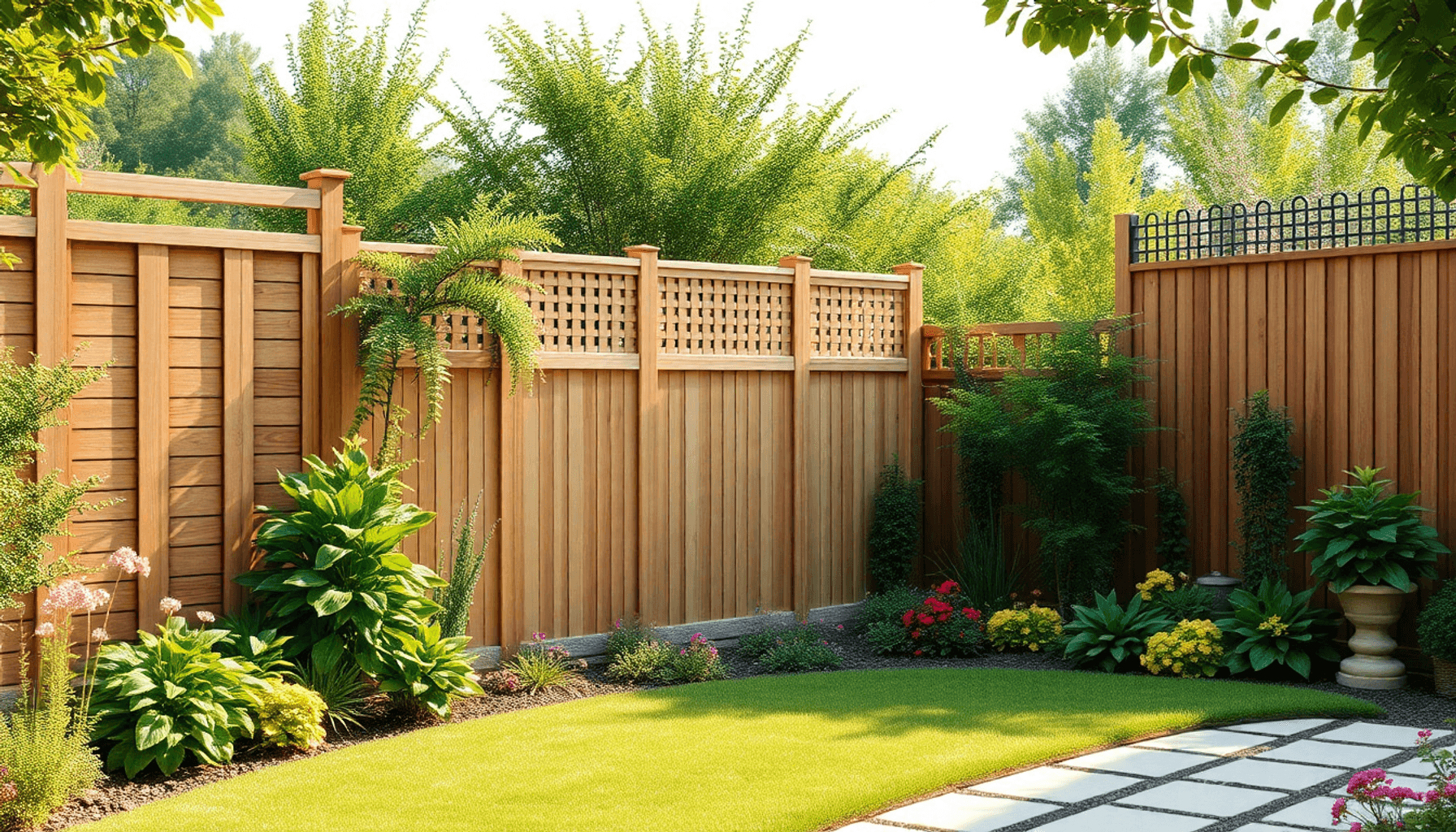

The Importance of Garden Fences in UK Homes
Garden fences play a crucial role in shaping the character and functionality of outdoor spaces in UK homes. When exploring garden fence ideas UK, it's clear that fencing is not just a boundary marker but a key element that enhances the overall appeal and usability of your garden.
Key reasons garden fences matter:
-
Enhancing Aesthetics: A well-chosen fence complements the style of your home and garden. Whether you prefer traditional wooden panels or modern slatted designs, garden fencing styles contribute to creating a cohesive look that elevates curb appeal.
-
Providing Privacy: Privacy remains a top priority for many UK homeowners. Garden fences create secluded areas where you can relax without feeling overlooked. Taller fences or those incorporating trellis panels improve UK garden privacy, allowing enjoyment of outdoor space with confidence.
-
Defining Outdoor Spaces: Fences clearly outline your garden’s boundaries, helping to organize different zones such as play areas, patios, or vegetable patches. This definition transforms gardens into functional extensions of your living space.
Garden fences are more than practical barriers—they reflect personal taste while addressing everyday needs like privacy and security. Choosing the right fence sets the stage for how you experience and enjoy your garden throughout the year.
Popular Garden Fence Materials in the UK
Choosing the right material for your garden fence affects not just the look but also durability, maintenance, and environmental impact. The most common options in the UK include wooden garden fences, composite fencing, and metal fences. Each offers distinct advantages tailored to different needs and styles.
Wooden Garden Fences UK
Wood remains a classic choice thanks to its natural aesthetic that blends seamlessly with outdoor greenery. Wooden garden fences provide warmth and traditional charm that suits many British gardens.
Advantages of Wooden Garden Fences
- Natural look: Wood’s grain and texture add character and authenticity.
- Sustainability: When sourced from responsibly managed forests, timber is a renewable resource.
- Treatment for durability: Untreated wood is vulnerable to rot, insects, and weather damage. Treatments like pressure impregnation or staining protect against moisture and UV rays, extending lifespan.
Regular maintenance such as re-staining or applying preservative treatments keeps wooden fences looking fresh and robust across changing seasons.
Composite Fencing UK
Composite fencing gains popularity as an eco-friendly alternative to traditional wood. It combines recycled wood fibres and plastic polymers to form panels that mimic timber but require less upkeep.
Advantages of Composite Fencing
- Recycled materials: Using post-consumer plastics reduces landfill waste while conserving natural timber resources.
- Insulation properties: Composite panels can provide better thermal insulation, helping reduce noise transmission while softening cold winds.
- Low maintenance: Composite fencing resists fading, warping, and cracking without regular painting or sealing.
The blend of sustainability with durability makes composite fencing ideal for those seeking long-lasting fences with minimal environmental impact.
Metal Fences UK
Metal fences offer a modern edge and superior strength compared to timber or composites. Galvanized steel is the most common metal used due to its resistance to corrosion.
Advantages of Metal Fences
- Galvanized steel construction: A zinc coating prevents rusting even in damp UK climates.
- Protective coatings: Powder coating or paint finishes enhance longevity and allow colour customization.
- Robustness: Metal fences withstand physical impact better than wood or composite panels, making them suitable for security purposes.
They require occasional cleaning to maintain appearance but do not need frequent repainting if properly coated.
Choosing between wooden garden fences UK, composite fencing UK, or metal fences UK depends on your priorities—natural style and warmth, sustainability with low maintenance, or strength combined with modern aesthetics. Each material can suit different garden themes while offering practical benefits tailored to typical British weather conditions.
Garden Fence Styles & Designs
Garden fences in the UK come in a variety of styles and designs, each offering different benefits for light, airflow, privacy, and visual appeal. Choosing between traditional wooden panels, contemporary slatted panels, or trellis panels depends largely on how you want your garden to feel and function.
Solid vs Semi-Solid Fences
Solid fences provide maximum privacy and security by blocking views completely. They create a clear boundary and can help reduce wind exposure.
Semi-solid fences allow some light and airflow through gaps or spaces in the panels. This makes the garden feel more open while still defining the area.
The choice affects the atmosphere of your outdoor space:
- Solid fencing suits gardens where privacy is paramount or noise needs to be reduced.
- Semi-solid options work well when you want a balance of seclusion and connection to the surroundings.
Slatted and Venetian Hit & Miss Panels
Slatted designs have gained popularity for their modern aesthetic and functional benefits. Two common types include:
- Slatted Panels: Vertical or horizontal slats spaced evenly to create semi-transparency. This style lets light filter through while providing partial screening.
- Venetian Hit & Miss Panels: Alternating overlapping slats create a dynamic pattern that visually extends garden space. The clever arrangement offers glimpses beyond the fence while maintaining privacy.
Both styles bring depth and texture to garden boundaries, ideal for contemporary outdoor areas seeking a sleek yet inviting look.
Decorative Trellis Panels
Trellis fencing excels at combining practicality with decoration:
- Supports climbing plants such as clematis, roses, or ivy, turning plain fences into lush green walls.
- Increases vertical height without feeling oppressive, enhancing privacy subtly.
- Adds an elegant lattice pattern that softens harsh lines found in solid fences.
Decorative trellis panels are often used atop traditional wooden panels to add charm and extra screening. They serve both functional and aesthetic roles, making them a versatile choice in garden design.
Selecting from these fence styles allows you to tailor your garden’s appearance and utility—whether you prefer the classic look of traditional wooden panels, the fresh vibe of contemporary slatted panels, or the ornamental touch of trellis panels. Each style shapes how your outdoor space feels, looks, and interacts with natural elements like light and air.
Creative Garden Fence Ideas to Personalize Your Space
Inject personality and style into your garden fences by exploring creative garden fence ideas UK homeowners are embracing. These approaches transform simple boundary markers into standout features that complement your outdoor living environment.
Mixing Materials and Textures
Combining different materials like wood, metal, and composite elements creates a unique visual contrast that adds depth and interest to your fence. For example:
- Wooden panels with metal posts provide a modern-industrial look while maintaining warmth.
- Composite slats framed by natural timber offer durability alongside classic charm.
- Using metal mesh inserts between wooden frames introduces transparency without compromising security.
Layering textures such as smooth composite surfaces against rough-sawn timber or rusted steel accents breaks monotony. This tactile variety can also reflect the mixed planting styles or architectural features around your garden.
For those on a budget, there are inexpensive fence building techniques that can help achieve these creative designs without breaking the bank.
Painted Fence Panels
Painting fence panels is an effective way to tie your fencing into your garden’s colour palette or create thematic zones. Consider these painting strategies:
- Choose soft pastels to match floral arrangements like lavender or roses, enhancing harmony.
- Use bold colours such as navy blue or forest green for a striking backdrop that makes flowers and foliage pop.
- Apply chalkboard paint on select panels for an interactive surface where children can draw or you can jot gardening notes.
- Incorporate ombre effects fading from dark at the base to light at the top for subtle drama.
Paint not only refreshes tired fences but allows you to express creativity aligned with seasonal changes or personal taste.
Integrated Lighting Options
Lighting transforms fences beyond daylight hours, adding ambiance and boosting safety. Popular choices within integrated lighting garden fences include:
- Solar-powered LED strips fitted along horizontal rails, offering eco-friendly illumination without wiring.
- Post cap lights that softly highlight fence corners and entrances.
- Recessed spotlights embedded in panels, accentuating textures or climbing plants at night.
- Motion-sensor fixtures enhancing security while conserving energy when no movement is detected.
These lighting solutions extend outdoor usability, creating inviting spaces for evening gatherings or tranquil relaxation.
Custom Carvings and Artistic Cut-Outs
Personalised details elevate fencing from functional structures to works of art. Ideas include:
- Laser-cut panels featuring nature motifs such as leaves, birds, or abstract geometric patterns.
- Hand-carved wooden inserts reflecting local heritage or family symbols.
- Artistic cut-outs doubling as planters or light filters casting intricate shadows.
Custom designs enable you to imprint individuality onto your garden boundaries, making them memorable focal points rather than mere dividers.
Creative garden fence ideas UK homeowners embrace focus on blending aesthetics with personal expression. Whether through material contrasts, vibrant paintwork, thoughtful lighting, bespoke artwork, or implementing some of these top privacy fence design ideas, these touches set your fence apart while complementing the broader garden design.
Practical Uses of Garden Fences in the UK Backyard
Functional garden fences in the UK do more than just look good. They have practical purposes that make your garden more organised and usable.
Dividing Up Garden Areas
- Hidden storage solutions: Use fences to hide away compost heaps or bin storage areas. This keeps unattractive things out of sight while still allowing easy access.
- Clear boundaries: Define different spaces such as vegetable patches, play areas, or pet enclosures. This helps you manage your space better and keep activities organised.
- Safety barriers: Create secure areas for children or pets by putting up strong fencing around parts of the garden.
Creating Garden Rooms in the UK
- Private spots: Fences can create secluded corners perfect for relaxing, reading, or meditating. These cosy spaces feel like extensions of your indoor living areas.
- Entertaining areas: Set up outdoor dining or seating spaces separated by decorative fencing or trellis panels. This adds structure and a sense of enclosure without making it feel cramped.
- Versatile spaces: Combine screens with planting to create microclimates that shield from wind and noise. These 'garden rooms' enhance comfort and usability throughout the year.
Using functional garden fences in these ways transforms your backyard into a flexible, well-organised space designed to meet your lifestyle needs.
Acoustic and Privacy Enhancing Fencing Options in the UK
Garden fences in the UK not only serve as boundaries but also play a crucial role in noise reduction and privacy enhancement. If you are dealing with busy streets, noisy neighbours, or simply want a more secluded outdoor space, exploring acoustic fencing UK options alongside privacy garden fences UK can transform your garden experience.
Acoustic Fencing Benefits
Acoustic fencing is designed to reduce sound transmission between properties or from external sources such as traffic noise. These fences often incorporate dense timber panels combined with sound-absorbing materials. Despite their technical function, acoustic fences maintain a natural timber aesthetic, blending seamlessly into traditional garden settings without appearing industrial or out of place.
Features of acoustic fencing include:
- Soundproofing layers: Multiple layers within panels absorb and block noise waves.
- Height and density: Taller and thicker panels provide better noise attenuation.
- Weather-resistant timber: Treated wood withstands the wet UK climate, ensuring longevity.
- Customizable finishes: Options to stain or paint allow adaptation to your garden’s style.
Acoustic fencing proves particularly useful for gardens located near main roads, railway lines, or commercial zones where reducing ambient noise improves relaxation and outdoor enjoyment.
Increasing Privacy with Taller Fence Designs
Privacy remains a top priority for many UK homeowners when selecting garden fences. Traditional fence heights are often limited to 1.8 to 2 meters in rear gardens due to planning regulations. However, there are ways to enhance privacy while respecting local rules:
- Tall solid panels: Maximizing permitted height with solid wooden or composite panels effectively blocks sightlines.
- Trellis toppers: Adding decorative trellis extensions above existing fences increases height and privacy without needing full planning permission in some cases.
- Hit & Miss or Venetian styles: Semi-solid designs that balance airflow with visual screening offer privacy while avoiding a closed-in feeling.
- Mixed material fences: Combining wood with metal inserts can create taller structures that appear lighter yet maintain screening effectiveness.
Choosing the right fence height and style depends on your garden layout and neighbour proximity. Taller fences create intimate spaces by preventing overlooking and reducing distractions from outside.
Privacy garden fences UK styles have evolved to address modern living needs — combining functionality with design flexibility.
Selecting acoustic fencing or taller privacy-enhancing options allows you to tailor your outdoor environment for comfort, quietness, and seclusion without sacrificing the natural charm typical of British gardens.
Eco-Friendly and Sustainable Garden Fencing Choices in the UK
Sustainability is becoming a top priority in garden fence choices across the UK. If you're exploring sustainable garden fencing UK options, composite fences made from recycled materials stand out as a practical and environmentally responsible solution.
Composite Fences: Recycled Materials and Benefits
- Recycled Content: Many composite fences incorporate recycled wood fibers and plastic, reducing waste sent to landfills. This approach supports circular economy practices.
- Durability & Low Maintenance: Composite fencing resists rot, warping, and insect damage without toxic chemical treatments. This extends lifespan while limiting environmental impact.
- Eco-Friendly Garden Fence Ideas: Using composite fences means fewer trees are cut down compared to traditional timber fencing, helping conserve natural woodland habitats.
- Thermal Insulation: Composite materials offer better insulation properties than wood alone, helping moderate temperature fluctuations near garden boundaries.
Wooden Fences: Sustainable Treatments for Longevity
Wood remains a popular choice due to its natural aesthetic and renewability when sourced responsibly. To ensure wooden fences last longer in the British climate with minimal environmental harm:
- Natural Oil Treatments: Linseed oil or tung oil penetrate wood fibres to protect against moisture while being biodegradable and less toxic than synthetic chemicals.
- Water-Based Preservatives: These treatments reduce fungal growth and insect damage but avoid harmful volatile organic compounds (VOCs) found in solvent-based options.
- Regular Maintenance: Reapplying protective treatments every few years extends fence life without replacement, reducing resource consumption.
- Certification Matters: Opting for FSC or PEFC-certified timber guarantees wood comes from sustainably managed forests.
Choosing fencing materials thoughtfully contributes significantly to reducing your garden's carbon footprint. Incorporating recycled materials or sustainably treated timber aligns with eco-conscious garden design trends seen throughout Garden Fence Ideas UK.
Maintenance Tips for Long-lasting Garden Fences in the UK Climate
Proper garden fence maintenance UK is essential to keep your fencing looking good and functioning well through the variable British weather. Different materials require specific care routines to extend their lifespan and preserve their appearance. Here's what you need to know about keeping wooden, composite, and metal fences durable.
Wooden Fence Care: Seasonal Treatments Against Weathering
Wooden fences are susceptible to moisture, rot, and UV damage, especially given the UK's frequent rain and seasonal changes. To protect and preserve wooden fences:
- Apply wood preservative annually. Use fungicidal preservatives in early spring before new growth starts to prevent fungal decay and insect attack.
- Stain or paint every 2–3 years. Re-coating with a weather-resistant stain or paint creates a protective barrier against rain and sun damage.
- Inspect for damage regularly. Look for signs of rot, warping, or loose panels after harsh winters or storms, and repair promptly to avoid worsening problems.
- Clear vegetation away. Moss and climbing plants trap moisture against wood surfaces, so trimming these back reduces the risk of decay.
Treating your wooden fence seasonally ensures it can withstand damp winters and strong summer sun without deteriorating prematurely.
Cleaning Composite Fences for Durability
Composite fencing combines wood fibres with plastic polymers, making it low-maintenance but not maintenance-free. Follow these steps to keep composite panels in good condition:
- Wash panels with soapy water using a soft brush or cloth to remove dirt, algae, or mildew.
- Avoid abrasive cleaners or pressure washers, which can damage the surface.
- Rinse thoroughly with clean water to prevent residue buildup.
Cleaning Metal Fences for Durability
Galvanised metal fences benefit from regular cleaning and inspection to maintain their protective coatings and structural integrity:
- Remove dirt and grime using mild detergent mixed with water.
- Inspect for scratches or chips in the galvanised coating and repair with suitable touch-up paint to prevent rust formation.
- Check fasteners and joints periodically, tightening or replacing them as needed.
Regular cleaning prolongs the life of composite and metal fences by preventing grime accumulation that can lead to surface degradation or corrosion.
Additional Durable Garden Fencing Tips for the UK
- Ensure proper drainage around fence posts to avoid water pooling, which accelerates rot or corrosion.
- Apply anti-rust treatments to exposed metal parts even if the fence is galvanised.
- Clear debris such as leaves from the base of all fence types to prevent moisture retention and long-term damage.
Implementing these durable garden fencing tips UK helps your investment endure the local climate while maintaining an attractive garden boundary.
Planning Permission & Regulations for Garden Fences in the UK
When considering a new garden fence, understanding garden fence planning permission UK and fence height regulations UK is essential to avoid legal issues and ensure your fence meets local standards.
Typical Height Restrictions
- Rear and side garden fences usually must not exceed 2 meters (approximately 6.5 feet) in height without planning permission.
- Front garden fences facing a road or public space often have stricter limits, typically capped at 1 meter high.
- These restrictions aim to balance privacy with safety and neighborhood aesthetics.
When Planning Permission Is Required
Planning permission becomes necessary if you want to:
- Install a fence taller than 2 meters in rear or side gardens.
- Add trellis toppers or other extensions that raise the total height above permitted limits.
- Build fences adjacent to highways or footpaths where regulations are tighter due to visibility and safety concerns.
- Erect fencing on protected land, conservation areas, or listed properties where additional rules apply.
Additional Regulatory Considerations
- Local councils may have specific bylaws beyond national guidelines, so checking with your local planning authority is crucial.
- Some fences may require building control approval if they affect structural safety or drainage.
- Neighbour disputes over fencing can sometimes be resolved through mediation services rather than legal action, but proper adherence to planning rules helps prevent conflicts.
Understanding these regulations helps you select a fence design that fits your style while complying with UK legal requirements. This knowledge protects your investment and maintains good relations in your community.
Conclusion
Choosing the right garden fence in the UK is not just about marking boundaries. It’s an opportunity to express your personal style and enhance your outdoor living experience. When exploring the best garden fence ideas UK has to offer, keep these key points in mind:
- Reflect your style: Whether you prefer the warmth of natural wood, the sleekness of metal, or the eco-friendly benefits of composite materials, make sure your fence complements your garden’s theme and character.
- Balance aesthetics and function: Select designs that provide the right level of privacy, light, and airflow for your space. Consider how solid panels differ from slatted or trellis styles in creating atmosphere and usability.
- Respect regulations: Stay within permitted height limits and understand when planning permission is necessary to avoid complications.
- Think long-term: Opt for materials and treatments suited to the UK climate to ensure durability without excessive maintenance.
A thoughtfully chosen garden fence transforms your outdoor area into a welcoming retreat while defining space with purpose.
Explore various styles, experiment with creative touches like paint or integrated lighting, and tailor your fencing to support both practical needs and design goals. This approach guarantees a satisfying investment that elevates your garden’s appeal year-round.
Embrace these guidelines when considering Garden Fence Ideas UK offers—your perfect fence awaits, blending beauty with function in harmony with British gardens.
FAQs (Frequently Asked Questions)
Why are garden fences important for UK homes?
Garden fences in UK homes enhance aesthetics, provide privacy, and help define outdoor spaces, making gardens more functional and visually appealing.
What are the popular garden fence materials used in the UK?
Common garden fence materials in the UK include wooden fences known for their natural look and sustainability, composite fencing made from recycled materials offering eco-friendly benefits and insulation properties, and metal fences like galvanized steel that provide durability with protective coatings.
Which garden fence styles and designs are popular in the UK?
Popular styles include traditional wooden panels, contemporary slatted panels, and decorative trellis panels. Choices between solid or semi-solid fences affect light and airflow, while slatted and Venetian Hit & Miss panels add visual interest and can extend space. Trellis panels also support climbing plants to increase privacy.
How can I personalize my garden fence creatively in the UK?
Creative ideas include mixing materials such as wood, metal, and composite for unique textures; painting fence panels to complement planting schemes or themes; integrating solar or other lighting options for ambiance and safety; and adding custom carvings or artistic cut-outs for personalized touches.
What functional uses do garden fences serve in UK backyards?
Garden fences can partition areas discreetly, such as compost heaps or bin storage, create secluded nooks or 'garden rooms' for relaxation or entertaining, thereby enhancing both organization and usability of outdoor spaces.
Are there regulations or planning permissions required for garden fences in the UK?
Typically, rear garden fences should be under 2 meters tall to avoid planning permission requirements. However, adding features like trellis toppers may require permission. It's important to check local regulations before installation to ensure compliance.