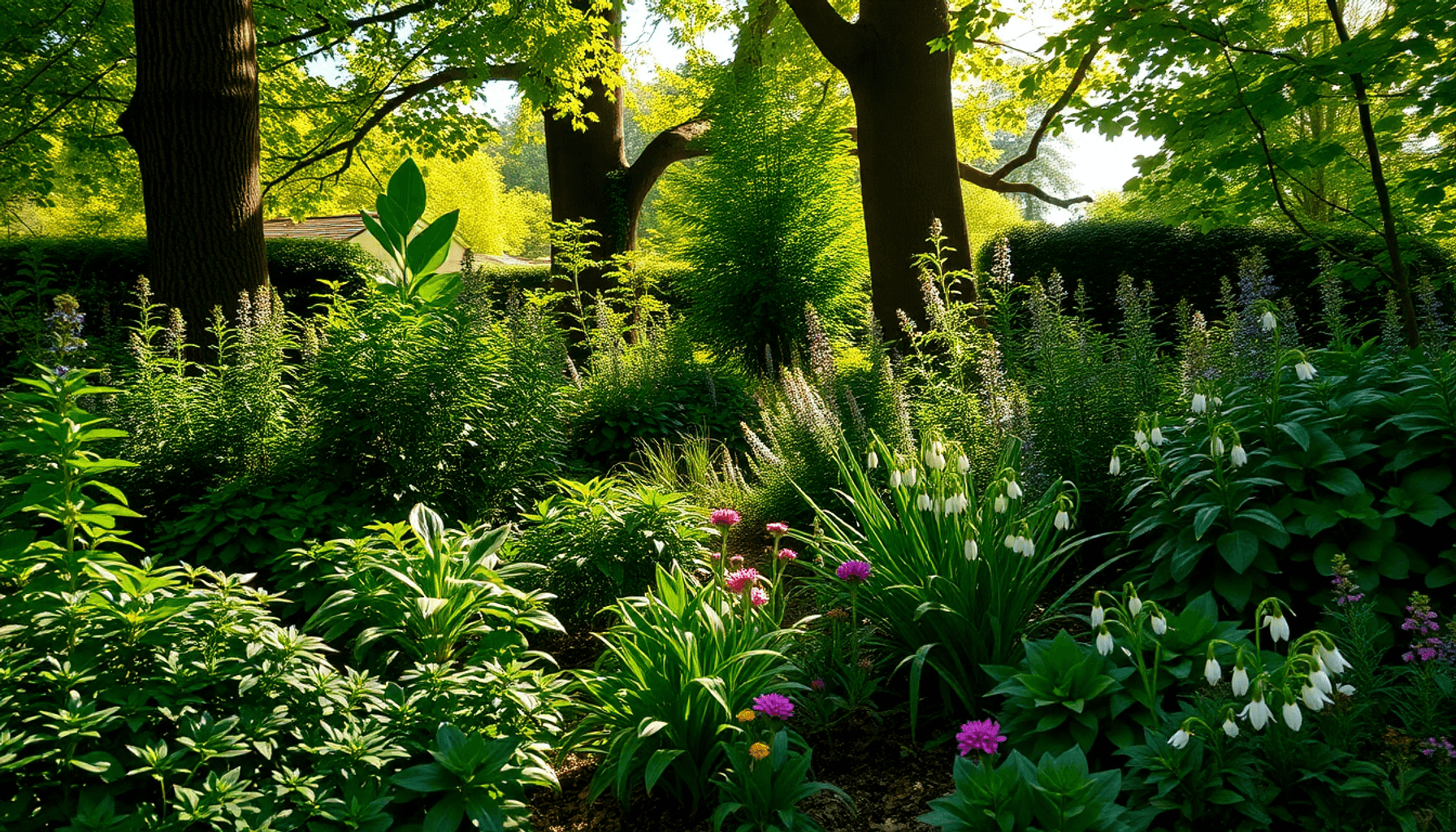

Creating a thriving garden in shady parts of the UK can seem daunting. Many gardeners face UK garden shade challenges such as lack of sunlight, uneven soil moisture, and limited plant choices. These conditions often lead to underused or uninviting areas commonly referred to as dark spots in gardens.
This article explores Shady Garden Ideas UK: Plants and Designs for Dark Spots that transform these tricky spaces into beautiful and functional outdoor retreats. You will discover how the right plants can flourish even in low light, along with design strategies that enhance shade without sacrificing style or usability.
These insights help you embrace shaded areas as opportunities, not obstacles. With thoughtful planting and creative design, shady spots can become some of the most attractive features of your garden.
Understanding Shade Types in UK Gardens
Shade in UK gardens varies widely depending on location, surrounding structures, trees, and garden orientation. Recognising the different types of shade UK gardens experience helps you choose plants and designs that thrive under specific light conditions.
Categories of Shade
1. Light Shade
Areas that receive some direct sunlight but are shaded for most of the day. This type often occurs beside buildings or under sparse tree canopies. Plants here benefit from occasional sun, which supports moderate growth and flowering.
2. Partial/Semi-Shade
Spots with intermittent sunlight, usually a few hours daily or dappled light filtered through leaves. This shade type suits many perennials and shrubs that require some sun but are sensitive to full exposure.
3. Dappled Shade
Created by light filtering through deciduous tree branches, producing a pattern of light and shadow. It offers an ideal environment for woodland plants that need protection from harsh midday sun but still require occasional brightness.
4. Moderate Shade
These areas have limited direct sunlight, often shaded by taller trees or buildings for most of the day. Plants adapted to moderate shade display slower growth rates and may need moisture-retentive soils to compensate for less photosynthesis.
5. Deep/Heavy Shade
Characterised by very little to no direct sunlight, typically found beneath dense evergreen trees or close to north-facing walls. Only highly shade-tolerant species survive here, often with adaptations like larger leaves or evergreen foliage to maximise light capture.
Impact of Shade on Plant Growth and Garden Design
Shade influences:
- Photosynthesis Efficiency: Plants in deeper shade produce less energy, so they grow slower and may flower less frequently.
- Leaf Structure: Shade-tolerant plants tend to have larger, thinner leaves with more chlorophyll to absorb available light.
- Soil Moisture Levels: Shaded areas often retain more moisture due to reduced evaporation, affecting root health and fungal risks.
- Microclimate Creation: Shade modifies temperature extremes, protecting plants from heat stress but possibly increasing humidity-related issues.
Design choices must consider:
- Selecting species suited to the specific shade category ensures healthier growth.
- Grouping plants by their light needs prevents competition in low-light zones.
- Incorporating reflective surfaces or light-toned foliage can brighten darker spots.
- Planning pathways and seating areas in lighter shade zones enhances usability and comfort.
Understanding these distinct shade types equips you with knowledge critical for crafting gardens that flourish regardless of light availability. Matching plant characteristics with the right level of shade transforms challenging spots into vibrant green spaces full of life.
Soil and Moisture Considerations for Shady Spots
Shady garden soil in the UK has its own moisture dynamics that affect plant health and growth. Shade often reduces evaporation rates, which means soil can stay damp for longer periods compared to sunny areas. However, this isn't always the case—some shady spots may have dry soil, especially beneath trees with extensive root systems or where drainage is poor.
Typical Soil Moisture Conditions in Shaded Areas
- Damp shade: Common under deciduous trees or north-facing walls where moisture lingers. Soils here tend to be cool and retain water, creating ideal conditions for moisture-loving plants such as ferns and certain bulbs.
- Dry shade: Found beneath dense evergreens or in areas with compacted soil and limited rainfall penetration. Plants growing here must tolerate less available moisture and often require well-drained soils to avoid root rot.
Knowing whether your shady spot tends toward dampness or dryness helps narrow down plant choices significantly. For example, wood spurge (Euphorbia amygdaloides) thrives in dry shade due to its drought tolerance, while snowdrops (Galanthus nivalis) prefer moist soils that hold consistent moisture through winter and early spring.
Improving Shady Garden Soil UK
Enhancing soil quality improves moisture retention in shade, supports root development, and encourages healthy plant growth. Introducing organic matter is essential:
- Compost: Adds nutrients and improves soil structure by increasing aeration in heavy soils or boosting water-holding capacity in sandy soils.
- Leaf mould: Particularly valuable in shady gardens, leaf mould enriches the soil with humus, promotes beneficial microbial activity, and enhances moisture retention without waterlogging.
Regularly incorporating these materials into shaded beds creates a balanced environment that can handle fluctuating moisture levels. Mulching with organic layers also helps regulate temperature extremes and maintain steady soil humidity.
Drainage Considerations
Despite the tendency of shaded soils to stay moist longer, good drainage remains critical. Waterlogged roots encourage fungal diseases common in shady conditions. You can improve drainage by:
- Avoiding soil compaction through minimal walking on beds
- Adding grit or horticultural sand when preparing planting holes
- Creating raised beds if water pooling is persistent
Matching the right plants to your garden’s specific moist or dry shady soil will reduce maintenance challenges. Plants adapted to these conditions perform better without excessive watering or intervention.
Shady garden soil management focuses on balancing moisture availability with root health—key factors in designing a successful shady garden space that maintains vitality even with limited sunlight.
Selecting Plants for Different Levels of Shade
1. Evergreen and Foliage Plants for Full Shade
In shady gardens UK, evergreen plants that tolerate full shade are essential for providing year-round structure and interest. These plants maintain greenery even in the darkest corners, creating a lush backdrop when flowering is limited by low light conditions.
Stinking iris (Iris foetidissima)
A remarkable choice among evergreen plants full shade UK, Stinking iris offers glossy, dark green leaves that persist throughout winter. It produces unusual purple-green flowers that mature into vivid orange-red seeds, adding seasonal colour contrast. This plant thrives in deep shade and tolerates dry or damp soils, making it highly adaptable for challenging shady spots.
Wood spurge (Euphorbia amygdaloides)
Wood spurge suits dry shady areas where many plants struggle to survive. Its lime-green flowers appear in spring, contrasting with the rich dark green foliage that remains attractive all year. This species is robust and forms dense clumps, ideal for groundcover under trees or against north-facing walls where sunlight is minimal.
Both these shade tolerant plants excel in forming the foundation of a shady garden’s planting scheme. Their evergreen nature ensures the garden does not look barren during darker months while offering subtle floral interest without requiring direct sunlight.
Choosing evergreens like these helps balance the garden’s texture and colour palette, essential components when working with limited light environments typical in UK gardens shaded by mature trees or built structures.
2. Early Flowering Bulbs for Damp Shady Soils
Damp shady soils in UK gardens create ideal conditions for a selection of early flowering bulbs that bring life and colour at the very start of the growing season. These shade tolerant plants are perfect for planting beneath deciduous trees or in woodland-style shady spots where moisture is retained longer into spring.
Key bulbs to consider include:
- Snowdrops (Galanthus nivalis): Snowdrops are classic plants for shady gardens UK-wide. Their delicate white flowers emerge in late winter or early spring, often pushing through leaf litter and cold soil. They naturalise well in damp shade and require minimal care beyond planting in well-drained but moist soils. Snowdrop care UK mainly involves allowing foliage to die back naturally so bulbs can store energy for the following year.
- Winter Aconite (Eranthis hyemalis): Winter aconite produces bright yellow, buttercup-like flowers that brighten gloomy corners. They thrive in humus-rich, moist soil commonly found under trees or shrubs with dappled light. Their early bloom time complements snowdrops, extending interest in shaded beds.
These bulbs have several benefits for shady garden designs:
- Early Spring Colour: They provide bursts of fresh colour when most other plants remain dormant, creating visual impact in dark spots.
- Shade Adaptability: Suited to moderate and deep shade levels where light is limited but moisture is sufficient.
- Naturalising Ability: Both snowdrops and winter aconites spread gradually, filling gaps and forming attractive drifts without aggressive spreading.
- Low Maintenance: Once established, these bulbs require little intervention, fitting well with naturalistic planting schemes.
Incorporating early flowering bulbs alongside evergreen plants full shade UK helps create layered interest throughout seasons. Their presence complements perennials, groundcovers, and climbers adapted to different degrees of shade, enhancing visual diversity while working with the garden’s microclimate rather than against it.
Selecting bulbs specifically suited to damp shady soils ensures success where many sun-loving varieties would struggle or fail. This approach aligns with practical Shady Garden Ideas UK: Plants and Designs for Dark Spots that focus on matching plant traits to site conditions for thriving results.
3. Flowering Perennials for Partial to Dappled Shade
Partial to dappled shade areas in UK gardens offer an excellent environment for a variety of flowering perennials that bring both colour and texture to darker spots. These shade tolerant plants adapt well to fluctuating light conditions, making them ideal choices for creating vibrant shady garden spaces.
Key perennials suited for these conditions include:
- Bellflower (Campanula spp.): Bellflowers are versatile plants that perform exceptionally in partial shade UK gardens. Their bell-shaped blooms vary in shades of blue, purple, and white, adding delicate charm throughout the summer months. Bellflowers provide vertical interest and fill in gaps with graceful foliage, making them a popular choice for shaded borders.
- Foxglove (Digitalis purpurea): Foxgloves thrive in semi-shade environments and produce tall spires covered in tubular flowers ranging from soft pinks to deep purples. These biennials or short-lived perennials attract pollinators and introduce height variation within the shady garden design. Their natural woodland look complements the serene atmosphere of shaded spots.
- Bleeding Heart (Lamprocapnos spectabilis): Known for its distinctive heart-shaped flowers hanging delicately from arching stems, bleeding heart adds romantic appeal to shady garden corners. It prefers moist, well-drained soils typical of dappled shade beneath trees or shrubs. The soft pink or white blossoms contrast beautifully against lush green foliage.
- Lungwort (Pulmonaria spp.): Lungwort is prized for its spotted leaves and early spring flowers in hues of blue, pink, or white. It favors cool, damp shade and performs well as a groundcover or border plant. This perennial’s long flowering period provides continuous interest and supports biodiversity by attracting bees and butterflies early in the season.
- Siberian Bugloss (Brunnera macrophylla): Ideal for shaded beds, Siberian bugloss features large heart-shaped leaves often marked with silver variegation that brightens dark corners. Its tiny forget-me-not-like blue flowers bloom in spring, creating a gentle splash of colour against evergreen plants full shade UK gardeners appreciate for year-round greenery.
These plants suit different soil moisture levels commonly found under trees or alongside buildings where light is limited but not absent. Their adaptability allows you to layer textures—from airy foxglove spires to dense lungwort patches—creating depth and dimension within your shady garden design.
Selecting flowering perennials like these enhances the visual appeal of shaded areas while supporting healthy garden ecosystems through pollinator attraction. Integrating them with groundcovers, bulbs, and climbers ensures dynamic seasonal interest without compromising on shade tolerance.
The combination of these perennials with appropriate soil preparation discussed earlier boosts growth success rates in challenging shady spots found across many UK gardens. You can craft a lush, inviting space that celebrates shade rather than battles it—a core principle underpinning effective Shady Garden Ideas UK: Plants and Designs for Dark Spots.
4. Climbers and Groundcovers for Shade
Shady garden areas in the UK benefit greatly from the inclusion of climbers and groundcovers, which serve both aesthetic and practical purposes. These plants adapt to varying degrees of shade and help transform dark corners into lush, inviting spaces.
Climbers
Climbers are plants that grow upwards by attaching themselves to structures or other plants. They can add vertical interest to your garden while also providing coverage for unsightly areas.
Here are some climbers that thrive in shady conditions:
- English ivy (Hedera helix): This vigorous evergreen climbing plant is well-suited to full shade conditions in the UK. It thrives even on north-facing walls or beneath dense tree canopies, creating rich green backdrops that enhance other plants’ colours.
- Clematis: Varieties of clematis adapted to partial shade can still produce beautiful flowers even with limited sunlight.
- Hydrangea petiolaris: This climbing hydrangea offers seasonal flowers while tolerating lower light levels.
Groundcovers
Groundcover plants are low-growing species that spread horizontally across the ground. They serve multiple purposes such as suppressing weeds, preventing soil erosion, and adding visual interest to shaded areas.
Here are some groundcovers suitable for shady gardens:
- Creeping thyme (Thymus serpyllum): This hardy herb manages well in light shade and introduces small, aromatic leaves along with summer flowers—an added bonus of attracting pollinators.
- Sedum: Various species of sedum are excellent choices for drier shady spots; their succulent foliage stores moisture making them drought tolerant while still thriving under tree canopies.
- Lamium: With its silver-marked leaves and delicate flowers, lamium makes a lovely groundcover option for partial shade.
- Vinca minor: Lesser periwinkle spreads quickly over shaded soil surfaces with its glossy green leaves and purple blooms.
Incorporating these climbers and groundcovers complements the range of perennials and bulbs already selected for your shady garden. They enhance both vertical and horizontal layers of planting, creating depth and interest without requiring direct sunlight.
Using a combination of evergreen plants full shade UK varieties alongside shade tolerant groundcovers ensures year-round greenery while keeping maintenance manageable. These strategies underpin successful Shady Garden Ideas UK: Plants and Designs for Dark Spots that transform challenging shady spaces into thriving garden features.
Design Strategies to Brighten Up Shady Areas
Creating a vibrant and inviting garden in low-light conditions requires thoughtful design. Shady garden design ideas UK focus on enhancing natural light and introducing visual brightness without disturbing the calm atmosphere that shade provides.
Key techniques for brightening shady spots:
-
Light-reflecting materials
Surfaces like pale gravel, white-painted fences, or reflective garden ornaments bounce available light around darker corners. These materials increase brightness by scattering sunlight that filters through trees or buildings. Consider using light-coloured paving stones or incorporating mirrors subtly to amplify this effect. -
Pale foliage plants
Foliage in soft shades such as silvery grey, blue-green, or variegated cream brings luminosity where blooms may be scarce. Plants like hostas with variegated leaves or ornamental grasses with silver tones brighten shadows and add texture without overwhelming subtler hues. -
Pastel flowers for gentle colour
Soft pinks, lavenders, pale blues, and whites stand out in shaded areas without clashing with the muted environment. Flowers such as hellebores, astilbes, and certain cyclamen species provide seasonal colour highlights while preserving tranquility. -
Strategic placement
Position brighter plants and materials near pathways or seating areas to create focal points that draw the eye into the space. Use layering—placing taller pale-leafed shrubs behind lower pastel-flowered perennials—to build depth and keep the garden visually engaging from different angles. -
Textural contrast
Combine broad-leaf plants with fine-textured foliage to maintain interest. For example, pairing ferns’ delicate fronds with glossy leaves of evergreen shrubs reflects light differently across surfaces, preventing dullness even in deep shade. -
Use of containers
Pots painted in white or soft colours can be moved to optimise light exposure. Containers also allow you to introduce plants requiring slightly different conditions than those in-ground, expanding your options for brightening dark spots.
These strategies transform shaded gardens into lively spaces that feel open and refreshing rather than gloomy. Balancing brightness with shade-friendly plant selections ensures a harmonious garden environment that invites spending time outdoors despite limited sunlight.
Creating Functional Spaces in Shady Gardens
Designing a child friendly shady garden UK requires careful thought to balance safety, usability, and aesthetics. Dark spots often feel less inviting, but with the right approach, they can become cherished play or relaxation areas that complement the rest of your garden.
Safety and Accessibility for Children
- Soft surfaces: Shade can keep soil damp and cool, making it ideal for soft ground covers like moss or shade-tolerant grasses that cushion falls better than hard paving.
- Non-toxic plants: Select plants that are safe if touched or sampled by young children. Avoid toxic species and opt for familiar, harmless varieties like hardy ferns or hellebores.
- Clear sightlines: Keep pathways wide and unobstructed. Use low-growing shrubs or groundcovers near seating areas so adults can easily supervise children at play.
- Shade structures: Incorporate pergolas with climbing plants such as clematis or honeysuckle to create sheltered zones that protect from rain and harsh sun while adding charm.
Stylish Functionality Without Sacrifices
Shady areas often have limited options due to light restrictions but can still be styled beautifully:
- Layered planting breaks up the space visually without overcrowding. Combine tall shade-loving perennials with medium shrubs and low groundcovers to add dimension.
- Containers and raised beds allow you to grow plants suited to partial light while controlling soil quality—a practical solution where poor soil conditions exist.
- Seating corners nestled among foliage invite quiet moments or reading nooks. Choose weather-resistant furniture in pale tones to brighten the space.
Privacy Through Strategic Planting
Privacy is a common concern in UK gardens, especially smaller urban plots with neighbours close by:
- Use evergreen climbers like English ivy or evergreen honeysuckle on trellises to form green screens that block views without heavy fencing.
- Plant dense shrubs such as wood spurge or laurel along boundaries for year-round coverage.
- Layering plants of varying heights creates a natural barrier while maintaining an open feel inside the garden.
Seamless Transitions Between Zones
A shady garden often adjoins sunnier parts; smooth transitions help unify the entire space:
- Gradually shift plant choices from shade-tolerant varieties at one end to sun-loving species nearby.
- Incorporate shared elements like gravel paths, stepping stones, or matching pots across zones for visual continuity.
- Use colour themes—soft greens and pastels in shaded areas flowing into brighter hues where light increases—to guide movement through the garden naturally.
Creating functional spaces within shady gardens transforms them from neglected corners into lively extensions of your home. Child friendly shady garden UK ideas combine safety, style, and privacy while making every part of your outdoor space useful and attractive. This approach turns dark spots into opportunities for connection with nature no matter how limited the sunlight may be.
Conclusion
Shady garden areas in the UK offer unique opportunities for creativity and thoughtful design. The key to successful shady gardens UK lies in understanding the specific shade conditions of your space and selecting plants that not only survive but flourish in low-light environments.
Embracing shade means:
- Recognising different types of shade—from light to deep—and tailoring plant choices accordingly.
- Improving soil conditions through organic matter to support healthy root systems.
- Choosing a mix of evergreens, flowering perennials, bulbs, climbers, and groundcovers suited for darker spots.
- Incorporating design elements that brighten and enliven shadowed corners without disrupting the garden’s calm atmosphere.
- Creating functional spaces that balance aesthetics with usability, ensuring shaded areas are both inviting and practical.
Shady Garden Ideas UK: Plants and Designs for Dark Spots encourages you to rethink what a shaded garden can be. Instead of seeing shade as a limitation, consider it an invitation to explore diverse textures, subtle colours, and layered planting schemes that bring depth and interest to your outdoor space.
“Shade challenges can be transformed into beautiful opportunities with the right knowledge and approach.”
Your shaded garden can become a peaceful retreat or a vibrant haven full of life—just by embracing shade’s potential through informed choices and inspired design.
FAQs (Frequently Asked Questions)
What are the different types of shade commonly found in UK gardens and how do they affect plant growth?
UK gardens experience various shade categories including light shade, partial or semi-shade, dappled shade, moderate shade, and deep or heavy shade. Each type affects plant growth differently; for instance, full or deep shade limits sunlight requiring shade-tolerant plants, while light or dappled shade allows a wider variety of plants to thrive. Understanding these types helps in selecting appropriate plants and designing a successful shady garden.
How can soil and moisture conditions in shady spots impact plant selection in UK gardens?
Shady areas often have unique soil moisture conditions ranging from dry to damp. These conditions influence which plants will thrive; for example, some plants prefer moist shaded soils while others tolerate drier shady spots. Improving shady soil with organic matter such as compost and leaf mould enhances drainage or moisture retention, thereby expanding plant choices and promoting healthier growth.
Which evergreen plants are suitable for full shade in UK gardens?
Evergreen plants like Stinking iris (Iris foetidissima), known for its purple-green flowers, and Wood spurge (Euphorbia amygdaloides), which thrives in dry shady spots with lime-green flowers and dark leaves, are excellent choices for full shade areas in UK gardens. These plants provide year-round structure and color even in the darkest corners.
What early flowering bulbs work well in damp shady soils of UK gardens?
Early flowering bulbs such as snowdrops (Galanthus nivalis) and winter aconite (Eranthis hyemalis) are ideal for damp shaded soils. They add valuable early spring interest by blooming when few other plants do, brightening up darker garden spots with their delicate flowers.
Which flowering perennials thrive in partial to dappled shade within UK gardens?
Flowering perennials like bellflower (Campanula spp.), foxglove (Digitalis purpurea), bleeding heart (Lamprocapnos spectabilis), lungwort (Pulmonaria spp.), and Siberian bugloss (Brunnera macrophylla) flourish in semi or dappled shade. These plants contribute vibrant color and varied textures to shady garden areas.
What design strategies can brighten up shady areas in UK gardens?
To brighten shady garden corners, use light-reflecting materials alongside pale foliage or pastel flowers strategically placed throughout the design scheme. Such elements enhance light perception while maintaining tranquility and aesthetic appeal. Incorporating vigorous climbers like English ivy and groundcovers such as creeping thyme also adds greenery that enlivens shaded spaces effectively.