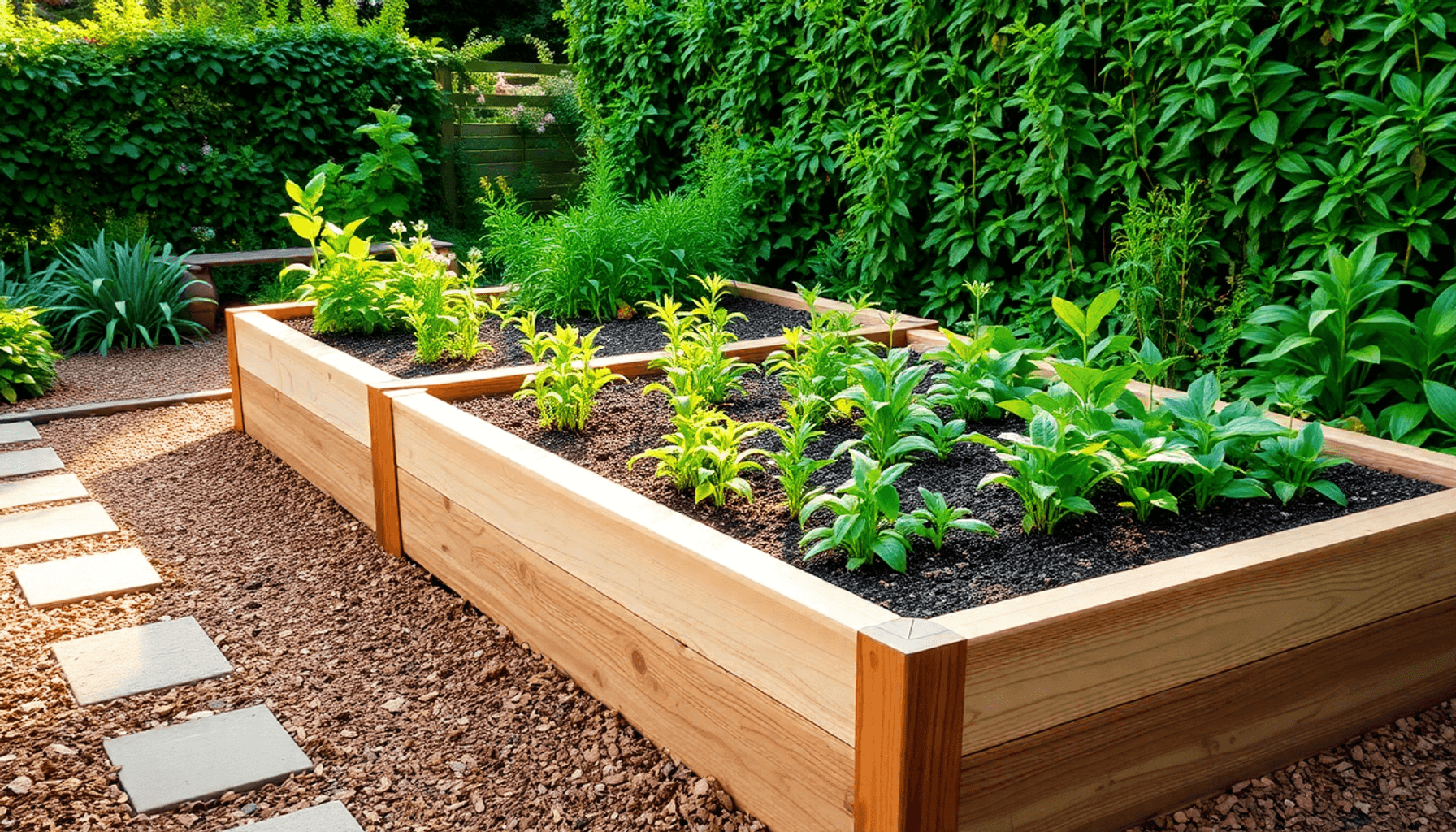

Raised bed gardening has become increasingly popular across the UK, offering gardeners a practical and efficient way to grow vegetables, herbs, and flowers. This method involves creating contained garden beds above ground level, allowing for improved control over soil quality and structure. Many UK gardeners turn to raised beds to overcome common challenges such as poor native soil, limited space, or physical strain during gardening.
Key benefits of raised bed gardening in the UK include:
- Soil Control: Raised beds enable you to tailor the soil mix precisely, improving fertility and drainage compared to traditional in-ground beds.
- Space Optimization: Compact designs allow you to maximize growing areas even in small urban gardens or patios.
- Ease of Gardening: Elevated beds reduce bending and kneeling, making planting, weeding, and harvesting more comfortable.
This article focuses on Raised Bed Ideas UK: Designs, Materials and Layouts tailored specifically for UK garden conditions. You will explore a range of design concepts suited for different garden sizes and styles. Material choices are examined with attention to durability, aesthetics, and environmental impact appropriate for the UK climate. Practical layout strategies are outlined to help you create productive and attractive raised bed gardens that fit your space and gardening goals.
Whether you are a beginner or an experienced gardener looking to refresh your garden design UK style, this guide provides actionable insights and inspiration to build effective raised beds that thrive in British gardens.
Benefits of Raised Bed Gardening in the UK
Raised beds bring distinct advantages that make them a popular choice across UK gardens. Understanding these benefits helps you make informed decisions about incorporating raised beds into your gardening routine.
Improved Soil Quality Management and Drainage
You gain precise control over soil composition when using raised beds. Unlike traditional in-ground planting, you can fill beds with high-quality topsoil or organic compost tailored to the needs of your crops. This is especially important in UK gardens where native soil might be heavy clay or poorly draining.
- Enhanced drainage reduces waterlogging risks common in wetter UK climates.
- You can avoid compaction by limiting foot traffic on the planting area.
- Soil amendments are easier to incorporate and maintain over time.
Enhanced Growing Conditions Including Quicker Warming of Soil
Raised beds typically warm up faster in spring than surrounding ground-level soil. The elevation and improved drainage contribute to this effect, giving your plants a head start on growth cycles.
- Earlier soil warming means earlier sowing possibilities.
- Heat-retaining materials like timber amplify this warming effect.
- Extended growing seasons increase productivity for many vegetables and herbs.
Easier Access Reducing Strain from Bending and Kneeling
Gardening often involves repetitive bending and kneeling, which can cause discomfort or strain, especially if you have mobility issues.
- Raised beds allow you to garden at a more comfortable height.
- Typical bed heights range from 20cm up to 60cm or more depending on preference.
- Beds narrow enough (around 1.2 meters wide) enable easy reach across without stepping onto soil, preserving soil structure.
Pest Management Benefits and Challenges Specific to Raised Beds
Raised beds offer some pest deterrent advantages but present unique challenges too.
- Elevated edges can help deter crawling pests such as slugs and snails when combined with barriers or traps.
- Better airflow around plants reduces fungal issues common in damp UK weather.
- However, raised beds can create hiding spots for woodlice or other beneficial detritivores if not regularly maintained.
- Carrot fly populations may be reduced because raised beds are less accessible than flat ground plots.
Managing these factors effectively requires vigilance and integrated pest management strategies suited for the raised bed environment.
Raised bed gardening delivers significant benefits of raised beds that align well with UK gardening challenges—improving soil quality control, enhancing growing conditions, easing physical effort, and supporting pest management efforts within compact garden spaces. This foundation supports thoughtful selection of materials and designs tailored specifically for local conditions.
Materials for Raised Beds: Options and Considerations
Selecting the right raised bed materials UK depends on factors like durability, aesthetics, environmental impact, and budget. Each material offers unique benefits and challenges tailored to typical UK garden conditions.
Natural Stone and Brick Materials
- Reclaimed bricks: Known for their durability and classic charm, reclaimed bricks suit traditional UK gardens perfectly. They age well and provide solid structure for raised beds, retaining warmth to encourage early growth. Their weathered look blends naturally with garden surroundings.
- Natural rocks: Stones come in various shapes and sizes, offering flexibility in design. They are sturdy and virtually maintenance-free once installed. The irregular forms allow for creative layouts that can double as informal seating or decorative elements. Local availability often reduces cost and environmental footprint.
Wood Options for Raised Beds
- Cedar and redwood timber: These woods resist rot naturally, making them ideal in damp UK climates. Their longevity can span many years without chemical treatments, appealing to gardeners seeking eco-friendly options. Cedar’s pleasant aroma is an added bonus.
- Untreated wood: Affordable and easy to work with, untreated softwoods are popular for DIY timber raised beds. However, they tend to have a shorter lifespan due to susceptibility to moisture and insect damage. Regular maintenance such as sealing can extend usability but adds ongoing effort.
- Pressure-treated lumber: Modern treatments make pressure-treated timber safer than older versions once used extensively with harmful chemicals like CCA (chromated copper arsenate). Newer formulations are less toxic while offering improved rot resistance. Verify product specifications before purchase to ensure suitability for edible gardens.
Alternative Material Choices
- Metal garden beds: Steel or galvanized metal beds offer a modern aesthetic combined with exceptional durability. They resist pests like slugs better than wood and do not rot. Heat retention properties make them suitable for early-season planting. Some metals may warm soil faster but could also risk overheating in strong summer sun if not shaded or insulated properly.
- Concrete blocks and poured concrete: Economical options providing permanence without much upkeep. Concrete can be arranged quickly into any shape or size desired, allowing customization of raised bed layouts. These materials absorb heat slowly but retain it well overnight, benefiting root development.
Materials to Avoid
- Old tires: Despite being readily available and easy to stack, old tires degrade over time releasing toxins harmful to soil health and plants. This makes them unsuitable for raised beds intended for food cultivation or ecological gardening.
Mounded Beds (No Frame) Approach
Building raised beds by simply piling soil without frames is the most cost-effective method. It eliminates concerns about material deterioration or chemical leaching entirely. However, mounded beds may require more frequent replenishment of soil due to erosion or compaction and lack crisp edges seen in framed designs.
Choosing from these materials allows you to balance functionality, budget, and garden style. Timber raised beds remain popular across the UK for their warmth and ease of assembly, while stone raised beds add timeless sturdiness suitable for long-term installations. Metal garden beds appeal where durability meets contemporary design preferences. Each option supports healthy plant growth when matched appropriately with your specific gardening goals and site conditions.
Designing Raised Beds for UK Gardens
Creating an effective raised bed design UK involves balancing accessibility, productivity, and garden aesthetics. The layout you choose can significantly influence your gardening experience, making tasks easier while optimizing space.
Optimal Dimensions for Accessibility and Productivity
When planning your garden bed layout, consider these key measurements to reduce strain and maximize efficiency:
- Height: Typical raised beds range from 30 cm (12 inches) to 60 cm (24 inches) tall. Beds at the higher end of this spectrum are ideal for ergonomic garden beds UK as they reduce bending and kneeling, which is especially beneficial for gardeners with limited mobility or back issues.
- Width: An ideal width is around 1.2 meters (4 feet), allowing you to reach the centre comfortably from either side without stepping on the soil. Stepping on raised beds compacts soil, hindering root growth and drainage.
- Length: Length can vary depending on available space, but overly long beds may require stepping into the bed or using tools to reach distant plants.
Pathways Between Beds
Allowing enough space between raised beds is crucial for mobility and maintenance. Pathways should be between 400 mm (16 inches) and 600 mm (24 inches) wide. Narrower paths limit access, while wider ones accommodate wheelbarrows and gardening equipment comfortably.
Edging Options
- Metal Edging: Offers a clean, straight edge that holds pathways firmly in place. It is durable and low maintenance but can be more expensive initially.
- Wicker or Willow Edging: Perfect for curved bed layouts, adding a rustic charm common in many UK gardens. These materials require more upkeep but enhance visual appeal.
Path Covering Materials
Choosing the right path covering helps suppress weeds, improves drainage, and reduces maintenance effort. Cardboard or landscape fabric placed beneath mulch layers effectively blocks weed growth while allowing water penetration. Grass paths are easy to establish but need regular mowing and edging to avoid encroachment onto raised beds.
Mulch Types
- Bark Mulch: A long-lasting organic option providing good weed suppression.
- Straw: Lightweight and biodegradable; refresh annually for best results.
- Gravel: Provides excellent drainage but may heat up pathways during summer months.
Your choice of path material should reflect both practical needs and garden style preferences.
This approach to designing raised beds ensures that your garden remains productive without sacrificing comfort or style — a key goal in any set of Raised Bed Ideas UK: Designs, Materials and Layouts. Careful attention to dimensions, pathway access, and edging materials supports efficient gardening practices suited to the UK's climate and space constraints.
Soil Filling and Composting Practices for Raised Beds
Choosing the right soil and compost is critical for the success of your raised bed garden. The quality of the growing medium directly influences plant health, yield, and ease of maintenance.
High-Quality Topsoil for Raised Beds UK
- Use a well-draining topsoil blend rich in organic matter to support root development and moisture retention.
- Avoid heavy clay or sandy soils alone; instead, opt for a balanced mix that ensures both aeration and nutrient availability.
- Sourcing local topsoil helps maintain natural soil biodiversity and reduces transportation impact.
Peat-Free Compost UK: Environmental Responsibility
- Peat extraction damages delicate ecosystems and releases stored carbon, so peat-free compost alternatives are preferred in UK gardening.
- Many UK garden centres now stock peat-free blends made from bark, green waste, coir, or composted wood fibre. These provide excellent nutrient content without environmental harm.
- Choosing peat-free compost supports sustainable gardening practices and aligns with UK government initiatives aimed at reducing peat use.
No-Dig Gardening Methods UK
"No-dig" techniques emphasize building soil fertility by layering organic matter on top rather than turning or digging the soil.
- This approach preserves soil structure, encourages beneficial microorganisms, and minimizes weed disturbance.
- Start by laying a thick layer (5–10 cm) of well-decomposed compost or organic mulch directly onto the raised bed surface each season.
- Over time, nutrients seep downward naturally, enriching the root zone without mechanical disruption.
- No-dig gardening reduces labour while improving moisture retention—important factors given the UK's variable climate.
Using these practices in combination yields a fertile, healthy growing environment tailored to raised beds in the UK. Selecting premium topsoil or peat-free compost ensures your plants receive essential nutrients sustainably. Applying no-dig methods further enhances soil life and reduces maintenance effort as your raised bed matures into a productive oasis.
Crop Planning and Layout Strategies
Effective crop rotation UK gardens is essential for maintaining soil fertility and reducing pest build-up in raised beds. A typical rotation cycle divides crops into distinct groups, each with different nutrient needs and pest associations:
- Potatoes: Heavy feeders that deplete soil nitrogen and attract specific pests like potato cyst nematodes.
- Legumes (peas, beans): Fix nitrogen in the soil, improving fertility for following crops.
- Brassicas (cabbage, kale, broccoli): Require ample nutrients but are vulnerable to clubroot and caterpillars.
- Onions and Alliums: Less demanding on nutrients but susceptible to onion fly.
- Root Vegetables (carrots, beetroot, parsnips): Benefit from loose soil structure; rotate to avoid root diseases.
Implementing this rotation means planting each crop group in a different raised bed or section each year. This practice breaks pest life cycles and balances nutrient use, keeping soil healthy and productive.
Permanent planting spots work well for fruit plants such as strawberries, raspberries, or dwarf fruit trees. These plants benefit from stability and can be integrated into your garden layout without disturbing annual crop rotations.
Vertical gardening ideas UK offer a clever solution to limited space. Use hanging baskets or wall-mounted containers to grow fruit plants like strawberries or climbing peas. Vertical supports such as trellises or obelisks maximize vertical space without crowding raised beds. This approach frees up soil area for vegetables while adding visual interest.
When planning vegetable layouts in raised beds:
- Keep bed widths around 1.2 meters to allow easy access from both sides.
- Group plants by their water and nutrient needs to simplify care.
- Combine tall vertical growers with low ground cover crops to optimize sunlight exposure.
These strategies enhance productivity while preserving soil health, making the most of your raised beds throughout the growing season.
Pest Management in Raised Bed Gardens
Raised beds offer a strategic advantage in pest control raised beds UK scenarios by creating a physical barrier that can reduce infestations of common garden pests, especially the carrot fly. This pest targets root vegetables like carrots and parsnips, laying eggs near the base of plants. The larvae then tunnel into the roots, causing damage. Raised beds help by elevating the growing area above ground level, which disrupts the typical flight path and egg-laying habits of carrot flies.
Despite this benefit, raised beds may also create potential hiding spots for other pests such as slugs and woodlice if not managed properly. These creatures thrive in moist, shaded environments often found beneath or inside dense plantings and organic mulch layers within the beds. Slugs, in particular, can quickly become a problem in vegetable gardens and are notorious for damaging tender seedlings.
Practical tips to manage pests effectively within raised bed setups include:
-
Physical barriers: Use fine mesh netting or horticultural fleece over your raised beds to prevent carrot flies from reaching your crops. This method is chemical-free and highly effective when maintained correctly.
-
Slug management: Create slug traps using shallow dishes filled with beer or place copper tape around the edges of raised bed frames; copper deters slugs due to a reaction with their slime. Regularly handpick slugs during early morning or evening hours when they are most active.
-
Good hygiene practices: Remove decaying plant material promptly to reduce habitats for woodlice and slugs. Keep pathways clear to improve airflow and reduce dampness around beds.
-
Crop selection and timing: Planting resistant varieties or adjusting planting times can reduce vulnerability to pests. For example, early sowing might avoid peak carrot fly activity.
-
Encouraging natural predators: Attract beneficial insects such as ladybirds and ground beetles by planting companion flowers near your raised beds. These predators help keep pest populations under control naturally.
-
Monitor regularly: Frequent inspections allow you to catch pest problems early before significant damage occurs. Look under leaves, in soil crevices, and around bed edges.
Integrating these approaches into your Raised Bed Ideas UK: Designs, Materials and Layouts ensures that while you optimise soil conditions and space use, you maintain effective pest control that supports healthy plant growth without excessive reliance on chemical pesticides.
Aesthetic Considerations and Customization Ideas
Creating garden aesthetics with raised beds in the UK involves balancing functional needs with visual appeal. The choice of materials and layouts plays a critical role in shaping a garden that feels inviting while supporting productive growing.
Materials and Layouts: Blending Beauty with Practicality
The materials used for constructing raised beds, as well as their arrangement in the garden, can significantly impact both the overall appearance and functionality of the space.
- Natural stone and reclaimed bricks bring timeless charm and blend seamlessly into traditional UK gardens. Their textured surfaces and earthy tones add character while providing sturdy, long-lasting bed boundaries.
- Wooden frames, especially cedar or redwood, offer warmth and softness to garden design. These materials age gracefully, developing a silvery patina that enhances natural beauty over time.
- Metal edging introduces a modern, sleek look suited for contemporary garden spaces. Its clean lines contrast well with lush greenery and flowering plants.
- Using concrete blocks or poured concrete lets you create minimalist, geometric shapes that suit urban or cottage-style gardens.
Curved vs. Straight Edges
The shape of the edges surrounding raised beds can influence the overall feel of the garden layout.
- Curved edges soften the landscape, creating a flowing, organic look that mimics natural forms. Wicker or willow edging works well for these gentle shapes, adding texture and visual interest.
- Straight edges provide crisp definition and structure, ideal for formal or structured garden styles. Metal or plastic edging maintains precise lines and resists deformation over time.
Paths between beds also contribute to aesthetics while serving practical purposes:
- Wider paths lined with decorative materials like gravel or bark mulch enhance accessibility without sacrificing style.
- Maintaining grass pathways trimmed neatly offers a traditional garden feel but requires ongoing upkeep.
Vertical Growing Solutions
Maximizing space in smaller UK gardens often means thinking vertically:
- Installing trellises or obelisks within raised beds supports climbing crops such as peas, beans, or cucumbers without taking up extra ground area.
- Wall-mounted containers or hanging baskets for strawberries or herbs free up bed space while adding layers of height and depth to the garden scene.
- Vertical planters can be customized from wood, metal, or recycled materials to complement existing bed materials, maintaining harmony throughout the garden.
Creative garden layouts in the UK benefit from integrating these vertical elements thoughtfully. They increase planting capacity while enhancing visual dynamics by drawing the eye upward and breaking horizontal monotony.
Combining practical raised bed designs with these aesthetic considerations results in gardens that are not only productive but also visually appealing sanctuaries tailored to individual tastes and local conditions.
Conclusion
Raised Bed Ideas UK: Designs, Materials and Layouts offer a wide range of options tailored to your garden’s unique conditions and personal preferences. You have multiple choices to explore, each bringing distinct benefits:
- Materials: From durable reclaimed bricks and rot-resistant cedar timber to sleek metal and cost-effective mounded beds, the choice influences longevity, appearance, and maintenance.
- Designs: Dimensions that ease gardening tasks, pathways designed for accessibility, and layouts that optimize space contribute to both comfort and productivity.
- Customization: Curved edges and vertical growing solutions add visual interest while maximizing usable area.
Trying out different combinations allows you to find what works best for your soil type, climate, space constraints, and aesthetic desires. Raised beds are not just functional structures—they are an extension of your garden style.
When planning your raised bed garden in the UK:
- Prioritize accessibility for ease of planting and harvesting.
- Select materials suited to your local weather conditions to ensure durability.
- Incorporate pest management strategies suited to raised beds.
- Use peat-free organic compost and consider no-dig methods to promote healthy soil.
The best raised bed ideas UK summary points toward balancing functionality with aesthetic appeal. Practical choices create productive growing environments; thoughtful design elevates the garden's overall atmosphere. Your raised beds can be both efficient food-growing spaces and beautiful features within your outdoor area.
Use these garden planning tips UK as a foundation for creating raised beds that inspire you season after season. Embrace creativity while grounding decisions in proven principles—this approach ensures satisfying results that blend performance with style.
FAQs (Frequently Asked Questions)
What are the main benefits of raised bed gardening in the UK?
Raised bed gardening in the UK offers improved soil quality management and drainage, enhanced growing conditions through quicker soil warming, easier access that reduces strain from bending and kneeling, and specific pest management advantages suited to raised beds.
Which materials are best suited for building raised beds in UK gardens?
Popular materials for UK raised beds include reclaimed bricks and natural rocks for durability and aesthetics; cedar and redwood timber for rot resistance in damp climates; metal beds for longevity and modern looks; concrete blocks for economical permanence; while avoiding old tires due to toxin concerns. Mounded beds without frames are also a cost-effective option.
How should I design the layout of raised beds to optimize accessibility and productivity in a UK garden?
Optimal raised bed dimensions include heights that reduce bending strain and widths around 1.2 meters (4 feet) to allow easy access from both sides without stepping on soil. Pathways between beds should be 400–600mm wide to accommodate wheelbarrows, with edging options like metal for straight edges or wicker/willow for curved designs. Path coverings such as grass maintenance, cardboard, landscape fabric topped with mulch or gravel help suppress weeds.
What soil filling and composting practices are recommended for raised beds in the UK?
Use high-quality topsoil or organic peat-free compost available in the UK market to fill raised beds. No-dig gardening techniques are encouraged, involving layering compost rather than turning soil, promoting healthy soil structure and sustainability.
How can I plan crop layouts and rotations effectively within raised beds in UK gardens?
Implement typical crop rotation cycles involving potatoes, legumes, brassicas, onions, and root vegetables to maintain soil health. Incorporate vertical gardening ideas such as hanging baskets or wall-mounted containers for fruit plants to save space while maintaining permanent planting spots.
What pest management strategies work well for raised bed gardens in the UK?
Raised beds naturally deter common pests like carrot fly but require monitoring for potential hiding spots such as slugs or woodlice. Practical tips include maintaining cleanliness around beds, using physical barriers, encouraging beneficial insects, and employing organic pest control methods tailored to raised bed environments.