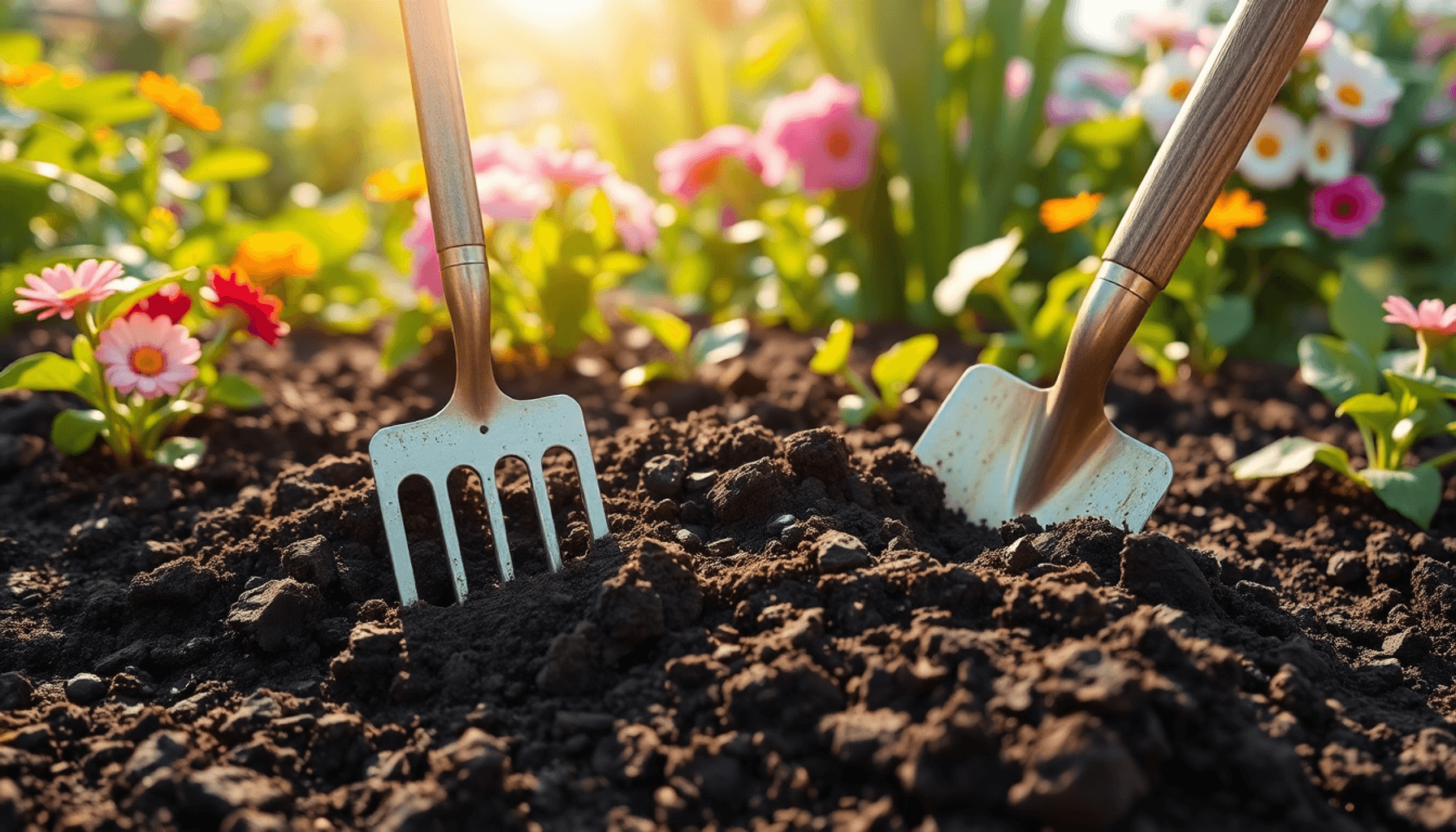

Double digging is a traditional gardening technique focused on deep soil cultivation. It involves loosening and turning the soil to a depth of about 18 to 24 inches, which is deeper than typical digging methods. This process aims to improve soil structure, drainage, and root growth by breaking up compacted layers and incorporating organic matter more thoroughly.
You might wonder: Is double digging still relevant today? The answer depends on your garden’s specific needs and your willingness to invest time and effort. While double digging offers clear benefits like better aeration and healthier plants, it also demands significant physical labor and can disrupt delicate soil ecosystems.
This article explores the pros and cons of double digging so you can decide if this method fits your gardening goals. You will learn:
- What double digging actually involves
- How it compares to other soil preparation techniques
- When it makes sense to use it—and when alternatives might be better
Understanding these points will help you choose the best approach for your garden’s long-term health.
Understanding Double Digging
Double digging is a specific gardening soil preparation technique designed to cultivate soil deeply—approximately two spade depths, usually between 18 and 24 inches. This method goes beyond surface-level turning or tilling by systematically loosening and aerating the soil layers beneath the garden bed.
How Double Digging Differs from Other Soil Preparation Methods
Typical soil preparation often involves single digging or using tools like rototillers that disturb only the topsoil layer, generally up to one spade depth (about 8 to 12 inches). Double digging extends this by working two layers of soil:
- The top layer is removed first.
- The second, deeper layer is loosened without being turned over completely.
This creates a more porous and well-aerated soil profile, allowing roots to penetrate more freely and water to drain efficiently.
Step-by-Step Process of Double Digging
- Mark the Area: Define the garden bed you want to double dig.
- Dig the First Trench: Use a spade to dig a trench one spade deep at one end of the bed. Remove this soil and set it aside.
- Loosen the Subsoil: With a garden fork, break up and loosen the soil at the bottom of this trench without removing it.
- Dig Adjacent Trenches: Move to the next section of the bed. Dig another trench one spade deep and transfer that soil into the previous trench.
- Incorporate Organic Matter: Mix compost, well-rotted manure, or other organic amendments into the loosened subsoil in the first trench before moving forward.
- Repeat Across Bed: Continue this sequence across the entire bed until all trenches are dug and filled again with loosened soil enriched with organic matter.
The key elements are trench digging combined with careful loosening of lower layers and integration of nutrients deeper into the ground rather than just on top.
Historical Use and Purpose of Double Digging
Double digging has roots in traditional horticultural practices where improving heavy or compacted soils was essential for successful crop growth. Before mechanized tillage became widespread, gardeners manually prepared land this way to:
- Enhance drainage in clay-rich soils
- Break through hardpan layers restricting root growth
- Improve aeration for beneficial microorganisms
- Deeply incorporate organic matter for sustained fertility
This method was particularly favored in vegetable gardening and allotments where maximizing root zone quality directly translated into healthier plants and higher yields.
The practice remains relevant today in certain contexts because it addresses problems that simple surface cultivation cannot fix, providing an effective way to rejuvenate tired or poorly structured soils for long-term productivity.
Benefits and Drawbacks of Double Digging
Benefits of Double Digging
Double digging offers several advantages that make it attractive for gardeners dealing with challenging soil conditions.
- Soil Compaction Reduction: By loosening soil to a depth of two spades (approximately 18 to 24 inches), double digging breaks up compacted layers. This creates a more porous environment, allowing roots to penetrate deeply and access nutrients and water more efficiently.
- Improved Drainage and Aeration: The process enhances water infiltration by breaking up dense soil, preventing surface waterlogging and encouraging oxygen flow to the roots. Better aeration supports beneficial microbial activity essential for healthy plant growth.
- Soil Structure Improvement: Mixing organic matter such as compost or well-rotted manure into the loosened soil during double digging enriches it with nutrients while improving texture. This results in a crumbly, friable soil structure that retains moisture yet drains excess water effectively.
- Enhanced Root Development and Healthier Plants: Looser, nutrient-rich soil encourages roots to spread out rather than staying near the surface. Plants grown in such conditions tend to be sturdier, more productive, and less prone to stress from drought or poor nutrition.
Drawbacks of Double Digging
Despite its benefits, double digging carries several notable disadvantages that may influence your decision.
- Labor-Intensive Gardening Method: Double digging requires significant physical effort and time. Digging deep trenches, loosening subsoil with a fork, transferring soil, and incorporating organic material can be exhausting, especially over large garden beds or for those with limited mobility.
- Time Requirements: Preparing a garden bed through double digging is not quick. It may take several hours or days depending on the size of the area. This can delay planting schedules or add strain during busy gardening seasons.
- Potential Disruption to Soil Fungal Networks: The disturbance caused by turning over soil disrupts mycorrhizal fungi—symbiotic organisms vital for nutrient exchange between soil and plants. Damaging these networks can temporarily reduce soil fertility and microbial diversity.
- Increased CO2 Release from Soil Disturbance: Exposing deeper layers of soil accelerates the decomposition of organic matter by microbes, releasing stored carbon dioxide into the atmosphere. This contributes to greenhouse gas emissions and diminishes long-term soil carbon storage.
Assessing these benefits against the drawbacks helps determine whether double digging suits your particular garden conditions and gardening style. Some gardeners find its immediate improvements invaluable for certain soils while others prefer less disruptive alternatives that maintain soil ecology better over time.
When and How to Perform Double Digging Effectively
Choosing the best time for double digging is crucial to maximize its benefits while minimizing effort and soil damage. The ideal window falls between late winter and early spring. During this period, the soil begins to thaw but retains enough moisture without being waterlogged or frozen solid.
Why Timing Matters
- Moist soil conditions allow easier penetration of spades and forks, reducing strain on your body.
- Soil that is too dry becomes hard and difficult to dig, increasing the chance of damaging soil structure.
- Frozen ground makes digging practically impossible and risks compacting the soil further.
- Wet, soggy soil can collapse trenches and lead to clumping, disrupting the intended loosening effect.
Planning your double digging around these natural soil conditions supports better root growth in spring gardening.
Step-by-Step Guide to Double Digging
-
Mark Your Bed
Outline the garden bed you want to work on with string or stakes. This helps maintain straight rows and organized trenches. -
Dig the First Trench
Using a spade, dig a trench about 12 inches (one spade depth) deep along one side of your bed. Remove this soil from the trench and place it to the side temporarily. -
Loosen Subsoil in Trench
With a garden fork, loosen the subsoil beneath the trench down to about 18–24 inches deep without turning it over completely. This aerates deeper layers without mixing layers excessively. -
Refill with Soil from Next Trench
Move on to dig a second trench adjacent to the first one at the same depth. Transfer this topsoil into the first trench where you previously removed soil. -
Incorporate Organic Matter
Add compost or well-rotted manure into each new trench as you dig it. Mixing organic matter into deeper soil layers feeds microorganisms and improves structure. -
Repeat Across Entire Bed
Continue this sequence along your entire garden bed until all trenches are filled back. The last trench is refilled with the original soil set aside from the first trench.
Practical Tips for Effective Double Digging
- Work in small sections (about 3 feet wide) to maintain control over depth and avoid fatigue.
- Use sharp tools designed for digging; dull spades increase effort significantly.
- Take frequent breaks, especially if you’re not accustomed to heavy manual labor.
- Maintain proper posture: bend at knees instead of back and switch hands regularly.
- Wearing gloves protects hands from blisters during prolonged digging sessions.
- Water your garden a day or two before starting if natural rainfall has been insufficient.
Double digging demands physical exertion but performed thoughtfully, it delivers excellent improvements in soil health for spring gardening projects.
Alternatives to Double Digging: Exploring Sustainable Gardening Methods
Double digging is not the only way to prepare your garden soil. If you want to avoid heavy labor and minimize disruption to soil ecosystems, consider single digging or no-dig gardening methods. These techniques focus on preserving soil structure and life while still enhancing growing conditions.
Single Digging
Single digging involves loosening the soil to one spade depth—typically about 6 to 8 inches—without turning over multiple layers as in double digging. You remove the top layer of soil and then fork or break up the subsoil beneath it before replacing the topsoil. This method requires less physical effort and time compared to double digging.
Key benefits of single digging:
- Reduces soil compaction by loosening the upper layers.
- Allows incorporation of organic matter like compost into the active root zone without excessive disturbance.
- Supports better drainage and aeration than no cultivation at all, but with fewer risks to soil organisms.
- Easier on your body due to shallower depth and less repetitive digging.
Single digging suits gardeners who want improved soil conditions but find double digging too demanding or disruptive.
No-Dig Gardening
No-dig gardening eliminates mechanical disturbance almost entirely. Instead of digging, you build up layers of organic matter such as compost, mulch, and manure on top of the existing soil surface. The idea is that natural processes—earthworms, microbes, and plant roots—gradually improve soil structure from the top down.
Advantages of no-dig gardening include:
- Maximizes preservation of fungal networks and beneficial microorganisms critical for nutrient cycling.
- Minimizes CO2 release by avoiding soil turnover.
- Improves moisture retention through mulch layers.
- Encourages a healthy ecosystem that supports plants naturally.
- Requires minimal physical effort once established.
You will notice garden beds become rich and friable over time without ever needing to dig deeply again.
Comparing Effort and Soil Health Impact
| Method | Physical Effort | Soil Disturbance | Impact on Soil Life | Suitability |
| Double Digging | High | High | Disrupts fungal networks | Compacted soils needing deep loosening |
| Single Digging | Moderate | Moderate | Partial preservation | Improving moderately compacted soils |
| No-Dig Gardening | Low | Minimal | Preserves most soil organisms | Maintaining healthy soils or improving organically |
For gardeners prioritizing sustainability and ease, no-dig gardening provides a low-impact way to cultivate fertile beds. Single digging offers a compromise when some soil loosening is necessary but full double digging is too taxing.
Both alternatives support long-term soil health by maintaining biological diversity in ways double digging cannot. Choosing between them depends on your garden’s current condition, your physical capacity, and how involved you want to be in soil preparation.
These methods also align well with organic gardening principles by limiting disturbance—a practice gaining popularity among those focused on regenerative practices and reducing carbon footprint.
Selecting a less disruptive technique can maintain productivity while fostering an environment where beneficial organisms thrive naturally beneath your plants’ roots.
Making an Informed Decision: Should You Still Do Double Digging?
Deciding is double digging necessary depends heavily on your garden's unique conditions and your goals as a gardener. This practice demands significant physical effort and time, so weighing its benefits against modern gardening practices is crucial.
Assess Your Garden’s Needs
Ask yourself:
- Is the soil severely compacted or layered in a way that restricts root growth?
- Does the garden suffer from poor drainage or waterlogging issues?
- Are you starting a new bed on previously unused or degraded land?
If you answered yes to any of these, double digging might offer tangible improvements by loosening deep soil layers and increasing aeration. It can break up hard pans that single digging or no-dig methods might not effectively address.
Consider the Effort vs. Benefits
Double digging is labor-intensive. If your garden doesn’t face extreme compaction or drainage problems, the effort may outweigh the benefits. Modern alternatives like no-dig gardening promote healthy soil biology while requiring less disturbance and physical work. However, it's worth noting that there are certain challenges of no-dig gardening, such as dealing with persistent weeds or needing to amend poor soil.
Situations Where Double Digging Remains Useful
Double digging can still be beneficial in certain scenarios:
- Severe compaction: Areas damaged by heavy machinery or foot traffic where soil density severely limits plant root expansion.
- Poor drainage: Gardens with clay-heavy soils that retain excess water can benefit from deeper loosening to improve percolation.
- Initial preparation: Starting a vegetable patch on poor-quality soil may require double digging once to establish better structure.
Weighing Traditional Methods Against Newer Approaches
No-dig gardening focuses on preserving natural soil ecosystems by layering organic matter on top rather than turning the earth. This maintains fungal networks and microbial life vital for long-term fertility.
Double digging disrupts these networks and releases stored carbon as CO2 but may jump-start improvement in challenging soils more quickly than less invasive methods.
Ask yourself:
- Can you achieve acceptable soil health through mulching, compost addition, and minimal disturbance first?
- Is immediate remediation of poor soil structure worth the extra work and temporary disruption?
Your choice should balance practical constraints with ecological impact.
Gardening techniques evolve alongside our understanding of soil ecology. Choosing whether to double dig involves matching this traditional method against contemporary sustainable practices tailored to your garden’s specific challenges.
Conclusion
Choosing the right gardening method depends on understanding your unique garden conditions and personal preferences. The summary double digging pros cons clearly shows this technique can transform compacted or poor-draining soils by deeply aerating and enriching them with organic matter. Yet, the physical labor and disruption to natural soil ecosystems prompt many gardeners to consider alternatives.
Reflect on these points when deciding what suits your garden best:
- Soil condition: If your soil is heavily compacted or has persistent drainage issues, double digging may provide a necessary reset.
- Time and effort: Consider if you have the energy and time to commit to this labor-intensive process.
- Soil life preservation: If maintaining fungal networks and minimizing disturbance are priorities, explore no-dig or single digging methods.
- Long-term goals: Think about how your chosen method fits into sustainable practices and future gardening techniques.
The question What is Double Digging? Should You Still Do It? requires a thoughtful answer tailored to each gardener’s situation. There is no one-size-fits-all solution. By weighing the benefits against drawbacks and exploring innovative approaches, you empower yourself to make an informed choice that promotes healthy soil, thriving plants, and enduring satisfaction in your gardening journey.
FAQs (Frequently Asked Questions)
What is double digging and how does it differ from other soil preparation methods?
Double digging is a traditional gardening technique that involves digging trenches about two spades deep, loosening the soil beneath, and incorporating organic matter to improve soil quality. Unlike single digging or no-dig methods, double digging penetrates deeper layers of soil to reduce compaction and enhance drainage and aeration.
What are the main benefits of double digging for garden soil?
Double digging offers several advantages including reducing soil compaction, improving drainage and aeration, enhancing soil structure, and promoting better root development which leads to healthier plants. This method prepares the soil thoroughly for planting by creating an optimal environment for roots to grow.
What are the drawbacks or limitations associated with double digging?
While beneficial, double digging is labor-intensive and time-consuming. It requires significant physical effort and can disrupt beneficial soil fungal networks. Additionally, disturbing the soil deeply may increase CO2 release, which can be a concern for environmentally conscious gardeners.
When is the best time to perform double digging for optimal results?
The ideal time for double digging is late winter to early spring when the soil is moist but not frozen. Moist conditions help make the process easier and more effective while ensuring proper incorporation of organic matter without damaging soil structure.
Are there sustainable alternatives to double digging that preserve soil health?
Yes, alternatives such as single digging and no-dig gardening methods offer less disruptive ways to prepare garden beds. These approaches preserve soil life and structure while still improving garden conditions, often requiring less labor compared to double digging.
Should I still use double digging in my garden today?
Deciding whether to use double digging depends on your specific garden needs. It can be beneficial in cases of severe compaction or poor drainage. However, modern gardening practices favor less invasive methods like no-dig approaches. Weighing traditional benefits against newer techniques will help you make an informed choice aligned with your preferences and garden requirements.