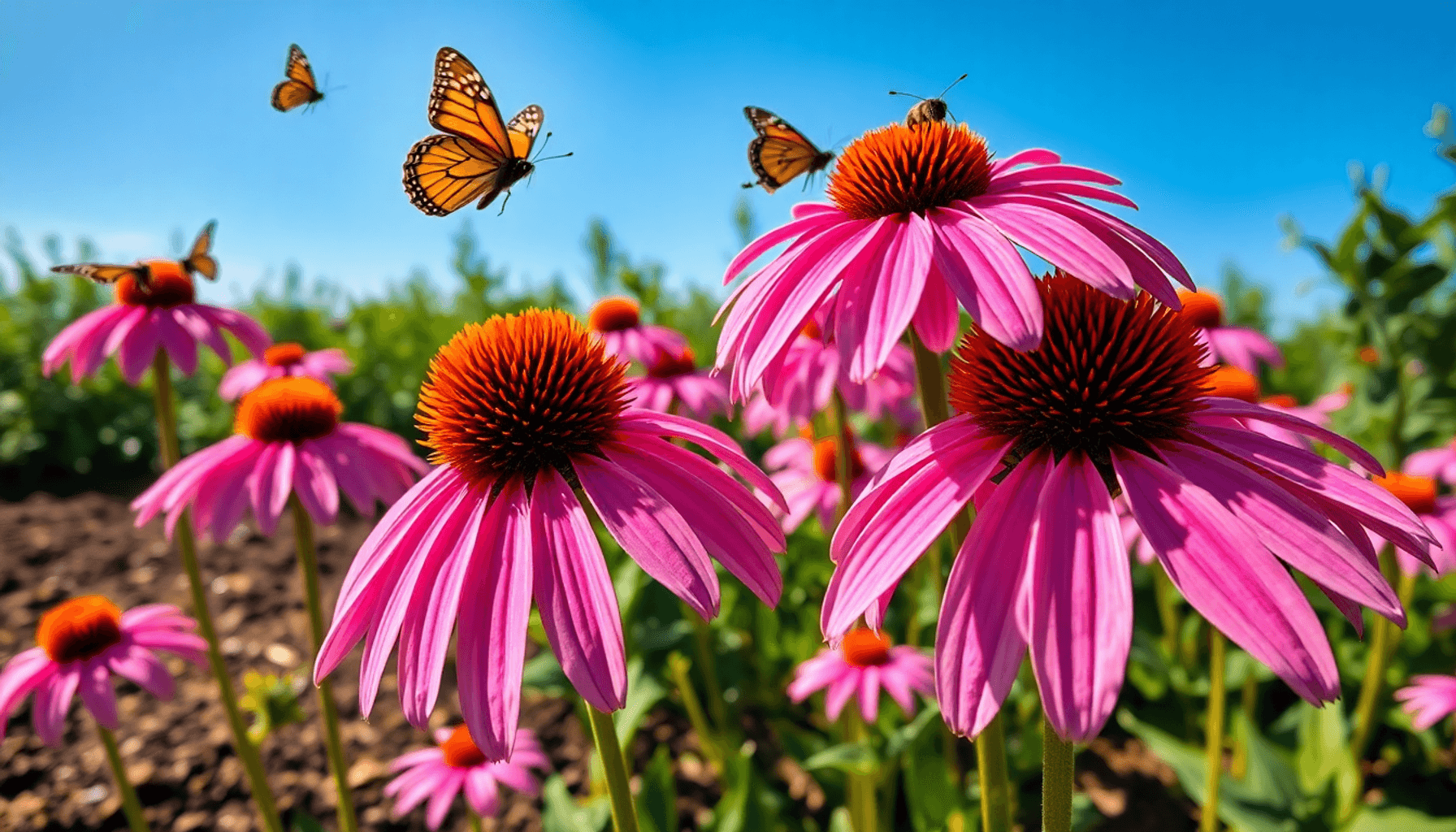

Echinacea, commonly known as coneflower, is a popular choice for gardens and prairie-style landscapes. Its bold appearance and resilience make it stand out among other plants. These striking perennials have large, daisy-like flowers with unique cone-shaped centers that add vibrant color and texture to outdoor spaces. People love Echinacea not only for its beauty but also for its ability to thrive in different garden environments.
If you want to learn how to grow Echinacea effectively, this echinacea growing guide provides everything you need. From selecting the ideal planting site to mastering seasonal care routines, this article delivers practical coneflower planting tips that ensure your plants flourish year after year. Whether you're a beginner or an experienced gardener, you’ll find clear advice to help you cultivate healthy, blooming Echinacea with confidence.
Understanding Echinacea: Characteristics and Benefits
Echinacea, commonly known as coneflower, stands out with its distinctive physical traits that make it a favorite in many gardens. The flowers resemble large daisies but feature a prominent, raised cone-shaped center. This central cone is often spiky and comes in warm shades of orange or brown, creating a striking contrast with the petals. The petals themselves appear in a variety of colors including pink, white, red, and orange, adding vibrancy to any planting scheme.
Key Echinacea Characteristics
- Flower shape: Daisy-like with a distinct cone or “boss” at the center.
- Petal colors: Range from soft whites and pinks to bold reds and oranges.
- Leaves: Rough-textured, dark green, growing in clumps near the base.
- Stems: Sturdy and branching, supporting the flowers well above the foliage.
Echinacea is a perennial plant, meaning it lives for multiple years without needing replanting. Its hardy nature allows it to withstand a variety of weather conditions including drought and cold winters. Once established, Echinacea plants develop into robust clumps that come back season after season with minimal intervention.
Ecological Benefits of Echinacea
Planting echinacea offers more than just visual appeal. This species plays an important role in local ecosystems by attracting a wide range of wildlife:
- Pollinators: Bees are particularly drawn to the nectar-rich flowers, aiding in pollination.
- Birds: Later in the season, seedheads provide food for birds such as finches.
- Other insects: Butterflies and beneficial insects also find echinacea an inviting source of nourishment.
These relationships support biodiversity and contribute to a healthy garden environment. The combination of attractive flowers and ecological value makes Echinacea not only beautiful but also an environmentally responsible choice for gardeners interested in promoting pollinator-friendly spaces.
Choosing the Right Location for Planting Echinacea
Selecting the ideal echinacea planting location is crucial to ensure vibrant blooms and robust plants. These perennials demand specific conditions to thrive, particularly when it comes to sunlight and soil.
Sunlight Requirements for Echinacea
Echinacea needs about 6 to 8 hours of direct sunlight daily. This level of light supports healthy growth and maximizes flowering potential.
Avoid planting Echinacea in partial or full shade, as this can lead to weak stems, sparse blooms, and stunted growth. Shade limits photosynthesis, which directly impacts the plant’s vigor and ability to produce flowers.
A sunny site also helps reduce moisture on leaves and stems, lowering the risk of fungal diseases.
Soil Drainage for Echinacea
Well-drained soil is a top priority for Echinacea. These plants do not tolerate waterlogged conditions; soggy soil can cause root rot and other issues.
Soils that drain easily encourage strong root development by providing oxygen access. Roots that breathe well support overall plant health.
If your garden soil is heavy clay or poorly drained, consider amending it with organic matter like compost or coarse sand to improve structure.
Raised beds or mounded planting areas can also enhance drainage for these resilient perennials.
Choosing a planting location that combines full sun with well-drained soil sets the foundation for long-lasting, flourishing Echinacea plants well-suited to your garden environment. For more detailed insights on understanding your plants' needs, you may refer to this basic plant care guide.
Preparing the Soil for Echinacea
Healthy Echinacea plants start with the right soil. When preparing the soil for Echinacea, focus on creating conditions that mimic their natural prairie habitat.
Best Soil for Coneflowers
Echinacea thrives in soil that meets the following criteria:
- Rich and well-drained: The soil should drain easily to prevent root rot but still retain enough moisture for steady growth.
- Near-neutral pH: Aim for a pH between 6.0 and 7.0. Soils that are too acidic or alkaline can hinder nutrient uptake and reduce plant vigor.
- Loamy texture: A balanced mix of sand, silt, and clay provides the ideal environment, promoting aeration while holding essential nutrients.
Enhancing Soil Quality
Adding organic matter improves soil structure and fertility. Consider these steps:
-
Incorporate well-rotted manure or compost in autumn
This addition acts as a natural mulch, enriching the soil with nutrients over time. It also helps retain moisture during dry spells while encouraging beneficial microbial activity around roots. -
Avoid heavy or waterlogged soils
If your garden has clay-heavy soil, amend it with coarse sand or fine gravel to boost drainage. Raised beds can be an option where drainage is particularly poor.
A rich, well-drained soil supports robust root systems and encourages vibrant flowering.
Proper soil preparation sets the stage for planting success. Once your bed is ready, you’ll provide Echinacea with the foundation it needs to flourish through every season.
Planting Echinacea: Seeds vs. Potted Plants
You have two primary options when planting Echinacea: planting echinacea seeds or transplanting potted coneflowers. Each method has its advantages and considerations depending on your gardening goals, timeline, and experience.
Planting Echinacea Seeds
Sowing seeds is a rewarding way to grow Echinacea from scratch. Ideal timing for sowing seeds is in early spring, which allows seedlings to establish during the warming season.
- Seed Preparation: Many gardeners recommend cold stratification for better germination. This involves exposing seeds to a period of cold, moist conditions, mimicking winter. You can achieve this by placing seeds in a damp paper towel inside the refrigerator for 4-6 weeks before sowing.
- Sowing Technique: Sow seeds on the soil surface or lightly cover them with a thin layer of soil since Echinacea seeds require light for germination.
- Germination Period: Expect seedlings to emerge within 10-20 days under optimal conditions.
- Growth Timeline: Seed-grown plants take longer to flower—usually 2 to 3 years before reaching full bloom potential.
- Benefits: Growing from seed offers genetic diversity and cost-effectiveness. It’s ideal if you enjoy nurturing plants from their earliest stages.
Transplanting Potted Coneflowers
Using potted plants speeds up the process of having mature, flowering Echinacea in your garden. The best time for transplanting is between mid-March and June or again between mid-September and November, avoiding extreme temperatures.
- Site Preparation: Prepare planting holes that are slightly larger than the root ball of your potted plant. Ensure good drainage and loosen compacted soil around the hole.
- Planting Depth: Set the plant at the same depth it was growing in the pot to prevent stem rot.
- Aftercare: Water thoroughly after planting and maintain consistent moisture during establishment but do not overwater as Echinacea prefers drier conditions once settled.
- Advantages: Transplanted coneflowers flower sooner—often within the first growing season—and are less vulnerable to early-stage pests or diseases compared to seedlings.
- Considerations: Potted plants come at a higher initial cost and may limit variety selection compared to seed catalogs.
Comparing Both Methods
| Aspect | Planting Seeds | Transplanting Potted Plants |
| Time to Flower | 2–3 years | Within 1 year |
| Initial Cost | Low | Higher |
| Genetic Variation | High (varied offspring) | Consistent traits from parent plant |
| Ease of Establishment | Requires patience and care | More straightforward |
| Risk of Early Loss | Higher due to environmental factors | Lower, plants are more robust |
Choosing between these methods depends on how quickly you want flowers, your budget, and how much time you want to invest in early plant care. Starting from seed builds a strong foundation but demands patience; transplanting potted plants delivers faster results with less risk during initial growth stages.
Caring for Echinacea Throughout the Seasons
Maintaining healthy Echinacea plants requires attention to their seasonal needs.
Spring Care for Echinacea
Spring care for echinacea focuses on preparing the plants for vigorous growth after winter dormancy. Once new shoots start to emerge, cutting back old foliage is essential. Removing last year’s dead leaves and stems helps redirect energy into fresh growth, improving air circulation around the base and reducing risks of disease. Use clean, sharp garden shears to trim down to just above the crown of the plant.
Summer Maintenance for Echinacea
Summer maintenance for echinacea revolves around encouraging prolonged blooming and keeping plants tidy:
- Deadheading fading flowers is a key practice. As flower heads begin to wilt, pinch or snip them off just above a leaf node. This prevents seed formation and stimulates the plant to produce more blooms.
- Monitor plants regularly for signs of stress such as wilting or discoloration; summer heat and drought can affect flowering performance.
- Though Echinacea tolerates dry soil well, occasional deep watering during extended dry spells supports sustained flowering.
- Removing spent flowers also reduces chances of fungal infections by limiting decaying organic matter on the plant.
By cutting back in spring and deadheading through summer, you promote a cycle of renewal that keeps Echinacea vibrant and floriferous throughout its growing season. This care routine balances natural resilience with simple interventions that maximize bloom quantity and quality.
Maintenance Tips and Troubleshooting Common Issues with Echinacea Plants
Maintaining Echinacea plants requires a balance of care and restraint. These perennials prefer stability, so avoid disturbing established clumps. Dividing or relocating mature plants can stress them, leading to reduced flowering or slower recovery.
Avoid Disturbing Established Plants
- Echinacea thrives when left undisturbed for several years.
- Frequent digging or transplanting disrupts root systems.
- If division is necessary, do it in early spring before new growth starts.
Recognizing Signs of Stress in Echinacea
Healthy Echinacea shows vibrant leaves and strong stems. Watch for these symptoms indicating stress:
- Wilting or drooping despite adequate watering — could signal root damage or poor drainage.
- Yellowing leaves might point to nutrient deficiencies or overwatering.
- Stunted growth often results from compacted soil or insufficient sunlight.
Common Diseases and Pests Affecting Echinacea
Echinacea is generally hardy but not immune to problems. The most common issues are described below.
Powdery Mildew
- Appearance: White, powdery coating on leaves.
- Cause: High humidity and poor air circulation.
- Solution: Improve airflow by spacing plants well; apply fungicides if needed.
Aster Yellows
- Appearance: Yellow, distorted flowers with thin petals.
- Cause: Phytoplasma spread by leafhoppers.
- Solution: Remove infected plants promptly and control leafhopper populations.
Leaf Spot Diseases
- Appearance: Brown or black spots on foliage.
- Cause: Fungal infections favored by wet conditions.
- Solution: Avoid overhead watering and clear fallen debris regularly.
Insect Pests
- Common offenders include aphids, Japanese beetles, and caterpillars.
- Control options include insecticidal soaps or natural predators like ladybugs.
Preventive Care for Maintaining Echinacea Plants
- Water at the base early in the day to keep foliage dry.
- Mulch with organic matter to retain moisture and suppress weeds.
- Fertilize sparingly; excessive nitrogen promotes leafy growth at the expense of flowers.
By monitoring your plants regularly and responding quickly to issues, you ensure a vigorous Echinacea display that lasts through seasons without unnecessary setbacks. This approach aligns perfectly with how to grow Echinacea successfully while minimizing maintenance headaches.
Popular Echinacea Species and Varieties to Grow in Your Garden
Echinacea purpurea stands out as the most widely cultivated species among coneflowers. Recognized for its distinctive pink petals that radiate around a prominent orange-brown cone, this variety combines striking beauty with robust performance in various garden settings.
Key characteristics of Echinacea purpurea:
- Flower Color: Typically soft to vibrant pink shades, sometimes ranging toward mauve or lavender tones.
- Cone Shape: Large, spiky central cones that deepen in color through the blooming season, adding texture and visual interest.
- Plant Size: Usually reaches heights between 2 to 4 feet, making it suitable for middle or back borders.
- Weather Resistance: Demonstrates excellent tolerance to heat, drought, and cold conditions without requiring support staking.
- Bloom Period: Flowers from early summer well into autumn when deadheading is practiced.
Echinacea purpurea care involves minimal fuss once established. Its adaptability to different soil types—provided drainage is adequate—makes it a reliable choice. Unlike some varieties that may demand specialized attention, this species thrives with standard maintenance practices such as:
- Planting in full sun locations
- Regular watering during prolonged dry spells
- Cutting back old stems in early spring to encourage fresh growth
Gardeners appreciate Echinacea purpurea not only for its ornamental appeal but also for the ecological benefits it delivers. The sturdy flowers attract a range of pollinators including bees and butterflies, while seedheads provide food for birds during winter months. Furthermore, these flowers are also three perennials perfect for pollinators, making them an excellent choice for environmentally conscious gardeners.
Besides Echinacea purpurea, other notable species include Echinacea angustifolia with narrower leaves and smaller flowers, or Echinacea pallida, which features paler petals and a more delicate appearance. However, these tend to be less common in typical garden settings compared to the hardier and more colorful purpurea variety.
Choosing the right echinacea species depends on your garden’s climate, desired flower colors, and maintenance preferences. For gardeners seeking reliable flowering combined with ease of care, focusing on echinacea purpurea care will yield rewarding results season after season.
Attracting Wildlife with Your Echinacea Garden: Creating a Pollinator-Friendly Habitat
Echinacea is one of the standout pollinator-friendly plants you can add to your garden. Its nectar-rich flowers are highly attractive to a variety of pollinators, making it an excellent choice for anyone wanting to support local ecosystems while enhancing garden beauty.
Why Echinacea is Great for Pollinators
- Bees: The vibrant colors and abundant nectar of Echinacea flowers draw in many bee species. These insects play a crucial role in pollination, helping not only your coneflowers but other nearby plants to thrive.
- Butterflies: Echinacea’s open flower structure provides an easy landing pad for butterflies. Their feeding habits contribute to cross-pollination, increasing genetic diversity in your garden.
- Birds: As summer fades, the seedheads of Echinacea become a food source for birds such as goldfinches. Leaving these seedheads intact after blooming supports wildlife through colder months when food is scarce.
Creating a Diverse Habitat with Echinacea
Planting Echinacea alongside other native pollinator-friendly plants creates a diverse habitat that encourages continuous visitation by beneficial insects and birds. This diversity enhances both plant health and the overall balance of your garden ecosystem.
Nectar-rich flowers like Echinacea serve as natural magnets for pollinators, supporting their life cycles and boosting biodiversity.
Maintaining Your Pollinator-Friendly Habitat
Maintaining this habitat involves minimal interference—avoid excessive pesticide use and allow natural growth cycles to progress. This approach helps sustain populations of bees, butterflies, and birds year after year, turning your garden into a thriving sanctuary for wildlife.
Conclusion
Growing healthy Echinacea brings together beauty and ecological value in your garden. This resilient perennial species offers:
- Striking daisy-like flowers with vibrant colors ranging from pink to orange.
- Long-lasting blooms that attract a variety of pollinators, including bees and birds.
- Low-maintenance care once established, thriving best in full sun and well-drained soil.
- Seasonal interest with seedheads that provide food for wildlife in autumn and winter.
How to grow Echinacea successfully boils down to selecting the right location, preparing nutrient-rich soil, and practicing thoughtful seasonal care such as deadheading and cutting back foliage. By following these essentials, you’ll enjoy a flourishing patch of coneflowers that enhances both your garden’s aesthetics and its role as a pollinator-friendly habitat.
Embrace the rewarding experience of cultivating Echinacea — a plant that combines rugged durability with natural charm, making it a valuable addition to any flower border or prairie-style planting.
FAQs (Frequently Asked Questions)
What are the key characteristics and benefits of growing Echinacea (coneflower) in my garden?
Echinacea, commonly known as coneflower, features daisy-like flowers with a distinctive cone-shaped center available in various colors. It is a hardy perennial that attracts beneficial pollinators such as bees and birds, enhancing your garden's ecological health.
How do I choose the right location for planting Echinacea to ensure healthy growth?
Echinacea thrives best in full sun exposure, requiring 6 to 8 hours of sunlight daily. It prefers well-drained soil and should not be planted in shaded areas to promote robust flowering and overall plant health.
What soil preparation is ideal for planting Echinacea coneflowers?
Prepare rich, well-drained soil with a near-neutral pH for optimal Echinacea growth. Adding well-rotted manure or compost as mulch in autumn improves soil fertility and moisture retention, supporting healthy plants.
Should I plant Echinacea from seeds or potted plants, and what is the best timing for each method?
You can propagate Echinacea by sowing seeds in early spring or transplanting potted plants between mid-March to June or mid-September to November. Both methods are effective; choose based on your gardening schedule and preference.
What seasonal care does Echinacea require to maintain vigorous growth and continuous blooming?
In spring, cut back old foliage to encourage new growth. During summer, deadhead fading flowers regularly to promote continuous blooming throughout the season, ensuring your Echinacea remains vibrant and healthy.
How can I attract pollinators like bees and birds using Echinacea in my garden?
Plant nectar-rich Echinacea varieties to create a pollinator-friendly habitat. Their abundant flowers attract bees, birds, and other beneficial insects, supporting biodiversity and enhancing your garden's ecological balance.