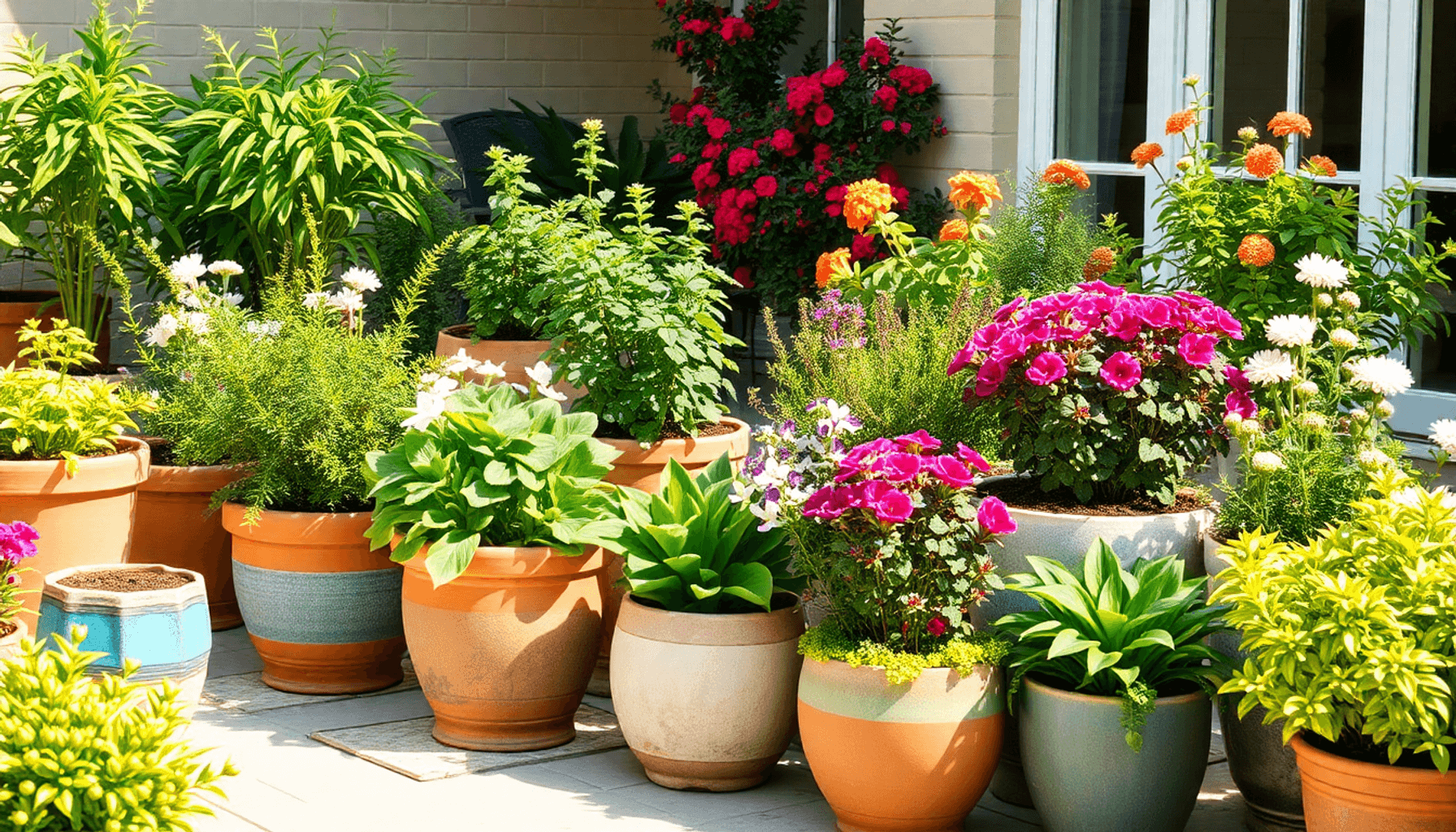

Container gardening offers a practical and attractive way to bring greenery into small spaces, patios, balconies, or areas with poor soil. Choosing the best plants for garden pots and containers allows you to enjoy vibrant foliage, striking textures, and seasonal blooms without the commitment of traditional garden beds.
This article explores:
- How to select the best plants for garden pots based on size, care needs, and environmental factors
- Categories of plants that thrive in containers, from evergreen shrubs to drought-tolerant varieties
- The benefits of container gardening and how potted plants can transform your outdoor or indoor space
- Tips on container materials and maintenance tailored for healthy, thriving plants
By understanding these elements, you can confidently create a container garden that combines beauty and functionality all year round.
Factors to Consider When Choosing Plants for Containers
Selecting the right plants for your garden pots and containers depends heavily on several key factors that influence plant health and visual impact. Understanding these elements will help you create a thriving container garden tailored to your space and lifestyle.
Plant Size for Pots and Growth Space
- Match the plant size to pot dimensions. Larger plants require bigger containers to accommodate root growth and prevent the soil from drying out too quickly.
- Consider mature growth habits. Some plants start small but can become too large for the container, leading to overcrowding or root-bound conditions.
- Balance aesthetics with practicality. A well-proportioned plant-to-pot ratio enhances appearance and supports healthy growth.
Container Gardening Maintenance Levels
- Low-maintenance plants suit busy gardeners or beginners. Examples include ornamental grasses and drought-tolerant evergreens that require minimal watering and feeding.
- High-care plants may need frequent watering, pruning, or feeding. Flowering shrubs or delicate foliage plants often demand more attention but reward with striking blooms or textures.
- Decide how much time you can realistically dedicate to care before selecting species.
Importance of Drought-Tolerant Container Plants
Containers tend to dry out faster than garden beds, making drought tolerance a crucial trait especially for:
- Exposed balconies or patios with full sun and wind.
- Areas where frequent watering is impractical.
Plants such as Artemisia abrotanum, Callistemon citrinus, and certain succulents excel in these conditions, reducing stress on both you and the plants.
Pot Material Impact on Moisture Retention and Plant Health
Different container materials affect moisture levels, insulation, weight, and durability:
| Material | Moisture Retention | Weight | Benefits | Considerations |
| Terracotta | Porous; allows airflow but dries out quickly | Heavy | Good breathability prevents root rot; classic look | Requires more frequent watering; prone to cracking in frost |
| Ceramic/Glazed | Retains moisture better than terracotta | Heavy | Attractive finishes; retains water well | Can be expensive; less breathable |
| Resin/Plastic | Retains moisture well | Lightweight | Easy to move; weather-resistant | Can overheat roots in strong sun; less breathability |
| Recycled Plastic | Similar to resin but eco-friendly | Lightweight | Sustainable choice; durable | Same considerations as resin pots |
Choosing your pot material based on local climate and watering habits can reduce plant stress and maintenance demands.
Considering these factors — plant size relative to pot space, your desired maintenance level, drought tolerance needs, and container material characteristics — equips you to select plants that will thrive in your specific container garden environment.
Top Plant Categories Ideal for Garden Pots and Containers
1. Evergreen Shrubs for Year-Round Interest
Evergreen shrubs in containers bring consistent structure and greenery throughout the seasons. They are among the best plants for garden pots and containers because they provide reliable foliage, maintain shape, and often require minimal seasonal replacement. These plants excel in adding depth and texture to container arrangements while thriving in limited root space.
Here are some evergreen shrubs that are perfect for garden pots and containers:
-
Euonymus fortunei 'Emerald Gaiety'
This variegated evergreen shrub is prized for its striking green leaves edged with creamy white. It adapts well to container growth due to its moderate size and slow spreading habit. 'Emerald Gaiety' tolerates partial shade to full sun, making it versatile across different outdoor locations. Its hardy nature means it requires only occasional pruning to maintain a neat appearance. -
Pittosporum tenuifolium
Known for its elegant, glossy leaves that range from deep green to bronze or purple hues depending on the variety, Pittosporum tenuifolium adds sophistication to container gardens. Care involves regular watering without waterlogging and feeding during growing seasons. It prefers sheltered spots protected from harsh winds but can withstand coastal conditions, making it suitable for balconies or patios near the sea. Pruning helps preserve its compact form. -
Skimmia japonica
Skimmia japonica stands out with lush green leaves that create a dense evergreen backdrop, complemented by fragrant flower buds in late winter or early spring. Female plants produce attractive red berries in autumn if pollinated by male plants nearby. This shrub thrives in shaded or semi-shaded container sites and prefers moist, well-drained soil enriched with organic matter. Its slow growth makes it an excellent choice for smaller pots where space is limited.
Evergreen shrubs in containers are fundamental when aiming for long-lasting interest without frequent replanting. Their adaptability to various light conditions and relatively low maintenance make them dependable choices among the best plants for garden pots and containers.
2. Architectural Foliage Plants to Add Texture and Color
Architectural foliage plants bring distinctive shapes, textures, and colors to container gardens, complementing evergreen shrubs in containers with bold visual interest. They excel at defining spaces and adding structural appeal without relying solely on blooms. These plants often have long-lasting foliage that changes subtly through the seasons, making them some of the best plants for garden pots and containers when you want year-round impact.
Key choices for architectural foliage in containers include:
- Hostas in Pots: Hostas are prized for their large, often variegated leaves that create lush, textured displays. Their shade tolerance makes them ideal for less sunny spots. Varieties like Hosta 'Patriot' or Hosta 'Sum and Substance' offer striking leaf patterns that stand out against plain pots or mixed plantings.
- Heuchera Container Gardening: Heucheras (coral bells) provide a wide range of leaf colors from deep purples to bright lime greens. Their rounded, ruffled leaves add softness while maintaining strong architectural form. Heucheras thrive in well-drained soil and partial shade but can tolerate sun with adequate moisture.
- Ferns: Ferns such as Polystichum munitum or Dryopteris erythrosora work well in containers where moisture levels can be controlled. Their fine, feathery fronds contrast nicely with broader-leafed evergreens.
- Elephant Ears (Colocasia and Alocasia): Large-leaved tropical plants like elephant ears create dramatic statements in bigger pots. Their bold texture suits sheltered patios or shaded garden corners.
- Caladiums: Known for striking variegated leaves in reds, pinks, and whites, caladiums add splashes of color beyond flowers. They prefer warm conditions and moist soil.
Architectural foliage plants often require moderate watering and feeding but reward you with low-maintenance style that lasts well beyond flowering seasons typical of many container plants. When combined thoughtfully with evergreen shrubs in containers or seasonal flowers, they build complex layers of color and texture — crucial elements for dynamic garden pot displays.
Their adaptability across light conditions and sizes means you can find suitable options whether your containers are large patio planters or small balcony pots. Selecting these foliage plants as part of your container garden palette enhances the overall design by providing contrasting forms that elevate the appearance of every arrangement.
This category stands out among the best plants for garden pots and containers because it balances aesthetics with resilience, making it an essential consideration for gardeners aiming to enrich their outdoor living spaces with varied greenery.
3. Ornamental Grasses for Movement and Low Maintenance
Ornamental grasses bring dynamic movement and texture to garden pots and containers, making them a popular choice among the best plants for garden pots and containers. Their slender blades and airy seed heads catch the breeze, creating a lively display that contrasts beautifully with evergreen shrubs in containers or architectural foliage plants.
Key advantages of ornamental grasses in containers:
- Low maintenance: Most ornamental grasses thrive with minimal care, requiring only occasional watering and pruning.
- Adaptability: Suitable for a variety of container sizes and materials, they handle sun-exposed balconies or shaded patios well.
- Seasonal interest: Many maintain attractive foliage throughout the year, contributing to year-round appeal.
Top ornamental grasses for containers include:
-
Fountain Grass (Pennisetum advena 'Rubrum')
Known for its rich burgundy leaves and soft pink flower spikes, this grass adds color variation alongside texture. It grows well in medium to large pots and prefers full sun with regular watering. -
Switchgrass (Panicum virgatum 'Shenandoah')
A tall, upright grass with deep red hues at the leaf tips. Switchgrass is drought tolerant once established, an excellent feature for container gardens exposed to dry conditions. -
Mexican Feather Grass (Nassella tenuissima)
Delicate fine blades that create a soft, flowing effect. Ideal for smaller pots where you want lightweight texture without overwhelming other plants. -
Blue Fescue (Festuca glauca)
Compact and clumping with fine blue-green leaves; great as an accent plant in mixed container arrangements, especially in combination with evergreen shrubs in containers.
Ornamental grasses complement other categories such as flowering shrubs or climbers by providing subtle background movement without competing for attention. Their evergreen or semi-evergreen nature also means they contribute structure during off-seasons when floral displays are reduced.
When selecting ornamental grasses containers should have good drainage to prevent root rot because grasses dislike waterlogged soil. Use a free-draining potting mix combined with grit or perlite to optimize moisture retention without excess wetness. Position your container where wind can animate the grass blades but avoid extreme exposure if the grass species has delicate foliage.
Incorporating these low-maintenance yet visually engaging plants enhances container gardens by adding layers of texture and natural rhythm that few other plants can match among the best plants for garden pots and containers.
4. Flowering Shrubs That Thrive in Containers
Flowering shrubs are perfect for container gardens because they add bright colors and seasonal beauty. These plants are not only pretty but also practical, as they usually need less space than flowering plants in the ground while still producing beautiful flowers and leaves.
Here are some types of flowering shrubs that do well in containers:
1. Hydrangeas
Hydrangeas are a favorite choice for pots because of their big, eye-catching flower clusters. The paniculata varieties, known for their upright growth and winter appeal, are particularly well-suited for container gardening. With blooms ranging from creamy white to pink, these hydrangeas bring a gentle touch of color to patios or balconies.
2. Buddleja 'Buzz' Series
The Buddleja 'Buzz' series offers compact flowering shrubs that attract butterflies, providing both aesthetic appeal and wildlife benefits. These Buddlejas are smaller than traditional butterfly bushes but maintain the long blooming season and vibrant colors such as purple, pink, and white.
3. Patio Roses
Patio roses deliver repeat flowering in a compact form tailored for pots. They require moderate care but reward you with classic rose scents and blossoms throughout the growing season.
When growing flowering shrubs in containers, it's important to water and feed them consistently since limited root space can restrict nutrient access. Whenever possible, opt for larger pots to accommodate healthy root growth. Additionally, using high-quality potting mix with added grit ensures proper drainage—an essential factor in preventing root rot.
By incorporating these flowering shrubs into your container garden, you enhance the visual impact while keeping maintenance levels manageable. Their ability to thrive in small spaces makes them an excellent choice alongside evergreen shrubs in containers for creating year-round interest.
5. Climbers Suitable for Large Containers or Sheltered Walls
Climbers offer vertical interest and can transform small garden spaces or balconies. Choosing the best plants for garden pots and containers means considering those that thrive in limited soil volumes while providing lush coverage. Large containers support climbers well, especially when placed against sheltered walls to protect from wind and harsh weather.
Star Jasmine (Trachelospermum jasminoides) stands out as a top choice among evergreen shrubs in containers due to its glossy leaves and fragrant white flowers. Ideal for sheltered locations, it tolerates partial shade but flourishes in full sun, making it versatile for various garden orientations. Its dense growth habit creates privacy screens or decorative green backdrops.
Other climbers worth considering include:
- Clematis montana: Vigorous and fast-growing, suitable for large pots with strong support structures. It bears abundant flowers in spring, adding seasonal color and texture.
- Honeysuckle (Lonicera periclymenum): Hardy and fragrant, this climber adapts well to container life with adequate watering and feeding.
- Climbing Roses: Smaller varieties bred for container growing provide repeated blooms throughout the season; choose disease-resistant types for easier maintenance.
Key factors when growing climbers in containers:
- Pot Size: Choose large, deep containers to accommodate root systems and moisture retention.
- Support Structures: Trellises, obelisks, or wall-mounted supports help guide growth and maximize vertical space.
- Soil Mix: Use well-draining compost enriched with organic matter to sustain healthy roots.
- Watering Needs: Climbers demand consistent moisture, especially during active growth phases; container soil dries faster than ground beds.
- Feeding Regimen: Regular liquid feeds encourage vigorous flowering and foliage development.
Containers housing climbers benefit from heavier materials like ceramic or terracotta that provide stability against wind stress. Resin pots work too but may require additional anchoring.
Adding climbers to your selection of best plants for garden pots and containers enhances structural diversity. Their ability to climb vertically complements evergreen shrubs in containers and flowering shrubs, creating layered visual appeal across different heights. Star jasmine container growing exemplifies how an evergreen climber can combine fragrance, foliage beauty, and adaptable cultivation requirements suited to confined spaces.
6. Drought-Tolerant Plants Perfect for Dry Conditions in Pots
Choosing the best plants for garden pots and containers that can withstand dry spells is essential if your space faces full sun, wind exposure, or you prefer low-water gardening. Drought-tolerant potted plants reduce watering frequency without sacrificing style or structure. These plants perform well in smaller volumes of soil and often thrive in containers made from porous materials like terracotta, which encourage moisture evaporation and root oxygenation.
Key Features of Drought-Tolerant Potted Plants:
- Ability to survive extended dry periods
- Adapted to absorb and retain moisture efficiently
- Often feature silvery, hairy, or waxy leaves that reduce water loss
- Typically low maintenance but visually impactful
Recommended Drought-Tolerant Plants for Containers
- Artemisia abrotanum (Southernwood): Silvery-gray foliage with a soft texture adds a subtle color contrast to evergreen shrubs in containers. This plant is highly aromatic and thrives on neglect once established.
- Callistemon citrinus (Bottlebrush): Known for its bright red flowers resembling bottle brushes, this shrub tolerates dry conditions and adds architectural interest. It prefers full sun and well-draining soil in pots.
- Cordyline australis (Cabbage Tree): A dramatic architectural foliage plant with sword-shaped leaves that can range from green to burgundy tones. Its drought tolerance makes it ideal for sunny balconies or patios.
- Stipa tenuissima (Mexican Feather Grass): Adds graceful movement with fine, wispy blades that ripple even in gentle breezes. This ornamental grass thrives with minimal water and complements evergreen shrubs in containers by softening their structure.
- Solanum crispum (Chilean Potato Vine): A vigorous climber suitable for large containers; it produces star-shaped blue flowers and tolerates dry spells once settled. This plant works well against sheltered walls or trellises.
- Erigeron karvinskianus (Santa Barbara Daisy): A tough groundcover-like perennial with daisy flowers that bloom profusely. It’s perfect as a trailing element spilling over pot edges, adding softness to evergreen shrub groupings.
Benefits of Using Drought-Tolerant Plants in Containers
- They reduce the need for constant watering, saving time and resources.
- Promote sustainability by minimizing water consumption.
- Provide year-round structure without wilting under heat stress.
- Combine well with evergreen shrubs in containers to create balanced compositions of texture, color, and form.
Drought-tolerant plants are indispensable when selecting the best plants for garden pots and containers in challenging environments. Their resilience complements more moisture-demanding species while enhancing container garden diversity with unique textures and colors.
7. Edible Plants That Flourish in Containers
Growing edible plants in pots and containers opens up opportunities to enjoy fresh produce even with limited garden space. Selecting the best plants for garden pots and containers that offer both beauty and bounty enhances your outdoor living area while providing homegrown fruits, herbs, or vegetables.
Key edible container plants to consider:
-
Citrus Trees: Dwarf varieties of lemon, lime, or orange trees adapt well to pots. They benefit from sunny positions and well-draining soil. Citrus provides evergreen foliage with fragrant blossoms followed by vibrant fruit, adding ornamental value alongside edibility.
-
Stone Fruit Trees: Apricot, peach, and nectarine trees on dwarf rootstocks fit nicely into containers. These require pruning to maintain manageable size but reward with spring flowers and summer fruit. Container growth allows control over soil conditions and protects from pests.
-
Grapevines: Compact grape cultivars thrive in large containers supplied with sturdy supports or trellises. They bring architectural interest with their climbing habit plus clusters of sweet grapes ideal for fresh eating or winemaking.
-
Kiwi (Hardy Varieties): Hardy kiwi vines can be grown in substantial pots against a sheltered wall or fence. Pruning keeps them contained while encouraging fruit production. Their attractive leaves add texture before yielding small, smooth-skinned kiwis.
-
Olive Trees: Olive trees suit Mediterranean-style container gardens where they provide year-round evergreen structure and silvery foliage contrast. They tolerate dry soil better than many edibles and yield olives if pollination is sufficient.
-
Strawberries: Strawberries are classic container favorites due to compact growth and continuous fruiting potential. Hanging baskets or shallow pots work well, allowing easy harvesting while adding color through flowers and red berries.
These edible plants do best when you match their watering needs with container size—larger pots retain moisture longer but still require regular feeding during the growing season. Using quality compost mixed with grit improves drainage which is crucial for healthy root systems.
Edible container gardening benefits from integrating these plants alongside evergreen shrubs in containers or flowering species for a balanced display that delivers visual appeal with practical harvests. You gain flexibility to move plants as needed for light exposure or protection from extreme weather conditions.
This approach invites you to experiment with a variety of edible species tailored to your climate and available space, maximizing the potential of your garden pots and containers while enjoying fresh flavors straight from your own garden. Moreover, it's essential to understand the specific requirements for growing trees and shrubs in containers as this knowledge can significantly enhance your success in container gardening.
8. Herbs That Are Easy to Grow in Pots
Herbs are among the best plants for garden pots and containers because they combine practicality with aesthetic appeal. Their compact size and manageable growth habits make them ideal for container gardening, especially if you want fresh flavors at your fingertips. Herbs container gardening suits various skill levels, from beginners to seasoned gardeners.
You can select a variety of herbs that thrive with minimal fuss while providing year-round interest and usefulness. Here are some of the easiest and most rewarding herbs to grow in pots:
1. Basil
Basil thrives in warm, sunny spots and needs regular watering. Its lush green leaves are perfect for culinary use, especially in Mediterranean dishes. Basil’s aromatic foliage also repels certain pests, making it a helpful companion plant in containers with other herbs or flowers.
2. Parsley
A biennial herb usually grown as an annual, parsley tolerates partial shade better than many herbs. It has a steady growth habit that fits well into medium-sized pots and provides bright green leaves for salads and garnishes.
3. Lavender (English or French)
Lavender is a woody perennial that adds fragrance and color to pots. It prefers full sun and well-draining soil. Its evergreen nature complements other evergreen shrubs in containers, offering structure alongside seasonal flowering plants.
4. Rosemary
This drought-tolerant herb does well in containers with good drainage. Rosemary’s needle-like leaves add texture similar to architectural foliage plants, while its woody stems provide a sturdy framework throughout the seasons.
5. Thyme
Low-growing and spreading, thyme is excellent for smaller pots or as ground cover within larger mixed containers. It requires well-drained soil and benefits from occasional pruning to keep it compact.
6. Tarragon
Known for its distinctive licorice flavor, tarragon is suited to sunny spots with moderate watering. It grows upright but remains manageable in container settings.
7. Hyssop
Hyssop combines attractive spikes of flowers with aromatic leaves that repel insects. It prefers full sun and dry conditions, aligning with drought-tolerant plant choices suitable for exposed balconies or patios.
Growing these herbs in containers offers several advantages:
- You control the soil quality easily, ensuring optimal nutrition.
- Pots allow you to relocate plants according to seasonal light changes.
- Container-grown herbs avoid some common garden pests and diseases.
- Harvesting is convenient—just snip what you need without disturbing roots.
When planning your container herb garden, consider grouping plants by their water needs to avoid over or underwatering. For example, combine drought-resistant rosemary with thyme rather than pairing them with moisture-loving parsley or basil.
Using terracotta or ceramic pots enhances moisture regulation for herbs needing consistent hydration while resin or recycled plastic containers help retain moisture longer for drought-sensitive varieties.
Herbs container gardening works well alongside evergreen shrubs in containers or flowering shrubs previously discussed in this guide. This combination produces a dynamic and productive garden space that looks appealing throughout the year while delivering fresh ingredients right at hand.
Choosing the Right Container Materials for Plant Health
Selecting the right container material can significantly affect your plants' health and growth. Different materials interact with moisture, temperature, and weight in unique ways, influencing how well your plants thrive.
Terracotta Pots
Terracotta pots are porous and breathable, allowing air and moisture to pass through the walls. This helps prevent root rot by avoiding waterlogged soil, making them ideal for drought-tolerant plants or those that need excellent drainage. However, terracotta dries out faster than other materials and requires more frequent watering. In hot or windy climates, careful monitoring is needed to ensure moisture-hungry plants stay hydrated.
Resin Pots
Resin pots, including those made from recycled plastic, are non-porous and retain moisture well. Water stays in the soil longer, reducing how often you need to water — a practical advantage for busy gardeners or those in warmer climates. Resin containers are also lightweight, making them easy to move around patios or balconies.
Ceramic Pots
Ceramic pots are typically glazed, giving them a polished finish that adds aesthetic value to any container garden. The glaze makes them non-porous like resin, helping retain consistent soil moisture and reducing water loss through evaporation. Ceramic pots also provide good insulation, protecting roots from extreme temperature swings. Their weight adds stability, making them well suited to larger plants, top-heavy shrubs, or climbers.
Metal and Wooden Containers
- Metal containers heat up quickly in direct sun and can cause soil to dry out rapidly. Use them with caution in hot environments, or line the inside with insulating material.
- Wooden planters offer natural insulation but require protective treatment to resist rot and moisture damage over time.
Key Tips for Choosing Container Materials
Match the Pot to Your Plant's Water Needs
- Choose terracotta for drought-tolerant plants that prefer drier soil.
- Choose resin or ceramic when consistent moisture is important.
Consider Weight and Mobility
- Resin is the best choice if you need to move containers frequently.
- Terracotta and ceramic are heavier but provide greater stability for large plants.
Factor in Your Climate
- Porous materials like terracotta help roots breathe in humid conditions.
- Non-porous containers like resin and ceramic preserve moisture during dry spells.
Always Ensure Proper Drainage
- Drainage holes are essential regardless of material to prevent standing water at the roots.
Choosing wisely between terracotta, resin, and ceramic pots — based on moisture retention, weight, and climate — will support healthier root systems and reduce maintenance efforts across all container gardening styles.
Essential Maintenance Tips for Thriving Container Gardens
Maintaining container plants requires attention to watering, feeding, soil quality, and drainage. These factors directly impact the health and vibrancy of your garden pots and containers.
Watering Potted Plants Tips
- Frequency depends on plant type and pot size: Smaller pots dry out faster and need more frequent watering than larger ones. Succulents and drought-tolerant plants require less water than moisture-loving species.
- Check soil moisture before watering: Stick your finger about an inch into the soil. If it feels dry, it’s time to water. Overwatering can cause root rot.
- Water thoroughly: Ensure water reaches the root zone by watering until it drains from the bottom of the pot. This helps flush out accumulated salts from fertilizers.
- Avoid waterlogging: Empty saucers under pots after watering to prevent roots sitting in stagnant water, which leads to root damage.
Feeding Container Plants During Growing Season
- Container plants depend entirely on you for nutrients since they have limited soil volume.
- Use a balanced liquid fertilizer every 2–4 weeks during active growth phases (spring through early autumn).
- Slow-release granules mixed into the compost at planting time provide steady nutrition.
- For flowering or fruiting plants, choose a fertilizer higher in potassium to promote blooms and fruit development.
Drainage and Compost Mix for Pots
- Adequate drainage is critical; pots should have holes at the base to prevent water accumulation.
- Use a peat-free compost mixed with grit or perlite to improve aeration and drainage.
- Avoid dense garden soil which compacts easily in containers, restricting root growth and oxygen flow.
- Adding a layer of broken pottery shards or gravel at the bottom can aid drainage but isn’t a substitute for proper compost mix.
Additional Maintenance Considerations
- Pruning and deadheading keep plants tidy and encourage new growth or extended flowering periods.
- Remove yellowing leaves or spent flowers regularly to maintain plant vigor.
- Repot container plants every 1–2 years or when roots become crowded, refreshing soil to replenish nutrients.
- Monitor for pests like aphids or spider mites frequently; container settings can sometimes stress plants making them more susceptible.
Applying these maintenance practices will help you get the most from your selection of Best Plants for Garden Pots and Containers, keeping them healthy, vibrant, and thriving season after season.
Low-Maintenance Plant Options That Deliver Impact
Container gardening doesn’t have to demand constant attention. Choosing the right low-maintenance plants lets you enjoy a vibrant, thriving display without daily effort. These plants combine durability with aesthetic appeal, making them perfect for gardeners who want impressive results with minimal fuss.
Box Topiary
Box topiary offers architectural formality and structure. Its dense evergreen foliage maintains a neat shape year-round with only occasional trimming needed. It’s ideal for classic container designs on patios or entryways. Although generally robust, watch for pests like box tree moths that can occasionally affect health.
Nepeta (Catmint)
Nepeta ‘Six Hills Giant’ is a standout low-maintenance container plant. It produces abundant lavender-blue flowers that attract pollinators and has aromatic grey-green foliage. Thrives in well-draining pots with full sun exposure and tolerates drought once established. Prune lightly after flowering to encourage repeat blooms.
Heucheras (Coral Bells)
Heucheras are prized for their colorful foliage ranging from deep purples to bright lime greens. They add texture and contrast within containers and require minimal watering if planted in semi-shade. Their tolerance to different light conditions makes them versatile companions in mixed pots.
Hydrangeas
Paniculata hydrangeas perform well in containers with moderate watering. They provide large, showy flower heads that transition through seasons, offering long-lasting impact with little care beyond regular feeding during the growing period. Compact varieties suit smaller pots and urban gardens perfectly.
Ornamental Grasses
Grasses such as Pennisetum advena ‘Rubrum’ or Panicum virgatum ‘Shenandoah’ bring graceful movement and natural texture to container arrangements. Their drought tolerance and minimal pruning needs position them as excellent choices for gardeners seeking low-input greenery that still commands attention.
Selecting these plants ensures your containers stay attractive without requiring intensive care routines. You gain structural interest from box topiary, vibrant color contrasts from heucheras and nepeta, seasonal floral displays from hydrangeas, plus dynamic motion courtesy of ornamental grasses—all thriving on minimal maintenance inputs.
Creating Year-Round Interest by Combining Evergreens with Seasonal Flowers
Designing a year-round container garden means selecting plants that maintain visual appeal through every season. The combination of evergreen foliage with seasonal flowers offers dynamic texture, color, and structure that evolves while ensuring your containers never look bare or dull.
Why Combine Evergreens and Seasonal Flowers?
Evergreens provide constant structure and greenery, serving as a backdrop that anchors the container’s design.
Seasonal flowers introduce bursts of color and variety, changing with spring blooms, summer vibrancy, autumn hues, or even winter interest in mild climates.
This approach balances permanence with variety, preventing the common pitfall of containers looking empty during off-seasons.
Evergreen Foliage to Build Your Base
Choose evergreens known for their adaptability to pots and ability to retain healthy foliage year-round:
- Euonymus fortunei 'Emerald Gaiety': Offers variegated leaves that brighten up shady spots.
- Pittosporum tenuifolium: Glossy dark green or variegated leaves add elegance.
- Skimmia japonica: Compact with rich green leaves plus seasonal clusters of fragrant flowers and bright berries.
- Hebe: Small-leafed evergreen shrubs with colorful flower spikes.
These plants create a strong visual foundation. Their shapes—from rounded to architectural—can influence the overall style, whether formal or informal.
Seasonal Flowers to Inject Color and Freshness
Pair evergreens with flowering plants suited to the current season. Seasonal flowers can be swapped out regularly for continual freshness:
- Spring: Tulips, pansies, primroses, violas — these bring early brightness after winter.
- Summer: Geraniums, petunias, calibrachoa provide vibrant long-lasting blooms.
- Autumn: Chrysanthemums, asters, cyclamen add warm tones and late-season interest.
- Winter (in mild climates): Hellebores or winter pansies deliver subtle beauty when most plants are dormant.
Selecting flowers with complementary colors or contrasting leaf textures enhances container appeal.
Tips for Successful Year-Round Container Combinations
- Use larger pots to accommodate root growth of both evergreen shrubs and seasonal plants.
- Ensure proper drainage because combining multiple species increases watering needs.
- Consider light requirements—evergreens and seasonal flowers should share similar sun/shade preferences.
- Replace seasonal flowers promptly at the end of their bloom cycle to maintain an attractive display without gaps.
- Fertilize regularly since potted plants depend entirely on you for nutrients.
Example Plant Combination Ideas
- A terracotta pot with Euonymus fortunei 'Emerald Gaiety' as the centerpiece, surrounded by pink tulips in spring and purple petunias in summer.
- A ceramic container featuring Skimmia japonica paired with white cyclamen in autumn and festive red berries in winter.
- Resin pots holding Pittosporum tenuifolium combined with bright yellow marigolds in summer and pansies in cooler months.
This strategy keeps your outdoor space lively through changing seasons without sacrificing consistency or style. The interplay between the enduring greens of evergreens and the shifting palette of seasonal flowers delivers versatility no single plant type can match.
Conclusion
Choosing the best plants for garden pots and containers involves balancing several factors that influence growth, appearance, and maintenance. This guide has provided essential insights and practical tips to help you make informed decisions.
Key points to remember about selection and care:
- Plant size and pot space: Match plant growth habits with container size to avoid overcrowding or stunted development.
- Maintenance needs: Consider your available time and gardening experience when selecting low-care versus more demanding plants.
- Drought tolerance: Opt for resilient varieties if your pots are exposed to sun or wind, reducing watering frequency.
- Container materials: Understand how different container materials such as terracotta, ceramic, resin, or recycled plastic affect moisture retention and plant health.
- Diverse plant categories: Evergreen shrubs, architectural foliage, ornamental grasses, flowering shrubs, climbers, drought-tolerant species, edibles, and herbs all offer unique benefits for container gardening.
- Feeding and watering: Use peat-free compost with grit for drainage, water consistently without overwatering, and feed plants during growing seasons.
- Creating seasonal interest: Combine evergreens with flowering plants to maintain visual appeal throughout the year.
By applying these summary tips on plant selection and care, you can create vibrant container gardens that thrive in various environments. Pot gardening offers flexibility to experiment with different species while enhancing outdoor spaces with color, texture, and even edible delights.
Your container garden can become a dynamic feature that reflects both your style and horticultural knowledge. Start with the right plants matched to your conditions and preferences; nurture them properly; watch your pots flourish across seasons.
FAQs (Frequently Asked Questions)
What factors should I consider when choosing plants for garden pots and containers?
When selecting plants for containers, consider plant size to ensure adequate growth space, maintenance levels suitable for your gardening style (low vs. high care), drought tolerance especially for exposed or balcony settings, and the impact of pot materials like terracotta, ceramic, resin, or recycled plastic on moisture retention and overall plant health.
Which evergreen shrubs are ideal for year-round interest in garden pots?
Evergreen shrubs such as Euonymus fortunei 'Emerald Gaiety', Pittosporum tenuifolium, and Skimmia japonica are excellent choices for containers as they provide consistent foliage and structure throughout the year, enhancing your container garden's visual appeal.
What are some low-maintenance plants suitable for container gardening?
Low-maintenance container plants that deliver great impact include box topiary, nepeta, heucheras, hydrangeas, and ornamental grasses. These plants require minimal care while adding texture, color, and movement to your garden pots.
How do different container materials affect plant health in garden pots?
Container materials influence moisture retention and root environment; terracotta pots allow better air circulation but dry out faster, ceramic pots retain moisture well and offer aesthetic benefits, while resin and recycled plastic containers are lightweight with varying moisture retention properties. Choosing the right material helps maintain optimal moisture levels for healthy plant growth.
Can edible plants thrive in garden pots and containers?
Yes, many edible plants flourish in containers including various vegetables and herbs. Container gardening allows you to grow fresh produce even in limited spaces by selecting appropriate edible species suited to pot culture and ensuring proper care.
What essential maintenance tips help container gardens thrive throughout the growing season?
Key maintenance practices include regular watering tailored to plant needs and pot type, feeding container plants with suitable fertilizers during the growing season, ensuring good drainage through quality compost mixes, and monitoring for pests or diseases to keep potted plants healthy and vibrant.