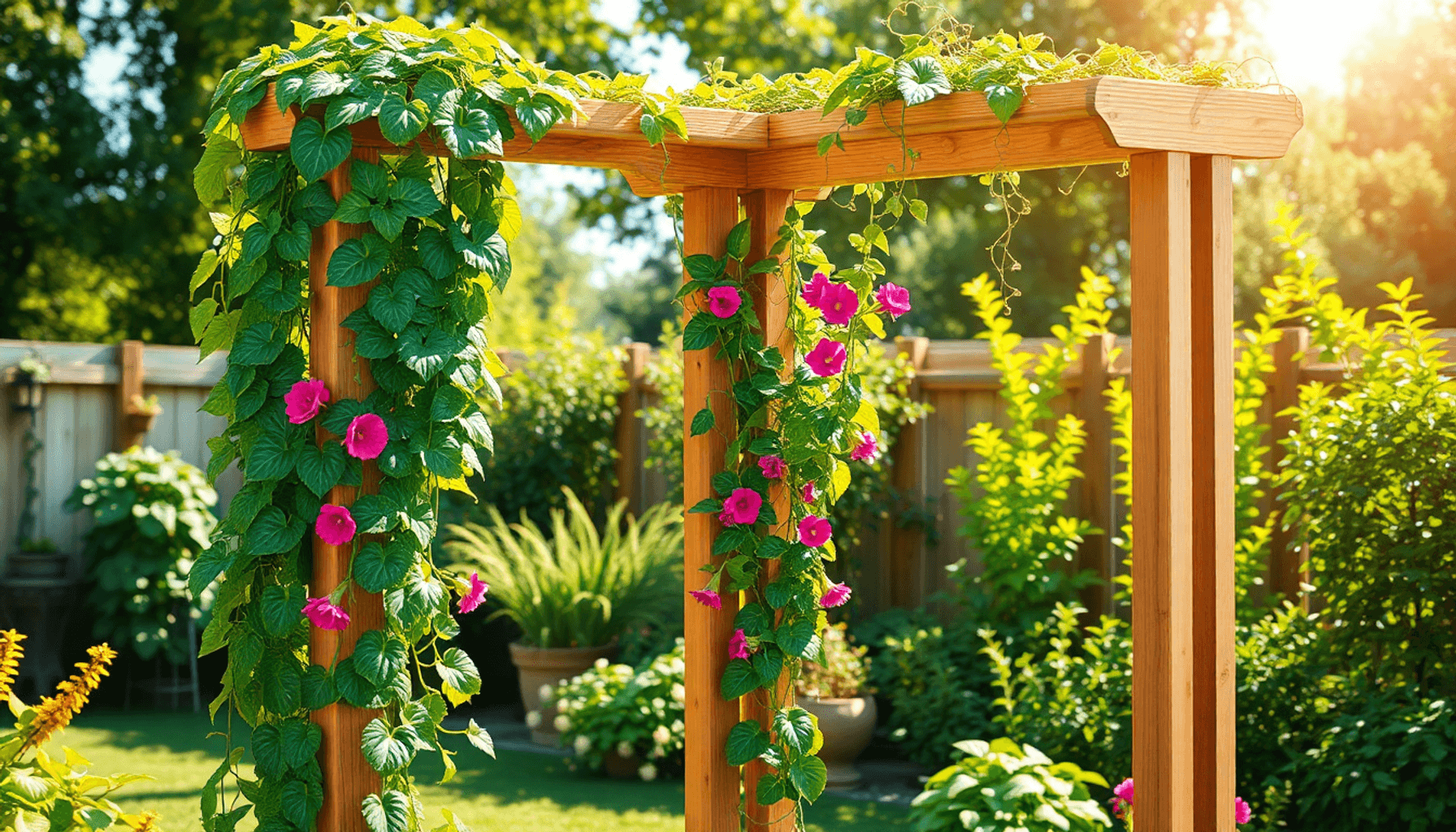

A garden trellis is an open framework, typically made from wood or metal, designed to support climbing plants. It consists of a lattice or grid of intersecting strips that provide a structure for vines and flowers to grow vertically. This framework helps gardeners manage plant growth and adds an architectural element to outdoor spaces.
Garden trellises serve dual purposes:
- Functional: They offer vital support to climbing plants, preventing sprawling growth on the ground, which can lead to damage or disease. Vertical growth also improves air circulation around the plants.
- Decorative: Trellises create visually appealing features such as blooming walls, archways, and garden screens. They can transform plain fences or walls into attractive focal points.
Understanding the benefits of garden trellis installation will help you appreciate why these structures are popular in gardens:
- Vertical plant support maximizes the use of limited space, allowing you to grow more plants in smaller areas. This is particularly beneficial when considering strategies like vertical gardening, which further optimizes space usage.
- Space optimization means better sunlight exposure and easier maintenance compared to ground-level planting.
If you're interested in learning how to put up a garden trellis, this guide will walk you through choosing the right materials and styles, preparing your garden space, and installing your trellis effectively for long-lasting performance and beauty.
Understanding Garden Trellises
Choosing the right garden trellis materials and design is crucial for both the functionality and the aesthetics of your garden. Trellises come in various forms, each offering unique advantages depending on your planting goals and outdoor space.
Common Materials for Garden Trellises
1. Wood
The most traditional choice, wood offers a natural look that blends seamlessly with garden environments. Cedar and redwood are popular for their resistance to rot and insects. Wood trellises can be painted or stained to match your garden’s color scheme but require regular maintenance such as sealing or treating to extend their lifespan.
2. Metal
Metal trellises, often made from wrought iron, steel, or aluminum, provide a sturdy and durable alternative. They usually require less upkeep than wood but may develop rust over time if not properly coated. Metal trellises can add an elegant or modern touch depending on their design.
Types of Garden Trellises and Design Options
Several styles are available, allowing you to tailor the trellis to fit specific garden needs:
1. Panel Trellises
Flat panels attach easily to walls or fences and work well for climbing plants like clematis or sweet peas. Panels come in simple grid patterns or decorative lattice designs.
2. Archways
Garden arches create stunning entryways or focal points. These curved structures support heavier climbers like wisteria or honeysuckle and add vertical interest.
3. Screens
Larger screening trellises provide privacy by blocking views into certain garden areas. They are ideal for dividing spaces or hiding unsightly features such as compost bins.
Selecting the Right Type Based on Your Garden
When choosing your trellis, consider these factors:
- Plant Type: Heavy woody climbers need strong, robust structures like metal arches or thick wooden panels. Lighter annuals thrive on delicate lattice panels.
- Space Constraints: If you have limited ground space, slimline panels attached vertically to walls save room while still supporting plant growth.
- Aesthetic Goals: For a rustic vibe, untreated wood with natural grain works well; sleek metal designs suit contemporary gardens better.
- Durability Needs: Metal generally lasts longer with less maintenance; wood offers customization but requires upkeep.
To help you understand what's the best type of trellis for your kitchen garden, matching your trellis material and design with the intended plants and overall garden style ensures both beauty and function. This foundation makes installation smoother and enhances plant health through proper support.
Preparing to Install a Garden Trellis
Proper garden trellis preparation is essential before you start the installation process, especially when working with wooden trellises. Wood exposed to outdoor elements can quickly fall victim to rot and decay if not treated correctly. Applying a wood preservative creates a protective barrier that extends the lifespan of your trellis, keeping it sturdy and visually appealing for years.
Why Treat Wooden Trellises?
- Prevents moisture absorption: Untreated wood soaks up rain and humidity, which accelerates rotting.
- Protects against fungal growth: Fungi thrive in damp conditions, breaking down wood fibers.
- Reduces insect damage: Preservatives often deter wood-boring insects that can weaken the structure.
- Maintains structural integrity: Treated wood stays strong enough to support climbing plants without warping or breaking.
Choose a high-quality, weather-resistant wood preservative suitable for outdoor use. Apply it liberally on all sides of the trellis—front, back, edges, and especially cut ends where moisture tends to enter.
Understanding Battens for Trellis Installation
Battens play a crucial role when mounting a garden trellis onto a wall or fence. They are narrow strips of wood or metal fixed securely to your surface first, creating a gap between the trellis and the backing structure.
This gap allows:
- Air circulation behind the trellis to prevent mold buildup.
- Space for plant stems to grow without being crushed.
- Easier maintenance access to both trellis and wall surface.
- Prevention of moisture trapped between the wall and trellis causing decay.
Recommended Batten Dimensions and Placement
To ensure stability and proper support for your garden trellis, follow these guidelines:
- Width: Battens should be between 30mm (1.2 inches) and 60mm (2.4 inches) wide.
- Thickness: Around 20mm (0.8 inches) thick provides enough strength without excessive bulk.
- Length & Quantity: Position battens at the top and bottom edges of the trellis as a minimum. For larger or heavier trellises, add one or more battens midway vertically.
Secure battens firmly using appropriate screws or masonry plugs depending on whether you’re attaching them to wood, brick, or concrete surfaces. Make sure battens are level and flush to avoid uneven pressure points on the trellis.
Addressing these key aspects of garden trellis preparation sets a solid foundation before moving on to fixing your trellis in place safely and effectively. For instance, I once built a simple wooden trellis over a raised bed which significantly improved my garden's aesthetics while providing ample support for climbing vegetables.
Step-by-Step Guide to Putting Up a Garden Trellis
Putting up a garden trellis involves several clear steps to ensure it is secure, functional, and long-lasting. Follow these garden trellis installation steps for effective results when attaching your trellis to a wall or fence.
Fixing Battens at Appropriate Positions
-
Measure and mark where the battens will be placed on the wall or fence. Typically, battens should be fixed at the top and bottom edges of where the trellis will sit. For larger trellises, consider adding one or more battens in between for extra support.
-
Use battens that are 30mm to 60mm wide to provide enough space between the wall and trellis. This gap allows air circulation and room for plants to grow without being cramped against the surface.
-
Secure battens firmly using appropriate screws and rawl plugs (if fixing into masonry walls). Make sure battens are level and straight — this alignment is crucial for a tidy finish.
-
The height of the battens should keep the bottom of the trellis at least a few inches off the ground, preventing moisture damage from soil contact.
Attaching the Trellis Onto Battens
- Screws: The most secure method is using corrosion-resistant screws (e.g., stainless steel or galvanized). Screws provide strong hold and allow easy removal if needed later.
- Nails: Less common but usable for lightweight wooden trellises. Nails tend not to hold as firmly over time, especially outdoors in varying weather.
- Hooks and Brackets: These offer a less permanent solution, ideal if you want flexibility or plan to reposition the trellis seasonally. Hooks allow easy removal but may not handle heavy loads well.
Each method has its place depending on your garden setup:
| Attachment Method | Pros | Cons |
| Screws | Strong, durable, reliable | Requires drilling |
| Nails | Quick installation | Less sturdy, prone to loosening |
| Hooks & Brackets | Removable, flexible | May lack stability for heavy plants |
Keeping the Trellis Off the Ground
Keeping your garden trellis elevated above ground level is critical:
- Prevents wood rot caused by prolonged exposure to damp soil.
- Reduces risk of insect infestations such as termites attacking untreated wood.
- Protects metal parts from rusting by avoiding direct contact with wet surfaces.
A good rule of thumb is to maintain at least 10cm (4 inches) clearance between the base of your trellis and soil or mulch. Use spacers or adjust batten height accordingly during installation.
Following these steps ensures your garden trellis is properly secured, stable, and ready to support climbing plants while resisting weather-related damage.
Alternative Attachment Methods for Garden Trellises
When considering attaching garden trellis alternatives, you gain flexibility especially if permanence is not desired or if you want to preserve the integrity of walls or fences. These options work well for renters, temporary setups, or delicate surfaces where drilling is not feasible.
Hooks and Brackets
Hooks and brackets offer a versatile solution for attaching garden trellises without causing any damage. Here's what you need to know:
- Provide an easy-to-remove solution without damaging the surface.
- Can be installed with minimal tools and effort.
- Available in various sizes and materials, including stainless steel for outdoor durability.
- Allow slight movement of the trellis which can reduce stress during wind or plant growth.
- Ideal for lightweight trellises or smaller climbing plants.
- May require reinforcement if supporting heavy plants like wisteria.
Weather-Resistant Adhesives
Using adhesive for outdoor use offers a no-drill method but demands careful selection:
- Look for adhesives specifically rated for exterior conditions—UV resistance, waterproofing, and temperature tolerance are critical.
- Some polyurethane or epoxy-based adhesives can bond wood or metal trellises securely to masonry or painted surfaces.
- Application must follow manufacturer’s instructions precisely; surface preparation (cleaning, drying) is essential.
- Pros include clean installation without holes and quick setting times.
- Cons involve limited lifespan under harsh weather, difficulty in removal, and reduced strength on textured or porous surfaces.
- Not recommended for very heavy trellises or those bearing significant plant weight.
Zip Ties and Garden Wire
Zip ties for garden trellis and garden wire represent cost-effective, temporary fastening methods:
- Extremely affordable and widely available in hardware stores.
- Simple to install and remove; useful when adjusting trellis position frequently.
- Best suited for attaching trellises to fences, poles, or existing structures rather than flat walls.
- Provide less structural support compared to screws or brackets — risk loosening over time due to weather exposure.
- Can be combined with other methods as secondary support during plant establishment phases.
- Cable ties made from UV-resistant nylon last longer outdoors than standard varieties.
Using these attaching garden trellis alternatives depends on your specific needs: whether you prioritize permanence, ease of installation, cost savings, or preservation of existing structures. Each method has its place depending on the material of your trellis and mounting surface plus the type of climbers you plan to grow.
Choosing Suitable Climbing Plants for Your Trellis
Selecting the right climbing plants for trellis depends on the garden’s aesthetic goals, the trellis structure, and local climate conditions. Choosing plants with complementary growth habits and seasonal interest can transform your vertical space into a lush, vibrant feature.
Popular Climbing Plants for Trellises
Here are some popular climbing plants that work well with trellises:
- Ivy (Hedera helix): An evergreen climber well-known for its dense foliage and ability to cover large areas quickly. Ivy clings tightly to surfaces, making it ideal for walls and sturdy trellises.
- Clematis: Offers a wide range of flower colors and bloom times. Clematis varieties vary from compact to vigorous growers. They prefer trellises that allow their tendrils to wrap around thin supports.
- Honeysuckle (Lonicera): Valued for fragrant flowers attracting pollinators. Honeysuckles need strong support because some varieties can become quite heavy as mature plants.
- Sweet Peas (Lathyrus odoratus): Annual climbers known for colorful blooms and sweet scent. Sweet peas grow rapidly but require lighter trellises or netting due to their delicate stems.
- Morning Glories (Ipomoea): Fast-growing annuals with trumpet-shaped flowers opening in the morning. They thrive on simple wire or bamboo trellises but are less suitable for heavy-duty wooden structures.
- Wisteria: Vigorous perennial climbers with cascading flower clusters. Requires very strong, well-anchored trellises or pergolas as mature vines become woody and heavy.
- Canary Creeper (Tropaeolum peregrinum): A more unusual choice featuring bright yellow flowers and delicate foliage. It suits lightweight trellising and adds a splash of color in summer months.
Annual vs Perennial Climbers
Understanding the difference between annual and perennial climbers is crucial in selecting the right plants for your garden:
- Annual Climbers complete their life cycle in one growing season. They provide quick coverage and vibrant blooms but must be replanted yearly. Examples include sweet peas and morning glories.
- Perennial Climbers live for several years, developing woody stems over time. These plants often require sturdier support but reward you with longevity and more substantial growth. Examples include clematis, wisteria, and ivy.
Matching Plant Choice with Trellis Sturdiness and Positioning
When choosing a trellis, consider the weight and growth habit of your climbers:
- Lightweight annuals like sweet peas benefit from flexible materials such as bamboo or plastic netting.
- Heavy perennials like wisteria demand robust wooden or metal frameworks securely anchored to withstand wind load.
- Evergreen climbers such as ivy add year-round greenery but may overwhelm delicate structures if left unchecked.
- Positioning affects plant health; sun-loving species need trellises placed where they receive adequate light while shade-tolerant varieties can thrive in less sunny spots.
Choosing the right combination of climbing plants ensures your vertical gardening efforts succeed both functionally and visually.
Planting and Training Climbers on the Trellis
Planting Near the Trellis
When planting near a trellis, it's important to consider the distance from walls or fences. Leave a gap of about 6 to 12 inches (15 to 30 cm) between the climbers and any vertical structures. This space allows the climbing plants to receive enough sunlight and rainwater, preventing waterlogging and promoting healthy root growth.
Training Climbers on the Trellis
Training climbing plants is crucial for directing their growth along the trellis. Use soft cable ties or garden twine to gently secure stems horizontally. Be careful not to tie too tightly, as this can harm delicate plant tissues and restrict natural expansion.
Key Techniques for Tying Plants to the Trellis
Here are some important techniques to keep in mind when tying plants to the trellis:
- Use flexible ties: Opt for soft garden tape or coated cable ties that won't cut into stems.
- Tie at regular intervals: Make sure to tie at intervals of approximately 6 to 8 inches (15 to 20 cm) along the stem for balanced support.
- Adjust ties regularly: As plants grow, remember to loosen or replace ties as needed to prevent girdling.
Encouraging Healthy Vertical Growth
To encourage strong upward growth, it's essential to consistently train your climbing plants:
- Start training young shoots early by weaving them through the openings of the trellis.
- Regularly pinch back any overly vigorous growth to promote bushier habits.
- Keep an eye on plant direction and gently redirect any wayward stems toward open spaces on the trellis.
- Promptly remove dead or diseased shoots to maintain vigor.
By following these steps, you'll help your climbers establish strong attachment points and develop an attractive, evenly distributed canopy on your garden trellis.
Maintenance Tips to Ensure Longevity of Your Garden Trellis
Maintaining garden trellis structures requires consistent care to preserve their integrity and appearance. Wooden trellises, in particular, benefit from regular attention due to their exposure to outdoor elements. Consider these key maintenance practices:
Routine Inspection and Preservative Reapplication
Perform these tasks at least once a year to keep your wooden trellis in good condition:
- Inspect the wood: Look for signs of wear such as cracking, fading, or soft spots caused by moisture.
- Reapply wood preservative: Follow the product instructions and apply a wood preservative annually or as recommended. This will help weatherproof your outdoor wood structure by creating a protective barrier against water damage and UV rays.
- Pay attention to vulnerable areas: Focus on joints and the base near the ground where water tends to accumulate or drip.
Checking Attachment Points for Stability
Make it a habit to check these attachment points regularly:
- Inspect screws, nails, hooks, and brackets: Look for any signs of rust, loosening, or warping that could compromise stability.
- Tighten or replace hardware as needed: Ensure that the trellis remains firmly attached to battens or supporting walls by tightening or replacing any loose or damaged hardware.
- Maintain proper attachment: This will prevent structural sagging and help withstand wind pressure and plant weight.
Pest Prevention on Trellises
Take these preventive measures to protect your wooden trellis from pests:
- Apply insecticidal treatments: Use treatments specifically designed for outdoor wood surfaces at intervals aligned with your preservative application.
- Trim surrounding vegetation: Keep nearby plants trimmed to reduce pest habitats close to the trellis.
- Monitor climbing plants: Regularly check for signs of pest infestation such as chewed leaves or sticky residue on your climbing plants and promptly treat any affected plants.
Regular upkeep not only prolongs the life of your garden trellis but also supports healthy plant growth by providing a stable framework free from decay and infestation.
Enhancing Garden Aesthetics with Your Trellis Installation
A garden trellis offers more than just structural support for climbing plants; it can transform your outdoor space into a visually striking area filled with charm and personality. You can leverage decorative garden features through careful placement and plant selection to elevate the look of your garden.
Use Your Trellis as a Focal Point or Entryway Feature
Positioning a trellis near entrances, pathways, or central garden spots naturally draws the eye. This creates an inviting atmosphere and defines spaces without the need for solid barriers. For example:
- An archway trellis covered in blooming clematis or sweet peas creates a stunning gateway.
- A tall panel trellis adorned with wisteria can frame a seating area, making it feel intimate and enclosed.
Such placements encourage visitors to explore and enjoy the vertical elements of your garden design.
Combine Different Climbing Plants for Seasonal Color Variation
Mixing several climbing plants on one or multiple trellises adds dynamic interest throughout the year. Consider pairing:
- Early-blooming clematis with summer-flowering honeysuckle.
- Vibrant morning glories alongside evergreen ivy for continuous greenery.
This approach ensures your trellis is never dull, offering bursts of color and texture as different plants reach their peak seasons.
Create Privacy Screens with Trellises
Trellises serve practical purposes by masking less attractive areas or providing secluded nooks within your garden. Using dense climbers like ivy or canary creepers on large panel trellises produces natural privacy screens that block views while still letting light filter through.
This technique works well to:
- Hide utility areas, compost bins, or fences in need of visual softening.
- Define outdoor rooms for relaxation or dining without building permanent walls.
The mesh-like structure of most trellises allows air circulation, preventing stuffiness while maintaining seclusion.
Artfully installed, a garden trellis not only supports plant growth but also shapes the character and ambiance of your outdoor space. Its role as a decorative element complements its functional benefits effectively.
Conclusion
Installing a garden trellis has many benefits that are hard to ignore. Whether you want to make the most of your space, add visual interest, or create a stunning backdrop for climbing plants, a trellis offers both practical and aesthetic value.
Key advantages include:
- Space optimization by encouraging plants to grow upwards rather than outwards
- Enhanced garden design with opportunities to create focal points, archways, or privacy screens
- Support for healthier plant growth, reducing overcrowding and improving air circulation
You don’t need to be a gardening expert to achieve these results. The process of how to put up a garden trellis is straightforward and accessible. By following simple steps—preparing battens, choosing the right materials, and selecting suitable climbers—you can perform one of the easiest garden upgrades that make a significant difference.
Taking on this project also invites personal creativity. Mix and match different climbers for seasonal color, transform plain walls into lush green canvases, or carve out cozy private corners in your outdoor space. The versatility of trellises means they fit many garden styles and sizes.
Consider this an open invitation: give vertical gardening a try with your own trellis installation. You’ll experience firsthand the benefits of installing a garden trellis while enriching your outdoor environment in an affordable and rewarding way. Your garden will thank you with vibrant life and beauty that grows skyward.
FAQs (Frequently Asked Questions)
What is a garden trellis and what are its main purposes?
A garden trellis is a framework, typically made from wood or metal, designed to support climbing plants. It serves both functional and decorative purposes by providing vertical plant support, optimizing garden space, and enhancing the overall garden aesthetics.
What materials and designs are commonly used for garden trellises?
Common materials for garden trellises include wood and metal. Trellis designs vary widely, including panels, archways, and screens. Choosing the right type depends on your garden needs, aesthetic preferences, and the types of climbing plants you want to support.
How should I prepare a wooden garden trellis before installation?
Wooden trellises should be treated with a preservative to prevent rot and extend their lifespan. Additionally, battens—wooden strips—are used to mount the trellis securely onto walls or fences. Recommended batten dimensions and proper placement ensure stability during installation.
What are the step-by-step instructions for installing a garden trellis?
First, fix battens at appropriate positions on the wall or fence. Then attach the trellis onto these battens using screws, nails, or hooks and brackets. It's important to keep the trellis off the ground to avoid moisture damage and ensure long-term durability.
What alternative methods exist for attaching a garden trellis without permanent fixtures?
Less permanent attachment options include using hooks and brackets or weather-resistant adhesives suitable for outdoor use. Cost-effective but less sturdy methods like zip ties or garden wire can also be used; however, they may not provide long-term stability.
Which climbing plants are best suited for growing on a garden trellis?
Popular climbers for trellises include ivy, clematis, honeysuckle, sweet peas, morning glories, wisteria, and canary creepers. When selecting plants, consider whether they are annual or perennial climbers and match their growth habits with the sturdiness and positioning of your trellis.