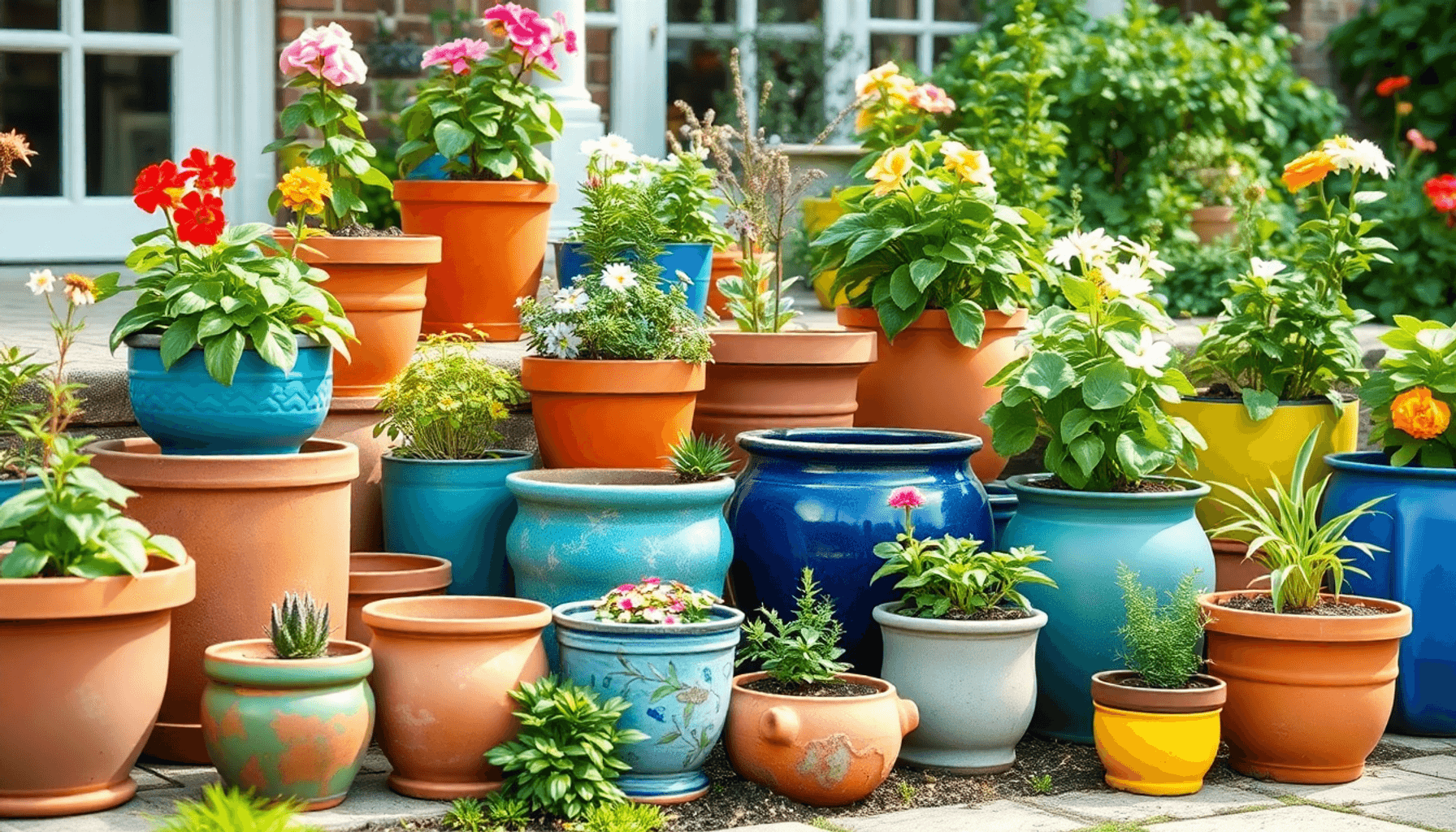

Arranging pots and containers in your garden transforms ordinary outdoor spaces into vibrant, personalized environments. This practice goes beyond simply placing plants in containers—it is an art and science that enhances garden design with pots, blending aesthetics with functionality.
Benefits of arranging pots in garden spaces include:
- Enhancing visual appeal: Thoughtfully grouped and placed containers create focal points, add texture, and bring color contrasts that draw the eye.
- Improving plant health: Proper arrangement considers light exposure, airflow, and moisture retention, helping plants thrive.
- Maximizing limited space: Containers allow for flexible use of small patios, balconies, or garden corners otherwise difficult to cultivate. In fact, mastering small space gardening can significantly enhance your gardening experience.
Mastering container gardening basics involves understanding how to group pots effectively, select the right plants and materials, optimize watering routines, and maintain healthy growth. You will learn techniques for using vertical space creatively and ways to move containers to suit changing light or seasonal needs. These considerations come together to create beautiful displays that are practical as well as pleasing.
This guide covers key aspects of how to arrange pots and containers in your garden so you can develop a space that reflects your style while supporting thriving plant life.
Understanding the Basics of Container Gardening
Container gardening has surged in popularity for its versatility and accessibility. It involves growing plants exclusively in pots, containers, or other confined spaces instead of traditional garden beds. This method suits urban environments, small yards, balconies, and patios where ground planting is limited or impossible.
Benefits of Container Gardening
Container gardening benefits include:
- Flexibility to rearrange plants easily
- Control over soil quality and moisture levels
- Ability to grow a wide variety of plants regardless of native soil conditions
- Space efficiency, making use of vertical or tight areas
- Easier pest management compared to open-ground gardening
Key Differences from Traditional Gardening
The care and design approach for pots and containers differ significantly from traditional garden beds. Unlike in-ground gardens where roots can spread extensively, container plants are confined to limited space. This means:
- Soil dries out faster, requiring more frequent watering
- Nutrients deplete quickly, demanding regular feeding
- Root systems need appropriate pot sizes to prevent stress or root rot
- Drainage must be carefully managed to avoid waterlogging
Essentials for Successful Pot Gardening
A few pot gardening essentials to keep in mind:
- Space: Choose containers that fit your available area without overcrowding. Consider the mature size of plants to allow enough room for growth.
- Light: Assess sunlight exposure carefully. Some plants thrive in full sun while others prefer shade; place pots accordingly.
- Watering: Container soils dry more rapidly than garden beds so plan a consistent watering schedule, adjusting for season and weather.
- Soil and Drainage: Use high-quality potting mix designed for containers along with pots that have adequate drainage holes.
Understanding these fundamentals sets the stage for effective grouping, placement, and plant selection strategies that enhance both aesthetics and plant health in your container garden.
1. Grouping Pots Effectively
Grouping pots in clusters of 3 to 5 creates a visually appealing arrangement that feels natural and balanced. This cluster size strikes the right harmony between variety and cohesion, preventing the display from looking cluttered or sparse. When you group pots together, each container complements the others, producing a unified look that draws the eye.
Using pot clusters to form a garden border with pots is an excellent way to define pathways, edges, or garden beds. These borders can fill gaps where planting directly in soil may be difficult or where you want to add bursts of color and texture without permanent landscaping changes. Clusters also work well on patios and terraces by breaking up large empty spaces and offering flexible design options.
Benefits of grouping pots go beyond aesthetics:
- Moisture retention: Closely placed pots create a microenvironment that reduces evaporation and transpiration, helping soil stay moist longer—especially useful during hot weather.
- Creating focal points: A thoughtfully arranged cluster attracts attention and serves as a centerpiece in your outdoor space.
- Ease of care: Grouping plants with similar watering needs allows you to tend to them efficiently.
Avoid overcrowding by leaving enough space between pots for airflow and growth. Too tight a cluster can restrict plant development and increase risk of disease due to poor ventilation. Consider the mature size of your plants when positioning containers so they won’t outgrow their shared space or compete for light.
Vary pot sizes within groups to add interest but maintain balance; mixing small, medium, and large pots avoids monotony while keeping the cluster cohesive. Arrange taller plants or containers toward the back or center, with shorter ones around them, enhancing depth without overwhelming any single specimen.
Grouping pots effectively transforms ordinary container collections into dynamic garden features that enhance both function and style in your outdoor living areas.
2. Strategic Pot Placement for Visual Appeal and Plant Health
Arranging pots with intention can transform your garden into a vibrant, well-organized space that supports both aesthetics and plant health. Effective pot placement involves thoughtful use of vertical space, layering, and smart solutions for small gardens or patios.
Use Vertical Space in Your Garden
Maximize the height dimension by placing taller pots at the back of your arrangement and shorter ones in front. This method ensures:
- Improved sunlight access: Taller plants do not block light from reaching smaller plants.
- Visual depth: A tiered effect adds interest and avoids a flat, monotonous look.
- Better airflow: Spacing pots by height encourages circulation around plants, reducing disease risk.
Layering Plants in Containers
Layering goes beyond pot height—it also incorporates plant size and growth habits to create a balanced composition.
- Place trailing plants around the edges to soften pot rims and add movement.
- Use mid-height plants for the main body of the container.
- Insert upright or taller species centrally or at the back.
This approach allows each plant to receive adequate light while contributing to a lush, textured display.
Utilize Plant Stands and Shelves on Patios or Small Areas
Space constraints demand creative solutions. Use vertical gardening tools like:
- Plant stands of varying heights to stagger containers effectively.
- Wall-mounted shelves or tiered shelving units to exploit unused vertical surfaces.
- Hanging pots to free up floor space.
These options enable you to fit more plants without overcrowding while maintaining accessibility for care tasks like watering and pruning.
Pot Placement Tips Summary
- Group pots by height for layered visual appeal.
- Keep taller containers toward the back or corners of your garden beds or patio setups.
- Incorporate trailing plants at container edges for softness.
- Add vertical structures such as stands or shelves for compact spaces.
Strategic positioning enhances not only the look but also the health of your container garden by balancing light exposure, moisture retention, and air circulation.
3. Choosing the Right Plants for Your Containers
Selecting the right plants is crucial for successful container gardening. The choices you make affect not only aesthetics but also maintenance and plant health. Focus on container plant selection tailored to your garden’s environment and your personal style.
Plant One Species Per Pot
- Planting a single species in each pot simplifies care and highlights the plant’s unique features.
- Use multiple specimens of the same plant to create a bold, unified splash of color or texture.
- This method enhances visual impact without overwhelming the eye, creating a coherent look.
Limit Variety to Reduce Visual Clutter
- Avoid mixing too many different plants in one area to maintain order.
- Excessive variety can create confusion, making the garden appear chaotic.
- Limiting variety eases maintenance since similar plants often share water and nutrient needs.
Plan for Seasonal Blooms
- Select seasonal plants for pots that bloom at different times to keep your containers interesting year-round.
- Early spring bulbs like crocuses can give way to summer annuals such as petunias or geraniums.
- Autumn foliage plants like chrysanthemums add color as summer fades, while evergreens maintain structure through winter.
Consider Planting Density in Containers
- Avoid overcrowding by respecting each species’ mature size; this prevents competition for nutrients and air circulation problems.
- Proper spacing reduces disease risk and encourages healthy root growth.
- Dense planting of compatible species can create lush displays but requires careful monitoring.
Choosing the right plants with these principles fosters vibrant, manageable container gardens that adapt gracefully across seasons.
4. Selecting Pot Materials and Styles for Functionality and Aesthetics
Choosing the right pot material shapes not only the look of your container garden but also affects plant health and maintenance. Understanding the characteristics of common materials helps you make informed decisions tailored to your garden’s needs.
Common Pot Materials Comparison
| Material | Characteristics |
| Terracotta | Warm, earthy tones; porous texture for good drainage and aeration |
| Ceramic | Glazed finish in various colors; retains moisture longer than terracotta |
| Metal | Sleek or rustic appearance; heats up quickly under direct sun |
| Plastic | Lightweight and budget-friendly; non-porous for moisture retention |
| Wood | Natural texture; requires sealing or treatment for longevity |
Terracotta
Recognized for its warm, earthy tones and porous texture, terracotta allows air and moisture to pass through the walls. This natural breathability helps prevent root rot by promoting good drainage and aeration. However, terracotta can dry out quickly in hot weather and may crack in freezing temperatures unless properly insulated or brought indoors.
Ceramic
Often glazed, ceramic pots come in a variety of colors and finishes that add a polished look to any garden space. The glaze reduces porosity, helping retain moisture longer than terracotta. Ceramic containers tend to be heavier, offering stability for taller plants but may chip or break if dropped.
Metal
Metal pots provide a modern aesthetic with sleek surfaces or rustic charm depending on the finish (e.g., galvanized steel or copper). They heat up rapidly under direct sun, which can stress roots; lining metal containers or placing them in partial shade mitigates this issue. Rust-resistant metals are preferable for longevity.
Plastic
Lightweight and budget-friendly, plastic pots retain moisture well due to their non-porous nature. They come in countless shapes, sizes, and colors but often lack the visual texture of natural materials. Plastic containers are less durable under prolonged UV exposure unless treated for outdoor use.
Wood
Wooden planters introduce natural texture and warmth, blending seamlessly into garden settings. Cedar or redwood are popular choices due to their resistance to decay. Wood requires regular sealing or treatment to extend lifespan and typically includes drainage holes to prevent waterlogging.
Frost-Proof Containers: Protecting Plants Year-Round
Selecting frost-resistant pots is crucial in climates with cold winters. Frost-proof containers prevent cracking caused by water freezing inside porous materials. Resin composites, certain ceramics specifically designed for outdoor use, and thick-walled plastic pots often meet this requirement.
Drainage plays a vital role alongside frost resistance:
"Good drainage holes prevent standing water at the bottom of the pot which can freeze and damage roots."
Elevating pots slightly off the ground using feet or pot stands improves air circulation beneath them, reducing frost impact further.
Combining functionality with style means choosing pot materials that suit your climate while complementing your garden’s overall aesthetic. By balancing visual appeal with practical needs such as drainage capacity and frost tolerance, you ensure your container garden thrives through all seasons.
5. Watering and Feeding Practices for Container Plants
Container plants have distinct watering and feeding needs compared to garden beds because their soil volume is limited. This affects moisture retention and nutrient availability, making attentive care essential.
Watering Container Plants
- Frequency: Watering container plants requires more regular attention. In summer, many containers need watering every other day, sometimes daily, especially if placed in full sun or windy spots.
- Signs of drought stress: Wilting leaves, dry soil surface, and slower growth indicate the need for water. Check moisture by inserting your finger about an inch deep into the soil; if it feels dry, it’s time to water.
- Watering method: Use a gentle stream to avoid displacing soil or damaging roots. Ensure water penetrates deeply rather than just wetting the surface.
- Drainage importance: Pots must have sufficient drainage holes to prevent waterlogging. Excess water should freely escape to avoid root rot and fungal issues.
- Mulching benefits: Adding a thin layer of mulch on top helps reduce evaporation and maintains consistent moisture levels.
Feeding Potted Plants
- Nutrient depletion risk: Soil in containers depletes faster since it’s a confined space without natural replenishment from surrounding earth.
- Slow-release fertilizers for containers: These are ideal as they gradually supply nutrients over weeks or months. Choose formulations designed specifically for container use to avoid buildup or burning roots.
- Regular feeding schedule: Liquid fertilizers applied every 2–4 weeks during active growth periods keep plants healthy and vibrant. Adjust feeding frequency based on plant species and growth rate.
- Organic options: Compost teas or seaweed extracts provide gentle nourishment while improving soil structure and microbial life within pots.
- Avoid overfeeding: Excess fertilizer can harm plants or lead to salt accumulation in the soil. Follow label instructions carefully.
Practical Tips for Managing Watering and Feeding
- Group pots with similar watering needs together to simplify care routines.
- Use self-watering containers or add water-retentive gels in pots prone to drying quickly.
- Monitor plant response regularly; yellowing leaves may signal overwatering, while browning edges often indicate under-watering or nutrient deficiency.
Maintaining proper watering container plants habits combined with thoughtful feeding potted plants strategies supports vigorous growth and vibrant displays. You will find that attentiveness here influences the success of How to Arrange Pots and Containers in Your Garden by keeping your plantings thriving through changing seasons.
6. Mobility Advantages: Moving Containers to Optimize Growth
Container gardening offers unique container mobility benefits that traditional garden beds cannot match. You gain the ability to easily reposition potted plants as needed, responding to changes in light, weather, and seasonal shifts. This flexibility plays a key role in optimizing plant health and maximizing your garden’s visual appeal.
1. Adjusting for Light Conditions
Sunlight exposure varies throughout the year and even day-to-day due to weather or nearby growth. With containers, you can move plants from shaded spots to sunnier locations or vice versa depending on their needs. Shade-loving ferns might be relocated under trees during summer, while sun-loving herbs can be brought into brighter areas. This adaptability ensures plants receive the right amount of light without permanent relocation or pruning.
2. Seasonal Displays and Decoration
Repositioning potted plants allows you to refresh your garden’s look with seasonal blooms. For example, spring bulbs in containers can be placed prominently near entrances and then moved aside when summer annuals take over. Festive arrangements for holidays or special occasions become easier when pots are mobile. You can create focal points anywhere in your garden or patio and change them regularly to maintain interest.
3. Ease of Watering and Maintenance
Moving containers closer to water sources simplifies watering routines, especially during dry spells when daily attention is needed. It also helps with feeding, pest control, and pruning since you can bring plants into accessible spaces rather than working around fixed beds. Mobility reduces strain on your back by allowing you to tend plants from comfortable positions.
4. Protection from Harsh Weather
Potted plants can be moved indoors or sheltered areas during frost, heavy rain, or strong winds—conditions that might damage delicate foliage or roots if left exposed outdoors. Containers act as portable microhabitats; moving them lets you control environmental stressors more effectively than with in-ground planting.
5. Maximizing Space Through Reconfiguration
Container gardens thrive on creative layouts that evolve over time. Mobility lets you experiment with different arrangements until you find the best grouping for aesthetics and plant compatibility. You can shift pots seasonally or as plants grow larger without permanent redesign efforts.
Incorporating repositioning potted plants into your care routine enhances both the practicality and beauty of container gardening. This dynamic approach gives you control over plant environments and helps maintain thriving displays all year long.
7. Maintenance Tips Specific to Container Gardening
Maintaining container plants requires consistent attention tailored to their unique environment. Unlike garden beds, pots restrict root space and moisture retention, making container plant maintenance vital for thriving growth.
Avoiding Root Rot in Pots
Root rot is a common issue caused by waterlogged soil and poor drainage. One of the main culprits is overpotting, where you use containers too large for the plant’s root system. Large pots hold excess moisture that roots cannot absorb quickly, leading to rot and decay.
- Choose pot sizes proportional to your plant’s current root ball.
- Ensure containers have sufficient drainage holes.
- Use well-draining soil mixes designed for containers.
- Check soil moisture regularly; water only when the top inch feels dry.
Pest Control in Containers
Pests like vine weevils can be persistent problems in container gardening. These insects lay eggs in the soil, and their larvae feed on roots, weakening plants. Fungal diseases such as powdery mildew also appear frequently due to high humidity around container plants.
- Inspect leaves and stems weekly for signs of pests or fungal growth.
- Remove affected foliage immediately to prevent spread.
- Use natural predators or organic insecticides suitable for container use.
- Maintain good air circulation around pots by spacing them adequately.
General Upkeep Practices
Healthy container plants benefit from routine care beyond watering and feeding:
- Rotate pots occasionally to ensure even light exposure.
- Deadhead spent flowers and trim back leggy growth to encourage bushier plants.
- Refresh topsoil annually or repot every 1–2 years with fresh compost.
- Clean pots periodically to remove algae, salt build-up, or debris that can harbor pests or diseases.
By focusing on proper pot sizing, vigilant pest control, and regular upkeep, your container garden stays vibrant and productive throughout the seasons. These practices reduce stress on plants and create an environment where roots can breathe and flourish.
8. Enhancing Garden Aesthetics with Pots and Containers
Creating an aesthetic container garden goes beyond simply placing pots around your space. It involves thoughtfully mixing various elements to achieve a harmonious and visually engaging display. Here are practical ideas on how to arrange pots and containers in your garden to elevate its beauty while meeting plant needs.
Mixing Pot Sizes, Colors, and Textures
- Variety in Size: Use a combination of large, medium, and small pots. Larger containers can anchor the arrangement, while smaller ones add detail and fill gaps without overwhelming the space.
- Color Coordination: Experiment with pot colors ranging from natural terracotta tones to vibrant painted finishes or neutral ceramics. Contrasting colors can highlight specific plants, while matching hues create a cohesive look.
- Material Contrast: Combine different materials such as rustic terracotta, sleek ceramics, weathered metal, or natural wood. The textural differences add depth and interest to the display.
This approach breaks monotony and creates multiple points of visual engagement across your garden.
Incorporating Fragrant Potted Plants
Fragrance adds another sensory dimension that enriches any garden space. Consider incorporating fragrant plants in your containers such as:
- Herbs: Lavender, rosemary, thyme
- Flowering Plants: Jasmine, gardenias, scented geraniums
- Foliage Plants: Lemon balm or eucalyptus varieties
Grouping these fragrant pots near seating areas or pathways enhances enjoyment of your outdoor environment. The scent also attracts beneficial pollinators like bees and butterflies.
Balancing Practical Needs with Design Goals
- Position pots so that plants receive the appropriate sunlight according to their requirements—sun-loving species in full sun spots; shade-tolerant ones where light is filtered.
- Arrange containers to maintain good airflow between them to prevent fungal issues.
- Use pot stands or tiered shelving units not just for vertical layering but also for creating interesting sightlines that draw the eye throughout your garden.
A well-planned aesthetic container garden integrates both function and style seamlessly.
Remember: Your garden style—be it modern minimalist, rustic cottage, tropical paradise, or formal elegance—should influence your choice of pot shapes, colors, and plant types for a unified look.
By mixing pot colors and textures thoughtfully and selecting fragrant potted plants strategically, you create an inviting atmosphere that reflects your personal taste while supporting healthy plant growth.
Conclusion
Mastering how to arrange pots and containers in your garden transforms any outdoor area into a vibrant, organized, and thriving space. Paying attention to key factors ensures your container garden not only looks appealing but also supports healthy plant growth.
Remember these essentials to achieve success:
- Group pots thoughtfully in clusters of 3-5 to create visual harmony without overcrowding.
- Use vertical layering by placing taller pots behind shorter ones for depth and optimal sunlight access.
- Select plants wisely, favoring one species per container and planning seasonal blooms for continuous interest.
- Choose pot materials that complement your garden style while providing durability, drainage, and frost resistance.
- Water and feed regularly, adapting to the increased needs of container plants compared to traditional beds.
- Take advantage of container mobility to respond to changing light conditions or design preferences.
- Implement maintenance practices that prevent common issues like overpotting or pest infestations.
- Blend colors, textures, sizes, and fragrances creatively to elevate your garden’s aesthetic appeal.
Your container garden is a flexible canvas. Thoughtful arrangement allows you to maximize space, enhance plant health, and express personal style. With these guidelines in mind, you gain confidence in creating stunning displays that invite enjoyment throughout the seasons.
FAQs (Frequently Asked Questions)
What are the key benefits of arranging pots and containers in my garden?
Arranging pots and containers in your garden enhances aesthetics, improves plant health, and maximizes space utilization. It allows for creative garden design, better moisture retention, and can create focal points or fill gaps effectively.
How does container gardening differ from traditional garden beds?
Container gardening involves growing plants in pots or containers rather than directly in the ground. This method requires different care such as more frequent watering, attention to pot materials for drainage and frost resistance, and strategic placement to optimize light exposure. It offers flexibility and is ideal for limited spaces.
What are the best practices for grouping pots effectively in a garden?
Grouping pots in clusters of 3-5 creates visual appeal and can be used to form garden borders or fill empty spaces. Benefits include improved moisture retention and creating focal points. However, it's important to avoid overcrowding to ensure each plant has adequate space and resources.
How should I choose plants for my container garden to maintain visual harmony?
It's recommended to plant one species per pot but with multiple specimens to maximize color impact. Limiting variety reduces visual clutter and simplifies maintenance. Planning for seasonal blooms ensures year-round interest and keeps your container garden vibrant.
What factors should I consider when selecting pot materials and styles?
Choose pot materials like terracotta, ceramic, metal, plastic, or wood based on their visual textures and functional qualities. Ensure pots are frost-resistant with good drainage to protect plants from waterlogging and cold damage. Mixing pot sizes, colors, and textures can enhance overall garden aesthetics.
How often should I water and feed plants in containers compared to ground plants?
Container plants typically require more frequent watering than ground plants—usually every other day during summer months due to faster drying of soil. Feeding with slow-release or regular fertilizers during the growing season is essential to maintain plant health in containers.