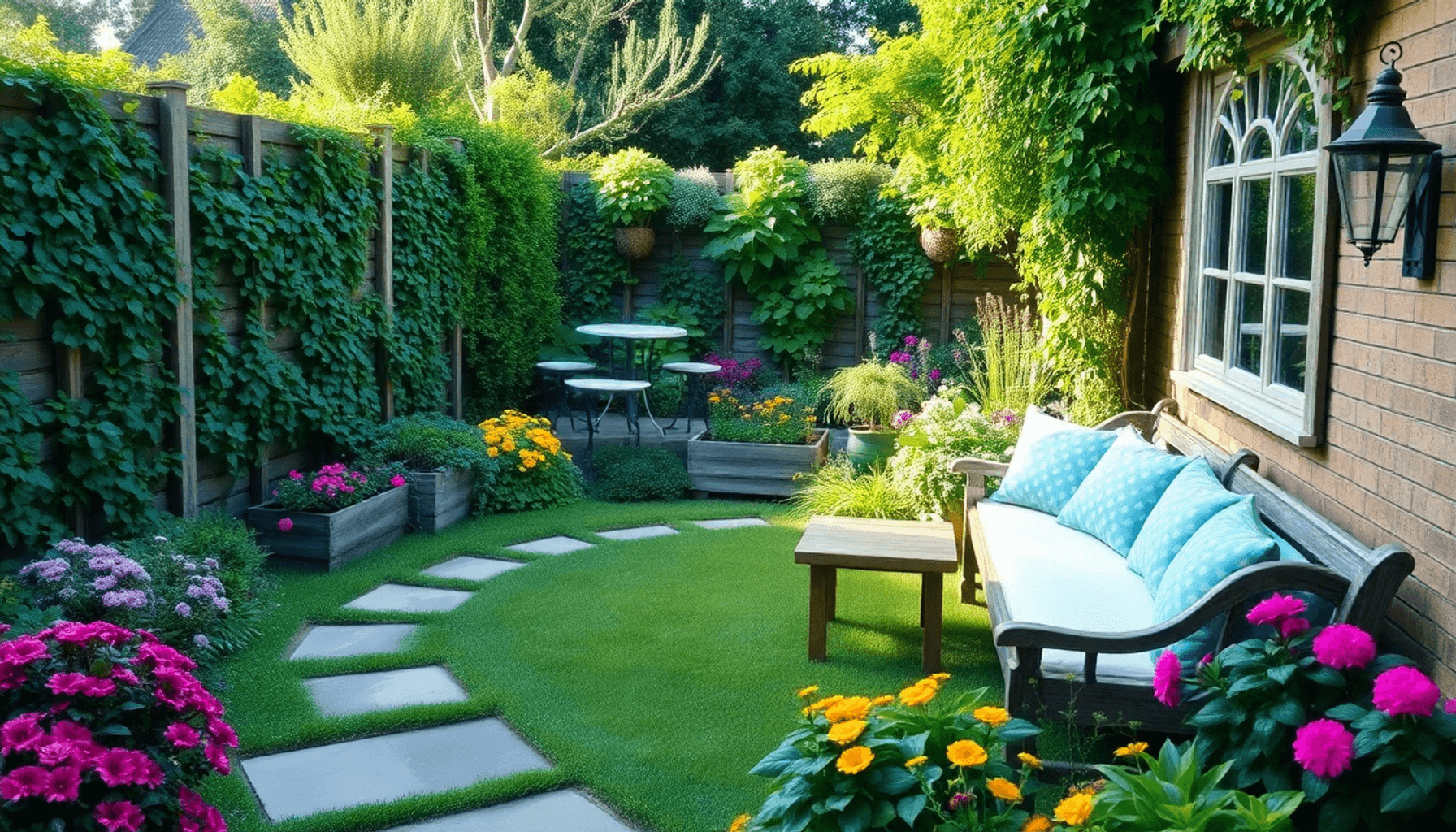

If you have a limited outdoor area, you know how challenging it can be to create a garden that feels both spacious and inviting. This article, Small Garden Ideas UK: 25 Ways to Transform a Tiny Space, offers practical solutions tailored specifically for small outdoor spaces in the UK. Whether you’re working with a compact city backyard, a narrow courtyard, or a petite suburban plot, these ideas will help you unlock the full potential of your garden.
You will discover techniques to enhance visual space using design principles like repetition and focal points. Planting strategies focus on selecting varieties that provide structure, height, and seasonal interest without overwhelming the area. Smart ways to maximize every inch of space include vertical gardening and multifunctional furniture ideas.
Additional sections cover charming garden features that add personality and function without cluttering your space. For busy gardeners, low-maintenance suggestions ensure your garden stays beautiful with minimal effort. Inspiration drawn from UK garden designers reveals stylish approaches perfect for small gardens.
Expect useful tips on how transforming your tiny garden can benefit mental well-being by creating a peaceful retreat. This guide encourages creative thinking to make the most out of any small outdoor space in the UK through smart planning and planting choices.
Prepare to explore 25 actionable ideas that will help you turn your tiny garden into a vibrant, functional, and relaxing sanctuary.
Design Principles for Small UK Gardens
Creating an effective small garden layout in the UK relies heavily on garden design principles that optimize limited space while enhancing visual appeal. The goal is to craft a setting that feels larger and more inviting without overcrowding.
Using repetition and focal points to create rhythm and interest
- Repetition of shapes, plants, or materials establishes a sense of continuity. For example, repeating a particular shrub or flower species along borders draws the eye through the garden.
- Focal points like a striking sculpture, a brightly coloured plant, or a water feature anchor the design. Position these thoughtfully to guide visitors’ gaze and encourage movement.
- Rhythm created by alternating heights, textures, or colours prevents monotony and invites exploration.
Employing cohesive color schemes with cool and light colors to enlarge visual perception
- Cool tones such as blues, greens, and lavenders recede visually, making boundaries feel further away.
- Light colours on walls, fences, or paving materials amplify natural light reflection, brightening shady spots.
- Limiting the palette to two or three complementary hues unifies the garden’s appearance and avoids cluttered impressions.
Incorporating curved paths, circular paving, and raised borders for depth and movement
- Curved pathways soften rigid lines common in small spaces. They create a subtle sense of journey and discovery.
- Circular paving features break up rectangular layouts and add an organic touch that contrasts with straight lines.
- Raised borders serve multiple purposes: they define planting areas clearly while adding vertical layers that increase spatial complexity.
Dividing the garden into distinct zones with flowerbeds, screens, or hedges to increase perceived spaciousness
- Breaking the garden into smaller “rooms” tricks the eye into seeing more space than exists.
- Flowerbeds positioned strategically act as natural dividers without blocking views entirely.
- Screens made from trellises with climbing plants or low hedges provide privacy but maintain openness.
- These zones can serve different functions—seating area, planting section, pathway—making the most of every square metre.
Applying these design principles transforms even the tiniest UK garden into a harmonious retreat. Thoughtful use of repetition, colour, form, and spatial division creates illusions of depth and expansiveness essential for compact outdoor spaces.
Creative Planting Strategies
Choosing the right plants for small gardens UK can dramatically transform a tiny outdoor space into a lush, inviting retreat. Focus on plants that provide structure, height, and seasonal interest without overwhelming limited areas.
Evergreen Shrubs and Trees for Year-Round Structure
Evergreens create a stable backbone in your garden design. Their consistent foliage adds form and greenery throughout the year, maintaining visual appeal even during the colder months. Consider:
- Boxwood (Buxus sempervirens): Perfect for low hedges or shaped topiary.
- Laurel (Prunus laurocerasus): Provides dense screening and height.
- Holly (Ilex aquifolium): Offers glossy leaves and bright berries in winter.
These plants frame your garden and give it a sense of permanence, making small spaces feel more defined and orderly.
Adding Height Without Crowding Ground Space
Trained fruit trees such as espaliers and fans fit flush against walls or fences, using vertical gardening UK techniques to save floor area. They also provide seasonal interest with blossoms in spring and fruits later on.
Tall bulbs like Alliums or Fritillaria add spikes of colour above lower ground plants without occupying much space at their base. This layering effect enhances depth while keeping pathways clear.
Multi-Season Flowering Plants for Continuous Bloom
Choose varieties that flower repeatedly or have extended blooming periods to keep your garden vibrant throughout the year. Examples include:
- Repeat-flowering roses: These bring classic beauty with blooms from early summer to autumn.
- Hardy geraniums: Low-maintenance perennials offering long-lasting flowers in diverse colours.
- Heathers (Calluna vulgaris): Provide winter colour with pinks, purples, and whites.
Such plants ensure your garden constantly evolves visually without gaps in flowering displays.
Shade-Tolerant Plants for Shady Spots
Many UK gardens have shaded corners due to buildings or fences. Filling these areas with shade-loving plants prevents dead zones and maximizes usable planting space. Try:
- Ferns: Their delicate fronds add texture where sunlight is scarce.
- Hostas: Known for large variegated leaves that brighten shaded areas.
- Epimediums: Small perennials with dainty flowers and excellent ground cover ability.
These choices thrive in low light while enhancing the garden’s diversity.
Climbers to Disguise Boundaries and Expand Space Visually
Climbers soften hard edges by covering fences or walls, creating an illusion of depth beyond the physical limits of the garden. Popular climbers suited to UK climates include:
- Clematis: Offers striking flowers in many colours; some varieties bloom multiple times per year.
- Jasmine (Jasminum officinale): Fragrant white blooms that attract pollinators.
- Boston Ivy (Parthenocissus tricuspidata): Vibrant red foliage in autumn adds seasonal drama.
Using vertical surfaces effectively expands greenery without reducing ground space, making the garden feel larger than it is.
Incorporating these creative planting strategies ensures your small UK garden remains visually interesting, structured, and full of life across all seasons.
Maximizing Space Utilization in Tiny Gardens
Small gardens require smart use of every inch. Vertical gardening techniques unlock great potential by lifting plants upwards instead of spreading out. Here are some practical methods to make the most of your small garden:
1. Hanging Baskets and Green Walls
- Hanging baskets bring vibrant blooms or trailing foliage at eye level, freeing up ground space for other uses.
- Green walls or living plant panels transform plain fences or walls into lush vertical gardens. They provide texture and greenery without taking floor space—ideal for narrow urban plots.
2. Tall Slim Plants
- Select plants with a vertical growth habit such as bamboo, ornamental grasses, or slender evergreens.
- These add height and structure while occupying minimal ground area.
- Tall bulbs like alliums offer seasonal bursts of colour above low-growing companions to enrich vertical layers.
When space is limited, multifunctional garden furniture becomes essential. Here are some pieces that serve dual purposes:
1. Seating Combined with Storage
Benches with built-in storage compartments tuck away tools, cushions, or garden accessories discreetly.
2. Folding Chairs and Tables
Folding chairs and tables can be stowed easily when not in use, allowing flexibility for social gatherings or quiet moments.
Container gardening thrives in small spaces by grouping pots effectively:
- Grouping containers in clusters creates impactful displays that catch the eye immediately.
- Large pots can be moved seasonally to change the garden’s look or protect sensitive plants from harsh weather.
- Containers also allow control over soil conditions, which is crucial in compact gardens with poor native soil.
Raised beds or borders elevate planting areas and solve several challenges simultaneously:
- Raised beds improve drainage and soil quality where earth is heavy clay or compacted—a common issue in many UK gardens.
- They define planting zones clearly, adding structure without consuming extra space horizontally.
- Edged with attractive materials like brick, timber, or stone, raised borders contribute texture and design appeal.
By using these strategies, you can maximize greenery and functionality in your tiny outdoor space without feeling cramped. You create distinct planting layers vertically while maintaining open ground areas for movement and enjoyment—an essential balance for any successful small garden design. For those looking to grow vegetables in limited spaces, exploring small space vegetable gardening could provide valuable insights.
Adding Garden Features for Functionality & Charm
Small garden features offer practical solutions that elevate both the utility and atmosphere of compact outdoor spaces. Thoughtful additions can transform a tiny garden into a multifunctional retreat tailored to your lifestyle.
Creating Quiet Corners for Relaxation
Designate a nook within your garden where you can unwind away from daily noise. This private corner becomes inviting with:
- Recycled items such as vintage chairs, weathered pots, or reclaimed wood furniture adding character and sustainability.
- Water features, even small ones like a bubbling fountain or birdbath, introduce soothing sounds that mask urban clatter.
- Soft seating paired with cushions and throws creates comfort without consuming excessive space.
- Strategic planting with tall grasses or bamboo screens enhances privacy and frames the area naturally.
These personal touches turn overlooked spots into cherished retreats, making excellent use of every inch.
Incorporating Kitchen Gardens and Potager Beds
Combining vegetable, fruit, and flower cultivation in one compact zone adds both color and function to your garden. Kitchen gardens are becoming popular for their efficiency and aesthetic appeal:
- Use raised beds or containers to define the space clearly while improving soil quality.
- Select plants that complement each other visually and agriculturally—herbs like rosemary beside tomatoes, edible flowers like nasturtiums adding vibrant hues.
- Vertical supports for climbing beans or peas save ground space while increasing yield.
- Seasonal rotation keeps the garden productive year-round without overcrowding.
This approach brings fresh produce closer to your kitchen door while maintaining beauty throughout growing seasons.
Enhancing Ambiance with Outdoor Lighting Small Gardens
Lighting plays an essential role in extending garden usability after dusk. For small spaces, choose options that provide illumination without clutter:
- Solar-powered spotlights are energy-efficient, easy to install, and highlight focal points like sculptures or specimen plants.
- String up fairy lights along fences or pergolas for a magical glow perfect for evening relaxation or entertaining.
- Lanterns placed on tables or hung from hooks add warmth and charm while remaining portable.
- Low-level path lights improve safety subtly without overwhelming limited areas.
Well-planned lighting layers create depth and invite you outside long after sunset without sacrificing precious room.
Adding these features thoughtfully enhances your small garden’s personality and usefulness. Each element—quiet corners, kitchen gardens, carefully selected lighting—works together to create an outdoor space that feels larger, livelier, and more inviting.
Low-Maintenance & Practical Ideas for Busy Gardeners
Maintaining a small garden in the UK can be challenging if you have limited time or gardening experience. Designing low maintenance small gardens UK means choosing plants and materials that keep your garden looking attractive with minimal effort.
Plant Choices for Easy Care
Evergreens form the backbone of any easy-care garden. They provide year-round structure, color, and texture without demanding constant attention. Consider species like:
- Boxwood (Buxus sempervirens): Ideal for neat hedges or topiary shapes.
- Lavender: Adds scent and attracts pollinators while requiring little watering once established.
- Heathers (Calluna vulgaris): Offer seasonal color through autumn and winter.
- Ornamental grasses such as Festuca or Pennisetum bring movement and interest throughout the seasons with minimal pruning.
Winter-interest plants are essential for ensuring your garden doesn’t look bare during colder months. Plants like holly, mahonia, and hellebores add texture and evergreen foliage when most other plants have died back.
Gravel Landscaping for Practicality and Style
Replacing traditional lawns with gravel landscaping UK is a popular solution for busy gardeners who want style without the upkeep. Gravel areas:
- Eliminate mowing, edging, and frequent watering.
- Provide excellent drainage, reducing muddy patches common in small UK gardens.
- Serve as a flexible base for containers and raised beds.
Using gravel also opens up creative planting opportunities. You can incorporate drought-tolerant plants like sedums or succulents in pockets within gravel beds to create a modern aesthetic. Raised borders around gravel areas help define zones while keeping planting contained.
Combining Functionality with Low Upkeep
A few simple design decisions can make maintenance easier:
- Group plants with similar water needs together to simplify irrigation.
- Use mulch liberally to retain moisture and suppress weeds.
- Opt for slow-growing perennials over fast-spreading ground covers that require regular control.
Incorporating these practical strategies lets you enjoy your garden without feeling overwhelmed by chores. This approach suits busy lifestyles but still delivers a beautiful outdoor space tailored to the UK climate and conditions.
Inspiration from UK Garden Designers & Styles
Small gardens in the UK benefit greatly from innovative design approaches pioneered by leading garden designers. Drawing on diverse styles offers fresh perspectives and practical ideas to transform limited outdoor spaces.
Urban Jungle Gardens UK
Urban jungle gardens have surged in popularity for their ability to infuse lush greenery into compact spaces without sacrificing structure. This style combines:
- Dense, tropical-style planting featuring large-leafed plants such as monsteras, ferns, and palms adapted for UK climates.
- Structured paving slabs or clean lines in hard landscaping create contrast and order amid the foliage.
- Layered planting adds depth and a sense of enclosure while maximizing vertical space with hanging or climbing plants.
This approach creates a vibrant, immersive green oasis that feels larger than its footprint. The urban jungle aesthetic works particularly well where privacy is desired, using plants to form natural screens.
Japanese-Style Courtyard Gardens UK
Japanese-inspired gardens bring serenity and elegance to small courtyards through minimalist yet impactful design elements:
- Pergolas with simple, clean lines provide shade and define outdoor rooms without overwhelming the space.
- Moroccan tiles introduce intricate patterning and colour on surfaces like patios or steps, adding artistic flair.
- Use of natural materials such as timber, stone, and gravel enhances harmony with nature.
- Incorporation of water features like small fountains or bamboo water spouts amplifies calmness.
This style focuses on balance and proportion, ideal for creating a peaceful retreat within tight urban settings.
Multi-Level Terraces in Narrow Gardens
Narrow gardens often struggle with usable space. Multi-level terraces offer a clever solution by:
- Breaking up the garden vertically into distinct zones for seating, planting, or pathways.
- Using retaining walls or raised beds that double as seating areas or display platforms.
- Adding stairs or stepped levels that introduce movement and visual interest while maximizing every inch.
- Creating microclimates on different terraces so you can diversify plant choices according to sun exposure.
Terracing transforms otherwise flat, narrow plots into dynamic spaces full of dimension and function.
UK garden design inspiration draws heavily on these innovative styles to demonstrate how even the tiniest spaces can be reimagined with creativity. These examples serve as blueprints when considering Small Garden Ideas UK: 25 Ways to Transform a Tiny Space — encouraging you to mix lush planting schemes with structural elements for maximum impact.
Benefits of Transforming Small Gardens in the UK
Small gardens in the UK offer significant benefits that go beyond mere aesthetics. These compact outdoor spaces serve as vital refuges for mental well-being and provide multifunctional environments adapted to diverse lifestyles.
Mental Health Advantages of Small Outdoor Spaces UK
- Peaceful retreat: Even a tiny garden can become a sanctuary from daily stress. The act of gardening itself, combined with access to fresh air and natural light, supports relaxation and mindfulness.
- Connection with nature: Spending time in green spaces reduces anxiety and improves mood. Small gardens allow you to engage with plants, birds, and insects right outside your door.
- Personalised calm zones: Designing quiet corners or seating areas tailored to your preferences enhances the mental health impact by creating dedicated spots for reflection or reading.
“A small garden is a big boost for mental clarity and emotional balance, especially in urban settings where access to green space is limited.”
Versatility of Small Gardens
Small gardens can be surprisingly flexible in their use, accommodating multiple functions without feeling cramped:
- Flower displays: Carefully selected plants provide colour and fragrance that change with the seasons, creating year-round interest.
- Vegetable growing: Kitchen gardens or potager beds fit comfortably within small plots, allowing you to grow fresh produce even in tight spaces.
- Dining spots: Compact seating arrangements can transform a corner into an al fresco dining area, perfect for meals or socialising outdoors.
- Social spaces: With smart furniture choices and layout planning, small gardens become inviting places for gatherings or quiet chats with friends.
This adaptability makes small gardens valuable extensions of living space that enhance your lifestyle while making efficient use of limited land.
The benefits of small gardens UK residents experience highlight how thoughtful design transforms modest plots into richly rewarding environments. These gardens encourage a healthier, more connected way of living by blending beauty, utility, and well-being into one compact package.
Conclusion
Transforming tiny gardens in the UK requires a blend of creativity, thoughtful planning, and respect for your garden’s unique conditions. You don't need a large space to create something beautiful and functional. Applying the design principles and planting strategies discussed can turn even the smallest patch into a charming outdoor retreat.
Keep these key points in mind when working on your garden:
- Tailor solutions to your specific space: Every small garden has its own light, soil, and structural challenges. Assess these carefully before choosing plants and features.
- Use vertical and multi-level elements: Maximise greenery without crowding by incorporating hanging baskets, climbers, or raised beds.
- Combine practicality with aesthetics: Seating that doubles as storage or containers grouped for impact can save space while enhancing style.
- Focus on year-round interest with plant choices: Evergreens, repeat bloomers, and shade-tolerant varieties keep your garden attractive beyond just one season.
- Add personal touches for relaxation and charm: Consider quiet corners, lighting accents, or kitchen garden spots that reflect your lifestyle.
Small Garden Ideas UK: 25 Ways to Transform a Tiny Space is more than just a list – it’s an invitation to think differently about what’s possible. Use these quick garden tips for small spaces to inspire you towards creative solutions that celebrate the potential of your outdoor area. With smart planning and planting choices, you can make the most out of any tiny outdoor space in the UK—turning it into a place where beauty meets functionality every day.
FAQs (Frequently Asked Questions)
What are some effective design principles for small gardens in the UK?
Effective design principles for small UK gardens include using repetition and focal points to create rhythm and interest, employing cohesive color schemes with cool and light colors to enlarge visual perception, incorporating curved paths, circular paving, and raised borders for depth and movement, and dividing the garden into distinct zones with flowerbeds, screens, or hedges to increase perceived spaciousness.
How can I creatively plant in a tiny garden space in the UK?
Creative planting strategies for small UK gardens involve selecting evergreen shrubs and trees for year-round structure, using trained fruit trees like espaliers and fans to add height without crowding ground space, choosing multi-season flowering plants such as repeat-flowering roses and hardy geraniums for continuous bloom, incorporating shade-tolerant plants like ferns and hostas for shady spots, and using climbers such as clematis or jasmine on fences or walls to disguise boundaries and create an illusion of space.
What are some ways to maximize space utilization in small outdoor spaces in the UK?
Maximizing space in tiny UK gardens can be achieved by utilizing vertical gardening techniques including hanging baskets and green walls, combining seating with storage solutions to save space, grouping containers and large pots for impactful yet movable plant displays, and installing raised beds or borders to manage poor soil conditions while adding planting interest.
Which garden features add both functionality and charm to small UK gardens?
Adding garden features like quiet corners with personal touches such as recycled items or water features creates relaxing spots. Incorporating kitchen gardens or potager beds that combine vegetables, fruits, and flowers offers both utility and beauty. Enhancing ambiance with solar-powered spotlights, fairy lights, or lanterns adds light without cluttering limited space.
What are some low-maintenance ideas suitable for busy gardeners with small gardens in the UK?
Low-maintenance small garden ideas include designing with evergreens, ornamental grasses, and winter-interest plants to reduce upkeep demands. Replacing traditional lawns with gravel landscaping is easier to maintain while allowing creative planting schemes suitable for busy gardeners.
How can transforming a small garden in the UK benefit mental health?
Transforming a small garden in the UK provides mental health advantages by creating a peaceful outdoor retreat despite limited size. Small gardens offer versatility by accommodating flower displays, vegetable growing areas, dining spots, or social spaces that promote relaxation and well-being.