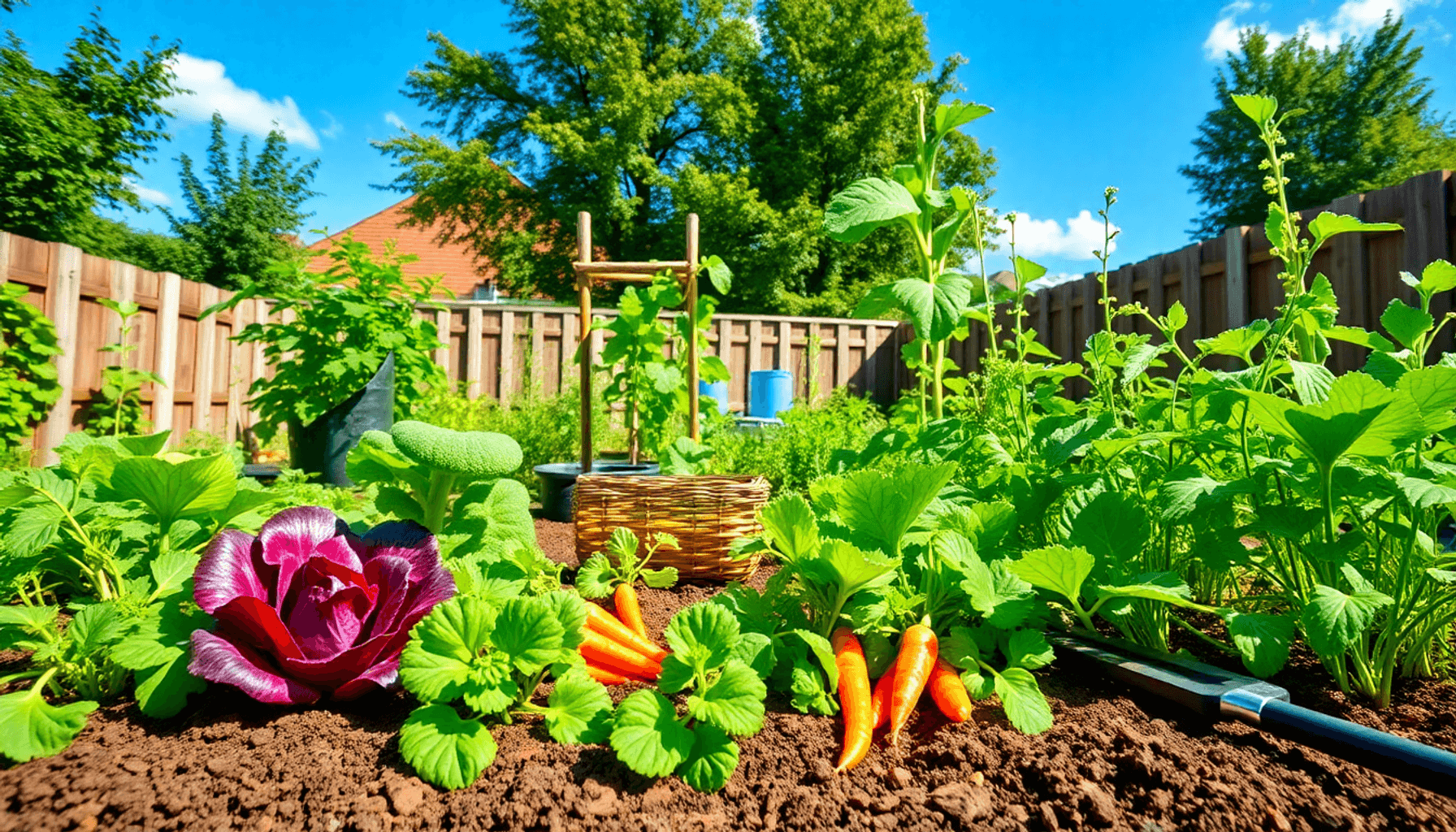

Growing vegetables in the UK has become increasingly popular as more people seek fresh, homegrown produce and a rewarding outdoor hobby. This Complete Guide to Growing Vegetables in the UK is designed to help you navigate the unique challenges and opportunities of vegetable gardening UK-style.
Understanding your local climate and soil conditions forms the foundation of successful gardening. The UK's temperate climate brings distinct seasonal patterns that directly affect what you can grow and when. Soil types vary widely across regions, influencing nutrient availability and drainage—both critical factors for healthy crops.
Benefits of growing your own vegetables extend beyond just having tasty, nutritious food at your fingertips:
- Control over quality: Avoid pesticides and know exactly how your food is grown.
- Cost savings: Reduce grocery bills by supplementing meals with garden harvests.
- Sustainability: Minimise food miles and packaging waste.
- Well-being: Gardening promotes physical activity and mental relaxation.
- Educational value: Learn about plant biology, ecosystems, and seasonal cycles first-hand.
This UK vegetable guide equips you with practical knowledge to make informed choices, from site selection and soil preparation to crop selection and watering practices. Whether you’re a beginner or looking to improve your existing garden, mastering these basics will set you up for success in vegetable gardening UK style.
Understanding the UK Climate and Growing Season
The UK climate for gardening is classified as temperate, which means it experiences moderate temperatures without extreme heat or cold. This temperate climate UK setting creates conditions that are generally favourable for growing a wide variety of vegetables, but it also comes with its own challenges. You can expect a mix of rainfall throughout the year, relatively mild winters, and cool summers.
Temperate Climate Characteristics
- Mild winters rarely drop to extreme lows, reducing the risk of severe frost damage to overwintering plants.
- Summers tend to be cool to warm but not excessively hot, which suits many vegetables like peas and lettuce that prefer cooler growing conditions.
- Rainfall is fairly evenly distributed across months, so soil moisture is usually adequate but can vary regionally.
Typical UK Growing Season
The UK growing season typically runs from early spring through to early autumn. This period aligns with longer daylight hours and warmer temperatures that promote plant growth and development.
- Early spring (March to April): Ideal time for sowing hardy crops such as broad beans, peas, and early potatoes.
- Late spring (May): Frost risk decreases; more tender vegetables like tomatoes and courgettes can be planted outdoors.
- Summer (June to August): Peak growing season when most vegetables mature and are ready for harvesting.
- Early autumn (September to October): Last chance for sowing some quick-growing crops before colder weather sets in.
Impact of Seasonal Changes on Planting and Harvesting
Seasonal changes directly influence when you sow seeds and harvest your crops. For instance:
- Frost-sensitive plants must wait until after the last expected frost date before being transplanted outdoors.
- Shorter daylight hours in late summer signal many plants to slow down or finish their growth cycle.
- Cooler temperatures in autumn encourage root vegetables like carrots and parsnips to develop sweeter flavours.
Understanding how the temperate climate UK environment shapes your vegetable garden’s timeline allows you to plan effectively. Timing your planting according to these seasonal patterns maximises yield potential and helps avoid crop failures caused by unsuitable weather conditions.
Choosing the Right Site for Your Vegetable Garden
Selecting the ideal site for your vegetable garden is one of the most critical decisions you will make. The success of your crops depends heavily on vegetable garden site selection, especially regarding sunlight and protection from harsh weather.
Sunlight Requirements for Vegetables
Most vegetables thrive in full sun, which means they need at least 6 hours of direct sunlight each day. Without adequate sunlight, plants struggle to photosynthesize effectively, leading to weaker growth and reduced yields. Here are some key points about sunlight needs:
- Full sun vegetables: Tomatoes, peppers, courgettes (zucchini), beans, and carrots all require full sun exposure to produce abundant crops.
- Partial shade tolerant: Salad leaves like lettuce, spinach, and herbs such as parsley or mint can tolerate some shade during the hottest parts of the day. This makes them more flexible for spots with less direct light.
Choosing a location that receives morning sunlight is especially beneficial because it helps dry dew quickly and reduces the risk of fungal diseases.
Importance of a Sheltered Garden Spot in the UK
The UK's temperate climate often brings unpredictable winds and cold spells. Selecting a sheltered garden spot protects your vegetables from wind damage and temperature fluctuations. Consider these factors:
- Look for natural windbreaks such as hedges, fences, or walls.
- Avoid low-lying areas where cold air can settle, increasing frost risk.
- A sheltered spot also helps retain warmth, extending the growing season slightly by protecting tender plants.
Practical Tips for Site Selection
Here are some practical tips to help you choose the best site for your vegetable garden:
- Observe your garden throughout a typical day to note where sunlight falls and for how long.
- Avoid locations shaded by large trees or buildings that block light or compete for nutrients.
- Ensure easy access to water sources to simplify irrigation.
- Check soil drainage in potential sites; poorly drained areas can cause root problems.
Focusing on these elements when choosing your vegetable garden site sets a solid foundation. Ensuring ample sunlight and shelter will directly impact plant health and productivity in your UK garden.
Preparing Your Soil for Optimal Vegetable Growth
Preparing your soil is a critical step in achieving a successful vegetable garden. In the UK, fertile soil and good structure provide the foundation for healthy plants and abundant harvests. Proper soil preparation vegetable garden practices set you up for long-term productivity.
Key Steps in Soil Preparation
-
Weed Removal
Clear the area of weeds and any persistent roots that compete with your vegetables for nutrients, moisture, and light. Removing weeds thoroughly before planting reduces ongoing maintenance and prevents unwanted growth during the season. -
Loosening the Soil
Break up compacted soil to improve aeration and drainage. Use a fork or spade to loosen the top 20–30 cm (8–12 inches) layer without turning it too aggressively, especially if you plan to adopt no-dig methods later on. Loosened soil allows roots to penetrate easily and access oxygen. -
Improving Drainage
Well-drained soil is essential for root health. Vegetables do not thrive in waterlogged conditions, which can cause root rot or fungal diseases. If your soil has heavy clay or poor drainage, consider incorporating grit or horticultural sand to improve texture.
Enriching Your Soil with Organic Matter
Adding organic matter boosts fertility, improves structure, and supports beneficial soil organisms:
-
Compost for Vegetables
Mature compost is one of the best amendments you can add. It supplies nutrients slowly over time, enhances moisture retention in sandy soils, and improves crumb structure in heavier soils. -
Well-Rotted Manure
Farmyard manure that has been well-rotted is another excellent source of nutrients and organic content. Use it sparingly to avoid overly rich conditions that may favor leaf growth over fruit or root development. -
Green Manures and Cover Crops
Planting green manures like clover or mustard during off-seasons adds nitrogen naturally when dug back into the soil, keeping your ground fertile year-round.
Importance of Fertile Soil in the UK
UK soils vary widely—from chalky to acidic—so testing your soil helps tailor your amendments effectively. A balanced pH (around 6 to 7) suits most vegetables. Avoid relying solely on synthetic fertilizers; building organic matter ensures sustained fertility.
Healthy roots rely on:
- Good structure allowing air and water movement.
- Nutrient-rich conditions supporting vigorous growth.
- A thriving microbial ecosystem that aids nutrient uptake.
The Complete Guide to Growing Vegetables in the UK highlights how investing effort in soil preparation translates directly into healthier plants, better yields, and more enjoyable gardening experiences throughout each growing season.
Selecting Vegetables Suitable for Beginners in the UK
Starting your vegetable garden with easy vegetables to grow UK is a practical way to build confidence and see results quickly. Choosing beginner vegetable crops that thrive in typical UK conditions helps avoid common frustrations.
Here are some recommended crops that combine ease of growth with relatively fast harvest times:
1. Lettuce
Lettuce varieties adapt well to cooler temperatures and partial shade, making them forgiving for beginners. They grow quickly, often ready to harvest within 6–8 weeks from sowing. Loose-leaf types can be picked progressively, extending your yield.
2. Radishes
Radishes are among the fastest quick harvest vegetables, maturing in as little as 3–4 weeks. They tolerate a range of soils and require minimal care beyond consistent watering. Their rapid growth offers instant gratification for new gardeners.
3. Carrots
Carrots need loose, well-drained soil but are otherwise low maintenance. Early varieties can be harvested in about 10–12 weeks. Their resilience to pests and ability to store well after harvest add to their appeal for beginners.
4. Courgettes (Zucchini)
Courgettes produce abundant yields with minimal effort if planted in a sunny, sheltered spot. They grow vigorously during summer months and can be harvested continuously once fruiting starts, typically around 8–10 weeks after planting.
5. Beans
Beans, including French beans and runner beans, are straightforward to cultivate. They fix nitrogen in the soil which benefits other plants too. Beans mature quickly (around 8 weeks), require little pest control, and climbing varieties save space vertically.
6. Peas
Peas prefer cooler weather typical of early UK springs. They grow rapidly and can be harvested about 10–12 weeks after sowing. Peas enrich soil fertility, making them excellent companions for other crops.
Characteristics that make these vegetables particularly suited for beginners include:
- Rapid germination and growth cycles providing quicker harvests
- Low susceptibility to common pests and diseases
- Tolerance to variable soil conditions found in many UK gardens
- Minimal pruning or staking requirements (except climbing beans)
- Compatibility with typical UK seasonal timings
Choosing these crops enables you to experience gardening success early on while developing skills essential for more challenging plants later. This foundation sets you up well for planning around planting times and seasonal calendars, ensuring steady progress through the gardening year.
Understanding Planting Times and Seasonal Calendars
Successful vegetable gardening in the UK depends heavily on knowing when to sow vegetables and following a reliable planting calendar. Timing influences germination, growth, and harvest quality. Each vegetable has its ideal window for sowing seeds outdoors or starting indoors.
Optimal Sowing and Planting Periods
1. Early Spring (March to April)
Hardy crops like radishes, peas, spinach, and some types of lettuce can be sown directly into the soil as soon as it is workable. These vegetables tolerate cooler soil temperatures and can handle light frosts. Early sowing allows them to mature before summer heat sets in.
2. Late Spring (May to June)
Warmer weather crops such as courgettes (zucchini), beans, carrots, and sweet corn thrive when planted after the danger of frost has passed. Soil temperatures are warmer, encouraging quicker germination and steady growth.
3. Summer Planting (June to July)
For autumn harvests, sow fast-growing salad leaves or root vegetables like turnips and radishes in midsummer. This extends your growing season into the cooler months.
4. Indoor Seed Starting
Frost-sensitive crops like tomatoes, peppers, and aubergines require a head start indoors or in a greenhouse from late winter (February to March). Transplant outdoors only after all risk of frost has passed—usually from mid-May onwards in most parts of the UK.
Examples Illustrating Timing Importance
Radishes benefit from early spring sowing; they mature quickly within 4–6 weeks. Direct sowing early ensures continuous harvests if you repeat sowings every couple of weeks.
Tomatoes need warmth to thrive. Starting seeds indoors around February-March gives plants time to develop before moving outside post-frost. Planting too early risks stunted growth or frost damage.
Why Following Seasonal Calendars Matters
Vegetables have varying sensitivities to temperature fluctuations and daylight length. Ignoring recommended planting windows can result in poor germination rates, slow growth, or crop failure due to frost damage or heat stress.
A seasonal calendar tailored for UK gardeners acts as a roadmap:
- It helps plan staggered sowings for continuous production.
- Ensures crops receive optimal conditions during critical growth phases.
- Reduces wasted effort on crops that may not survive adverse conditions.
Incorporate local climate variations by consulting regional planting guides or experienced gardeners nearby. Microclimates within gardens also affect timing decisions—south-facing walls warm up earlier than shaded areas.
Using a detailed vegetable sowing times UK chart aligned with your area's last frost dates guarantees better planning accuracy. Tracking these dates annually sharpens your gardening schedule over time for improved yields year after year.
Watering Best Practices for a Healthy Vegetable Garden
Watering vegetables in the UK requires attention to consistency and timing, especially during dry spells. Vegetables need regular moisture to develop strong roots and produce good yields. Inconsistent watering can lead to stress, affecting growth and taste.
Key points for watering vegetables effectively:
- Consistent Moisture: Keep soil evenly moist but not waterlogged. Dry periods during spring and summer increase the need for watering, as natural rainfall can be insufficient.
- Avoid Overwatering Plants: Excess water leads to poor oxygen availability in the soil, increasing the risk of root rot and fungal diseases. Signs of overwatering include yellowing leaves and wilting despite wet soil.
- Water at Soil Level: Applying water directly to the base of plants reduces leaf wetness, which helps prevent fungal infections like powdery mildew or blight.
- Morning Watering: Early day watering allows foliage to dry quickly, reducing disease risk and ensuring plants have moisture available as temperatures rise.
- Use Efficient Methods: Drip irrigation and soaker hoses deliver water slowly and deeply, promoting strong root systems while minimizing waste. Hand watering with a watering can or hose fitted with a fine rose is useful for smaller plots.
- Mulching Benefits: Mulch retains soil moisture longer, reducing how often you need to water. Organic mulches also improve soil structure over time.
Pay attention to different vegetable needs: shallow-rooted crops such as lettuce require more frequent watering compared to deep-rooted plants like carrots or beans. Adjust irrigation according to weather patterns and soil type — sandy soils drain faster than clay soils and may demand more frequent watering.
Applying these irrigation tips in your vegetable garden supports healthy plant development and maximizes your harvest potential in the UK climate.
Mulching Techniques to Support Vegetable Growth
Mulching a vegetable garden is a straightforward technique that can significantly boost the health and productivity of your plants. It involves covering the soil surface around your vegetables with a protective layer of material. This simple step offers several benefits, especially in the UK climate.
Benefits of Mulch in the UK
1. Moisture Retention
Mulch acts as a barrier, reducing water evaporation from the soil. This keeps the soil consistently moist, which is crucial during dry spells or sudden warm days common in UK summers. You’ll find that mulched beds require less frequent watering, saving time and conserving water.
2. Soil Temperature Regulation
The UK weather can fluctuate between cool and warm temperatures during the growing season. Mulch helps moderate these swings by insulating the soil. It keeps roots cooler on hot days and warmer during unexpected cold snaps, creating an ideal environment for vegetable growth.
3. Weed Suppression
Weeds compete with your vegetables for nutrients, water, and space. Applying mulch creates a physical barrier that limits weed seed germination and growth. This weed suppression mulch reduces the need for manual weeding, making garden maintenance easier and less labor-intensive.
Suitable Materials for Mulching Your Vegetable Garden
Choosing the right mulch material depends on availability, cost, and personal preference. Several options work well for a mulching vegetable garden:
Organic Mulches
- Straw or Hay: Lightweight and easy to spread, straw decomposes slowly, adding organic matter to your soil over time. Avoid hay if it contains weed seeds.
- Compost: Well-rotted compost can be used as mulch to improve soil fertility while suppressing weeds.
- Grass Clippings: Fresh clippings are best used in thin layers to avoid matting; they add nitrogen as they break down.
- Leaf Mold: Decomposed leaves provide moisture retention and enrich soil texture.
Inorganic Mulches
- Black Polythene or Landscape Fabric: These materials effectively block weeds and warm the soil but do not add organic matter. They are useful for crops that prefer warmer conditions like tomatoes or peppers.
When applying mulch, aim for a layer about 5–10 cm (2–4 inches) thick around plants, keeping mulch a few centimetres away from stems to prevent rot. Renew organic mulches annually as they decompose.
Mulching integrates seamlessly into vegetable gardening practices in the UK by enhancing moisture conservation, temperature stability, and weed control—key factors that influence plant health and yield success.
Managing Pests and Diseases in Your Vegetable Garden
Regularly checking your vegetable plants is crucial for effective pest control. By spotting problems early on, you can take action before infestations or diseases become widespread. Make it a habit to walk through your garden often, inspecting leaves, stems, and soil for any signs of damage or unusual symptoms.
Common Pests in UK Vegetable Gardens
Here are some of the most common pests you may encounter in your vegetable garden:
- Aphids: Small insects that gather on new growth, sucking sap and weakening plants.
- Slugs and Snails: Creatures that come out at night and eat holes in leaves, damaging young seedlings.
- Cabbage White Caterpillars: Larvae that munch on brassicas like cabbage and kale.
- Spider Mites: Tiny pests that cause stippling or yellowing of leaves, often appearing during dry weather.
- Carrot Root Fly: Larvae that burrow into carrot roots, causing deformities and rot.
Frequent Diseases Affecting Vegetables
These are some diseases that commonly affect vegetable crops:
- Powdery Mildew: White fungal growth mainly on leaves during humid conditions.
- Blight (Late Blight): A serious disease affecting potatoes and tomatoes, leading to dark spots and rapid decay.
- Clubroot: A soil-borne disease causing swollen roots in brassicas, resulting in stunted growth.
- Downy Mildew: Yellow patches on upper leaf surfaces with fuzzy mold underneath.
- Root Rot: Caused by waterlogged soil encouraging fungal pathogens that damage roots.
Recommended Control Measures Including Organic Solutions
Here are some recommended control measures to manage pests and diseases in your vegetable garden:
Cultural Practices
- Rotate crops each year to reduce build-up of pests and diseases in the soil.
- Remove infected plant material immediately to prevent spread.
- Space plants adequately for good air circulation which discourages fungal diseases.
Physical Controls
- Use barriers like slug collars or copper tape around vulnerable plants to deter slugs and snails.
- Handpick larger pests such as caterpillars and beetles whenever possible.
Biological Controls
- Encourage natural predators like ladybirds (which feed on aphids) by planting nectar-rich flowers nearby.
- Introduce beneficial nematodes to combat soil-dwelling pests such as carrot root fly larvae.
Organic Pest Solutions
- Spray insecticidal soaps or neem oil to target soft-bodied pests including aphids without harming beneficial insects.
- Apply horticultural oils to suffocate eggs and larvae on affected plants.
- Use organic fungicides containing copper or sulfur compounds for controlling mildews and blight.
By regularly checking your garden and using these integrated pest management strategies, you can keep your vegetable patch healthy. Balancing prevention with targeted treatment reduces reliance on chemical pesticides while supporting a thriving ecosystem within your garden.
Succession Planting for Continuous Harvests
Succession planting is a technique used by UK gardeners to ensure a steady supply of fresh vegetables throughout the growing season. It involves planting crops at regular intervals or choosing varieties with different maturity dates, so that not all crops are harvested at once. This way, you can enjoy a continuous harvest of vegetables instead of being overwhelmed by a large yield all at once.
Key strategies for succession planting include:
-
Staggered sowing vegetables: Sow seeds of the same variety at regular intervals, such as every two or three weeks. For example, sow radishes or lettuce every fortnight from early spring to midsummer. This ensures a fresh batch is ready for harvest as the previous one finishes.
-
Using varieties with different maturity rates: Choose early, mid, and late-season cultivars of the same vegetable. Early carrots mature quickly, providing an initial crop, while later varieties extend the harvest well into autumn.
-
Intercropping fast and slow growers: Combine quick-growing crops like salad leaves or radishes with slower maturing vegetables such as beans or courgettes (zucchini). Early crops clear space for the later ones to flourish.
-
Successive planting across different beds: Rotate succession plantings between garden beds to optimize soil use and reduce pest build-up.
This approach makes efficient use of garden space while adapting well to the UK’s temperate climate and variable growing season. Following succession planting principles increases productivity and keeps your kitchen stocked with homegrown produce over months rather than weeks.
The Complete Guide to Growing Vegetables in the UK highlights that mastering these techniques can significantly boost yields without expanding your garden size. You gain flexibility and resilience against unpredictable weather by spreading out planting times and crop choices. This method is especially helpful if you want to avoid surplus harvests that might spoil before consumption or storage.
Succession planting complements other good gardening practices such as soil preparation, watering routines, and pest management — all essential components for thriving vegetable beds that deliver consistent results season after season.
Exploring No-Dig Gardening Methods in the UK
No-dig gardening has gained popularity across the UK as an alternative to traditional vegetable growing methods. This approach revolves around minimizing soil disturbance by avoiding digging or turning over the soil. Instead, organic matter is applied on top of the ground, allowing natural processes to improve soil structure and fertility.
Key principles of no-dig gardening include:
- Leaving the soil surface intact to maintain its natural layers
- Adding layers of compost or mulch on top rather than mixing it in
- Encouraging earthworms and beneficial microbes to aerate and enrich the soil naturally
The soil biology no-dig method supports a thriving ecosystem underground. Earthworms, fungi, bacteria, and other microorganisms break down organic matter efficiently when left undisturbed. This biological activity improves nutrient availability and soil texture, which are essential for healthy vegetable growth.
Benefits of no-dig gardening go beyond improved soil health:
- Reduced physical labor compared to regular digging and turning
- Less weed disturbance, as weed seeds remain buried and have less chance to germinate
- Better moisture retention as organic layers act like a sponge, reducing watering needs
- Enhanced root development due to stable soil conditions
Applying no-dig techniques in your vegetable garden can be straightforward:
- Start by clearing existing weeds without deep cultivation—simply cut or remove them at ground level.
- Lay down a thick layer (5–10 cm) of well-rotted compost or manure on the surface.
- Top with mulch materials such as straw, leaf mold, or garden waste to protect moisture and suppress new weeds.
- Plant seedlings directly through this mulch into the underlying soil or sow seeds carefully on top.
No-dig gardening suits many popular UK vegetables like carrots, beans, lettuces, courgettes, and peas. It creates an environment where plants can establish strong roots quickly while allowing you to spend less time on physically demanding tasks.
This low labor gardening technique aligns well with sustainable practices by promoting healthier soils without mechanical disruption. For gardeners seeking easier maintenance combined with productive yields, no-dig gardening offers a compelling option within the UK's temperate climate and variable weather conditions.
Conclusion
Successful vegetable gardening in the UK depends heavily on planning your vegetable garden with careful attention to local climate and seasonal calendars. The temperate and sometimes unpredictable weather means you need to match your planting times and crop choices to what suits your specific location.
Key points to remember for year-round vegetable growing:
- Follow seasonal calendars closely to know when to sow and plant each variety.
- Choose crops that thrive in your area's conditions, especially if you are a beginner.
- Prepare your soil well by enriching it with organic matter and ensuring good drainage.
- Maintain consistent watering routines without overdoing it.
- Implement pest and disease management through regular inspections and organic methods where possible.
- Use techniques like mulching and succession planting to improve yields and extend harvests.
- Consider innovative approaches such as no-dig gardening to promote soil health and reduce workload.
This guide — The Complete Guide to Growing Vegetables in the UK — equips you with practical advice and realistic expectations. Keep adapting based on your own garden’s microclimate, soil type, and the vegetables you want to grow. With patience, observation, and planning, you can enjoy fresh, homegrown produce throughout the seasons.
Embrace these successful vegetable gardening tips UK offers, and watch your garden flourish year after year.
FAQs (Frequently Asked Questions)
What are the key considerations for growing vegetables successfully in the UK?
Successful vegetable gardening in the UK involves understanding the local temperate climate, selecting a sunny and sheltered site, preparing fertile and well-drained soil enriched with organic matter, and planning according to the seasonal growing calendar from early spring to early autumn.
Which vegetables are best for beginners to grow in the UK?
Beginner-friendly vegetables suitable for UK gardens include lettuce, radishes, carrots, courgettes (zucchini), beans, and peas. These crops are easier to grow and offer quicker harvests, making them ideal for novice gardeners.
How should I prepare my soil for optimal vegetable growth in a UK garden?
To prepare your soil in the UK, remove weeds and loosen the soil thoroughly. Enrich it with organic matter such as compost or well-rotted manure to improve fertility. Ensure the soil is well-drained to promote healthy root development essential for vegetable growth.
What are the best watering practices for vegetable gardens in the UK?
Consistent watering is crucial during dry spells in the UK. Avoid overwatering to prevent root rot by monitoring soil moisture levels. Efficient watering methods like drip irrigation or watering at the base of plants help maintain healthy vegetables.
How can mulching benefit my vegetable garden in the UK?
Mulching helps retain soil moisture, regulates soil temperature, and suppresses weed growth around your vegetables. Suitable mulching materials include organic options like straw or wood chips, which support healthy plant development in UK gardens.
What strategies can I use for continuous vegetable harvests throughout the growing season in the UK?
Implement succession planting by staggering sowing times or using varieties with different maturity rates. This approach extends your harvest period and ensures a continuous supply of fresh vegetables from early spring through early autumn in UK gardens.