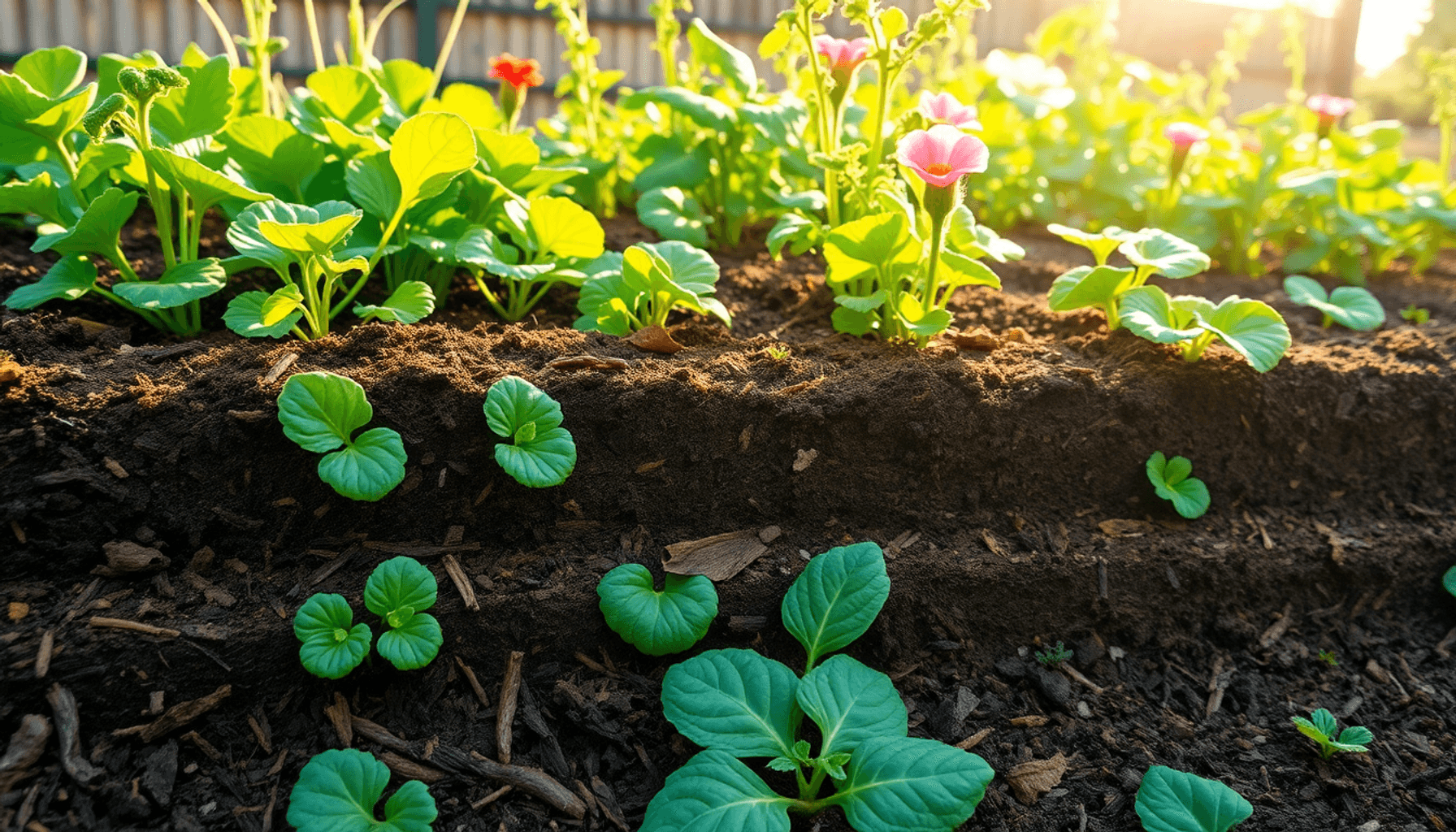

No-dig gardening is an organic gardening method focused on cultivating plants without disturbing the soil through traditional digging or tilling. This approach traces its origins back to early 20th-century gardeners who observed that turning the soil often harmed its natural structure and vital organisms. Influential figures like Masanobu Fukuoka, a Japanese farmer and philosopher, championed minimal soil disturbance as a path to sustainable agriculture.
The core principle of no-dig gardening revolves around leaving soil undisturbed. Instead of breaking up or turning the earth, you build layers of organic matter on top of existing soil. This practice preserves the soil’s natural architecture, including the networks of fungi and beneficial microbes essential for plant health.
Key benefits of no-dig gardening include:
-
Preserving soil structure: Avoiding digging helps maintain air pockets and aggregates in the soil, which are crucial for root growth and water penetration.
-
Promoting healthy organisms: Soil life such as earthworms, fungi, bacteria, and other microorganisms thrive when their habitat remains intact.
-
Reducing physical effort: You skip heavy labor associated with digging or tilling, making gardening accessible and less strenuous.
Embracing this method leads to healthier plants, improved yields, and a more resilient garden ecosystem. This guide will equip you with everything needed to start your own no-dig garden successfully.
Benefits of Embracing No-Dig Gardening Techniques
No-dig gardening offers distinct advantages that transform the health and productivity of your garden by focusing on improving soil biology. This method nurtures a thriving underground ecosystem that traditional digging often disrupts.
Enhanced Soil Biology
- Increased worm activity: Earthworms flourish in undisturbed soil, creating natural tunnels that aerate the ground and enhance nutrient cycling. Their movement breaks down organic matter, making nutrients more accessible to plants.
- Robust fungal networks: Mycorrhizal fungi form symbiotic relationships with plant roots, extending their reach for water and nutrients. No-dig gardening preserves these delicate networks, which are often destroyed by mechanical digging.
- Diverse microbial life: A rich community of bacteria and microorganisms develops in no-dig beds, contributing to balanced nutrient availability and disease suppression.
Bigger Harvests through Healthier Soil
The improved soil biology directly impacts plant growth and yields:
- Nutrient-rich soil supports vigorous root development.
- Efficient nutrient uptake via fungal networks boosts plant health.
- Improved soil structure retains air and moisture, creating ideal growing conditions.
Gardeners often observe larger, more abundant crops compared to conventionally tilled beds.
Weed Suppression
Weeds struggle to establish in no-dig gardens due to the following factors:
- The thick layer of mulch or compost smothers weed seeds by blocking sunlight.
- Undisturbed soil limits the germination of dormant weed seeds brought to the surface by digging.
- The constant cover reduces space for weeds to compete with your plants.
Reduced weeding saves time and effort while minimizing the need for herbicides.
Better Moisture Retention
Moisture management is critical for plant health and water conservation:
- Mulch layers act like a sponge, holding moisture near plant roots.
- Improved soil structure enhances water infiltration and reduces runoff.
- Consistent moisture levels reduce stress on plants during dry spells.
This natural moisture retention means less frequent watering, lightening your workload and conserving water resources.
These core benefits—enhanced biological activity, bigger harvests, effective weed control, and superior moisture retention—make no-dig gardening an efficient and sustainable choice for gardeners seeking healthier soils and higher productivity.
Getting Started with No-Dig Gardening: A Step-by-Step Guide
Starting a no-dig garden requires a thoughtful approach to preparing your site without disturbing the soil. This method respects the natural soil structure and biology, so traditional digging or tilling is avoided. Here’s how you can begin:
1. Choose Your Site Carefully
Select an area with adequate sunlight and good drainage. Avoid compacted or heavily shaded spots to maximize plant health and growth.
2. Clearing Weeds Without Digging
Weeds can be a major obstacle when starting a no-dig garden, but pulling or hoeing them out is counterproductive because it disturbs the soil ecosystem. Instead, use these non-invasive techniques:
- Smothering: Lay down a thick layer of cardboard or several layers of newspaper directly over the existing vegetation. These materials block light, causing weeds to die off naturally.
- Cutting Back: Mow or cut tall weeds close to the ground before applying smothering materials for more effective suppression.
Avoid using plastic sheeting, as it can trap moisture excessively and harm beneficial soil organisms.
3. Applying Light-Excluding Materials
Cardboard is ideal because it’s biodegradable, widely available, and breathable enough to allow water penetration while excluding light. However, it's important to understand the nuances of using cardboard in gardening, as there are some controversies surrounding its use.
- Remove any shiny tape or staples from cardboard sheets.
- Overlap the pieces by at least 15 cm (6 inches) to prevent gaps where weeds could sprout.
- Soak cardboard lightly if dry before laying it down to help it settle and start decomposing faster.
4. Building Up Layers of Compost or Mulch
Once the weed-smothering layer is in place, begin layering organic matter on top:
- Use well-rotted compost, leaf mold, manure, or a combination.
- Aim for a depth of about 5–12 cm (2–5 inches) depending on how dense the weeds were beneath.
- Spread evenly across the entire bed area.
- This mulch layer feeds soil life and provides a nurturing environment for roots without disturbing the soil below.
5. Defining Garden Beds and Paths
Create beds around 1.2 meters (4 feet) wide for easy access without stepping on planting areas.
- Mark paths between beds clearly with wood chips, straw, or gravel.
- Avoid compressing the beds by stepping on them; walk only on designated paths.
Starting a no-dig garden this way sets strong foundations for healthy plants by preserving soil ecosystems intact while suppressing unwanted vegetation effectively. The next step involves planting directly into this prepared bed without turning the soil below.
Planting and Maintaining Thriving No-Dig Beds
Planting in a no-dig garden relies on direct planting techniques that protect the delicate soil structure underneath. Instead of disturbing the soil by digging or tilling, you create planting holes or small pockets directly in the compost or mulch layer. This approach preserves the network of fungal hyphae and earthworms that are essential for nutrient cycling and soil health.
How to Plant in a No-Dig Garden
- Create small planting holes: Use your hand or a dibber to make holes just large enough for seedling roots or seeds. The goal is minimal disturbance.
- Insert plants gently: Slide seedlings or seeds into these pockets, ensuring roots are well-covered by the compost layer.
- Firm lightly: Press down around the base to secure plants without compacting the soil beneath.
- Water carefully: Moisture helps settle the compost around roots, but avoid overwatering, which can cause anaerobic conditions.
This method encourages plant roots to grow naturally downward into healthy, undisturbed soil layers rich in organic matter and microbial life.
Suitable Plants for No-Dig Gardens
No-dig gardening works well for a wide range of vegetables and ornamentals. Plants that thrive in loose, nutrient-rich compost layers adapt easily to these beds.
Vegetables
- Leafy greens like lettuce, spinach, and kale
- Root crops such as carrots, beets, and radishes (take care with very hard soils)
- Fruiting plants including tomatoes, peppers, and beans, which benefit from steady moisture retention
Ornamentals
- Perennials like lavender and echinacea
- Annual flowers such as marigolds and nasturtiums, which also help with pest control
- Groundcovers like creeping thyme to suppress weeds
Tips for Spacing and Crop Rotation
Proper spacing is crucial to optimize air circulation, light exposure, and nutrient availability within no-dig beds.
- Follow seed packet recommendations, but allow slightly more room if your compost layer is very rich, as vigorous growth is common.
- Avoid overcrowding to reduce disease pressure.
- Rotate crops annually to prevent the buildup of pests and diseases specific to plant families.
- Follow heavy feeders like tomatoes with nitrogen-fixing legumes such as peas or beans in the next season.
- Alternate root vegetables with leafy greens in subsequent seasons.
Maintaining an organized planting plan supports sustained productivity without disrupting the no-dig bed's structure.
The Ultimate Guide to No-Dig Gardening emphasizes patience during establishment but rewards gardeners with healthier plants and reduced labor through these direct planting techniques. You'll find less transplant shock since roots remain undisturbed, leading to quicker establishment and robust growth.
Overcoming Challenges in No-Dig Gardening
No-dig gardening presents some unique challenges that can be frustrating without proper preparation. One of the most frequent difficulties is sourcing quality organic mulch material in sufficient quantities. Mulch forms the foundation of no-dig beds, so its availability and quality directly impact garden health.
Common Challenges Faced in No-Dig Gardening
- Finding enough organic matter: You’ll need a steady supply of well-rotted compost, leaf mold, straw, or wood chips to build up the necessary layers. This can be tricky if you don’t have access to local green waste or bulk compost suppliers.
- Ensuring mulch quality: Fresh or poorly decomposed materials can rob nitrogen from the soil as they break down, slowing plant growth and causing nutrient imbalances.
- Dealing with persistent weeds: Thick layers of mulch help suppress weeds, but if weeds are deeply rooted or perennial, they may still push through over time.
- Managing nitrogen balance: Some organic mulches require additional nitrogen inputs to prevent depletion in the soil beneath.
Practical Solutions and Strategies
Plan your mulch sourcing carefully:
- Collect fallen leaves throughout autumn and store them for use during bed construction.
- Connect with local gardeners, community gardens, or municipal composting programs that offer free or low-cost organic matter.
- Consider growing cover crops like clover or vetch nearby; these can be cut and added as green mulch to add nitrogen.
Improve mulch quality before use:
- Allow bulky materials like wood chips or straw to age and partially decompose before applying as a thick layer.
- Mix different types of organic matter to balance carbon-to-nitrogen ratios for healthier decomposition.
Address weeds proactively:
- Use cardboard or newspaper sheets as a base layer beneath the mulch to block sunlight and suffocate existing weed roots.
- Remove large woody weeds manually before layering mulch.
- Maintain regular annual top-ups of organic matter to keep weeds suppressed long-term.
Maintain soil fertility:
- Supplement with liquid seaweed or comfrey teas if you notice signs of nutrient deficiency without resorting to synthetic fertilizers.
- Rotate crops thoughtfully to avoid exhausting specific nutrients from the no-dig beds.
Taking time upfront to solve these common problems will make your no-dig garden more productive and easier to maintain. The key lies in resourcefulness—turning available materials into rich, living soil without disruption.
Expanding the Principles of No-Dig Gardening Beyond Vegetable Beds
No-dig gardening is not limited to growing vegetables. The ornamental applications of no-dig gardening are equally compelling, offering gardeners a way to cultivate flower beds and ornamental plants while preserving soil health and reducing effort.
Applying No-Dig to Flower Beds and Ornamental Gardens
- Soil Preservation: Just like vegetable beds, flower beds benefit from leaving the soil undisturbed. This maintains the delicate balance of soil organisms essential for nutrient cycling and disease resistance.
- Mulch Layers: Use organic mulch such as leaf mold, bark chips, or finely shredded garden waste around perennials and shrubs. This suppresses weeds, conserves moisture, and gradually feeds the soil.
- Planting Method: Insert plants directly into the mulch or compost layer without digging into underlying soil. This encourages roots to spread naturally through healthy soil layers.
Adapting Techniques for Different Plant Types
- Perennials and Shrubs: These require deeper root zones than many vegetables. When establishing no-dig beds for these plants, build thicker mulch layers (10–15 cm) over well-prepared ground. This supports root growth while maintaining soil structure.
- Bulbs and Tubers: Gently part mulch for planting bulbs or tubers at appropriate depths without disturbing soil beneath.
- Annual Flowers: Plant annuals similarly to vegetables by setting them into the compost layer. Annual mulching after flowering replenishes nutrients.
Maintaining Soil Health Benefits in Ornamental Settings
- Encourage beneficial fungal networks by avoiding disturbance that breaks mycorrhizal connections critical for many ornamentals.
- Mulch choice matters; use nutrient-rich organic materials that break down slowly to provide steady nourishment without overwhelming nitrogen levels.
- Crop rotation concepts translate into rotating flower varieties or alternating heavy feeders with low-nutrient-demanding plants to prevent depletion.
Advantages Specific to Ornamental No-Dig Gardens
- Reduced physical labor through minimal soil turning promotes longer gardening seasons.
- Less weed pressure means more time enjoying blooms instead of battling unwanted growth.
- Enhanced moisture retention reduces irrigation frequency—important for drought-prone landscapes.
Embracing no-dig techniques for ornamental gardens harmonizes aesthetics with ecological benefits. You create vibrant, healthy plantings that support diverse soil life beneath vivid displays above ground.
Embracing a Sustainable Future with No-Dig Gardening Practices
No-dig gardening offers significant sustainability benefits that contribute to healthier ecosystems and long-term productivity. By leaving the soil undisturbed, you reduce the need for synthetic fertilizers and herbicides, which often have harmful environmental impacts such as water pollution and soil degradation. This natural approach encourages a balanced soil ecosystem where beneficial organisms thrive, supporting plant health without chemical intervention.
Key environmental advantages include:
-
Reduced reliance on synthetic inputs:
No-dig gardening relies primarily on organic matter like compost and mulch to supply nutrients. This minimizes or eliminates the need for artificial fertilizers and pesticides, cutting down on chemical runoff and preserving local biodiversity. -
Enhanced carbon sequestration:
Undisturbed soil acts as a carbon sink by storing organic carbon in stable forms. Digging or tilling exposes this carbon to air, accelerating its release as CO2 into the atmosphere. No-dig methods maintain soil structure and fungal networks that lock carbon in place, helping mitigate climate change. -
Improved water retention and reduced erosion:
The mulch layer in no-dig beds conserves moisture by acting like a sponge, reducing irrigation needs. Intact soil structure also prevents erosion from wind and rain, maintaining topsoil depth and fertility over time. -
Support for beneficial soil life:
Earthworms, mycorrhizal fungi, and other microorganisms flourish in undisturbed soils. These organisms break down organic material into nutrients plants can absorb more efficiently, reducing waste and improving overall garden resilience. -
Lower energy input:
Avoiding heavy machinery or manual digging means less fuel consumption and physical strain for gardeners. This energy efficiency aligns with sustainable practices by minimizing the carbon footprint associated with garden maintenance.
Adopting no-dig gardening is not just a method but a commitment to ecological stewardship. It aligns your gardening practices with natural processes instead of opposing them. This results in healthier soils that sustain productive gardens while protecting vital environmental resources.
For anyone looking to deepen their understanding of eco-friendly cultivation techniques, exploring the sustainability benefits of no-dig gardening is essential. The Ultimate Guide to No-Dig Gardening helps connect practical steps with these broader environmental goals, empowering you to create gardens that nourish both plants and planet.
Visual Inspiration for Your No-Dig Garden Journey
Seeing no-dig gardening in practice helps connect theory with reality. Images for article titled The Ultimate Guide to No-Dig Gardening can bring the method to life and spark your creativity.
Showcasing the Beauty and Diversity of No-Dig Gardens
- Lush vegetable beds thriving under layers of rich compost, revealing vibrant greens, reds, and purples.
- Mixed flower and ornamental gardens demonstrating how no-dig principles create flourishing blooms without soil disturbance.
- Close-ups of worm casting activity on the surface layer emphasize healthy biological processes.
- Mulched paths bordered by no-dig beds illustrating practical garden layouts that keep soil intact and minimize compaction.
Diagrams Illustrating Layered Construction Technique
Visual aids clarify the step-by-step layering system essential for success:
- Base layer of cardboard or newspaper suppressing existing weeds.
- Thick mulch or compost layer (5-12 cm) providing nutrients and moisture retention. This is where composting plays a crucial role, enhancing the health of your garden.
- Planting holes made directly into the organic matter without digging below.
A clear diagram showing these layers side-by-side helps gardeners replicate the technique confidently.
Tips for Curating Your Visual Library
- Capture seasonal changes in your no-dig garden to observe progression over time.
- Include before-and-after shots when converting traditional beds to no-dig.
- Supplement photos with sketches or infographics explaining benefits like improved soil structure or worm activity.
Visual inspiration not only motivates but educates, making your no-dig gardening journey both beautiful and successful.
FAQs (Frequently Asked Questions)
What is no-dig gardening and how did it originate?
No-dig gardening is an organic gardening method that involves leaving the soil undisturbed to promote better soil health and productivity. Originating from traditional practices, this approach focuses on preserving the natural soil structure and ecosystem by avoiding digging or tilling.
What are the key benefits of practicing no-dig gardening?
No-dig gardening offers several advantages including preserving soil structure, promoting healthy organisms such as worms and beneficial fungi, reducing physical effort for gardeners, suppressing weeds naturally, improving moisture retention, and ultimately leading to bigger harvests.
How do I start a no-dig garden effectively?
To start a no-dig garden, begin by clearing existing weeds using non-invasive methods like covering the area with light-excluding materials such as cardboard to smother vegetation. Then build up layers of compost or mulch on top without disturbing the underlying soil to create a fertile planting bed.
How are plants planted and maintained in a no-dig garden?
In a no-dig garden, plants are inserted directly into the compost or mulch layer without disturbing the soil beneath. Suitable plant types include vegetables and ornamentals. Proper spacing and crop rotation are important to maintain soil health and maximize productivity.
What challenges might I face with no-dig gardening and how can I overcome them?
Common challenges include sourcing sufficient high-quality organic mulch material. Overcoming these difficulties requires careful planning, resource management, and possibly sourcing mulch from multiple suppliers or using alternative organic materials to ensure consistent coverage.
Can no-dig gardening principles be applied beyond vegetable beds?
Yes, the principles of no-dig gardening can be extended to flower beds and ornamental gardens. By adapting techniques to suit different plant types while maintaining soil health benefits, gardeners can enjoy sustainable and thriving ornamental landscapes using no-dig methods.