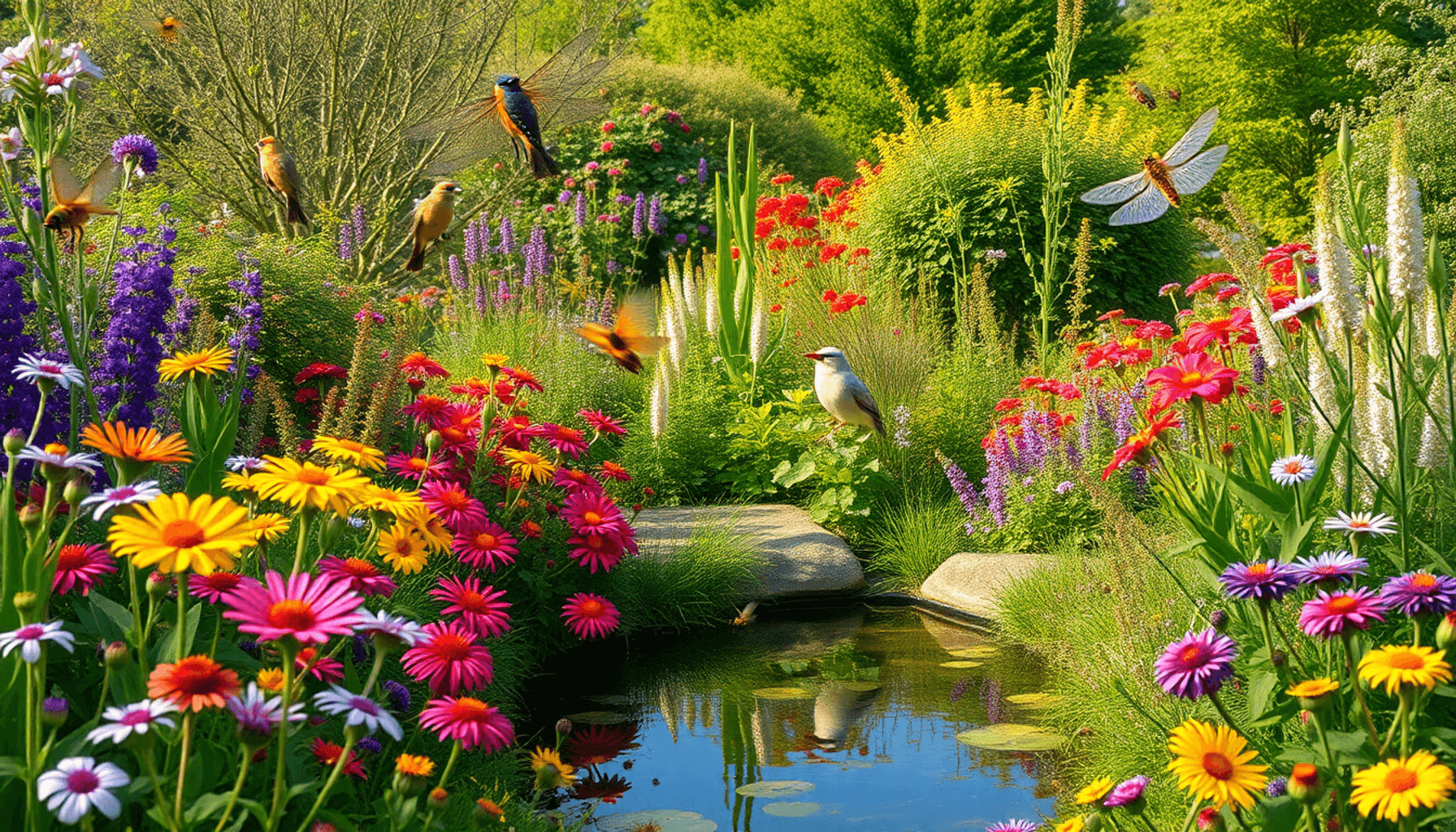

Gardens across the UK are more than just private green spaces; they serve as crucial habitats that support local wildlife and contribute significantly to biodiversity. With approximately 24 million gardens scattered throughout towns, cities, and rural areas, these patches of greenery collectively form a network of refuges for native species struggling to survive in changing landscapes.
Many of the UK's native species face alarming declines. Iconic garden visitors like hedgehogs, once common sights in hedgerows and backyards, have seen numbers plummet due to habitat loss and fragmentation. Bats rely on gardens for foraging and roosting but are vulnerable to pesticide use and urban development. Bird populations including sparrows and song thrushes, familiar sounds in neighbourhoods, continue to dwindle, signaling broader environmental stresses. Even insects like the striking stag beetle, the UK’s largest terrestrial beetle, are increasingly rare despite their vital role in woodland ecosystems.
The Complete UK Wildlife Gardening Guide is designed to help you transform your garden into a thriving sanctuary that supports these declining species and many others. This guide offers practical advice on how to nurture garden wildlife through thoughtful planting, habitat creation, and sustainable gardening practices tailored specifically to the UK environment.
You will discover how to:
- Create diverse habitats that mimic natural ecosystems
- Select plants beneficial to local fauna throughout the seasons
- Provide essential shelter and nesting sites
- Integrate water features that attract a variety of wildlife
- Adopt chemical-free methods that protect soil and insect health
Whether you have a small urban plot or a spacious suburban garden, this guide equips you with the knowledge needed to make a positive impact on biodiversity right outside your door. Embracing UK wildlife gardening not only supports nature but enriches your own connection with the natural world.
Understanding Wildlife Gardening in the UK
Wildlife gardening in the UK revolves around wildlife gardening principles that prioritise supporting native species and creating sustainable garden habitats UK-wide. It means designing, planting, and managing your garden not just for aesthetic appeal but with a clear focus on encouraging biodiversity and providing essential resources for local flora and fauna.
Gardens serve as vital green spaces within urban, suburban, and rural landscapes. They act as refuges for many native species struggling with habitat loss elsewhere. This is particularly important in the UK where natural wild habitats have diminished, making gardens crucial stepping stones or corridors for wildlife movement.
The significance of wildlife gardening lies in its ability to:
- Support native species: By choosing plants indigenous to the UK, you provide familiar food sources and shelter that local wildlife depend on. Native flowers attract pollinators like bees and butterflies; native trees offer nesting sites for birds; native shrubs provide berries for small mammals.
- Enhance garden habitats: Creating layered environments—from ground cover to canopy layers—mimics natural ecosystems. This variety supports diverse species with different habitat needs.
- Contribute to ecosystem health: Gardens become part of a larger ecological network, helping maintain soil quality, water retention, and balanced insect populations without harmful chemicals.
Key benefits for biodiversity include:
- Increased presence of pollinators which are essential for plant reproduction.
- Sustainable populations of birds and mammals due to shelter and food availability.
- Conservation of declining insects such as stag beetles by providing dead wood habitats.
- Improved resilience against environmental pressures by fostering natural predator-prey relationships.
By adopting wildlife gardening principles tailored to the UK context, you transform your garden into a functional habitat that supports native species year-round while contributing positively to broader conservation efforts.
Planning Your Wildlife-Friendly Garden
Creating a thriving wildlife garden starts with garden habitat planning that suits the unique conditions and space you have. Begin by assessing your garden’s size, soil type, sunlight exposure, and existing plant life. This evaluation helps determine which native plants UK species will flourish and what habitats you can realistically support.
Assessing Your Garden Space and Potential for Wildlife Habitats
Even small gardens can be valuable if designed well.
- Measure available space: Even small gardens can be valuable if designed well.
- Identify microhabitats: Look for sunny spots, shaded areas, damp corners, and sheltered nooks.
- Note existing features: Mature trees, hedgerows, ponds, or old logs can serve as important wildlife refuges.
- Consider soil condition: Sandy, clay, or loamy soils influence plant choices and habitat diversity.
Incorporating a Variety of Plants Including Native Flowers, Shrubs, Trees, and Wildflower Meadows
Diversity in planting supports a wider range of species by providing food and shelter throughout the year.
- Native flowers: Species such as ox-eye daisy, cornflower, and foxglove attract pollinators with their nectar-rich blossoms.
- Shrubs: Holly and hawthorn offer berries for birds in autumn and dense foliage for nesting.
- Trees: Native trees like oak and birch create layered habitats while supporting insects that feed songbirds.
- Wildflower meadows: These act as hotspots for butterflies, bees, and other insects while adding seasonal colour.
Planting a mixture of these elements encourages a balanced ecosystem where various animals can find what they need to survive.
Designing Layered Habitats to Support Different Species
Layering your garden vertically creates niches for different creatures:
- Ground cover — mosses, creeping plants, leaf litter provide homes for insects, amphibians like newts, and small mammals such as hedgehogs.
- Bushes and shrubs — offer protection from predators for birds while supplying food resources.
- Trees — supply nesting cavities for bats and birds; they also promote insect biodiversity.
This stratification mimics natural woodland structures where multiple species coexist by occupying distinct layers. The intentional design of these layers enhances garden biodiversity design by accommodating creatures with varied habitat preferences.
Planning your garden with these principles in mind lays the foundation for a sustainable wildlife haven. Thoughtful placement of native plants combined with layered habitats transforms ordinary garden spaces into vibrant ecosystems supporting UK wildlife year-round.
Choosing the Right Plants for Year-Round Support
Selecting the right native plants UK species is crucial for creating a wildlife-friendly garden that truly supports local biodiversity. Native plants have co-evolved with local wildlife, making them perfectly suited to provide food and shelter for insects, birds, and mammals throughout the seasons.
Native Plant Species Beneficial to Local Wildlife
Incorporate plants such as:
- Holly (Ilex aquifolium): Provides dense evergreen foliage for shelter and bright red berries in winter that feed birds.
- Hawthorn (Crataegus monogyna): Offers spring blossoms rich in nectar for pollinators and autumn berries that sustain thrushes and other birds.
- Ox-eye Daisy (Leucanthemum vulgare): A wildflower favoured by butterflies and bees during summer months.
These native species form the backbone of a wildlife-supporting garden, attracting a range of creatures from pollinators to seed-eating birds.
Providing Food Sources Throughout the Year
A key strategy in The Complete UK Wildlife Gardening Guide involves designing your planting scheme to offer continuous nourishment by staggering flowering and fruiting times. This ensures food availability across:
- Early spring blooms like primrose and cowslip which are vital for early-emerging bees.
- Summer nectar sources such as foxglove, red campion, and thistle that support butterflies, hoverflies, and bumblebees.
- Autumn fruits from plants like blackberries, rowan berries, and elderberries feeding birds preparing for winter.
- Winter sustenance through evergreen shrubs like holly providing berries when other resources run low.
Planning with seasonal flowering patterns in mind helps maintain healthy populations of pollinators, seed dispersers, and insectivorous birds year-round.
Annuals vs Perennials: Continuous Habitat Availability
Understanding the difference between annuals and perennials is essential for sustaining habitats:
- Annuals complete their life cycle within one growing season. Plants like cornflowers and some poppies add bursts of colour and nectar but require yearly replanting.
- Perennials return each year, establishing deeper roots that improve soil structure while providing consistent shelter. Examples include bluebells, primroses, and meadowsweet.
Combining both plant types creates dynamic layers of habitat. Annuals fill gaps with quick growth and abundant flowers; perennials ensure stability and long-term food supplies. This mix also supports various insect life stages—from larvae needing specific host plants to adults seeking nectar-rich blooms.
Rich plant diversity tailored for every season boosts your garden’s ability to sustain wildlife consistently. The careful choice of native species combined with strategic seasonal planting forms the foundation of a thriving wildlife garden.
Creating Shelter and Nesting Sites in Your Garden for Wildlife Species' Survival
Providing wildlife shelter UK is crucial for supporting the survival and reproduction of many native species. Gardens that offer suitable nesting habitats can become safe havens for birds, mammals, insects, and small animals. Here's how to enhance your garden's shelter options effectively.
Taller Bushes and Trees as Natural Shelters
- Tall shrubs and mature trees act as natural refuges where birds such as robins, blackbirds, and tits can roost and nest away from predators.
- Mammals like hedgehogs benefit from dense undergrowth that offers protection from weather and disturbance.
- Bats often roost in tree crevices or beneath loose bark, so retaining old or dead trees creates valuable habitats.
- Aim to include native species like hawthorn, elder, holly, or rowan, which provide both shelter and food resources.
Long Grass and Undisturbed Logs for Insect and Small Animal Nesting
- Leaving patches of long grass undisturbed creates ideal nesting sites for ground-nesting insects such as solitary bees and beetles.
- Logs, leaf litter, and brush piles offer hiding spots for amphibians, hedgehogs, woodlice, spiders, and other invertebrates.
- Avoid tidying every corner of your garden — these "wild" areas boost biodiversity by supporting complex microhabitats.
- Position logs in shaded or damp areas to encourage moisture-loving species essential for a balanced ecosystem.
Installing Bird Boxes
Bird boxes tailored to specific species increase breeding opportunities when natural cavities are scarce. Choose the right box size for your target species and place all boxes at a height of 2–4 metres, facing away from prevailing winds to improve occupancy rates.
- Small boxes with a 25mm entrance hole are suitable for blue tits.
- Medium boxes with a 32mm entrance hole attract house sparrows and nuthatches.
- Large open-fronted boxes suit robins and wrens.
- Specialist large boxes can accommodate owls or kestrels.
- Regular cleaning and maintenance keeps boxes usable year after year.
Installing Insect Hotels
- Insect hotels built with varied materials — bamboo tubes, hollow stems, and wood blocks — provide nesting spaces for solitary bees, ladybirds, lacewings, and other beneficial insects.
- Site insect hotels in a sunny, sheltered spot to attract the widest range of species.
- Inspect and refresh materials annually to ensure the structure remains clean and effective.
Creating diverse nesting habitat gardens by combining natural features with artificial shelters supports a broad range of wildlife. Each element plays an important role in maintaining an interconnected ecosystem within your outdoor space.
Water Features to Attract Diverse Wildlife to Your Wildlife-Friendly Garden
Adding garden ponds or other water features can be a game-changer for biodiversity in your outdoor space. Water attracts a wide variety of species that rely on it for drinking, breeding, feeding, or shelter. Insects like dragonflies and damselflies use ponds as breeding grounds. Amphibians such as frogs and newts depend on freshwater habitats for their life cycles. Birds visit water sources to drink and bathe, while mammals like hedgehogs and bats often hunt insects near water.
Benefits of Water Features in Your Garden
- Supports aquatic and semi-aquatic species: Ponds provide essential breeding sites for frogs, toads, and newts.
- Boosts insect populations: Water attracts beneficial insects including pollinators and natural pest controllers.
- Creates a microhabitat: Aquatic plants add structural diversity, offering cover and food for wildlife.
- Enhances bird activity: Birds use ponds to drink and preen, increasing garden birdwatching opportunities.
- Promotes biodiversity corridors: Even small ponds connect fragmented habitats, aiding species movement.
Tips for Creating Safe and Sustainable Water Habitats
Choosing the Right Location
- Place ponds in partly sunny spots to encourage plant growth, but avoid full shade which can limit aquatic vegetation.
- Ensure the pond is visible enough to discourage accidental disturbance but away from heavily trafficked areas.
Getting the Size and Depth Right
- Even small water bodies can support wildlife; a minimum of 1 square metre surface area is effective.
- Vary depths from shallow edges (5–10 cm) to deeper zones (up to 50 cm) so different species can find suitable environments.
Keeping the Water Safe and Accessible
- Do not use pesticides, herbicides, or chemical fertilizers nearby as they contaminate water, harming sensitive amphibians and insects.
- Create sloping sides or include stones and logs around the edges so animals can enter and exit safely without risk of drowning.
Planting and Maintaining a Natural Balance
- Use native aquatic plants such as water mint (Mentha aquatica), water forget-me-not (Myosotis scorpioides), and marsh marigold (Caltha palustris) to provide shelter and food sources.
- Include floating plants to reduce algae growth by shading water surfaces.
- Avoid introducing fish unless carefully managed, as they can prey on amphibian eggs and larvae.
- Regularly remove excessive algae or decaying plant material to maintain healthy oxygen levels.
Adding Wildlife-Specific Structures
- Incorporate submerged logs or stones as refuges for aquatic and semi-aquatic species.
- Position birdbaths or shallow dishes nearby to supplement drinking spots if space is limited.
Integrating these principles when installing garden ponds ensures your water features are not just decorative but vibrant ecosystems supporting local biodiversity year-round. Each element—from plant choice to pond shape—helps build a balanced habitat that benefits amphibians, birds, mammals, and countless insect species critical to a thriving garden environment.
Sustainable Gardening Practices for Healthy Ecosystems in Your Wildlife Garden
Sustainable gardening is essential for maintaining vibrant ecosystems within your garden. By adopting chemical-free gardening practices, you can ensure that beneficial insects, soil microorganisms, and plants thrive without harmful interference.
The Importance of Chemical-Free Gardening
Avoiding chemical pesticides and synthetic fertilizers is crucial for protecting pollinators like bees and hoverflies, which are essential for plant reproduction. These chemicals often disrupt natural predator-prey relationships, reducing biodiversity instead of supporting it.
Key benefits of chemical-free gardening include:
- Preservation of soil health by maintaining a balanced microbial community.
- Protection of pollinators and natural predators such as ladybirds and lacewings.
- Reduction in water pollution from runoff containing harmful substances.
- Encouragement of natural pest control through habitat support for predatory insects.
Using Peat-Free Composts
Using peat-free composts aligns with sustainable gardening principles by conserving peatlands—critical carbon sinks that are rapidly declining due to extraction. Peat-free alternatives are increasingly available across UK garden centres and online suppliers.
These composts typically contain organic materials such as coir, wood fibre, bark, or green waste, which improve soil structure and moisture retention naturally.
Preparing Your Soil Without Peat
Preparing your soil without peat involves:
- Incorporating organic matter like well-rotted garden compost or leaf mould to enrich the soil’s nutrient content.
- Applying mulches from natural sources such as straw or wood chips to suppress weeds and retain moisture.
- Using green manures (cover crops) to fix nitrogen naturally and enhance soil fertility between growing seasons.
Adopting these methods supports earthworms and other beneficial soil fauna that aerate the ground and break down organic material into nutrients accessible to plants.
Creating a Resilient Garden Ecosystem
The Complete UK Wildlife Gardening Guide stresses that sustainable practices create a resilient garden ecosystem capable of sustaining diverse native species year after year. By rejecting chemicals and peat products, you foster a cleaner environment that benefits not only your garden but also the wider landscape.
This approach fits seamlessly with strategies for encouraging pollinators, selecting appropriate plants, and creating habitats discussed in earlier sections. Sustainable gardening acts as the foundation upon which all wildlife-friendly efforts build strong ecological networks within your outdoor space.
Encouraging Pollinators in Your Garden with Pollinator-Friendly Plants
Pollinators such as bees and hoverflies play a crucial role in the health of UK gardens and wider ecosystems. These insects contribute to the pollination of many native plants, fruits, and vegetables, supporting biodiversity and food production. Creating a garden rich in pollinator-friendly plants UK can significantly boost local populations of these essential species.
Why Support Pollinators?
Here are some reasons why supporting pollinators is important:
- Nectar and Pollen Sources: Bees, hoverflies, and other pollinators rely on nectar and pollen for energy and nutrition. Gardens that provide continuous blooms throughout the year help sustain their populations.
- Biodiversity Enhancement: Pollinators assist in plant reproduction, encouraging genetic diversity among wildflowers and crops.
- Ecosystem Stability: Healthy pollinator numbers contribute to balanced ecosystems by supporting food chains that include birds, mammals, and other wildlife.
Selecting Plants to Support Pollinators Year-Round
A successful pollinator-friendly garden includes plants that flower at different times, ensuring food availability from early spring through late autumn. Choose native species adapted to local conditions; these are often more beneficial to native pollinators than exotic varieties.
Recommended Native Plants for Pollinators
| Season | Plant Examples | Notes |
| Spring | Hawthorn, Willow, Wild Cherry | Early bloomers essential for queen bees starting nests. |
| Summer | Foxglove, Lavender, Red Clover | Rich nectar sources attracting bees and hoverflies. |
| Autumn | Heather, Michaelmas Daisy, Holly | Late-season flowers help pollinators build reserves for winter. |
Including a mix of trees, shrubs, perennials, and wildflowers creates a diverse habitat that supports different pollinator species. Avoid hybrids that may produce less nectar or pollen.
Incorporating Annuals and Perennials
- Annuals: Often bloom profusely but only for one season; useful for filling gaps or adding bursts of colour.
- Perennials: Return each year and establish deeper root systems; provide stable resources over time.
Combining both types ensures your garden remains attractive and valuable to pollinators across seasons.
Additional Tips for Pollinator Support
- Plant flowers in clusters rather than isolated individuals to increase visibility.
- Avoid hybrid varieties bred for showy petals that reduce nectar production.
- Leave some bare soil patches to support ground-nesting bees.
- Minimise disturbance during peak flowering periods.
Providing a garden rich in nectar-producing plants tailored to the UK climate supports vital insect populations like bees and hoverflies. This contributes directly to conservation efforts focused on these declining species, helping maintain the intricate balance of your local ecosystem.
Collaborating with UK Wildlife Organizations to Enhance Your Wildlife Gardening Efforts
Gardening for wildlife becomes more powerful when it is supported by expert guidance and community initiatives. Several organizations in the UK offer valuable resources, advice, and campaigns specifically designed to assist you in creating a flourishing garden that benefits native species.
Key Organizations and Their Contributions
1. Royal Horticultural Society (RHS)
The RHS provides comprehensive wildlife gardening advice tailored specifically for gardens in the UK. Their resources include recommendations for plants, tips on creating habitats, and guides that are updated seasonally to align with the needs of local biodiversity. The RHS also runs the Garden for Wildlife scheme, which encourages gardeners to make small but impactful changes.
2. Royal Society for the Protection of Birds (RSPB)
The RSPB’s garden initiatives primarily focus on supporting bird populations, but they also extend their efforts towards wider wildlife conservation. They offer detailed guides on how to create bird-friendly gardens through appropriate planting, providing shelter, and ensuring there are water sources available. Campaigns such as the Big Garden Birdwatch involve gardeners in citizen science activities, helping to track bird populations while promoting practices that are friendly towards nature.
3. The Wildlife Trusts
This network of local trusts plays a crucial role in connecting individual garden efforts with larger conservation work being carried out across different regions. They provide practical workshops, downloadable guides, and run projects that encourage the establishment of connected wildlife corridors through gardens and green spaces.
Campaigns Promoting Pollinator Protection and Nature Conservation
Pollinators like bees and hoverflies are facing significant threats due to habitat loss and the use of pesticides. Several campaigns led by these organizations aim to reverse these trends:
- Bee Friendly Campaign (RHS): Encourages gardeners to plant flowers that are rich in nectar, avoid using harmful chemicals, and create habitats for nesting.
- Urban Buzz (The Wildlife Trusts): Focuses on increasing the number of pollinators in towns by promoting wildflower meadows and establishing corridors for pollinators.
- Birds & Gardens Project (RSPB): Supports actions that benefit both birds and their insect prey, including pollinators.
These campaigns often provide stickers or certificates as a form of recognition for gardens that meet specific criteria promoting wildlife—this serves as a motivating factor for many gardeners who wish to visibly contribute towards conservation efforts.
Gardening alongside these organizations connects you with a larger movement committed to improving both urban and rural ecosystems. By accessing their expertise, you can ensure that your efforts in wildlife gardening are informed by the latest research findings as well as practical experience gained over time. Additionally, their community networks offer opportunities where you can share your successes stories , learn from others' experiences ,and actively participate in monitoring schemes related to conservation activities .
Transforming Small Gardens into Wildlife Havens: Tips for Urban Gardeners
Urban gardens often come with space constraints but hold significant potential to support wildlife. Applying small garden wildlife tips UK can turn even the most compact outdoor areas into thriving habitats that contribute meaningfully to local biodiversity.
Maximizing Biodiversity in Limited Spaces
- Layering plants vertically creates diverse microhabitats. Use a mix of ground cover, shrubs, and small trees or tall plants to provide shelter and food sources at different heights. This supports a range of species from ground insects to birds.
- Incorporate native species known for their wildlife value, such as flowering herbs like thyme and lavender or berry-bearing shrubs like hawthorn. Native plants attract local pollinators and birds more effectively than non-natives.
- Leave small patches of long grass or wildflower strips where possible. Even narrow strips can host beneficial insects and provide nesting materials.
- Avoid excessive paving or artificial surfaces that reduce habitat availability. Instead, favour permeable materials that allow plant growth and insect movement.
Creative Uses of Containers
Containers offer flexibility for urban gardeners wanting to create wildlife-friendly spaces:
- Use pots and window boxes filled with nectar-rich flowers like foxgloves, pansies, or native wildflowers to attract bees and butterflies.
- Stacked containers or tiered planters can mimic layered natural habitats in vertical form, ideal for patios or balconies.
- Containers planted with herbs also support pollinators while providing fresh produce for you.
Vertical Planting Techniques
Vertical gardening expands usable space without crowding the ground:
- Install climbing plants such as honeysuckle or ivy on trellises or walls; these provide shelter for insects and birds.
- Create green walls using modular planting systems designed for small spaces; these enhance biodiversity by adding vertical layers rich in flowering plants.
Microhabitats Within Small Gardens
Small-scale features significantly boost habitat diversity:
- Build mini log piles, rock heaps, or leaf litter corners to shelter insects, amphibians, and hedgehogs.
- Place insect hotels in sunny spots; they offer nesting sites for solitary bees and beneficial predatory insects.
- Install bird feeders or birdbaths sized appropriately for small spaces to encourage visiting wildlife.
Applying The Complete UK Wildlife Gardening Guide principles tailored to compact gardens transforms limited outdoor areas into valuable refuges for native species. Clever plant choices combined with thoughtful use of vertical space and microhabitats result in vibrant ecosystems teeming with life despite spatial constraints.
Conclusion
You have the power to make a significant difference through sustainable gardening UK practices. Creating wildlife-friendly gardens benefits not only native species like hedgehogs, bats, and song thrushes but also enhances your garden’s ecological health and beauty.
Remember these key takeaways from The Complete UK Wildlife Gardening Guide:
- Every garden counts: Even small urban spaces can become vital refuges for wildlife.
- Diversity is essential: Incorporate a variety of native plants and layered habitats to support multiple species year-round.
- Natural gardening methods work: Avoid chemicals and peat to protect soil and pollinators.
- Water features attract life: Ponds and water bodies invite amphibians, insects, birds, and mammals.
- Shelter secures survival: Provide nesting sites with trees, shrubs, dead wood, and insect hotels.
- Support pollinators: Nectar-rich plants bloom across seasons to sustain bees and hoverflies.
Adopting these approaches transforms gardens into thriving ecosystems that contribute to reversing declines in native wildlife. Your commitment today builds healthier environments for generations to come. Start your journey with confidence – nature will reward your efforts abundantly.
FAQs (Frequently Asked Questions)
Why are UK gardens important for supporting local wildlife and biodiversity?
UK gardens serve as vital green spaces that support native flora and fauna. They provide essential habitats that help sustain declining native species such as hedgehogs, bats, sparrows, song thrushes, and stag beetles, contributing significantly to local biodiversity and ecosystem health.
What are the key principles of wildlife gardening in the UK?
Wildlife gardening in the UK focuses on supporting native species by creating diverse garden habitats. This includes using native plants, designing layered habitats with ground cover, bushes, and trees, and ensuring year-round food sources to promote biodiversity and ecosystem resilience.
How can I plan a wildlife-friendly garden in the UK?
Start by assessing your garden space for potential wildlife habitats. Incorporate a variety of native plants such as flowers, shrubs, trees, and wildflower meadows. Design layered habitats to support different species by including ground cover, bushes, and taller trees to create shelter and feeding opportunities.
What types of plants should I choose to support wildlife throughout the year?
Select native UK plant species beneficial to local wildlife like holly, hawthorn, and ox-eye daisy. Provide staggered flowering and fruiting times using a mix of annuals and perennials to ensure continuous availability of nectar and food sources for pollinators and other animals across all seasons.
How can I create shelter and nesting sites for wildlife in my garden?
Use taller bushes and trees to offer shelter for birds and mammals. Leave areas of long grass or undisturbed logs to provide safe nesting sites for insects and small animals. Installing bird boxes or insect hotels can further enhance shelter options for various species.
What sustainable gardening practices can promote healthy ecosystems in my UK wildlife garden?
Avoid chemical pesticides and fertilizers to protect beneficial insects and soil health. Use peat-free composts and enrich soil naturally with organic matter. These sustainable practices maintain ecological balance while supporting a thriving garden ecosystem.